Episode 12: From the Rivers to the Seas
Pluralising Palestine to unsettle colonialism everywhere.
Episode 12 is a 5-day gathering bringing together art, critical thought and grass roots organising.
Join us for avant-garde film and militant cinema, experimental music, anti-neocolonial docu-poetry, workshops, local practices of resistance, alongside conversations with some of the most preeminent anti-colonial and abolitionist thinkers internationally.
For liberation, justice and revolution to be successful they must be planetary. Between every river and every sea, and beyond every border and state.
How do we think with, and from, Palestine on a planetary scale? Can we connect different sites of anti-colonial resistance, without flattening them through analogy, equivalence or universalism? Colonial violence is constantly recomposed as it adapts to different contexts. Each instance prototypes new mechanisms of extraction, but also insurgent forms of resistance, changing how past, present and future ones are understood. How then can we learn in the back and forth between different colonial situations and the struggles of refusal that resist them?
And what is the role of art in this? How do social and aesthetic registers of common life interact: through memory and re-membering; through mourning or testimony; through gesture, image, or translation? How do they help imagine belonging to land beyond the state or borders, and outwith colonial ideas of time?
Developed with friends in Palestine, Lebanon, Brazil, Armenia, Algeria, Reunion, USA, Puerto Rico, Korea, France and Scotland, the programme includes:
- Film screenings, performances and discussions with: Michel Khleifi, Françoise Vergès, Rene Gabri and Ayreen Anastas, and by Yann Le Masson/ Franz Fanon.
- Poetry readings with: Don Mee Choi, and Mahmoud Alshaer
- Discussions and study sessions with: Nadera Shalhoub-Kevorkian, Françoise Vergès, Rene Gabri, Ayreen Anastas, Houria Bouteldja, Lara Sheehi, Mahmoud Alshaer, Nasser Abourahme, Michel Khleifi, Leda Maria Martins, Amilcar Packer, Harry Josephine Giles, Ailean Dòmhnallach, Babs Nicgriogair, Nick Mirzoeff, JAMAC (Jardim Miriam Arte Clube), Peter Makhlouf, David Lloyd, Hannah Proctor, Ramón Grosfoguel, Carmel Alabbasi, Majdal Nateel,Sherena Razek, Pelumi Odubanjo, Joel White, layla-roxanne hill, David Kenvyn, Rosie Thompson, Paul Larkin, Masa Nazzal, Hajar Ibrahim, Fernanda Taddei.
- Music programme, developed in collaboration with Counterflows, ft. Ejrad (Masa Nazzal & Hajar Ibrahim), Mazen Kerbaj, and Kamilya Jubran.
Ongoing through out the Episode:
- Set design by JAMAC (Jardim Miriam Arte Clube) and Panel. In T1, T4 and Tramway Foyer.
- Catering by Soul Food Sisters. Lunch and dinner served in Tramway Foyer. Times vary each day, see HERE for more info.
- Bookstall by Aye-Aye Books, an independent and radical bookstore based in Glasgow. Featuring a selected range of titles covering the themes and guests participating at the Episode; open Wednesday and Thursday 18:00 – 22:00, Friday and Saturday 12:00 – 22:00, Sunday 14:00 – 22:00
- Quiet Space: A place to rest, digest and withdraw as needed throughout the days in Tramway Studio. Open during certain times, see Access Info for full details.
Tickets Summary
Evening Pass: Sliding-Scale £1/£5/£10/£15/£20/£25
Evening events taking place in T1, are ticketed via the Evening Pass.
Day Events: Free & Unticketed. First come, first served.
Events during the daytime in T4 or the Tramway Studio.
Workshop: Mahmoud Alshaer’s workshop on Friday 13 November, is ticketed via Eventbrite.
Programme Events
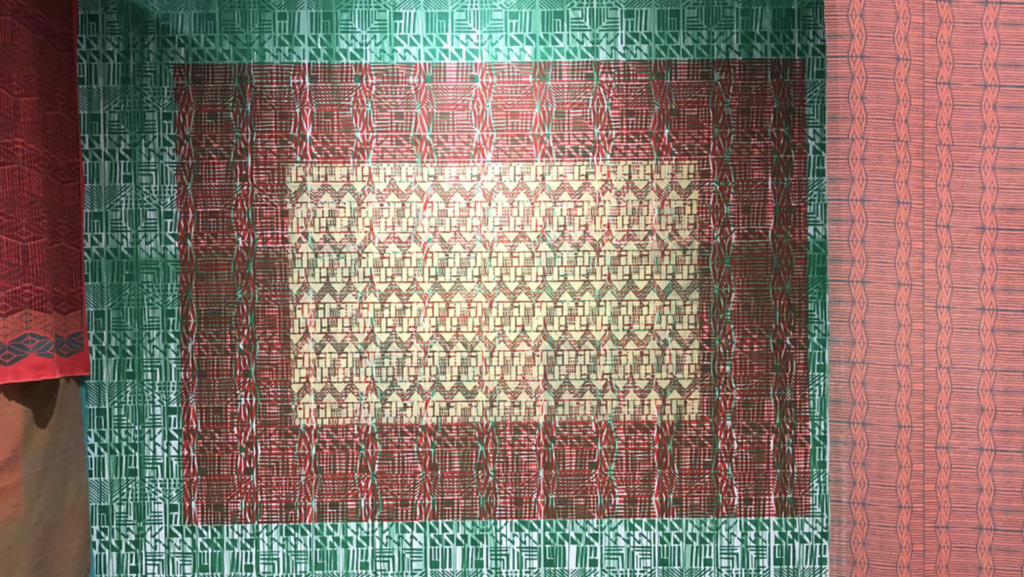
Set Design
Jardim Miriam Arte Clube (JAMAC)
The São Paulo collective JAMAC visually manifests community histories and desires into patterns: for fabric, houses, ceramics, dishcloths… They have developed the set design for Episode 12 with participating artists and workshops locally.
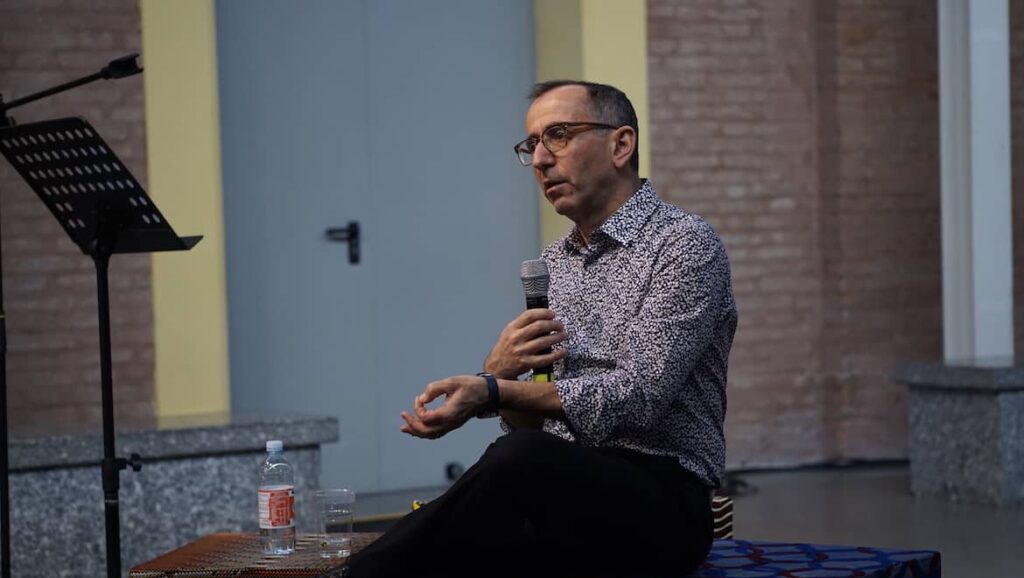
Genocide’s Wake & To See In The Dark
David Lloyd Nicholas Mirzoeff
Nick is a leading Jewish Anti-Zionist scholar who helped found the discipline of visual culture. David is a poet, playwright, writer and a member of the Advisory Board of the US Campaign for the Academic and Cultural Boycott of Israel. They’ll talk about visibility, individuation and solidarity.
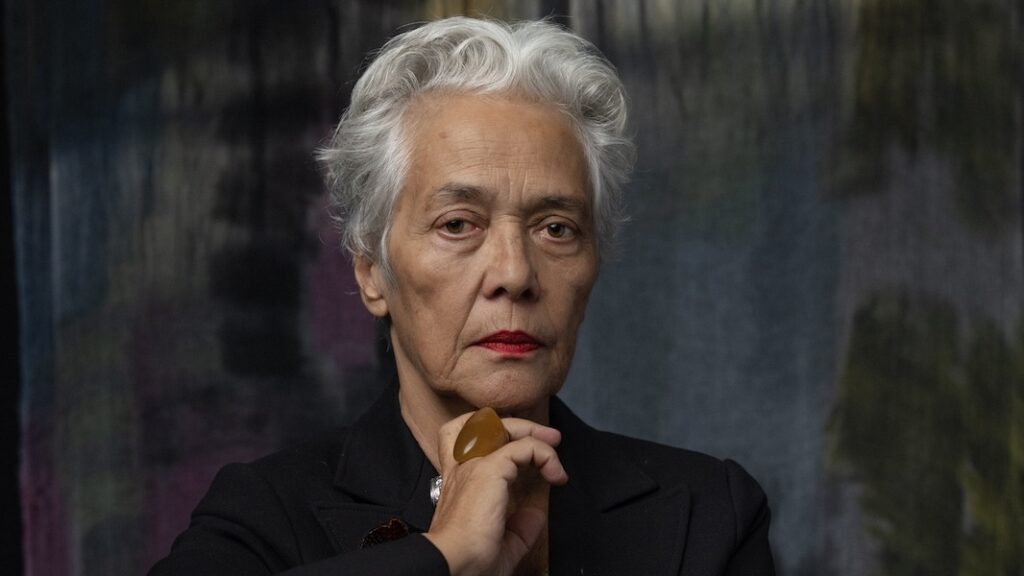
Curating Absolute Disorder
Françoise Vergès Nat Raha
How can we acknowledge the violent history of museum and gallery collections? Can we detach Western art from capitalist systems?

On the Necessity of Psychic Militancy
Lara Sheehi Hannah Proctor
Lara explodes the naïve claim to neutrality of normative psychiatric care. Her concept of ‘psychic intrusions’ helps to identify the ways power seeks to mould the consciousness of the people it subjugates. Her notion of ‘psychic militancy’ maps the resistance to such attempts.
The Nakba in the Room
Rene Gabri Ayreen Anastas Additional Contributors
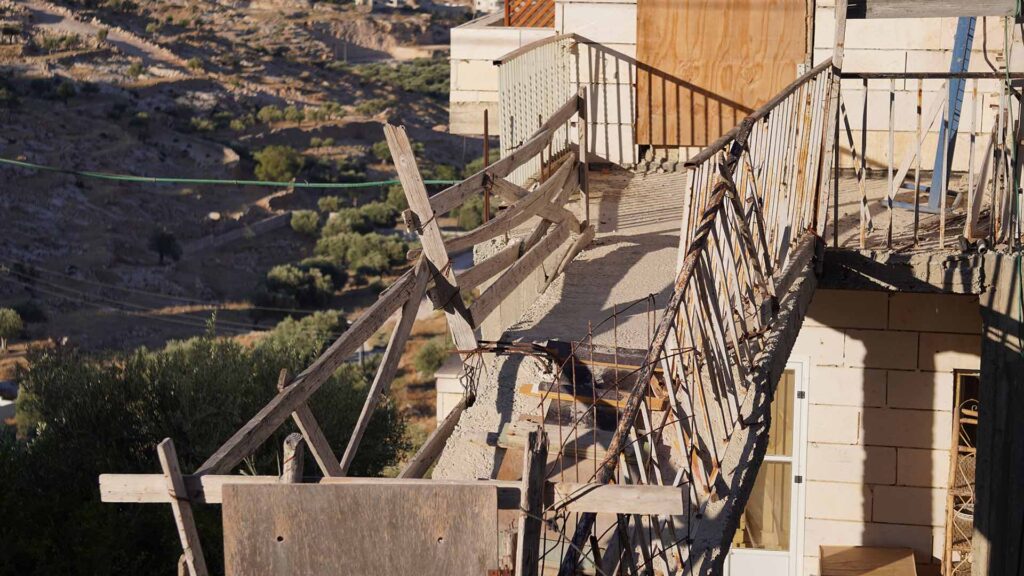
Where has art stood in the Nakba’s perpetration? The Nakba in the Room is part of a response and a search for an exit from complicity; improvised, wrestled and unmade in the same time of its viewing.
Eating Together
Soul Food Sisters
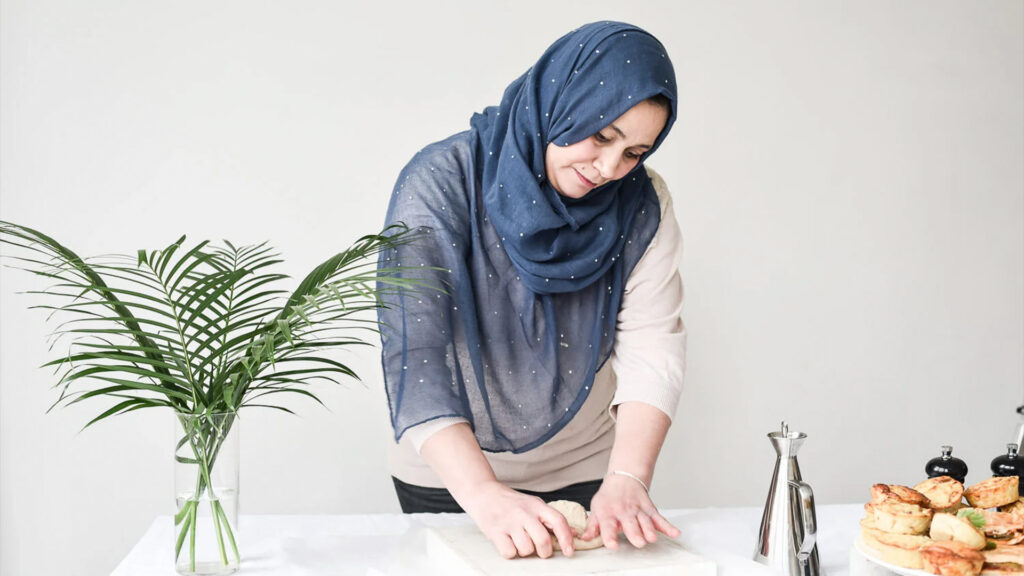
Join the artists and participants in the Episode for food between events, catered by our friends Soul Food Sisters —a migrant women’s catering co-op from Glasgow’s East End.
A Conference of Butterflies
Anti-Denialist Museum of Palestine Nasser Abourahme Carmel Alabassi Ayreen Anastas Mahmoud Alshaer Rene Gabri Avery F. Gordon Michel Khleifi David Lloyd Peter Makhlouf Nicholas Mirzoeff Majdal Nateel Nadera Shalhoub-Kevorkian Lara Sheehi Amirah Silmi Françoise Vergès Additional Contributors
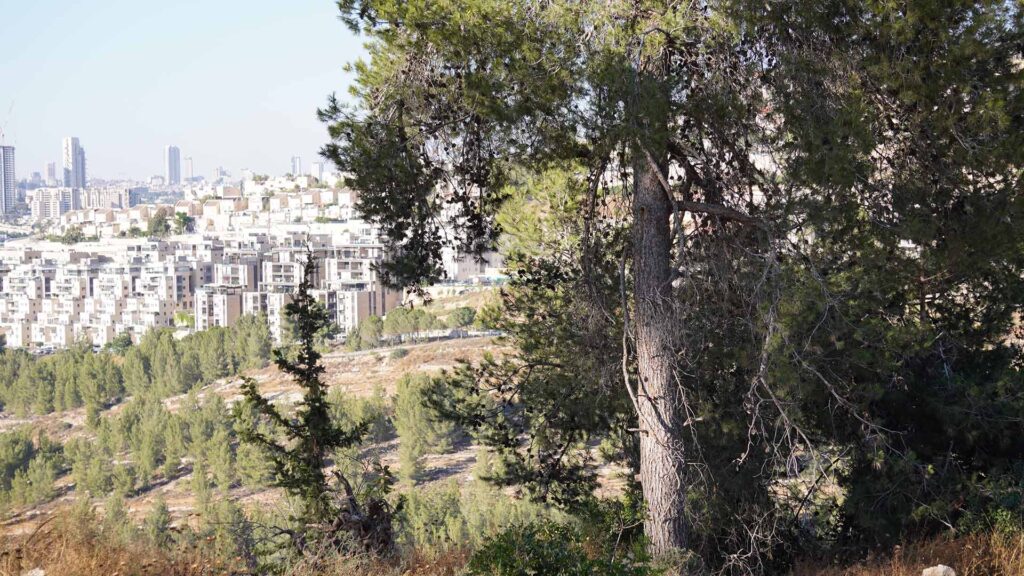
This edition of the Conference of Butterflies asks contributors to share words, notions, practices which nourish or obstruct our movements from perceiving and abolishing all the forces, forms, institutions maintaining the planetary regime of ongoing Nakba.
Ashlaa’ to Lamlameh: Fragments Made Whole
Nadera Shalhoub-Kevorkian David Lloyd
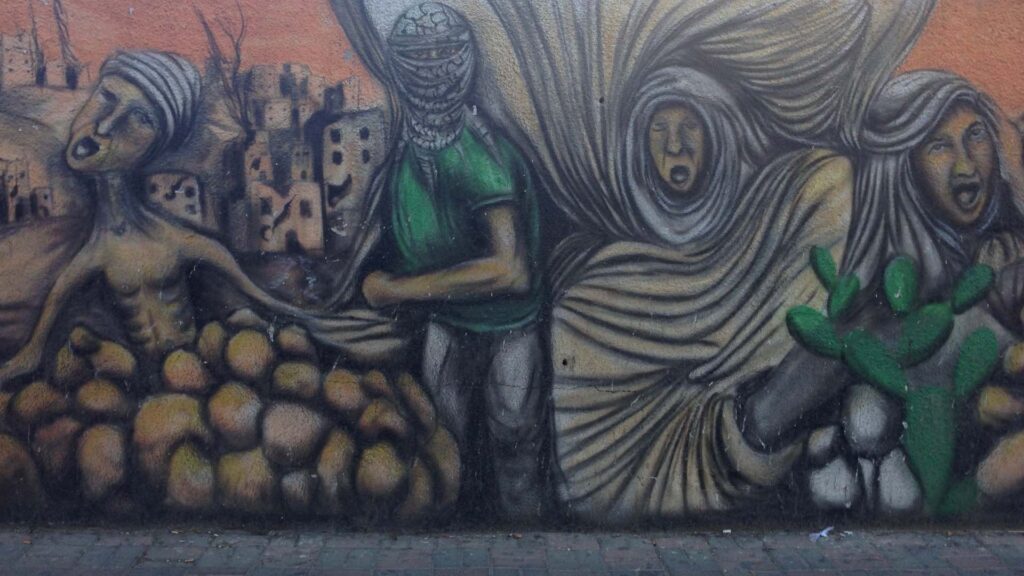
A conversation between preeminent Palestinian feminist, Nadera Shalhoub-Kevorkian and poet and theorist David Lloyd. Nadera has coined two incredibly profound concepts to understand Palestinian life today. Ashlaa’—the violent fracturing of Palestinian bodies and lamlameh—the defiant collecting of a loved one’s body.
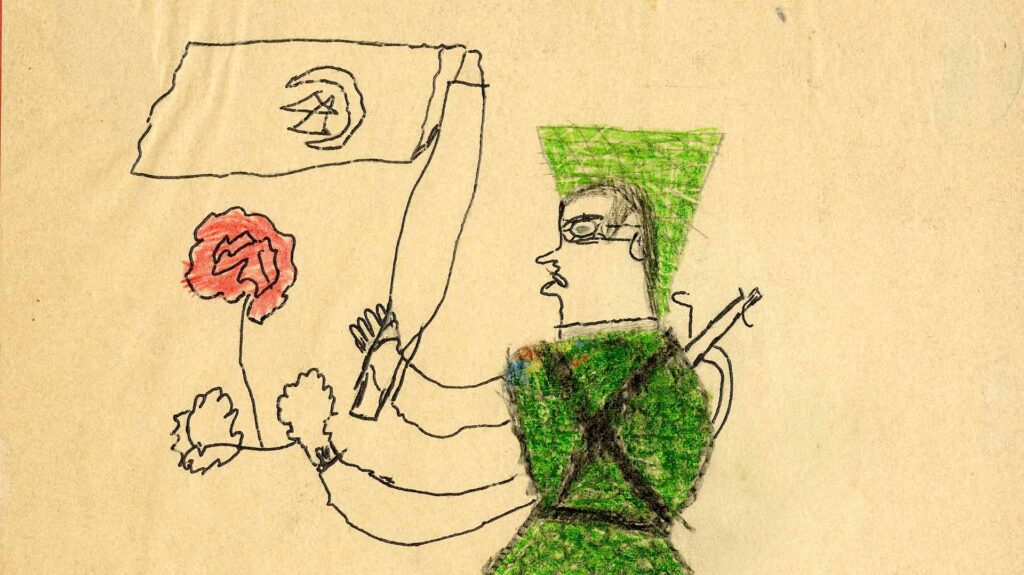
J’ai Huit Ans
Yann Le Masson
A landmark of militant cinema, bringing together drawings collected by Franz Fanon, alongside testimony from, and filmed portraits of children recounting French state violence during the Algerian War of Independence.
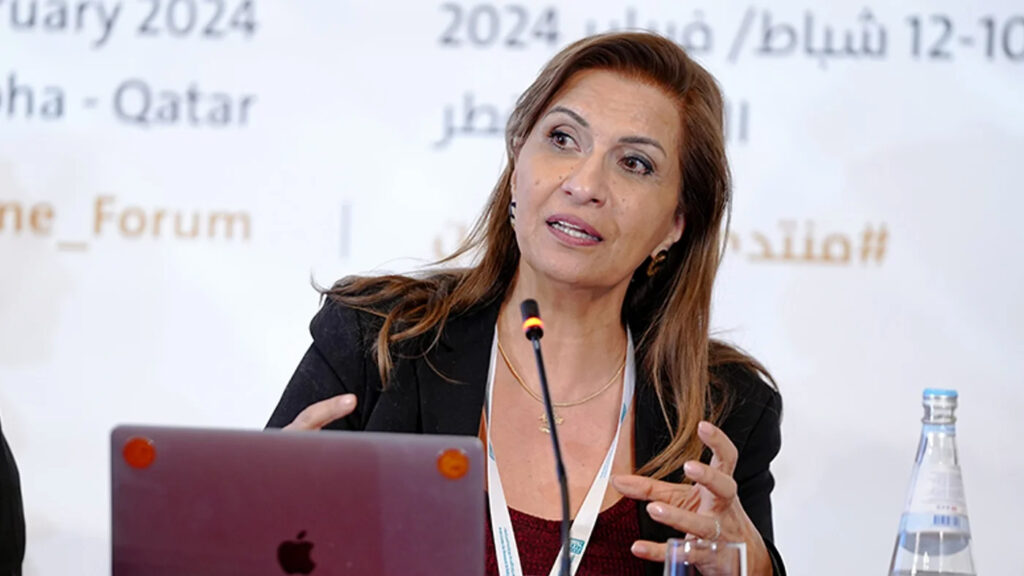
Countertechnologies of life making in Palestine, for Palestine
Nadera Shalhoub-Kevorkian Lara Sheehi
Palestinian Feminist scholar Nadera Shalhoub-Kervorkian sits down with psychoanalyst and author Lara Sheehi to discuss some of Nadera’s other vital concepts including the ideas of ‘overkilling’ and ‘unchilding’, which are fundamental to understanding Palestinian experience today.
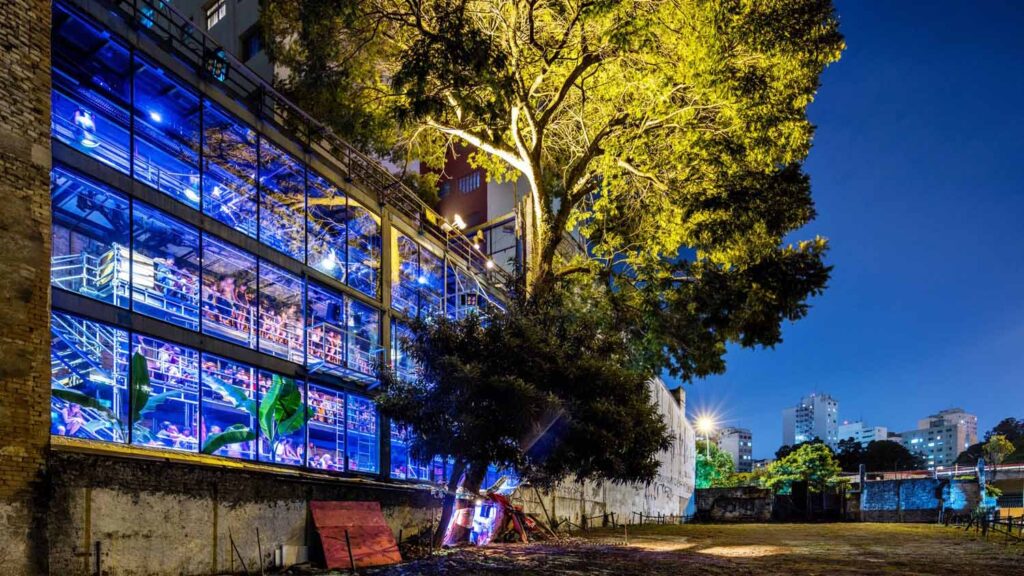
Teat(r)o Oficina – power of Presence in the presence of Power
Fernanda Taddei
Fernanda will share some of the practice and history of Teat(r)o Oficina, one of the most important counter-colonial, radical theatre companies in the world, which she works as an actress, co-director, project conceiver and free passionate researcher since 2015.
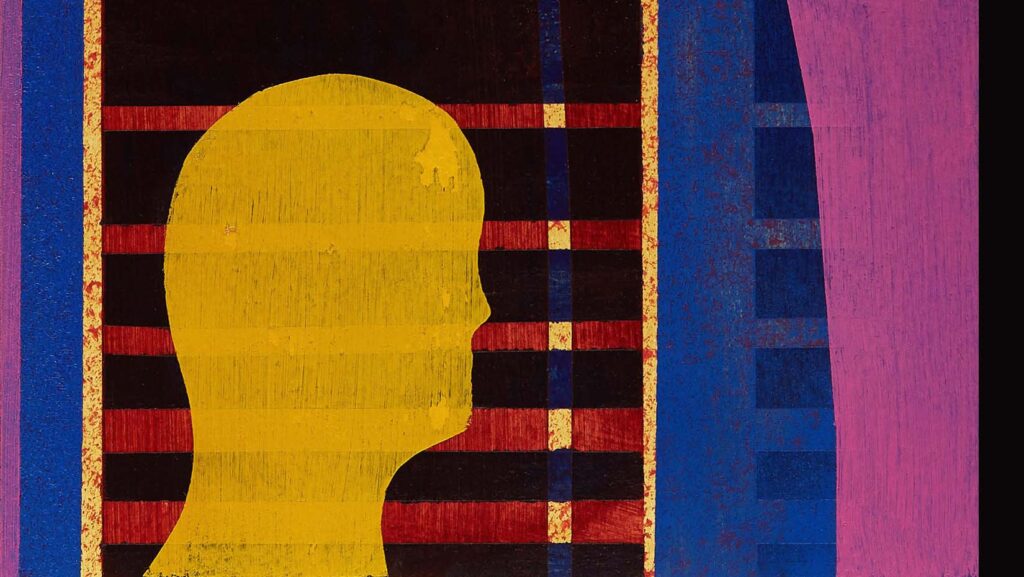
Writing Workshop: A Year on the Abyss of Genocide
Mahmoud Alshaer
For this workshop, Writer and poet Mahmoud Alshaer invites people to share in his compositional method: a daily practice in which he asks what it means to write under different temporal regimes—the present, during the genocide, and during the occupation.
Routes of Black Theatre in Brazil
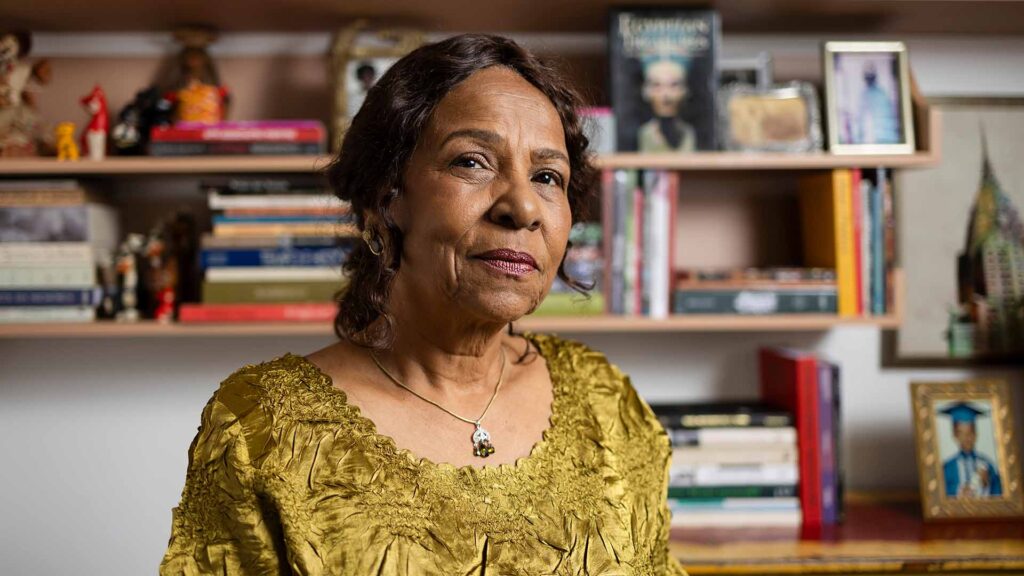
Leda Maria Martins Adura Onashile
A rare conversation with Leda, who is the leading philosopher of Black Theatre in Brazil, exploring the specificities of its aesthetic, theoretical, and poetic intersections, and connection with African cultures, rituals, and philosophies.
Pedagogy and Liberation in Times of Proscription
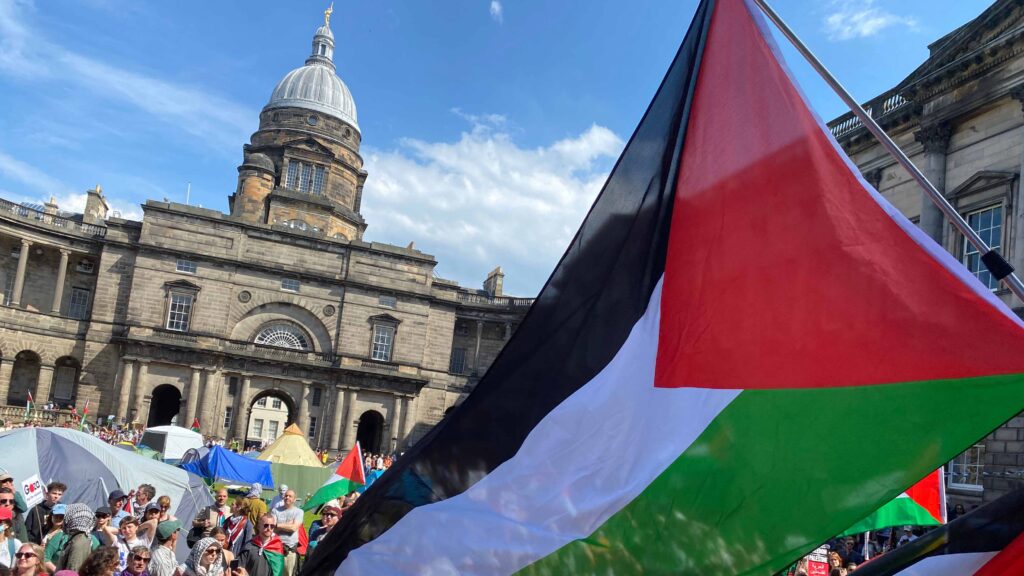
Joel White layla-roxanne hill Darcy Leigh Masa Nazzal Hajar Ibrahim David Kenvyn Rosie Thompson Paula Larkin
Join local community organisers and activists in Glasgow to think about how we build and share knowledge of state power–including proscription, police violence, elite capture, and legislative attack–while avoiding surveillance.
Freely Frayed: A Performance
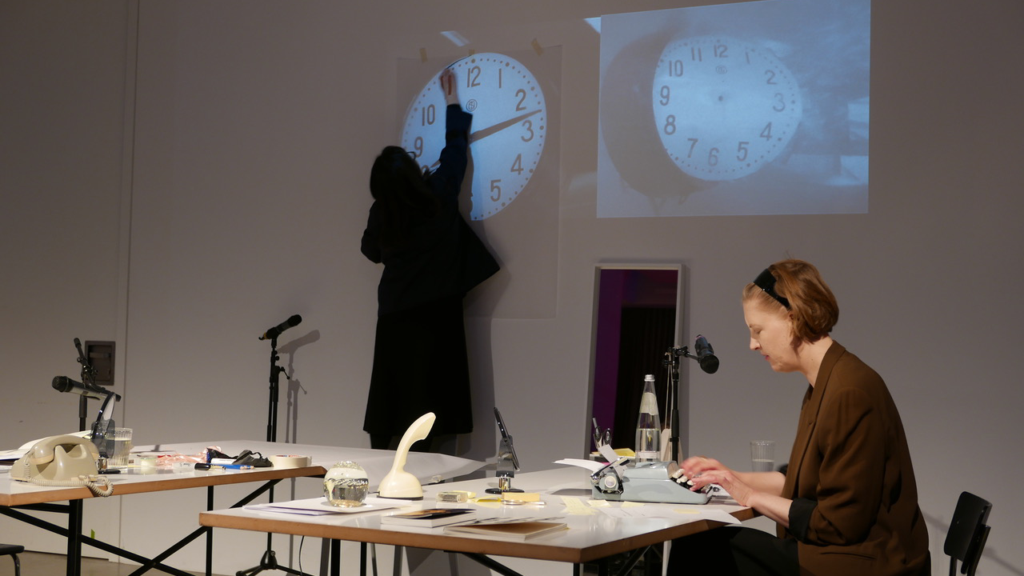
Don Mee Choi
A performance by one of the most influential anti-colonial poets and translators internationally: a refusal to be legible that demands to be read, a translation of the unspeakable that must be heard.
Undefeated Dreams of Communism in the Indian Ocean
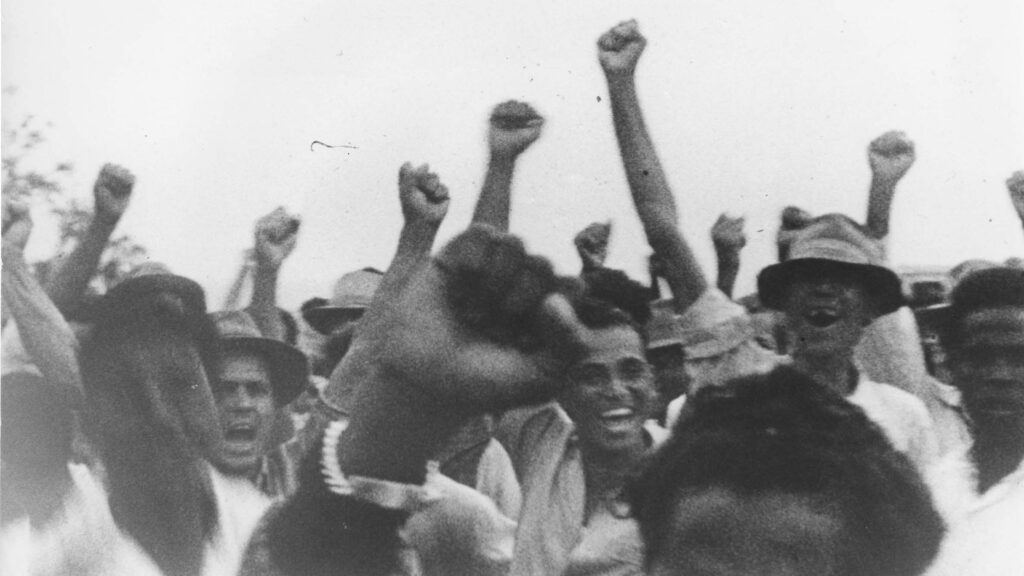
Françoise Vergès Lara Sheehi
An evening with one of the great decolonial feminist thinkers, sharing rarely seen films commissioned by her father, as leader of the Communist Party of Réunion, that celebrate the island’s insurgent anti-colonial resistance.
Timeback
Amilcar Packer
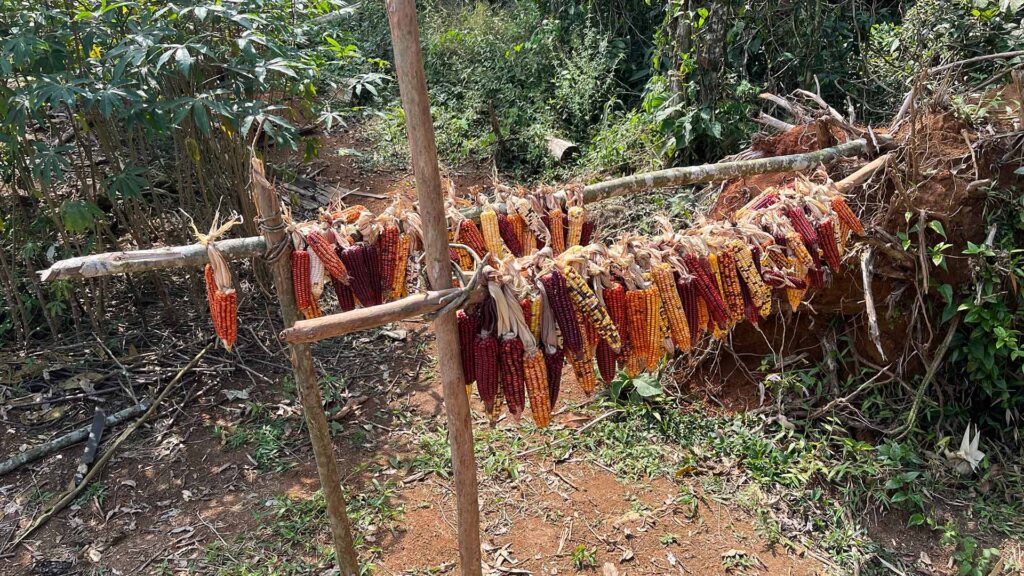
Conversation and launch of a publication and interview with Brazilian Indigenous activist and thinker Jerá Guarani, whose community at Kalipety near São Paulo extends the practice of ‘land back’ to also reclaim anti-colonial time.
It wasn’t history but memory
Harry Josephine Giles Ailean Dòmhnallach Babs Nicgriogair Meg Bateman
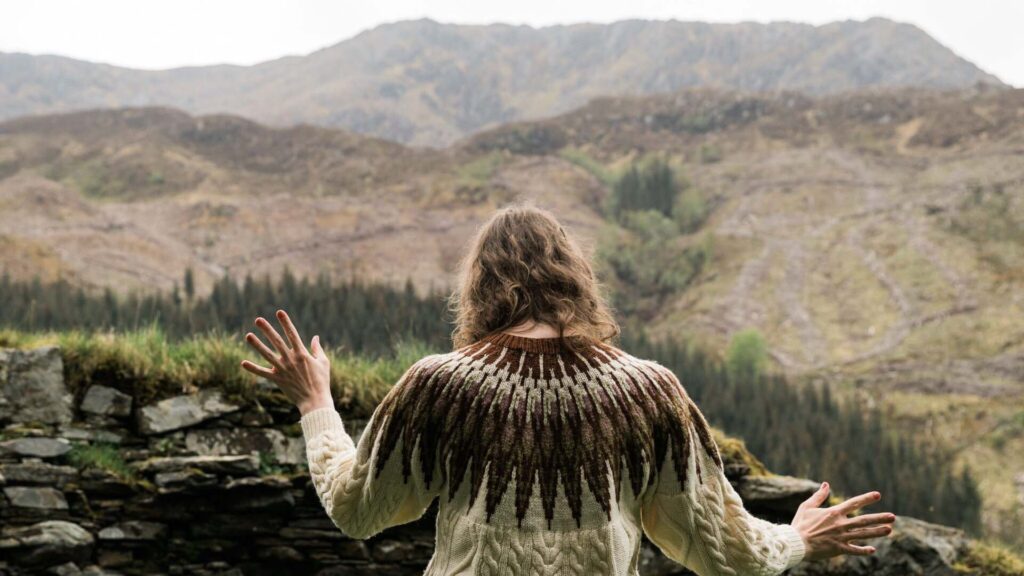
A conversation weaving together music, poetry and discussion which asks what decolonisation means in the Gàidhealtachd and how we can hold the complexity of Scotland’s role in empire?
Against Innocence
Houria Bouteldja Ramón Grosfoguel Françoise Vergès
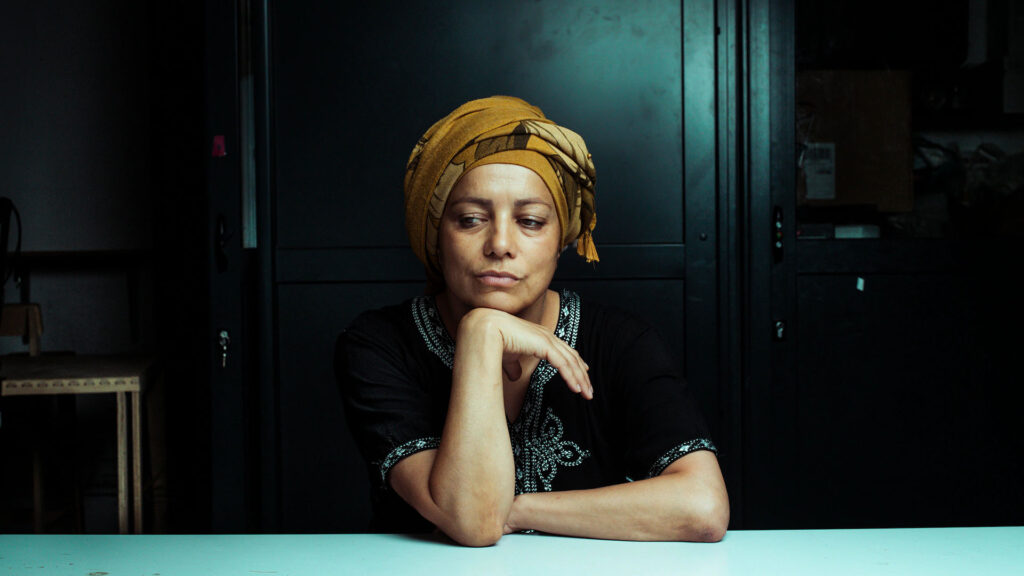
How has the idea of innocence been weaponised to conceal the crimes of colonisation? Three leading anti-colonial thinkers will explore its history and examine how it continues to facilitate colonial systems today.
The Curved Time of Memory
Leda Maria Martins Pelumi Odubanjo
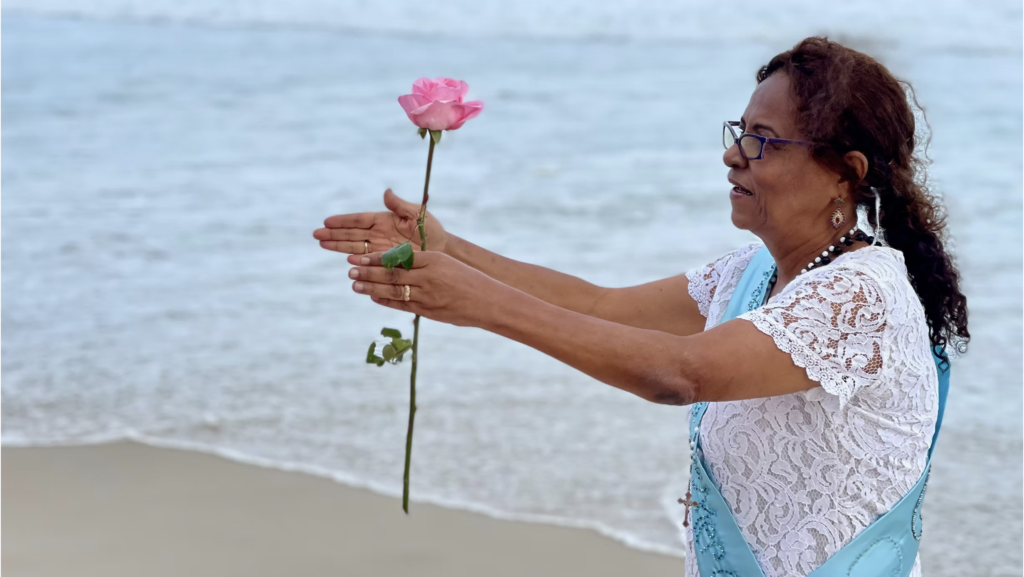
Centring performance within a host of concepts crystallised from Black worldmaking and religious frameworks, Leda Maria Martins is one of the most influential thinkers of Afro-Brazilian experience today.
I Am Still Alive
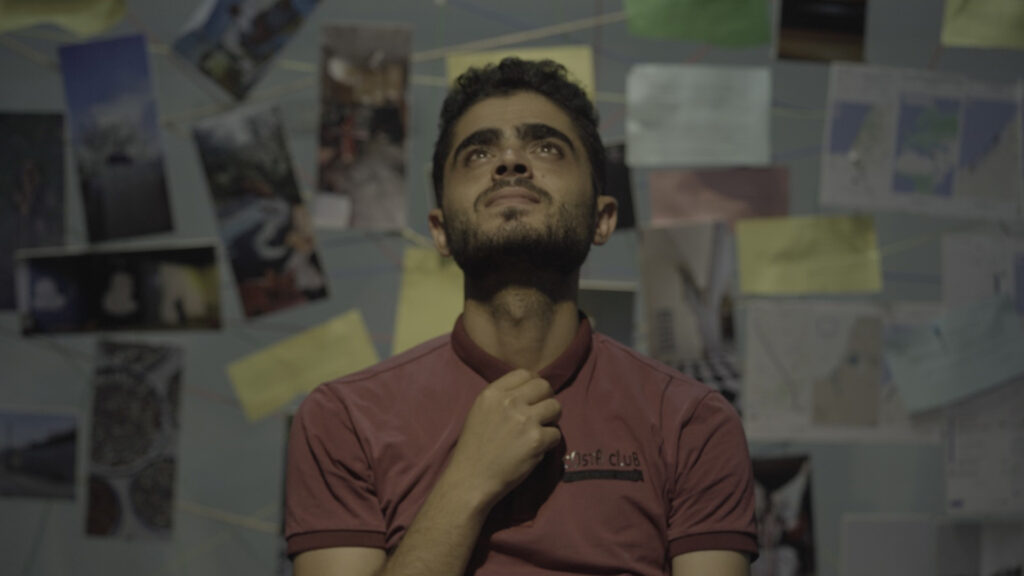
Mahmoud Alshaer
A poetry reading by Mahmoud Alshaer, a central figure in Gaza’s cultural life and author of I Am Still Alive: Dispatches from Gaza. His poetry serves as a vital affirmation of presence and testimony of everyday life in Gaza in a time of genocide.
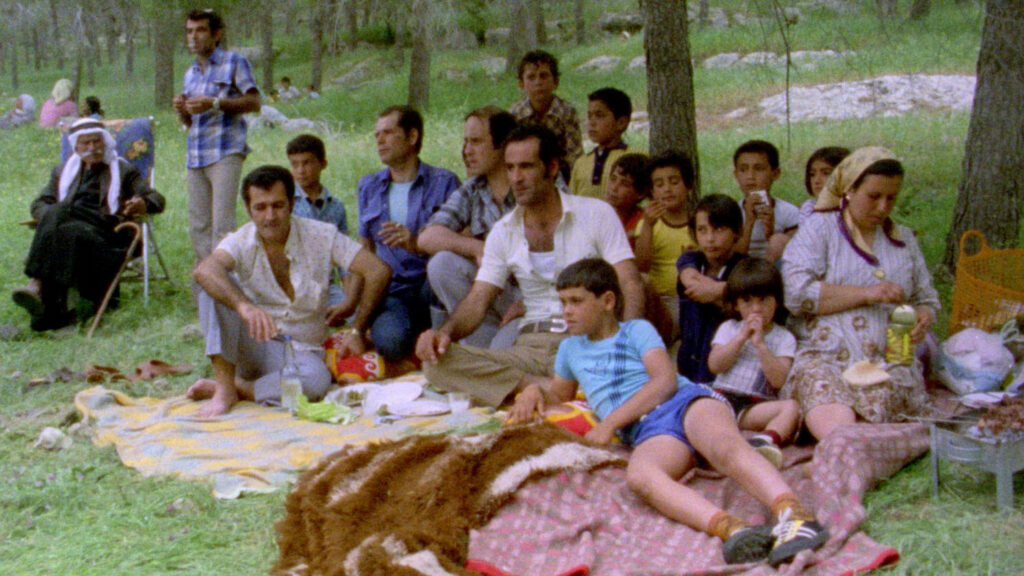
Toward a Sumudic Cinema
Michel Khleifi Ayreen Anastas Rene Gabri
Michel will screen his landmark documentary of anti-colonial time and persistence, Ma’loul Celebrates its Destruction, clips from some other films, and discuss them with Rene and Ayreen as examples of Sumudic Cinema.
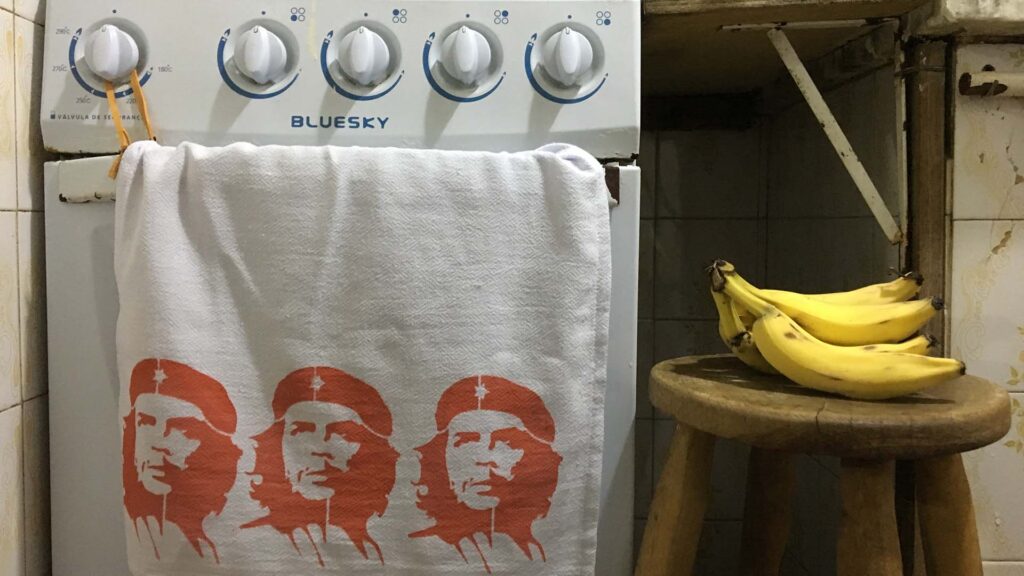
Che Guevara on a dishcloth
Jardim Miriam Arte Clube (JAMAC) Amilcar Packer
A book launch and conversation with JAMAC: an insurgent art project in São Paulo who visually embed stories into drawn patterns used towards processes of community self-determination. They have done the set design for Episode 12.
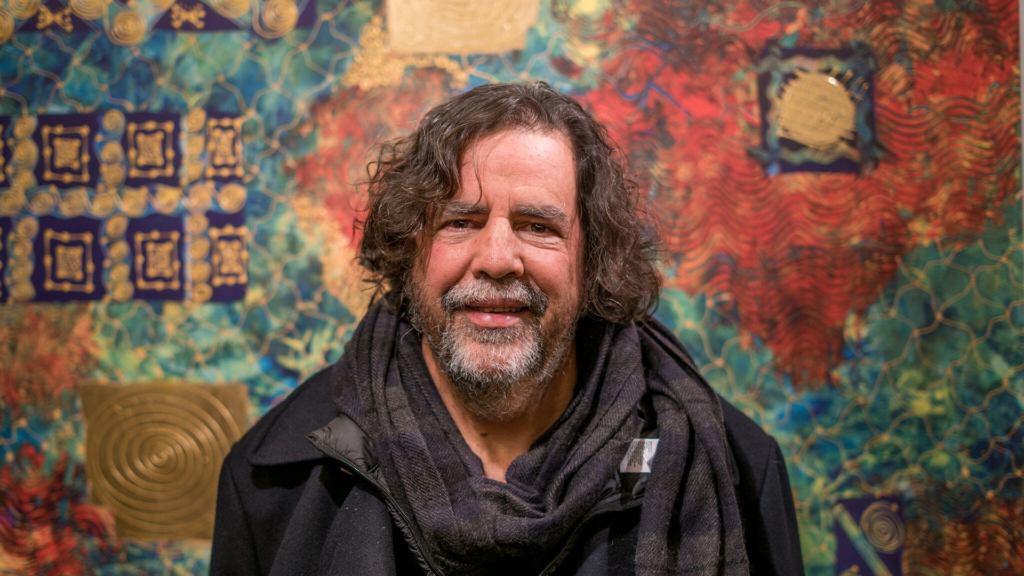
Decolonising Time
Ramón Grosfoguel
Join world-renowned Puerto Rican decolonial thinker and activist as he unpicks the Eurocentric lie of linear time, and shares anti-colonial temporalities that arise out of, and in light of the life ways, suffering, dignity, and creative drive of oppressed communities around the world.
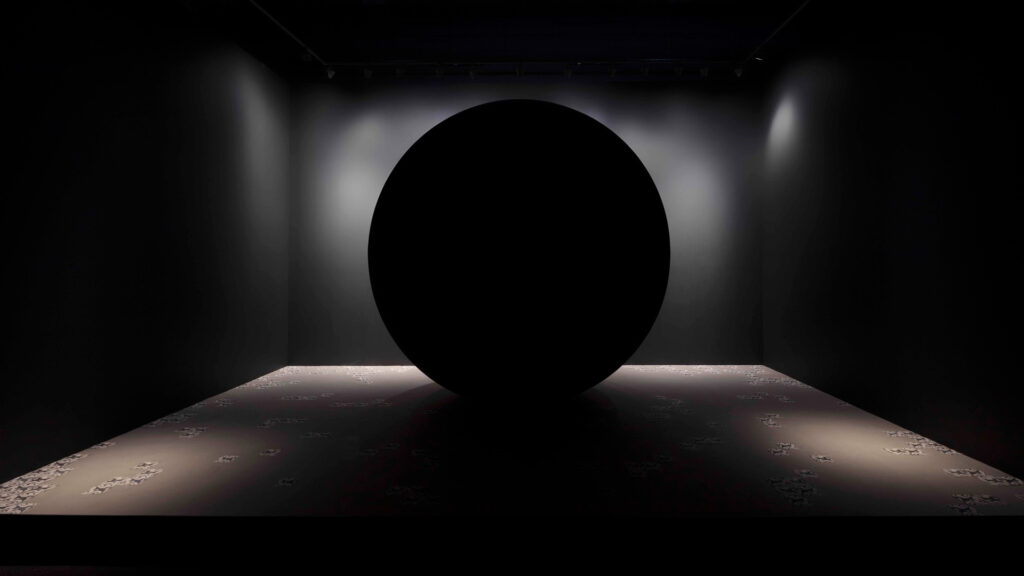
Time as an Object of Struggle in Palestinian Anticolonialism
Nasser Abourahme Peter Makhlouf
How do Palestinians rethink the cosmologies of time within which they organise their struggle—and the clock counting down on Israel’s endgame.
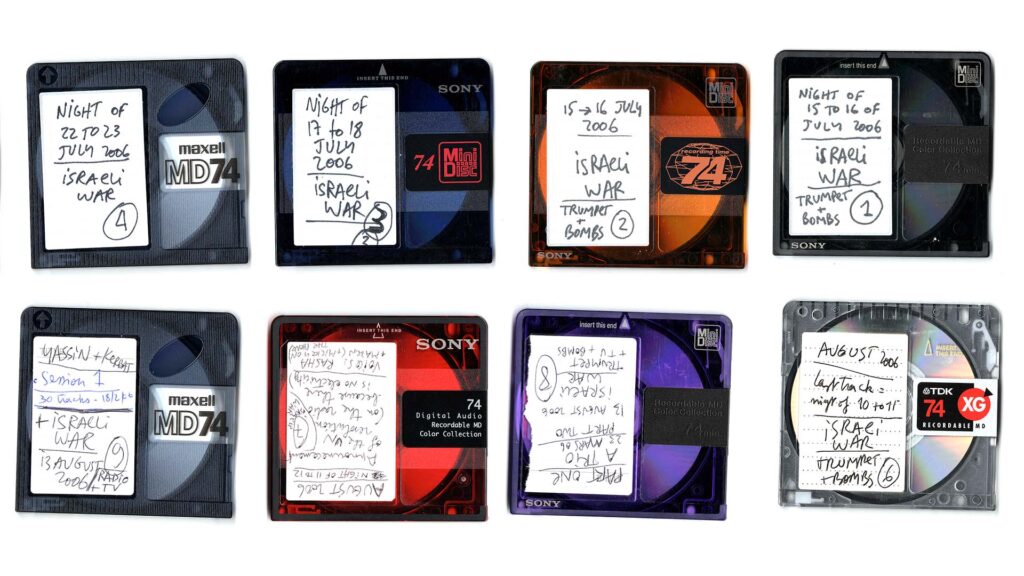
Before the War, It Was the War; After the War, It Is Still the War
Mazen Kerbaj
An electro-acoustic performance composition for trumpet and field recordings of bombardment, sirens, TV clips, phone calls and the social geography of Beirut during the 2006 war, re-membered amidst the unchanging same of settler colonial violence 20 years later.
Against the Grain of Empty Time
Ejrad
Collective listening as a political action. Ejrad will present sonic counter-narratives from the Edinburgh student encampment which mobilise the transformative power of listening as a bridge towards solidarity, action, and change.
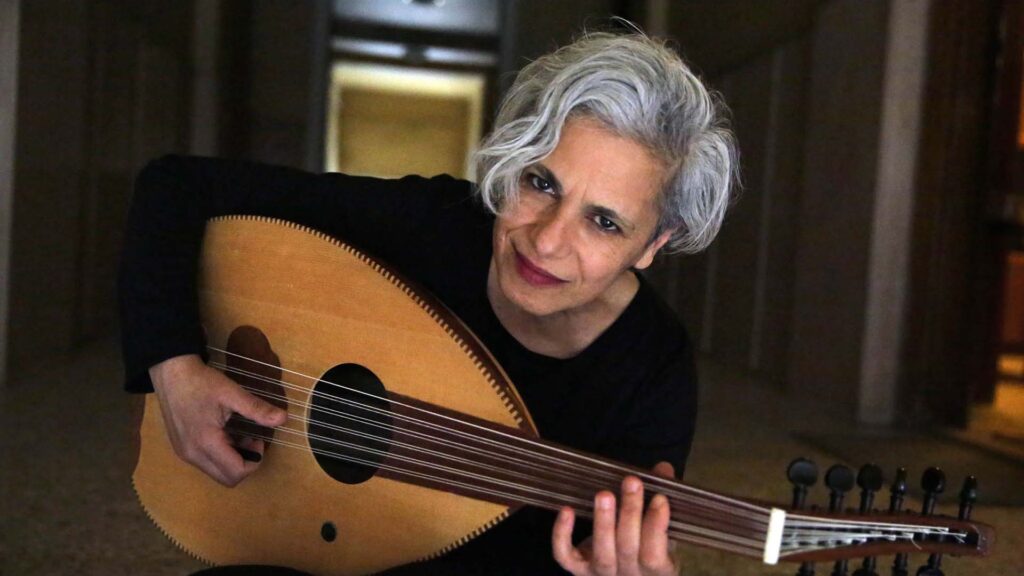
your tears are ours
Kamilya Jubran
Revolutionary songs of Arab resistance, for voice and oud, by one of the most revered figures in the experimental and alternative Arabic music scenes of the last 40 years.
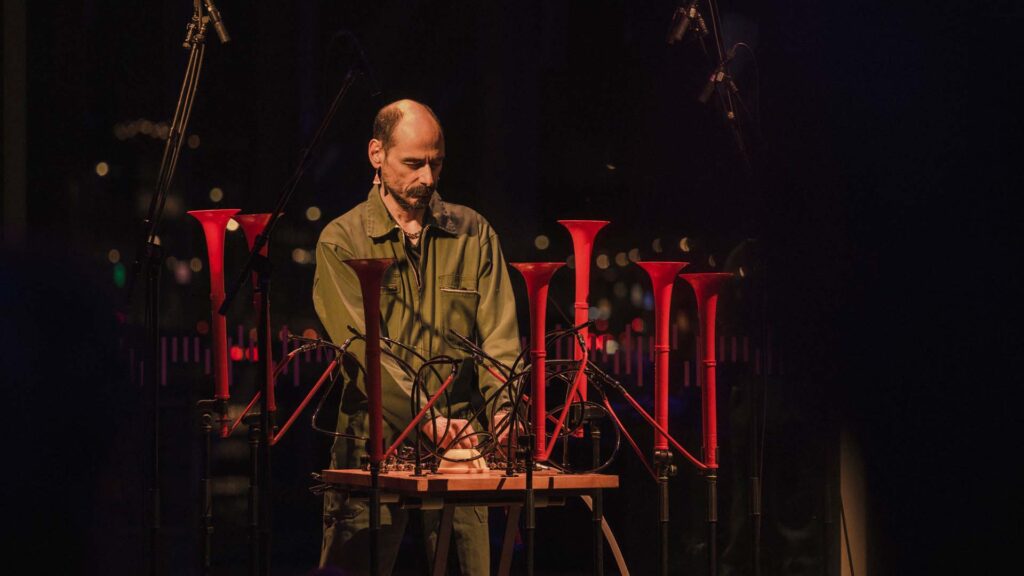
Lungless: without lungs, or the impossibility of breathing
Mazen Kerbaj
Where eliminatory violence denies the basic necessity of breathing, Lungless is a spatialised performance for the specially built “Putin’s Organ”—7 trumpets powered by an air compressor—giving voice to a trumpet without breath.
Credits
Thank You
Major parts of the Episode have been organised, and emerged from ongoing conversations with Amilcar Packer, Ayreen Anastas and Rene Gabri, Panel and Counterflows.
Thanks also to Lesley, Jill, Paul, Nadia, Yvonne, Adam and everyone at Tramway; our designer Marcus Alasovic, and our web developer Lizzie Malcolm at Rectangle; Henry Irvy at Beniba Centre for Slavery Studies at Glasgow University, at GSA—Nat Raha and Neil Clements at FACS, and Eilidh at Race Rights and Sovereignty. Fernanda, Marilia and Andreolli at Teatro Oficina. Emily Moor and Sam Salem أسامة سالم at Another Sky Festival. Denise Ferreira da Silva and Valentina Desideri, Harry Harootunian, Nasser Abourahme, nxa Parinussa and Amirah Silmi.
We are thankful for the precious space and time given by Instituto Casa Líquida, by hosting us during our time in São Paulo. Thank you to Julia Feldens and everyone else there.
And a big thanks to Andrew Howell for doing the Captioning and Yvonne Waddell for organising the BSL. And to Soul Food Sisters for catering and Aye-Aye Books.
On Episode 12 Arika is:
Siobhan Carroll, Barry Esson, Jim Hutchison, Nosheen Khwaja, Emma Macleod, Erin Maguire, Bryony McIntyre, Cloudberry MacLean, Katy Walsh, Iain McCormack, Rachael Simpson.
Produced by
Arika
Supported by
Creative Scotland
Paul Hamlyn Foundation
Tramway
Glasgow Life
Consulate General of Brazil – Edinburgh
Instituto Casa Líquida
In Collaboration with
Counterflows
Panel
Take Me Somewhere
Beniba Centre for Slavery Studies
Glasgow School of Art
Ciné-Archives, audiovisual archive of the French Communist Party
Collections La Cinémathèque de Toulouse
Rumpus Room



Access
LIVE STREAM
We will be Live Steaming selected events. Watch them on the Episode 12 main page. Check each Event’s page, or visit the Schedule (and filter for ‘Live Stream’) to see which events will be Live Streamed.
VENUE
Tramway is on Albert Drive in the Southside of Glasgow, next to Pollockshields East train station. Tramway has step free access to their public and performance spaces and automatic double-width main doors. Their upper floor, is accessible by an elevator. For more access details about Tramway please visit www.bit.ly/TramwayAccess and https://www.tramway.org/access/
BATHROOMS
Tramway has two gender-neutral single-occupant wheelchair accessible facilities available in the main foyer and one in their quieter upper foyer. In addition, they have two sets of gender-neutral toilets in the main foyer, and two sets of gender-specific toilet facilities in the upper foyer.
QUIET SPACE
There will be an Episode Quiet Space in the Tramway Studio which will have a range of comfortable seating, low light levels, stim materials, lego, ear defenders and ear plugs, and a selection of reading and drawing materials. This is a space for anyone who needs to chill out a bit, relax and take time out from the events and the bustle. It’s designed around the needs of autistic people, but everyone is welcome.
Open during the following times:
Thurs: 18:00 – 22:00
Fri: 16:30 – 22:00
Sat: 13:00 – 22:00
Sun: 13:00 – 22:00
COVID & INFECTION MITIGATION
Masks & Testing
Wearing face masks is encouraged, but not mandatory. There will be masks available. We encourage people to test themselves in advance and not to attend if feeling unwell. You can always watch from home on our selected Live Stream.
Socially Distanced Seating
Tramway 1 will have a distinct socially distanced seating area.
Ventilation/ Filtration
Tramway 4 will be ventilated by opening doors to the outside between events, there will be 2 HEPA filters in the space throughout.
The Studio will be ventilated by opening window vents between events.
Tramway 1 is too large a volume for temporary HEPA filtered air conditioning to impact. We decided socially distanced seating was more effective.
BRITISH SIGN LANGUAGE (BSL)
A selection of events at Episode 12 will have British Sign Language (BSL) Interpretation.
BSL will be provided for events on Thurs eve from 7pm, Fri eve from 7pm & Sat eve from 5pm. If you would like interpretation for a specific event please email info@arika.org.uk while we work this out.
A quick way to find out which events have BSL interpretation is to look at the Accessibility section of the schedule.
LIVE CAPTIONING
All events that feature people speaking live on stage will have Live Captioning; a verbatim transcription of dialogue into text as it is spoken live. In-person, the text will appear on a screen beside or behind the speaker. The captioner for Episode 12 is Andrew Howells.
A quick way to find out which events have Live Captioning is to look at the Accessibility section of the Schedule.
SUBTITLES
All films that are screening will have English subtitles.
TRANSLATION
Some of our guests at Episode 12 don’t speak English, as their first language, or at all. For their events, where appropriate, translators and/or other artists on stage will translate what they say into English, in various ways, depending on what works best for them or the event.
A quick way to find out which events have Translation is to look at the Accessibility section of the schedule.
EAR PROTECTION
We don’t expect many events to feature high volume. For the music performances on Sunday evening, Ear Plugs will be available on the door. A number of Ear Defenders will also be available, first come first served on the door.
CONTENT NOTES
Please see individual event pages for event specific content notes. In general, the Episode will involve improvised conversations and events whose content cannot totally be predicted: there could be topics or images that come up that some might find upsetting. Given the subject of the Episode, many events will address resistance to but also lived experience of violence, trauma and bodily and psychological harm; situations discussed across events may include genocide, ethnic cleansing, torture, war crimes, racialised, gender based or religious violence.
ACTIVE LISTENER
We will have an Active Listener present at all the events happening in Tramway. They will attend and observe, identifying themselves at the start. If required, the Active Listener can offer support to those who might need it either during or after the event. This might be to listen and hear what someone wants to share about their experience at the event, to offer brief emotional support if they have been particularly triggered at an event. Personal matters shared with the Active Listeners will be held in confidence.
One of the Active Listeners is also a professional massage therapist. As part of supporting you she can massage hands and/or shoulders if you would prefer that. Emotions are felt in the body. Sometimes it’s easier to not use words and allow yourself to release what is being held. Nosheen has her own practice as Five Rivers Massage and runs Glasgow treatment Rooms. She is fully insured and a member of the Federation of Holistic Therapists.
AGE RATINGS
If you would like to attend with someone under 16, you should decide whether an event is suitable for a young person in your care.
Some notes to help you decide
- All conversations and performances are improvised, and can’t be predicted in advance.
- None of the films have a BBFC rating. We would consider them 16+
- Music performances will be loud, and could have intense lighting.
- Each event page gives a good idea of the subjects being addressed. In general these could include structural violence, oppression (racism, ableism, sexism, transphobia, islamophobia…), and war. Speakers or artists might refer to personal experience of violence, and have not been asked to filter their comments for any particular age range.
- Children are welcome during all hours at the Tramway, and in the Tramway Cafe Bar until 10pm, but not beyond then, as the Cafe Bar area is a licensed premise.
- Tramway offers free Babes in Arms tickets for children under 1 who will sit on their parents/guardian’s lap.
We are happy to discuss any questions you have, via email, to help you decide what is best for you; email us on info@arika.org.uk
SAFER SPACES STATEMENT
We have a Safer Spaces Statement that covers all the events at the Episode, we ask that all attenders read this in advance. It will also be posted up at Tramway and available at the Tramway Box Office and online soon.
OTHER ACCESS REQUESTS
If there is anything else that we might be able to support with to make your attendance at the Episode more possible, please send us an email us in advance to info@arika.org.uk
Tickets
Daytime Events
Free • First come, first served
No booking required
In Tramway Studio or Tramway 4.
Evening Pass
Also bookable in person at Tramway or on 0141 276 0950. Fees: £1.50 online, £1.75 by phone.
Choose the price that fits your circumstances; paying helps support the artists.
Events Requiring Reservation
Free • Reservation Required