I Am Still Alive
I Am Still Alive
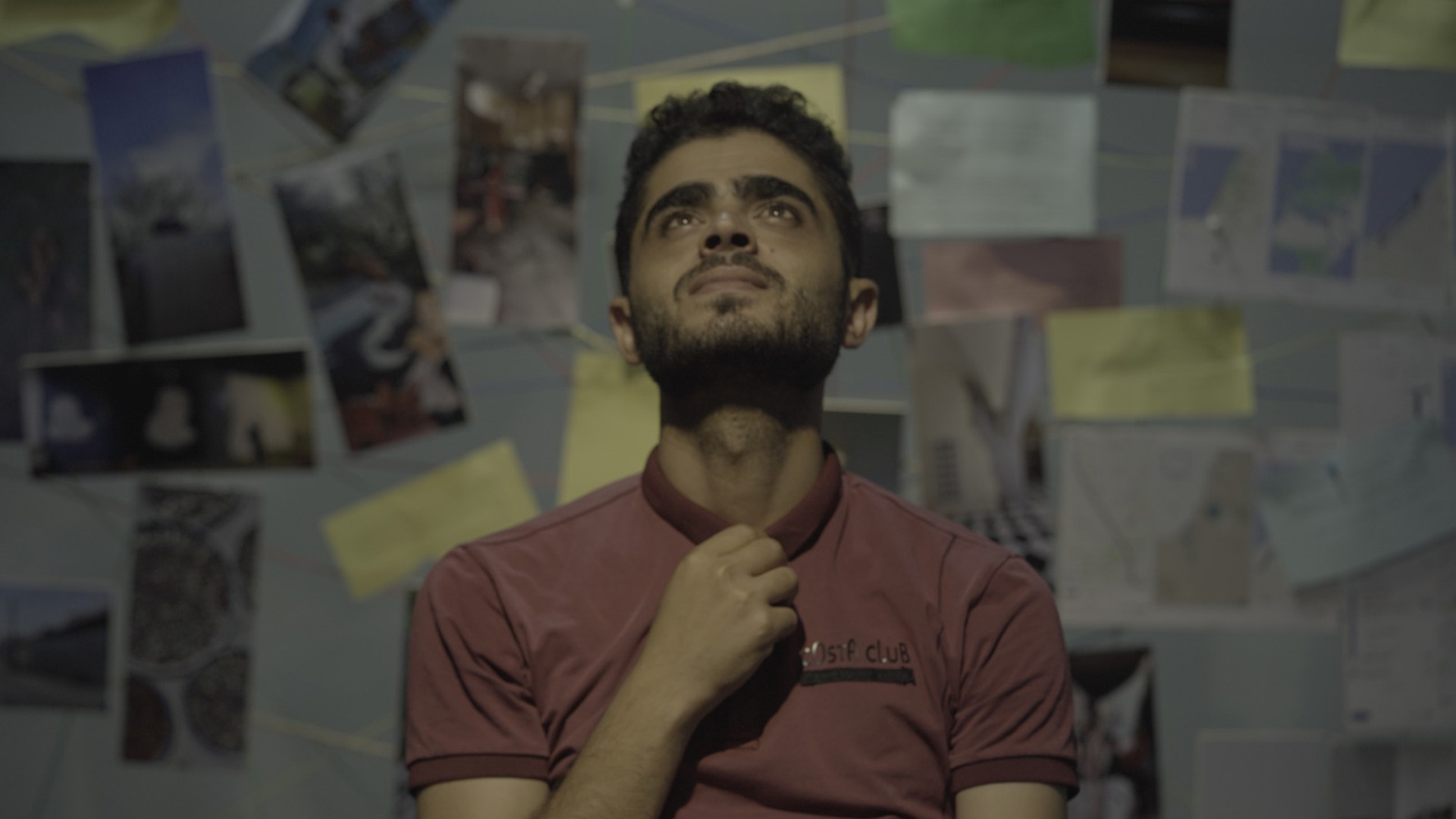
Mahmoud is a central figure in cultural life in Gaza. He ran Gallery 28 in Rafah before it was destroyed by Israel and ran its sister publication 28 Magazine; programmed at Al Ghussein Cultural House in Gaza City; and hosted and co-ordinated PalFest’s Gazan reading events. He’ll read his poetry from I Am Still Alive: Dispatches from Gaza—a daybook he updated through the most recent phase of the genocide, and a vital affirmation of presence and testimony of everyday life in Gaza in a time of eliminatory violence.
Overview
This is not trauma porn. This is not something to be consumed by western audiences and forgotten, or used as a virtue signal to demonstrate to our followers that we’re on the right side of history. This work is not charity or philanthropy. This work is not an invitation to the allyship. And while readers will learn something about what it is like to live against a modern day genocide in Gaza, we will mostly learn about ourselves and our responsibilities in our present moment.
—Leanne Betasamosake Simpson, Introduction to A Year on the Abyss of Genocide by Mahmoud Alshaer
At the outset of Isreal’s war on Gaza, Palestinian poet, editor, and curator Mahmoud Alshaer started a GoFundMe campaign, which he regularly updated with prose and poetry, documenting a form of first-person testimony of everyday life in Gaza in a time of genocide. Navigating self-reflection and public appeal for survival, those updates were later published as two books—A Year on the Abyss of Genocide, and I Am Still Alive. During that time, Mahmoud also took part online in Rene Gabri and Ayreen Anastas’s performance FOR EVER GAZA at Episode 11. Mahmoud is now living in Paris, as one of his children receives medical care, while his other child receives care in Istanbul. [UK border regime permitting], we’re really excited to be able to invite Mahmoud to Glasgow in person.
The books are works of dignity and intense introspection, and his poetic prose defies the spectacle of suffering, focusing on deep psychological states as he vacillates between despair, numbness, and hope. In the face of destruction, they speak a vital affirmation of presence. Mahmoud will read from those books at the Episode, as well as run a writing workshop exploring what it means to write under different temporal regimes—the present, during the genocide, and during the occupation. You can find out more about the workshop, and sign up to attend HERE
Context
Writing about his family’s history in the Armenian Genocide, Harry Harootunian talks about the ethical anti-colonial imperative to find modes of communicating that counter the dominant, event-based ideas of history; which relies on so-called evidence to construct grand national narratives that often erase the experiences of ordinary victims and eradicate the everyday lived by those targeted for elimination. This requires a mingling between imposed historical time and the lived experiences of multiple coterminous everydays; a space Frantz Fanon named the “zone of occult instability”. Mahmoud’s writing is a profound, richly moving example of what it means to communicate from such a zone—inhabiting the competing ideas of space and time; that imposed by structural genocidal violence, and the lived everyday of survival and resistance.
While every writer I know and respect struggled to write and breathe through 2024, Mahmoud was living in Gaza, working, providing and writing… In November 2024, Mahmoud livestreamed into Ayreen Anastas and Rene Gabri’s film performance, “For Ever Gaza” at Akira’s Episode 11, taking place in The Tramway in Glasgow, Scotland. I was in the audience that night, and I was surprised, relieved, and grateful for the time Mahmoud spent with me and the Scottish audience.
—Leanne Betasamosake Simpson – Introduction to A Year on the Abyss of Genocide
Content Notes
Mahmoud’s poetry portrays him and his families experience of living through a genocide under structural state violence. It contains descriptions of violence and suffering.
ReadBios
Mahmoud M Alshaer is a writer, poet, and editor-in-chief of 28 Magazine as well as founder and head curator of 28 Gallery in Rafah, Palestine. Alshaer coordinated cultural projects in collaboration with visual artists and writers for the publishing house Khuta, for Al-Ghussein House in Gaza City (where he was cultural program coordinator), for Rosa-Luxemburg-Foundation Palestine, and for Goethe-Institut Ramallah. He was co-curator of the New Alphabet School at Haus der Kulturen der Welt, Berlin (2019–22) where he also co-edited (with Olga Schubert, Gigi Argyropoulou, an Rahul Gudipudi) edition #22 of DNA, the HKW’s publication series released adjacent to the program. He contributed to the 12th Berlin Biennial (2023) and was also part of two exhibitions by the Quattan Foundation in Ramallah (Instant Modernism, 2023 and The Valley Trail, 2021). From the beginning of the ongoing war in Gaza, he has been working at the field hospital of the International Medical Corps (IMC) in Al-Mawasi, Khan Younis. He currently lives in Paris, where one of his children received specialist medical treatment.
Access
BSL
Live Captions
Live Stream
Content Notes
Mahmoud’s poetry portrays him and his families experience of living through a genocide under structural state violence. It contains descriptions of violence and suffering.
See general Access information for Episode 12: From the Rivers to the Seas event
Artists