Countertechnologies of life making in Palestine, for Palestine
Countertechnologies of life making in Palestine, for Palestine
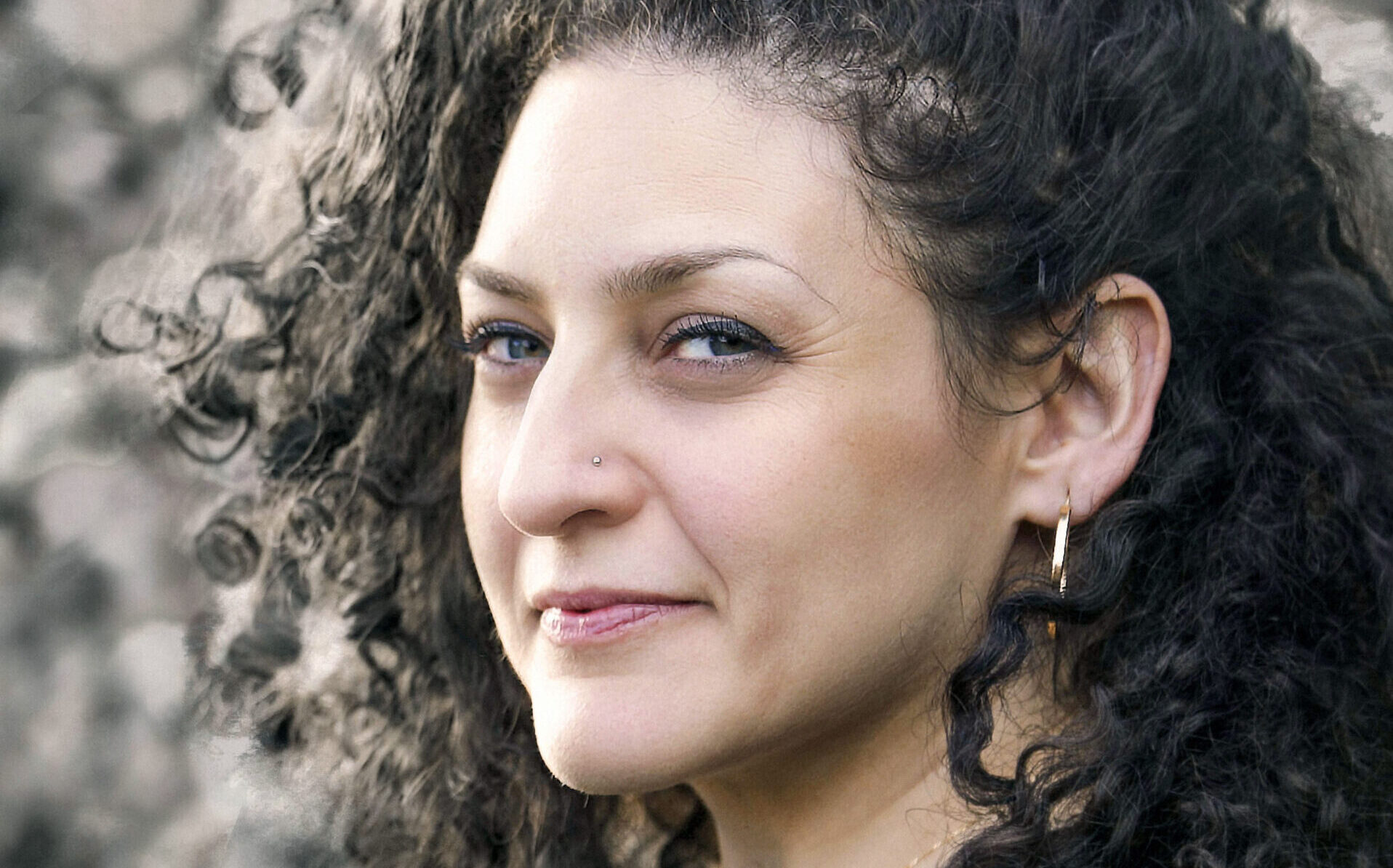
Our second event focused on the work of the preeminent Palestinian Feminist scholar Nadera Shalhoub-Kervorkian. Here, she sits down with psychoanalyst and author Lara Sheehi to discuss some of Nadera’s other vital concepts including the ideas of ‘overkilling’ and ‘unchilding’, which are fundamental to understanding Palestinian experience today.
Overview
Nadera has been a guest on Lara’s vital podcast Psychic Militancy, and their episode together—Countertechnologies of life making in Palestine, for Palestine—is an hour and a half of conversational, grounded, passionate revolutionary conviviality, which helped us understand Nadera’s thinking in more nuanced ways. We’ve invited Nadera and Lara to continue this conversation and specifically to share and expand on the ideas of unchilding and overkilling, the direct experience they are rooted in, and how they help to name and resist Israeli state violence.
Context
Nadera’s thinking around overkill helps us to understand the settler-colonial strategy of normalising continuous, routine/ systematised death to fragment Palestinian life and prevent social and societal regeneration.
As Nadera explains:
As a colonial technology, overkill operates through the systematic evisceration of the colonized sociopolitical body—its cohesion, interdependence, and capacity for regeneration. It subjects populations to continuous and routinized death, rendering human life, family, and community continuity not sacred but instrumental. Death itself becomes capital—extracted, weaponized, and circulated as both power and commodity… speaking about the settler colonial regime of overkill centres the unending dispossession and slaughter of the starved, maimed, wounded, displaced, almost dead, and dead as an enfleshed state criminality.
Condensing children’s own thinking, drawn from letters or conversations on the walk to school, Nadera’s framework of unchilding shows how, in their own ways, Palestinian children already understand complex political ideas like Denise Ferreira da Silva’s writing about what it means to be no-body. In the hands of the state, childhood is capital, and unchilding is the deliberate process of turning children into nobodies. A form of violence designed to create, direct, govern, transform, and construct colonized children as dangerous, racialized others, enabling their eviction from the realm of childhood itself. Nadera shows how the emergence of the modern concept of childhood went hand-in-hand with the appearance of the nation-state, and manifested on the uneven lines of race, class, and gender. To counter this, her writing also highlights the ways in which children refuse to be overdetermined by such violence, using play as a form of life-making amidst the colonial grain of death.
Content Notes
This conversation will cover subjects including: state crimes, gender-based violence, surveillance, and the impacts of military occupation on Palestinian women and children, including death and dismemberment.
ReadBIOs
Nadera Shalhoub-Kevorkian is a Palestinian Jerusalemite feminist whose scholarship on the settler colonial state’s brutality, unchilding, securitized and sacralized politics, state crime, law and society, and global feminist politics, challenges epistemic violence. She is a Professor Extraordinarius- University of South Africa, the Global Chair in Law- Queen Mary University of London, and a visiting Professor- Princeton University. Author of numerous books among them Militarization and Violence Against Women in Conflict Zones in the Middle East: The Palestinian Case Study” (Cambridge University Press, 2010) Security Theology, Surveillance and the Politics of Fear (Cambridge University Press 2015); “Incarcerated Childhood and the Politics of Unchilding” (Cambridge University Press 2019); co-edited volumes Engaged Students in Conflict Zones, Community-engaged Courses in Israel as a Vehicle for Change (Palgrave Macmillan Press 2019); When Politics are Sacralized: Comparative Perspectives on Religious Claims and Nationalism (Cambridge University Press 2021); The Cunning of Gender Violence (Duke University Press 2023), and a co-edited volume with Stephen Sheehi entitled: Abolitionism, Settler Colonialism and State Crime, 2024.
And in Arabic:
البروفيسور نادرة شلهوب- كيفوركيان
ناشطة نسويّة نقدية وباحثة فلسطينيّة، تعلم حاليا في جامعة برينستون، وتعمل أستاذة كرسيّ في مجال القانون العالميّ في جامعة لندن QMUL، واستاذة استثنائية في جامعة جنوب أفريقيا. تتمحور أبحاثها في مواضيع متعدّدة في مجال علم النفس الاجتماعيّ التحرري، الخدمة الاجتماعية النقدية، ودراسات القانون والمجتمع، ودراسات المعاناة الإنسانيّة والصدمات المتراكمة في واقع الاستلاب، ودراسات علم الاجرام وجرائم الدولة، وعنف استخدام السلطة في السياقات الاستيطانيّة – الكولونياليّة تجاه المجتمع وبخاصة الأطفال والنساء. لها عدة كتب منها كتاب بعنوان “العسكرة والعنف ضدّ النساء في مناطق الصراع في الشرق الأوسط: دراسة الحالة الفلسطينيّة” (2009)،وكتابها بعنوان “ثيولوجيا الأمن، الرقابة وسياسة الخوف” (2014)، وكتاب “الطفولة المعتقلة، وسياسات نزع الطفولة” (2019) جميعها من منشورات جامعة كامبريدج، وكتاب بعنوان “في تحدي الاشلاء” سيصدر مع منشورات جامعة دوك. كما وكتبت خمسة كتب محررة بمشاركة باحثات/ين نسويات ونقديات، ومقالات علمية عديدة نشرت في مجلات اكاديمية محكمة عالميا.
ترآس د. نادرة حاليا عدة أبحاث محلية وعالمية ، كما وتدير مشروع الحاضنة الفكرية، وبرنامج الدراسات التحررية الفلسطينية والجنوبية من جنوب افريقيا، أمريكا اللاتينية، اسيا، ايرالندا وفلسطين. يتمركز تنظيرها في السنوات الأخيرة، بما فيها سنوات الإبادة على مركزية ومركزة الجسد والاماتة لفهم المقاومة، الاقتدار، والاحياء.
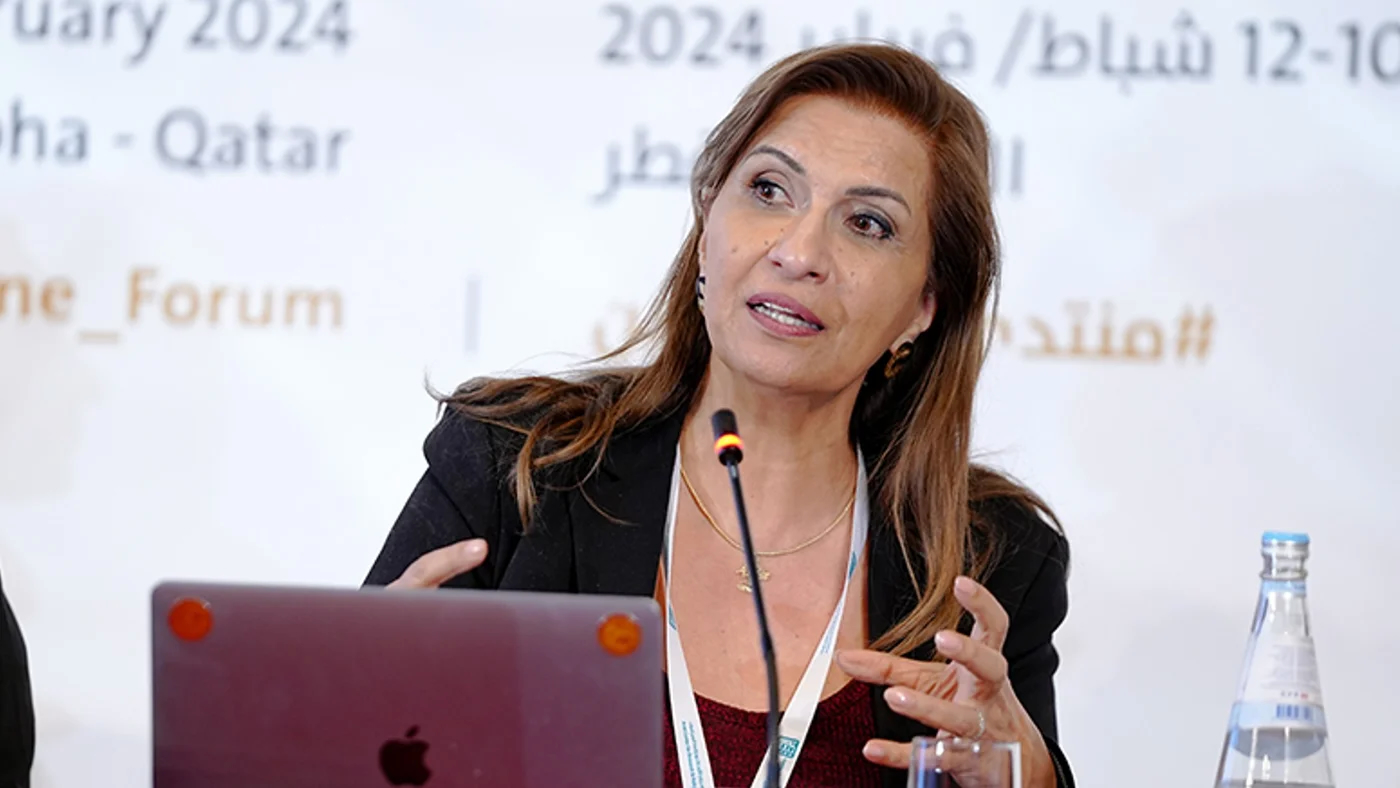
Lara Sheehi is a President’s Fellow at UC Davis, a licensed clinical psychologist, and the host of the Psychic Militancy podcast. Lara’s work focuses on psychoanalysis, the psychic refusals central to liberation struggles and life-making in the Global South, the psychic dimensions of resistance and revolution, and critical Zionism studies. She is the author of From the Clinic to the Streets: Psychoanalysis for Revolutionary Futures (Pluto, 2026) and co-author with Stephen Sheehi of Psychoanalysis Under Occupation: Practicing Resistance in Palestine (Routledge, 2022). Lara is a member of the founding collective for the Institute for the Critical Study of Zionism and is on the advisory board for Forensic Architecture.
Access
BSL
Live Captions
Live Stream
Content Notes
This conversation will cover subjects including: state crimes, gender-based violence, surveillance, and the impacts of military occupation on Palestinian women and children, including death and dismemberment.
See general Access information for Episode 12: From the Rivers to the Seas event