Bruce McClure
Bruce McClure
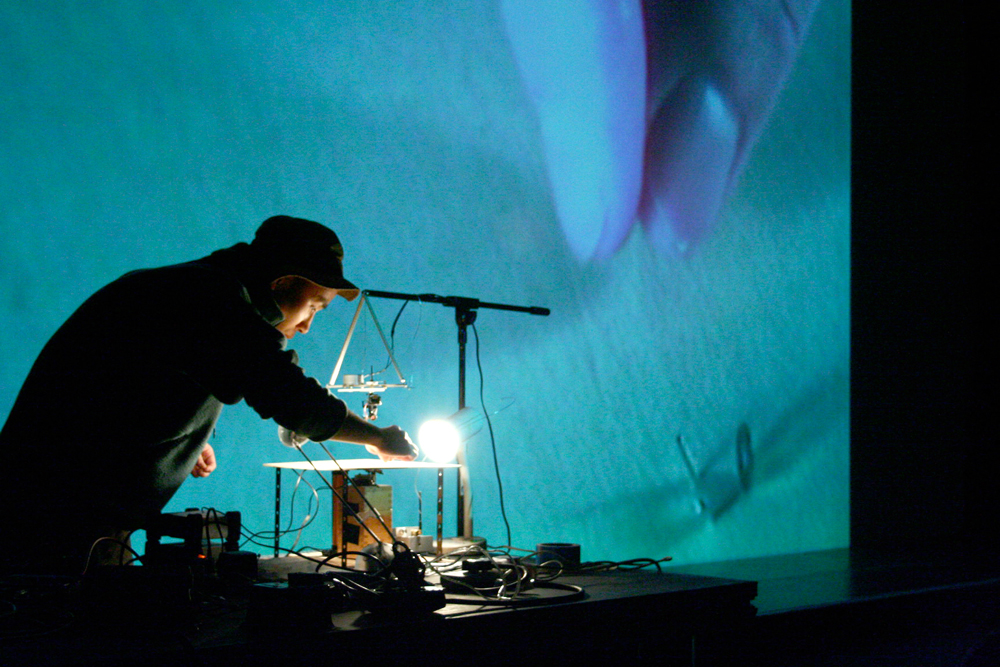
Noise music for the eyes: projectors turned into instruments, B&W film loops into a thrumming riot of colour, motion and sound.
Arika have been creating events since 2001. The Archive is space to share the documentation of our work, over 600 events from the past 20 years. Browse the archive by event, artists and collections, explore using theme pairs, or use the index for a comprehensive overview.
Noise music for the eyes: projectors turned into instruments, B&W film loops into a thrumming riot of colour, motion and sound.
Personal Spaces: inversion of a territorial bell, confusing the realms between rehearsal and performance, public and private space.
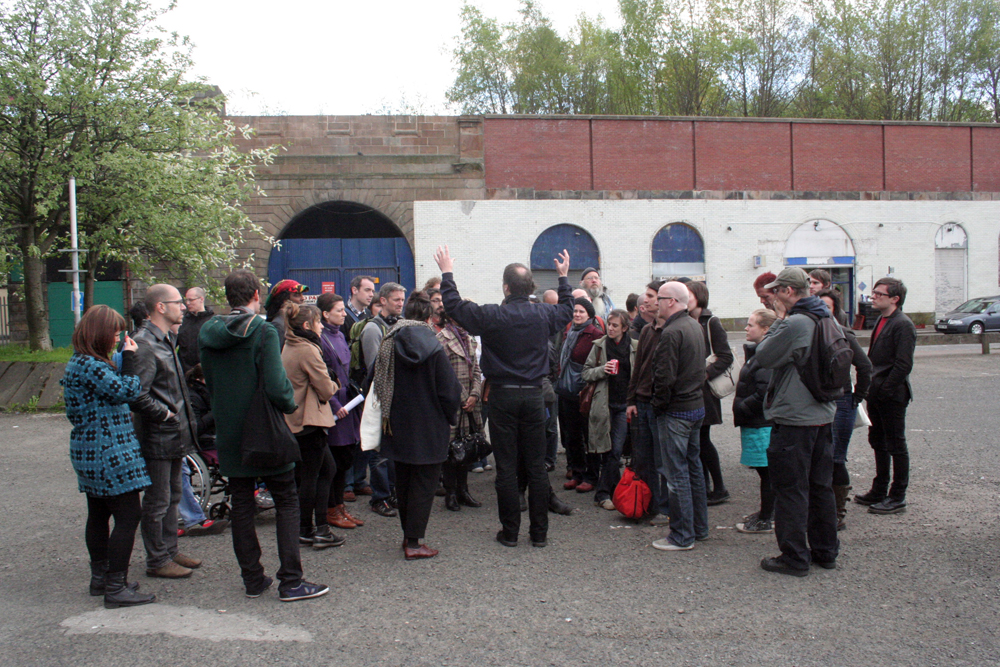
A public walk from George Square to the Barras market bringing contributions from researchers, activists and artists in a form of live critical praxis
Experience a sense of being in the world, in a specific space and time. Including Jeanne Liotta’s recordings of the ionosphere and Walter Ruttmann’s radical 35mm precursor to musique concrète.
Akio Suzuki and John Butcher performing in an abandoned oil tanker on Hoy.
A community of those without community, for a community to come. A schizo-scenic video-collage of the disturbing ‘normality’ of Moby Dick.
Investigating the border between the audible and the visible means looking at the margins, the edges of creativity where artists test out new boundaries and define them anew.
A talk entitled ‘The Conquest of the Universe’: which delves into the connections between the underground filmmakers and musicians in New York in the early 1960s
Kanta is a young Japanese artist with a home-made, short circuited take on electronics and physical phenomena which he uses in performance to produce close circuit systems of audio / video feedback.
Chip will read some of his great literary pornography, which pushes sexuality to the point of extremity and exhaustion.
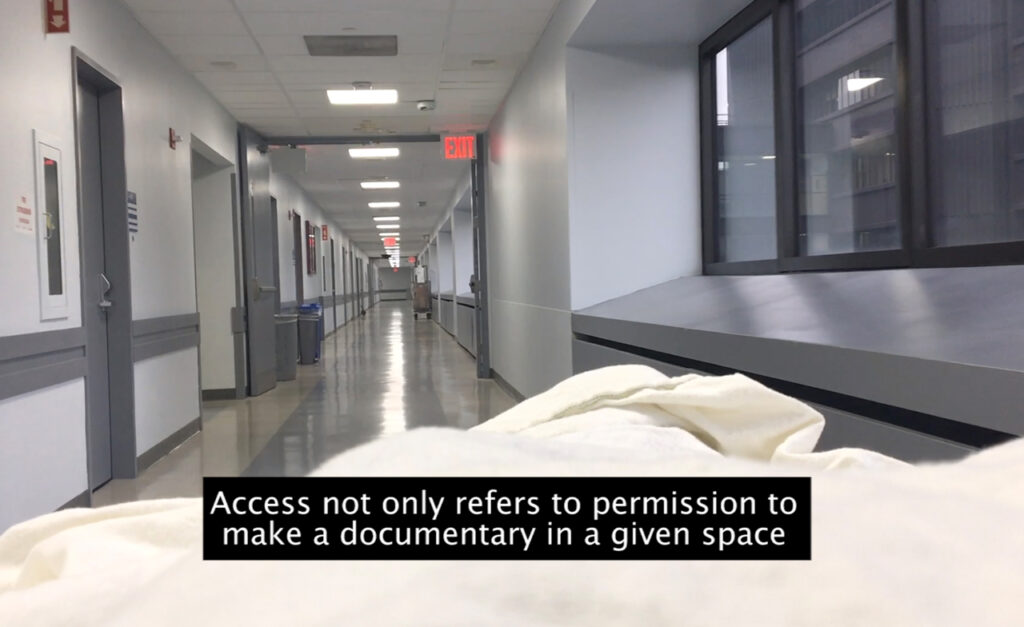
A fully transcribed, described, and open-captioned film screening that’s nothing short of their actual open heart.
The second in a series of workshops for workers and non-workers who care. What does the sharing of vulnerability entail? Can such a sharing inform progressive social relations?