All the Colours of the Dark, Except Black
Evan Calder Williams
A chat, with examples (Zola, H. P. Lovecraft, Hammer Horror), about blackness and the sheer stupid thickness of what has no profundity whatsoever.
Arika have been creating events since 2001. The Archive is space to share the documentation of our work, over 600 events from the past 20 years. Browse the archive by event, artists and collections, explore using theme pairs, or use the index for a comprehensive overview.
A chat, with examples (Zola, H. P. Lovecraft, Hammer Horror), about blackness and the sheer stupid thickness of what has no profundity whatsoever.
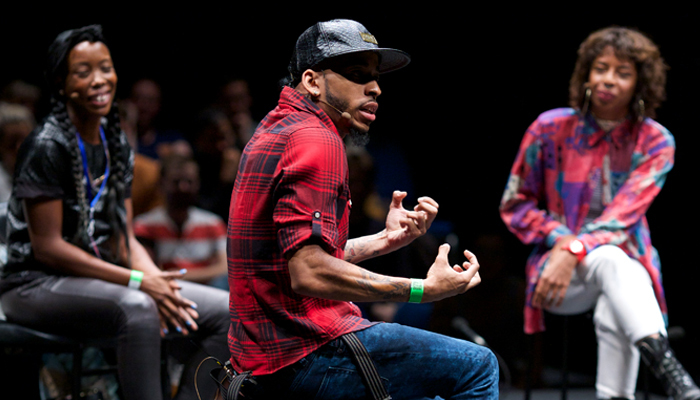
A freestyle performed conversation for bodies and voices – with the Queen of Krump, the master of Vogue Femme Dramatics and the rising star of Vogue Women’s Performance.
Juliana’s performances chart the dissonant space and discrepancy between the presumed fixed norms of social life and the fluid lived experience those norms don’t allow for.
Haino exceeds expectation with a 4 hour solo performance on a collection of more than forty instruments from all over the world.
Sadia Shirazi & Mezna Qato will discuss a series of scores that explore the texture and landscape of exile, resistance, and Muslim sociality. These instructional scores trouble the idea that art and activism are untouched by faith and faith is untouched by art and activism.
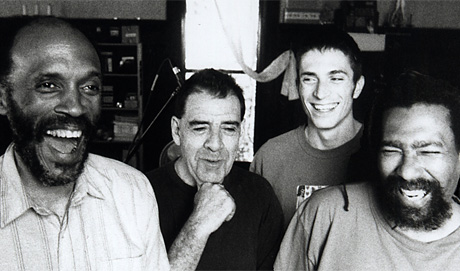
TEST is a collective creative improvising quartet based out of the NYC Underground (figuratively and literally). Their street-hardened, spatial Jazz is riotous and intense: is also makes us think about collective organization, and different ideas of responsibility and liberty.
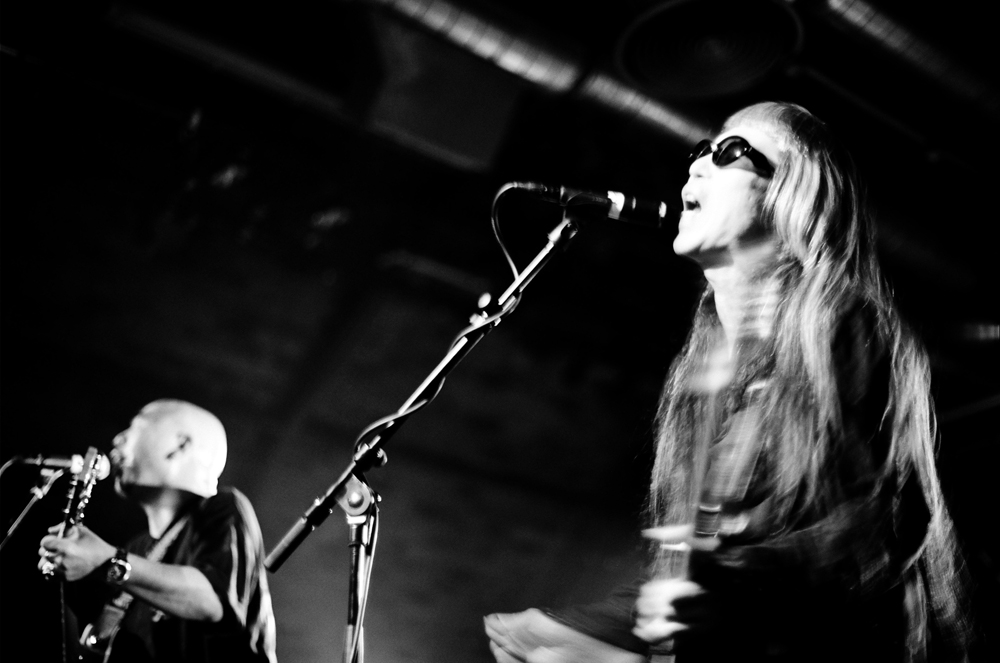
Vajra are a Japanese psychedelic rock supergroup, hewn from the collective consciousness of Fushitsusha’s Keiji Haino, folk radical Kan Mikami and percussionist Toshiaki Ishitsuka.
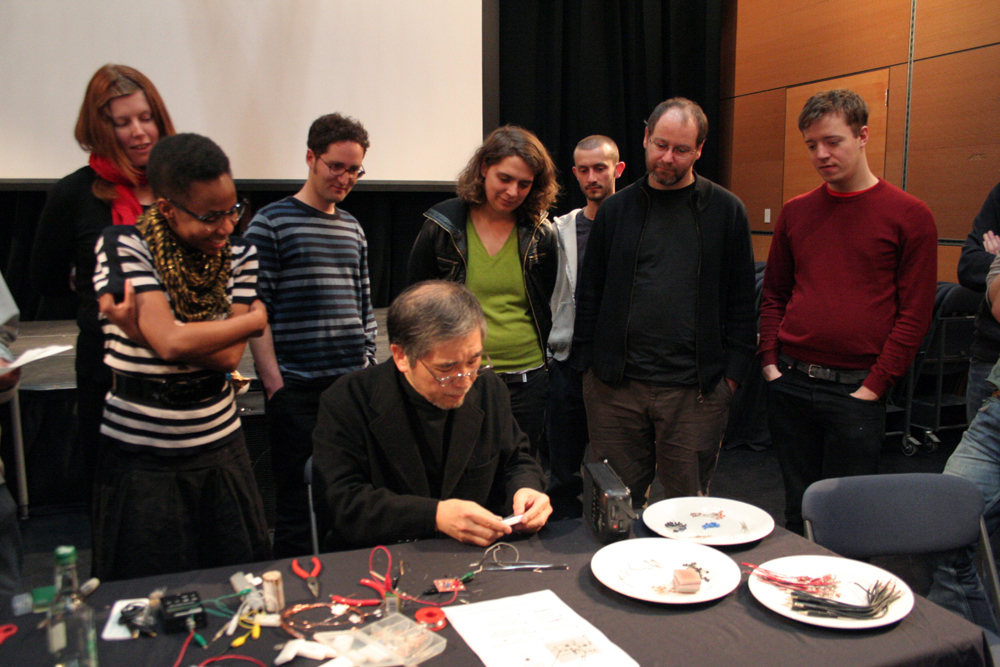
A simple hands on workshop with micro-radio theorist and pioneer Kogawa.
Politicised fan-fiction chronicling working class gay urban space and fantasy.
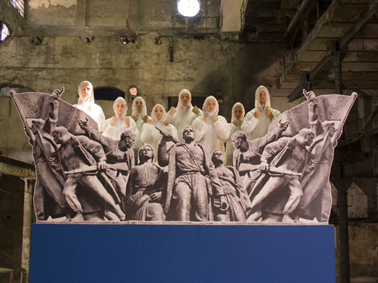
The Songspiels take on a mode of musical theatre developed by playwright Bertolt Brecht and composer Kurt Weill in the early twentieth century, presenting political and social concerns through the accessible and (often funny) form of song.
Individual experience separated by physical boundaries (of space, time or ability) suggested as communities of collective experience by (perhaps voyeuristic) artists.