Ki: Mico, Tamio Shiraishi & Fritz Welch
Fritz Welch Mico Tamio Shiraishi
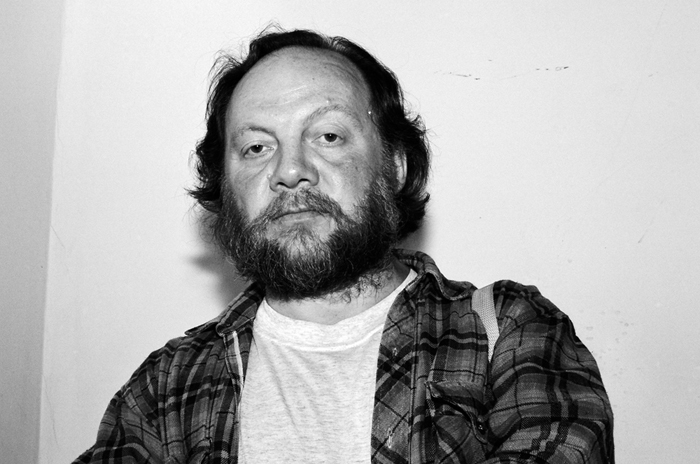
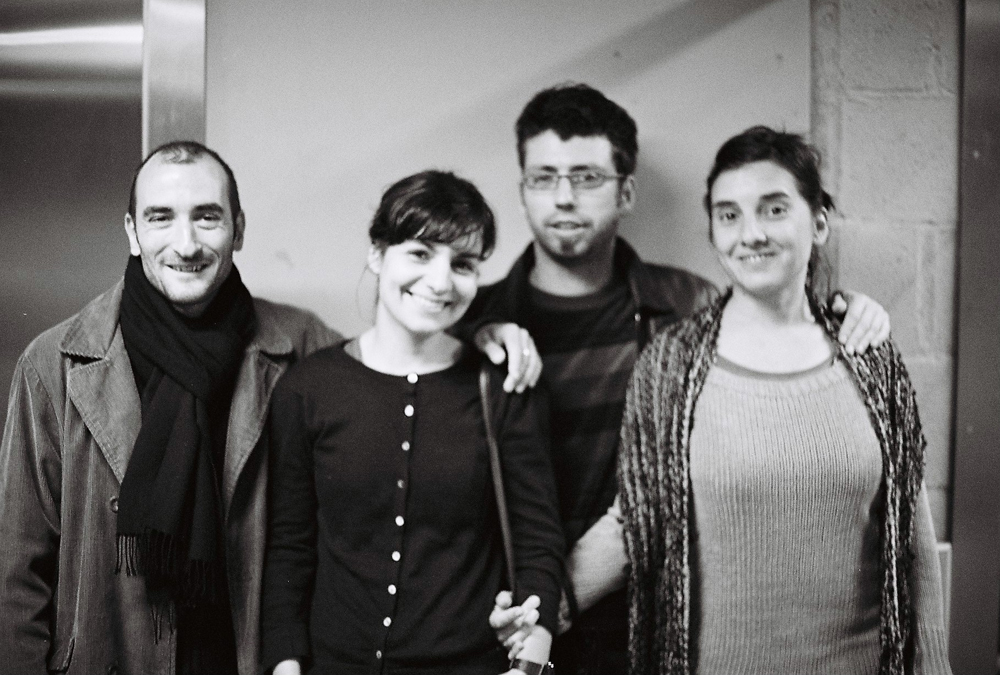
A trio of Tamio’s screaming and immovable slabs of sound; Mico’s dance/ performance/ piano; Fritz’s absurd, flailing percussion/ voice.
Arika have been creating events since 2001. The Archive is space to share the documentation of our work, over 600 events from the past 20 years. Browse the archive by event, artists and collections, explore using theme pairs, or use the index for a comprehensive overview.
A trio of Tamio’s screaming and immovable slabs of sound; Mico’s dance/ performance/ piano; Fritz’s absurd, flailing percussion/ voice.
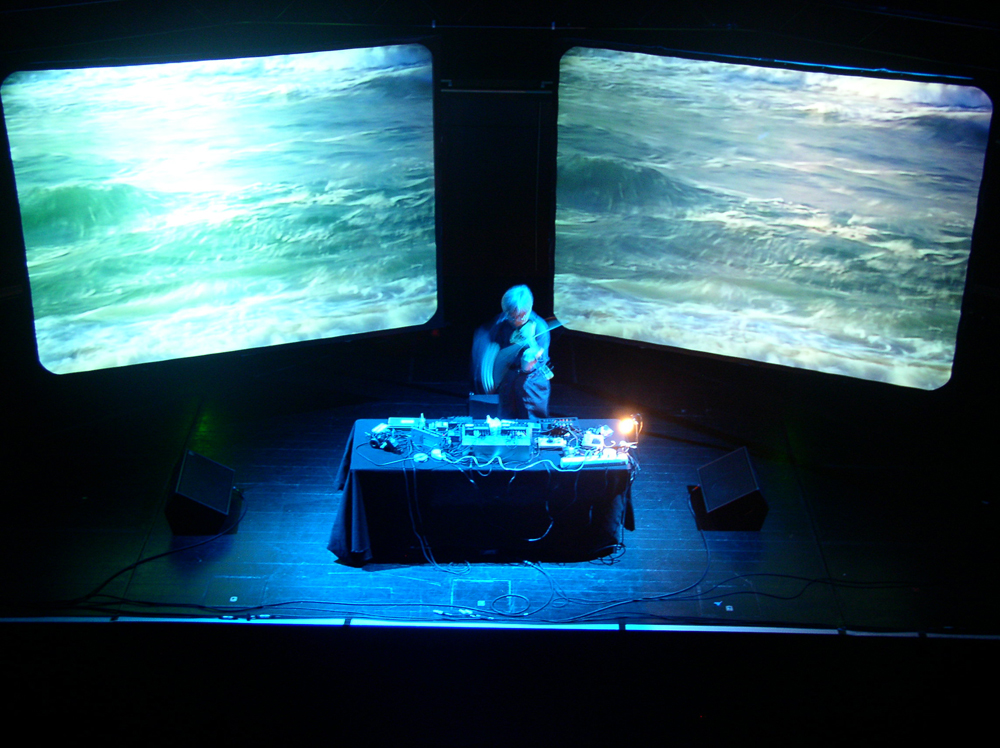
The 2006 INSTAL festival saw a broad selection of artists that included Blood Stereo and Ludo Mich, Ellen Fullman and Sean Meehan, Keiji Haino and Tony Conrad and a specially created performance by Maryanne Amacher.
Miniscule free-noise hissy-fits and broken instrument scrape/ squeal jams from the fools what brought you Giant Tank.
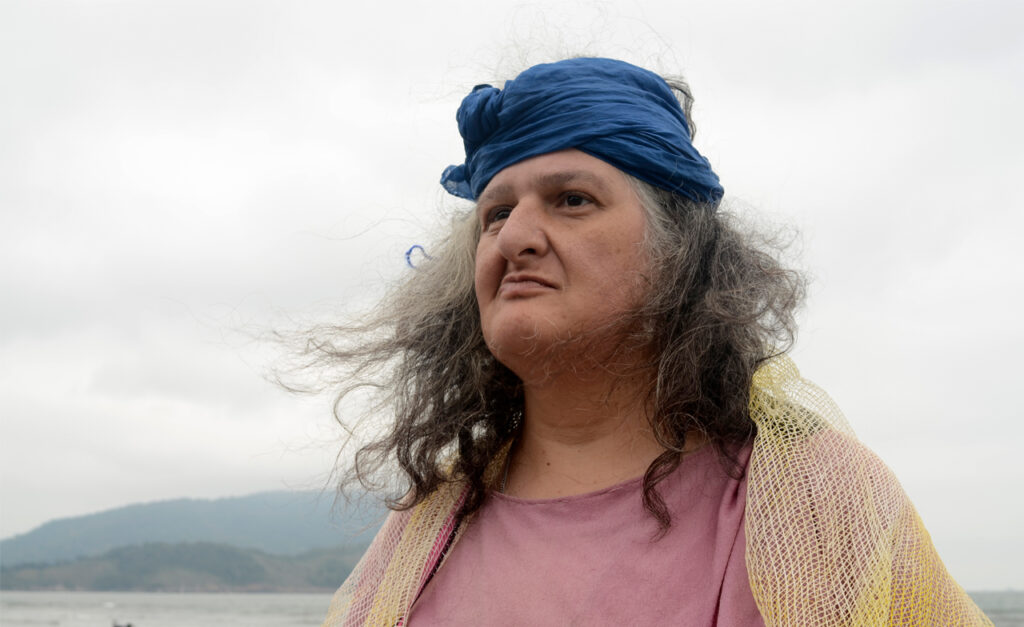
A panel exploring the poetics of abolition. “Poetry is not only dream and vision; it is the skeleton architecture of our lives. It lays the foundations for a future of change.”
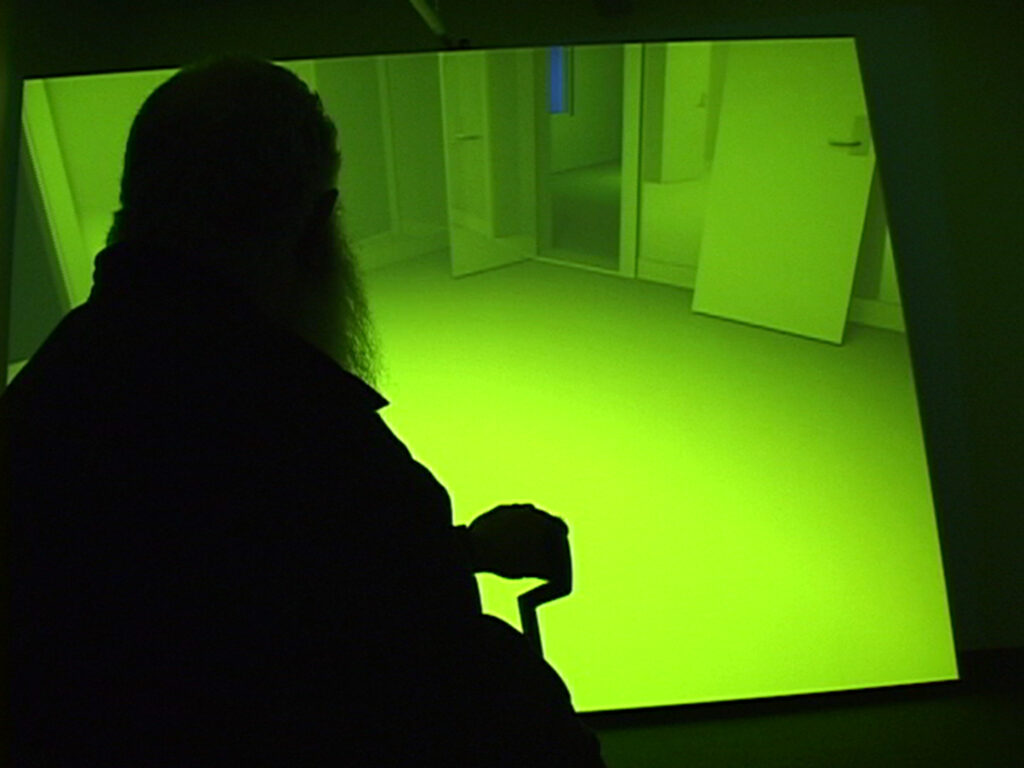
A community of those without community, for a community to come. A schizo-scenic video-collage of the disturbing ‘normality’ of Moby Dick.
A recreation of one of Gustav Metzger’s celebrated auto destructive performances.
What is the radical concept at the core of ‘rhythm’, expanded from simply musical or mathematical notions to encompass personal, social, collective rhythms?
Experience a sense of being in the world, in a specific space and time. Including Jeanne Liotta’s recordings of the ionosphere and Walter Ruttmann’s radical 35mm precursor to musique concrète.
By focusing on the things that most people don’t notice or pass by uncaring – Steve Roden crafts gentle, sparse and metaphorically loaded compositions.
Journalist and underground music champion Alan Cummings talks to Keiji Haino about his career and his performance the previous evening.
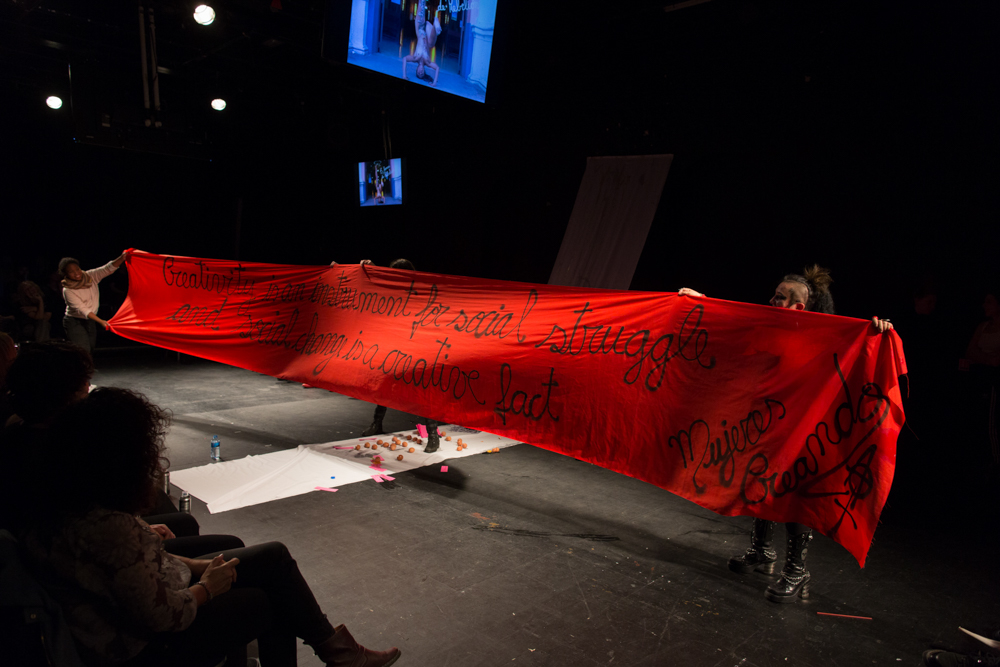
Rather than asking the state for services, what kinds of change are made possible when we prioritise people supporting each other?
The first of two workshops that highlight correspondence as a way of working. Somewhere between song, speech, and logistical arrangement, these workshops invite participants to consider care as infrastructure.