Lineage for a Multiple-Monitor Work-station
Sondra Perry
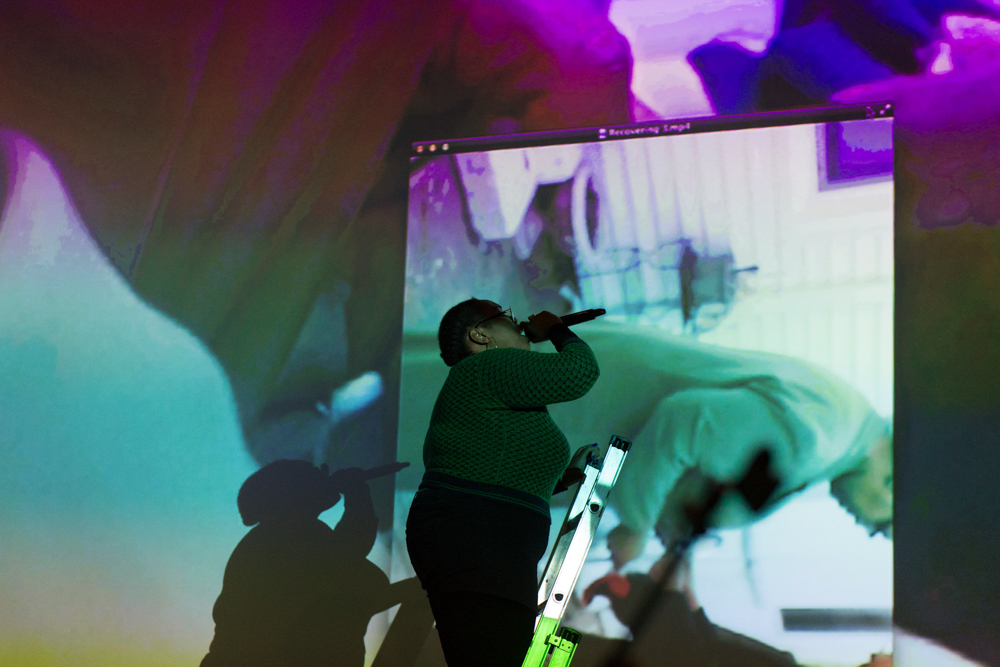
A celebration of our overabundant social entanglement and complicity, that remind us of how we can see ourselves, stripped of powers’ attempts to grasp us.
Arika have been creating events since 2001. The Archive is space to share the documentation of our work, over 600 events from the past 20 years. Browse the archive by event, artists and collections, explore using theme pairs, or use the index for a comprehensive overview.
A celebration of our overabundant social entanglement and complicity, that remind us of how we can see ourselves, stripped of powers’ attempts to grasp us.
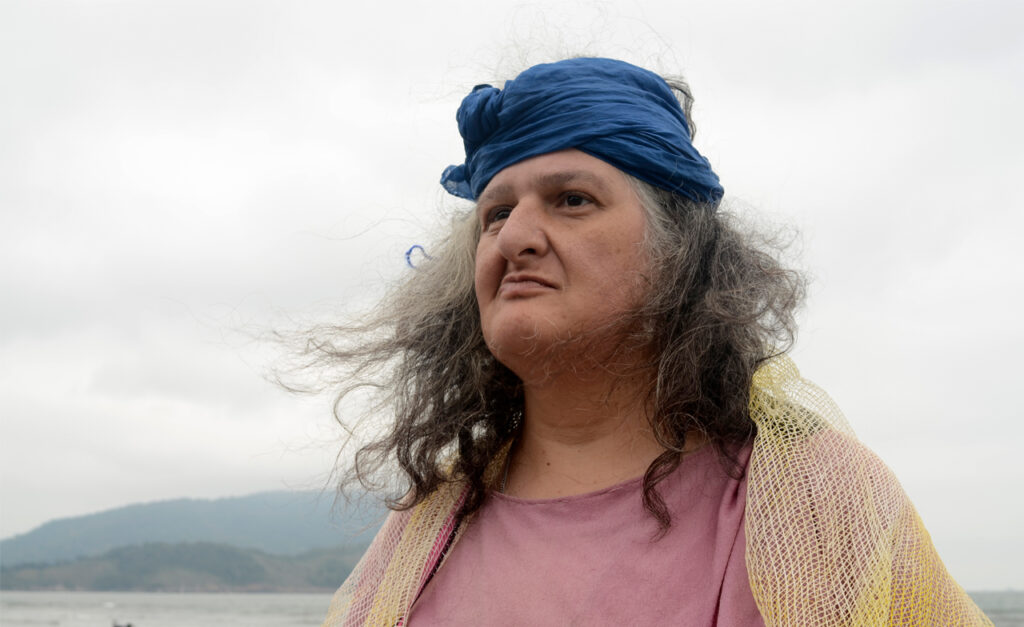
A community of those without community, for a community to come. A schizo-scenic video-collage of the disturbing ‘normality’ of Moby Dick.
Can a musician create a sonic photograph; something with a depth of field, where you can hear sounds and their interconnections, much as you see objects and their relationships in a photo? Could a filmmaker use musical concepts to represent landscape?
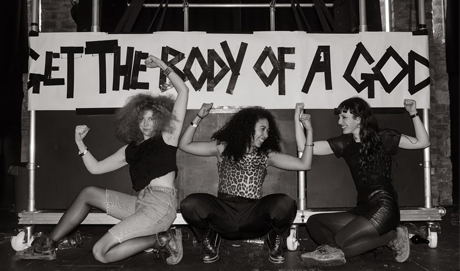
A movement-based workshop on Krump and the politics of how we teach, learn and listen with our bodies. Move with us!
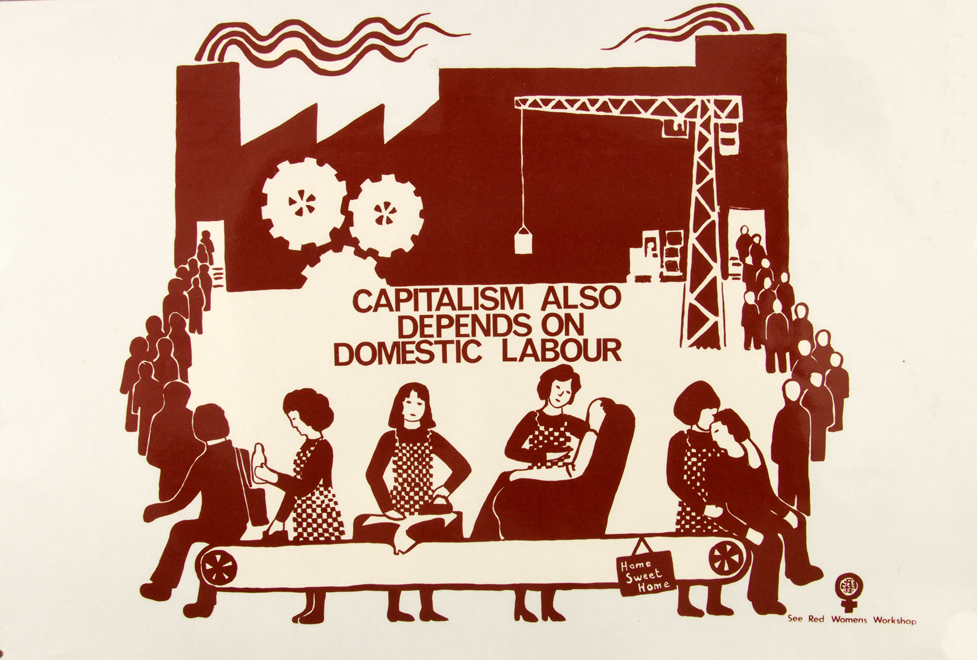
This session focuses in on the defiant mutual aid practices of early and DIY feminist movements in the UK, that attempted to shift and radicalise care and kinship away from the domain of the nuclear family.
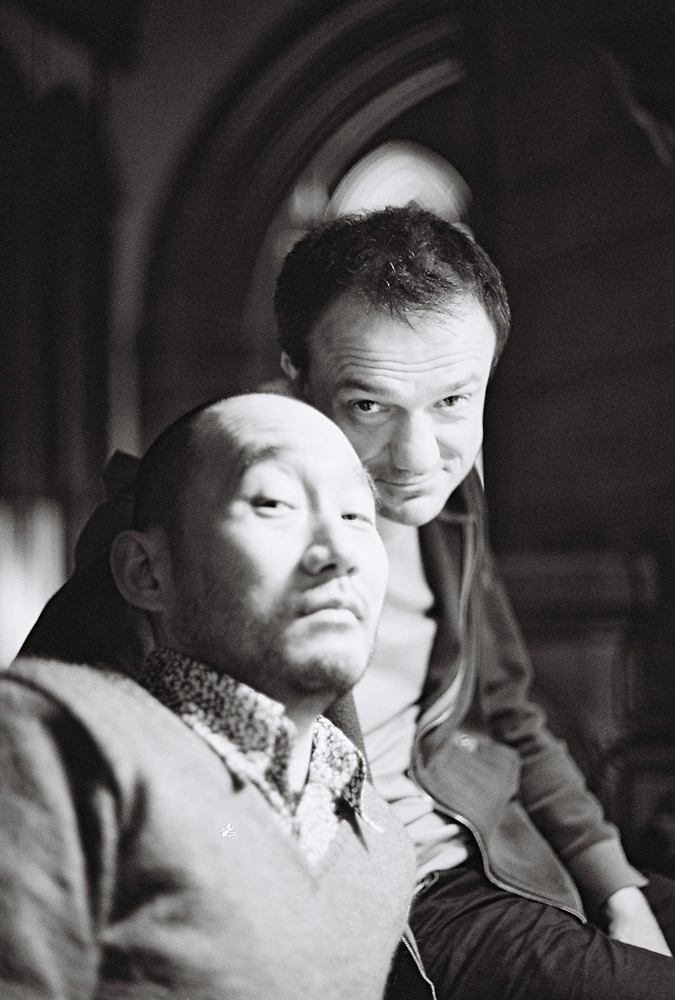
Brain boiling duo improvisation by great Japanese no input mixing desk pioneer Toshi Nakamura and french organ philosopher Jean-Luc Guionnet.
An immersive live performance for multiple 16mm film and bass clarinet, taking in the whole gallery, submerging the audience.
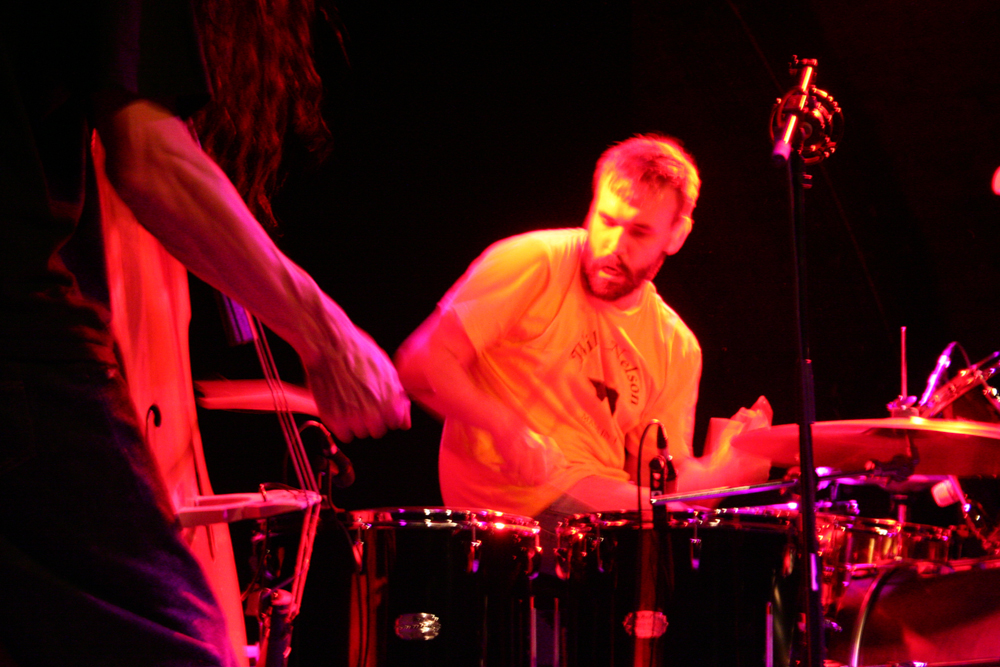
Free Jazz group comprising Matt Lavelle, Matt Heyner (TEST, No-Neck Blues Band) and Ryan Sawyer (Tall Firs).
What does it mean to listen with the mind as well as the ears? A solo performance from the great avant-garde pianist.
Where we join Nackt Insecten’s disembodied spectral howls and heavyweight locomotive drones about SPT’s Subway.
Transfeminist, communist, revolutionary poetry that refuses to flinch. Nat Raha presents new work in the nine.
Can we use sound, repetition and difference to personally and collectively engage with space, time and labour?