Ken Hollings Talk
Ken Hollings
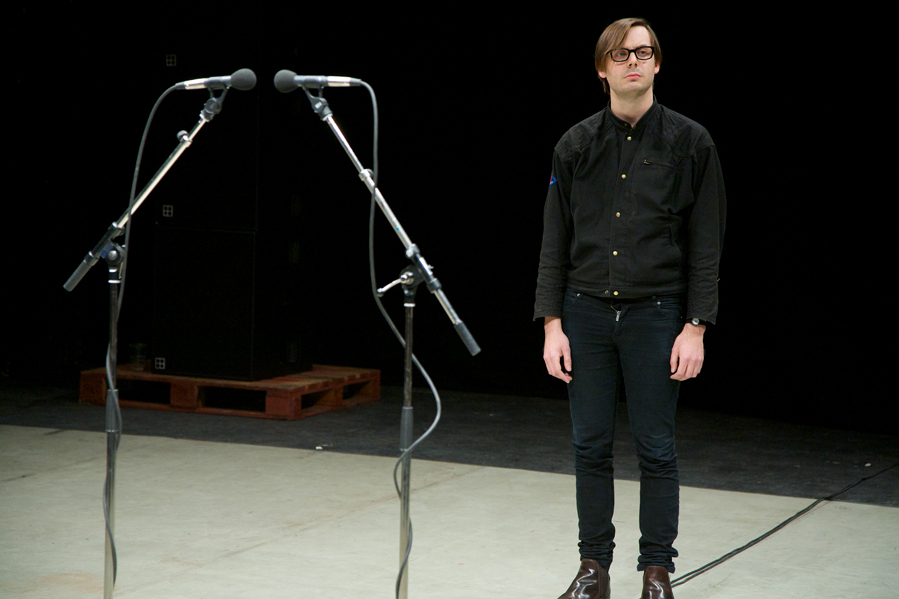
A talk entitled ‘The Conquest of the Universe’: which delves into the connections between the underground filmmakers and musicians in New York in the early 1960s
Arika have been creating events since 2001. The Archive is space to share the documentation of our work, over 600 events from the past 20 years. Browse the archive by event, artists and collections, explore using theme pairs, or use the index for a comprehensive overview.
A talk entitled ‘The Conquest of the Universe’: which delves into the connections between the underground filmmakers and musicians in New York in the early 1960s
Droner responsible for Fordell Research Unit, Muscletusk’s murk manipulator and Metzian concrete-mixer cement international relations and yr heids.
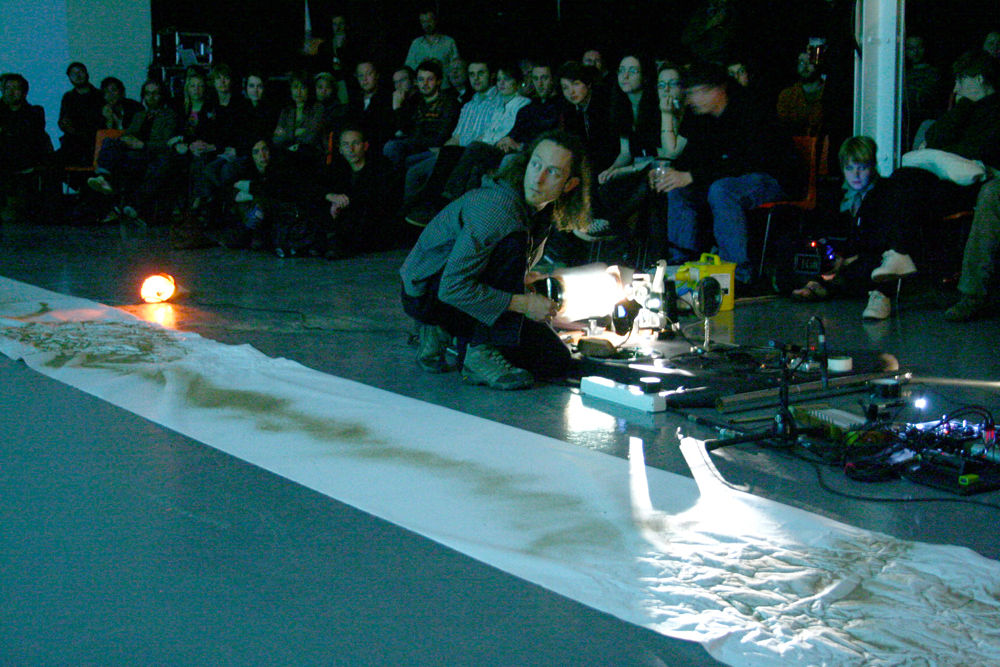
A system in which film is projected onto copper strips, captured again and then re-projected as video, somehow transforming the original imagery into molasses-slow, molten and incredibly tactile flickers of colour and light.
If life is assaulted by power, where do we find spaces for living? A conversation with Peter Pál Pelbart.
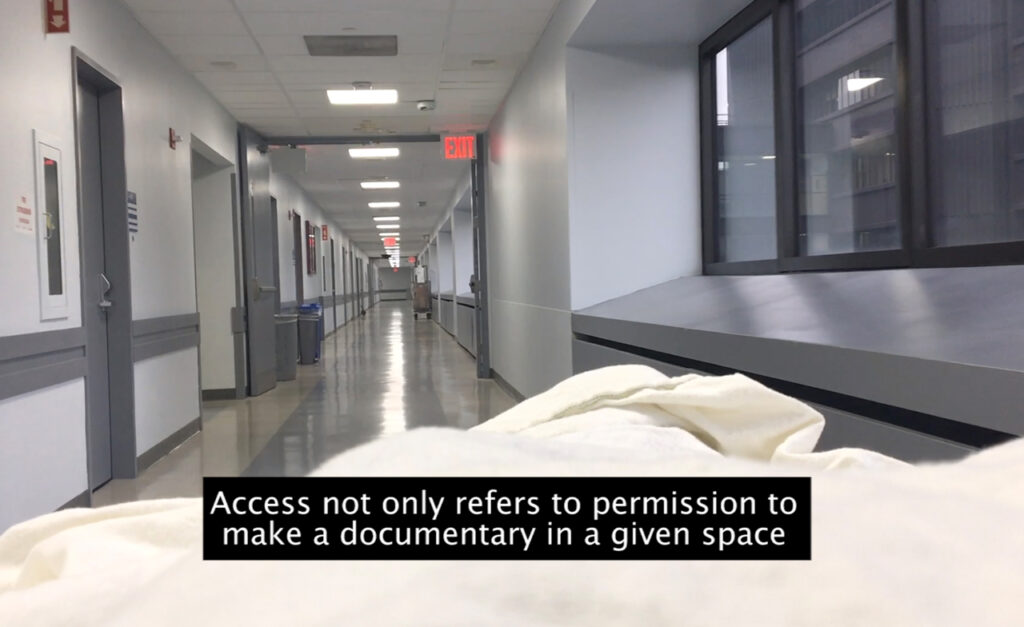
A fully transcribed, described, and open-captioned film screening that’s nothing short of their actual open heart.
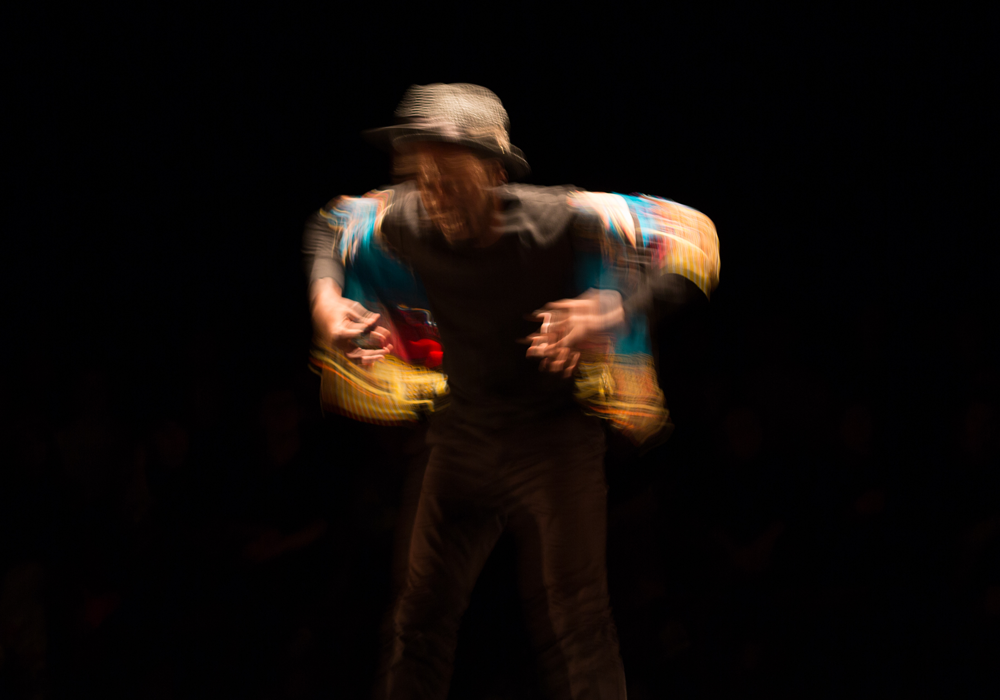
A performance by Storyboard P – one of the greatest Afrofuturist dancers on the planet.
Reveling in the geometric, mathematical and perceptual relationship between sound and form, this programme features a landmark work of experimental film in Kubelka’s Arnulf Rainer; a complex, enduring and expressive of structuralist or flicker films.
Acting at the minimum. Each film here substitutes one small thing for another, (ironically) transforming received meanings by the simplest of actions; often kind of funny too.
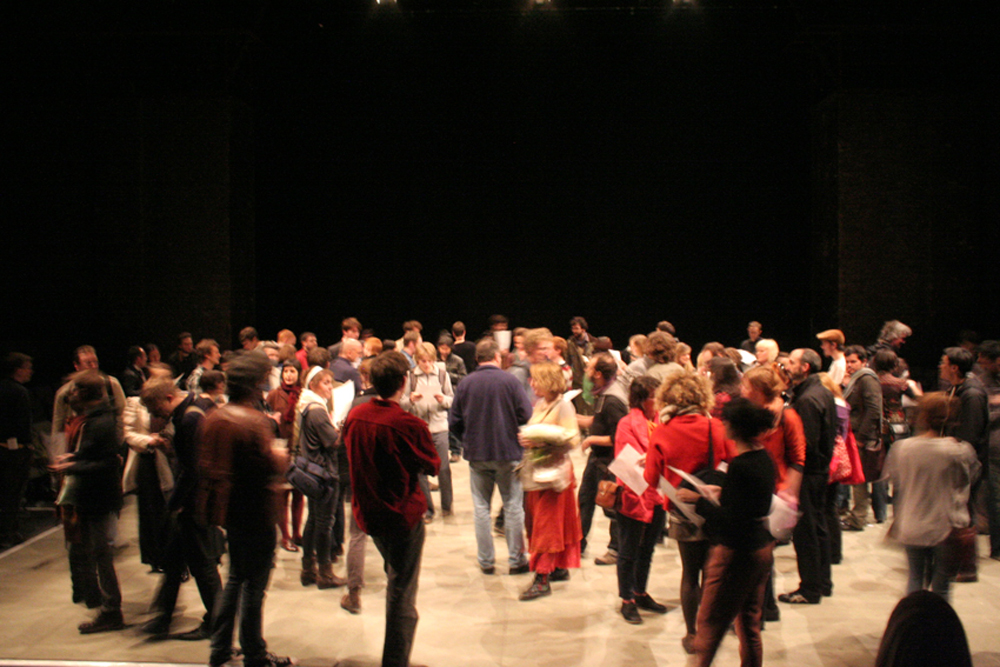
Paper Piece: Secrets is a performance for and with the whole audience, using paper, text, secrets, being in the crowd
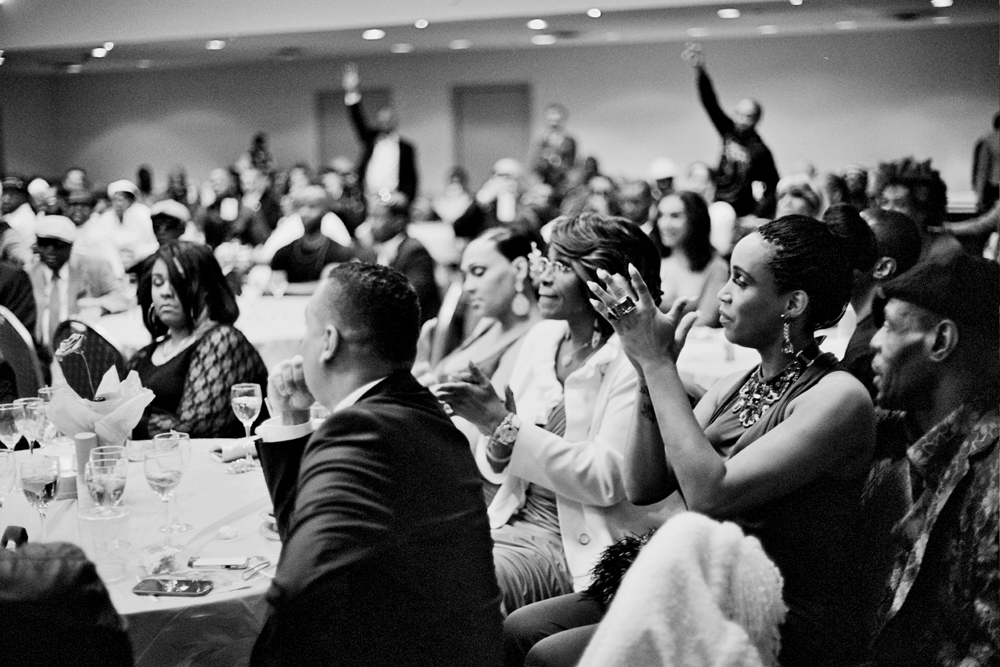
This event honoured those individuals who achieved the status of Icon during the period of 1986-1990.
A solo improvisation using just the situation of the concert: a space, a PA, Mattin’s own thoughts, you, the audience.
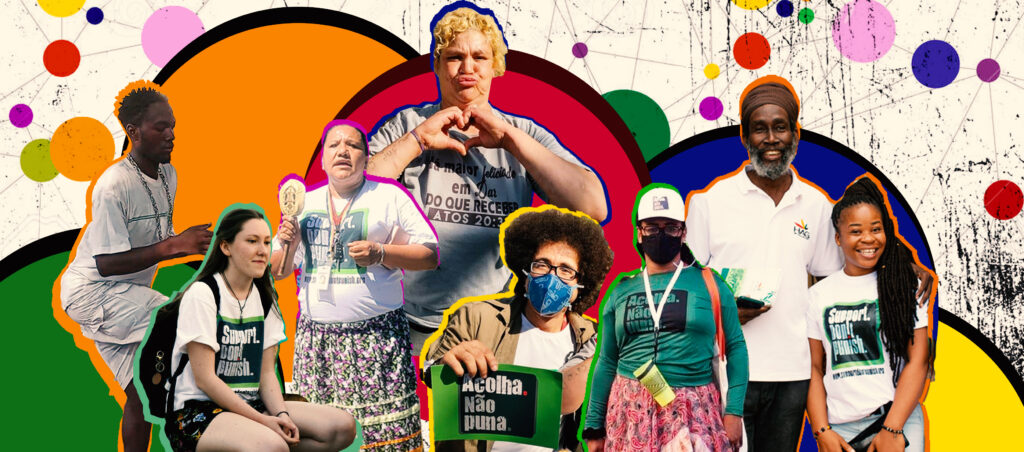
Rather than asking the state for services, what kinds of change are made possible when we prioritise people supporting each other?