Expanded Cinema: LIGHT MUSIC
Lis Rhodes
Light Music is a dizzying celebration of the pivotal nature of sound in film; a direct and powerful transcription of film as sound.
Arika have been creating events since 2001. The Archive is space to share the documentation of our work, over 600 events from the past 20 years. Browse the archive by event, artists and collections, explore using theme pairs, or use the index for a comprehensive overview.
Light Music is a dizzying celebration of the pivotal nature of sound in film; a direct and powerful transcription of film as sound.
A kind of performed installation of searing noise and silence, where we’re not sure who the performer is, when it starts or ends or even who it’s for.
Taking a scalpel to the relationship between performer and audience: cutting something out to see what’s left, a drastic subtraction and shift of emphasis.
Two bottomless brunch writing workshops—with readings—speculating the relationship between space, infrastructure, technologies and sex.
The production of moving image (film) by the mechanically, unfalteringly repetitive manipulation of mass-produced materials (film), in order to explore three different allegorical representations (films) of repetitive human actions and labour under capital.
Two-parts Helhesten spit strangled shanties and cracked reeds from under a net of the Glasgow Improv Orchestra’s six-strings and one moustache.
A beautifully crisp, slowly evolving duo for cello and projected images. Abstract but still figurative; change only noticeable after the fact.
A series of badly felted lock-ups and garages + multiple locations within the Megastructure – a purpose built town centre in one building, comprising (in the 50’s at least) of housing (never occupied), shops, apartments, a hotel, ice rink, police station and other amenities
A double bill. A simple first person, Dundee-specific tracking shot that approaches the cinema/ screen/ space the film will eventually be shown in and in Brazilian opera house, a fixed camera gazes at a local audience from the stage: a choir, hidden in the orchestra pit, sings and gradually fades to silence.
A conversation between Philip and Moten: how do we read NourbeSe’s anti-narrative poetic lament in Glasgow today, given the city’s role in the history of slavery?
There are core ways in which our listening to the radio differs from other kinds of listening. What happens when we pay attention to how we pay attention?
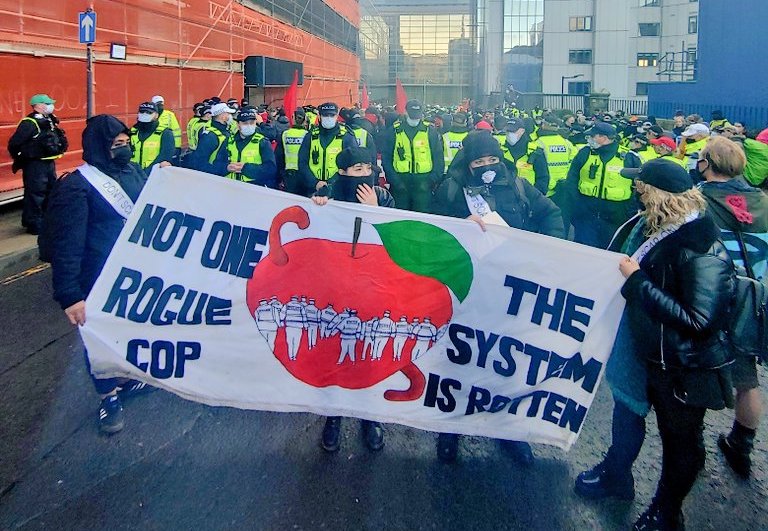
What does it mean to resist seeking assimilation or inclusion within, or let our demands be co-opted by the very systems we seek to dismantle?