Concert 1: Organ Solo
Jean-Luc Guionnet
Each organ is unique. The project is to find out what makes it unique.
Arika have been creating events since 2001. The Archive is space to share the documentation of our work, over 600 events from the past 20 years. Browse the archive by event, artists and collections, explore using theme pairs, or use the index for a comprehensive overview.
Each organ is unique. The project is to find out what makes it unique.
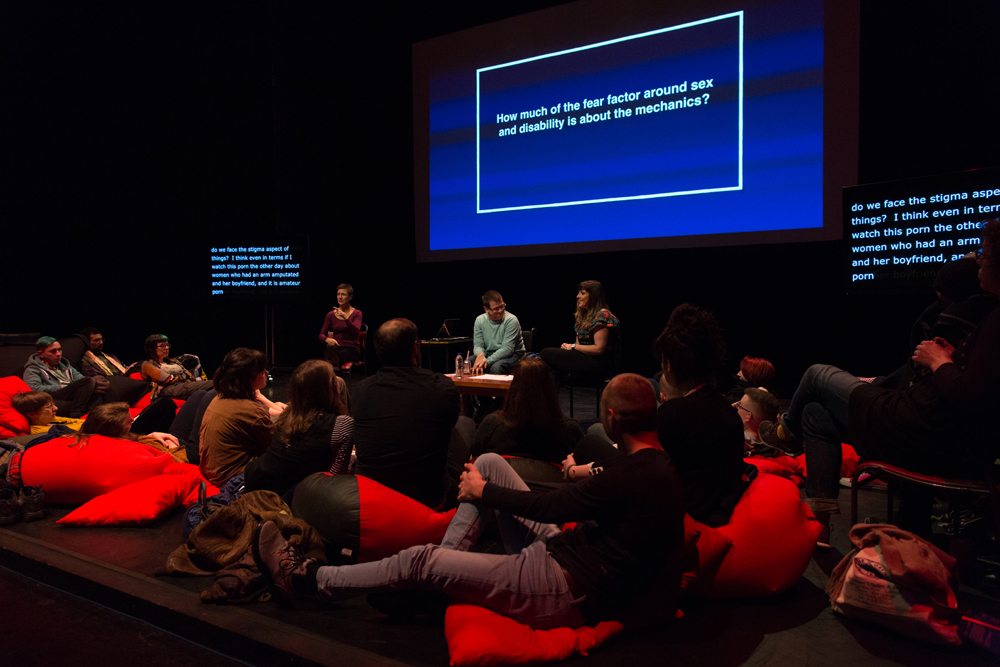
Two bottomless brunch writing workshops—with readings—speculating the relationship between space, infrastructure, technologies and sex.
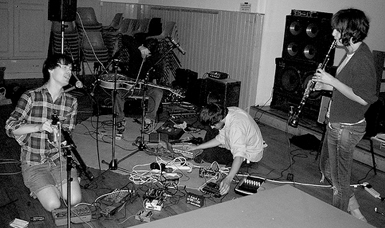
TEST is a collective creative improvising quartet based out of the NYC Underground (figuratively and literally). Their street-hardened, spatial Jazz is riotous and intense: is also makes us think about collective organization, and different ideas of responsibility and liberty.
A collaboration bringing together artists with a shared gravitational heft to their work; an intense and concentrated accumulation of detail and power.
A dialogical meeting of Baraka’s radical poetry and Grimes’ free jazz syncopation.
One of the most incessantly experimental musicians in the UK, Youngs’ aesthetic is entirely unique, never really part of any scene [whilst influencing many], steadfastly unafraid and honest
An evening extravaganza celebrating the London launch of Truth & Lies: an Anthology of Writing and Art by Sex Workers
Expect slutty DJs, playful performances, stripper poles, rococo cakes, union broads and intimate readings…
“The miracle of Herman Melville is this: that a hundred years ago in Moby Dick…he painted a picture of the world in which we live, which is to this day unsurpassed.” – C. L. R. James
A collaborative duo performance, Anoyonodekigoto sets up a sort of negotiation between a musician, a dancer, the audience and the space we’re all sharing.
Akio Suzuki and John Butcher performing in a remote sea cave near Durness.
Thirty lucky Instal punters experience Kylie’s pre-match aggro workout one-on-one in the darkness of an Arches dressing room.
What might Carter and Parker’s collaboration tell us about our own performances of responsibility and liberty, whether individual, social or musical?