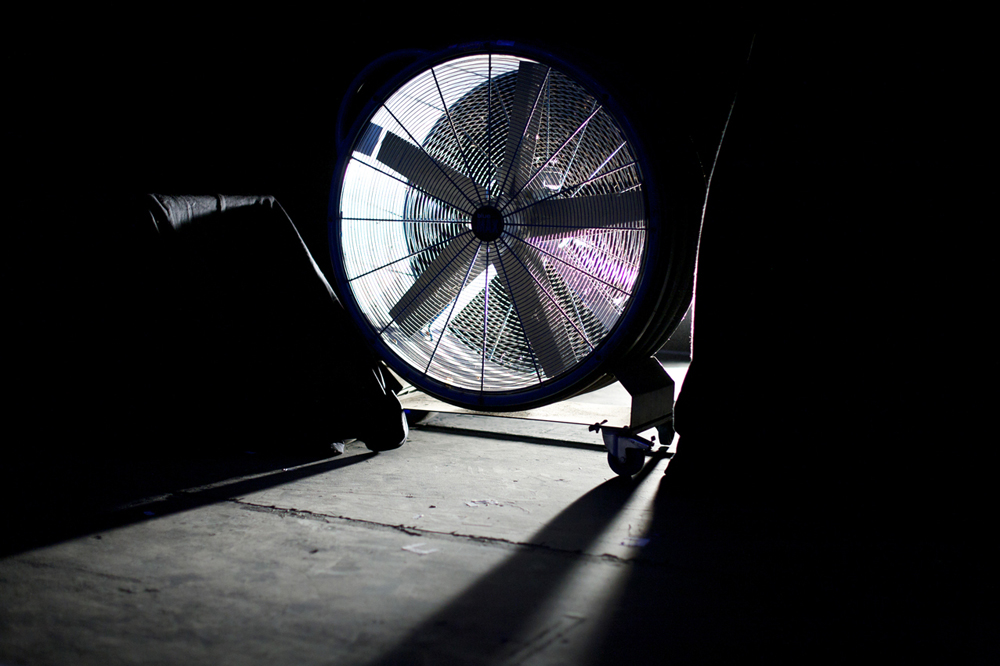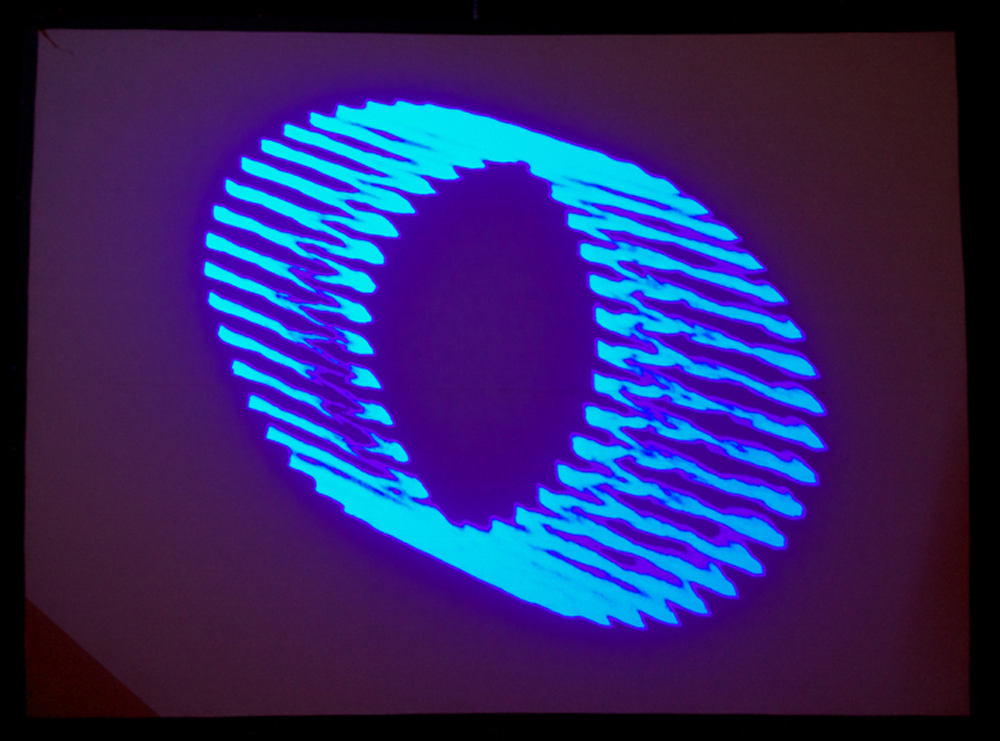
SOLITON(E) STAR, RESONANCE REGION 1A [ZERO-TIME SONIC MIRROR]
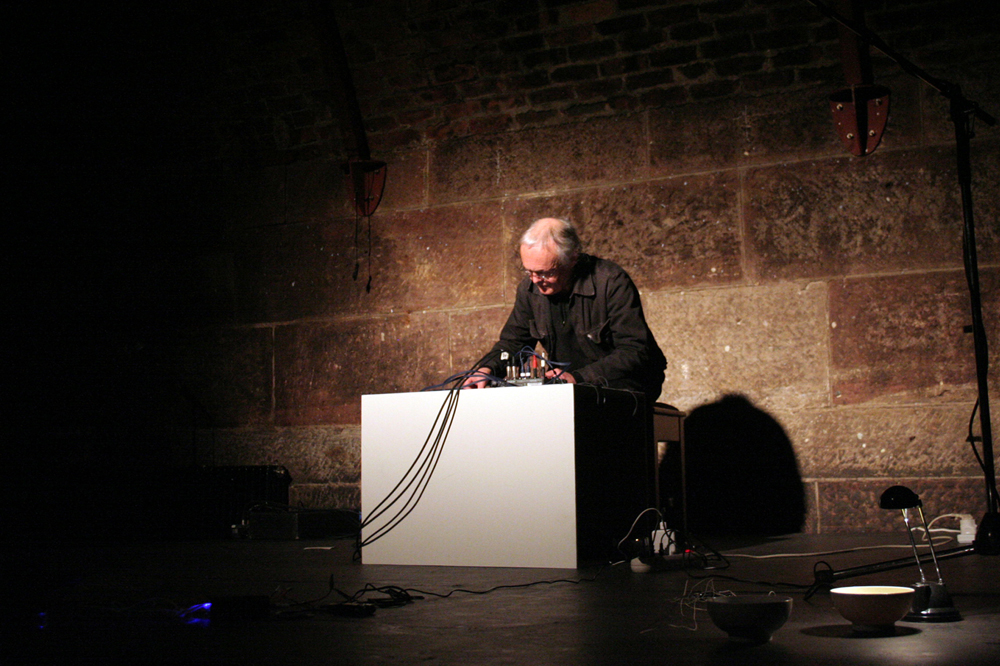
Catherine Christer Hennix
Complexly interacting colossal drones by the creator of some of the most legendary yet least heard music of the 70’s.
Arika have been creating events since 2001. The Archive is space to share the documentation of our work, over 600 events from the past 20 years. Browse the archive by event, artists and collections, explore using theme pairs, or use the index for a comprehensive overview.
Complexly interacting colossal drones by the creator of some of the most legendary yet least heard music of the 70’s.
A series of three short performed situations and statements to be examined or judged from the most interesting young musician in Glasgow (we think).
Noise music for the eyes. A 6 screen 16mm projection performance of intense audio and visual stimulus.
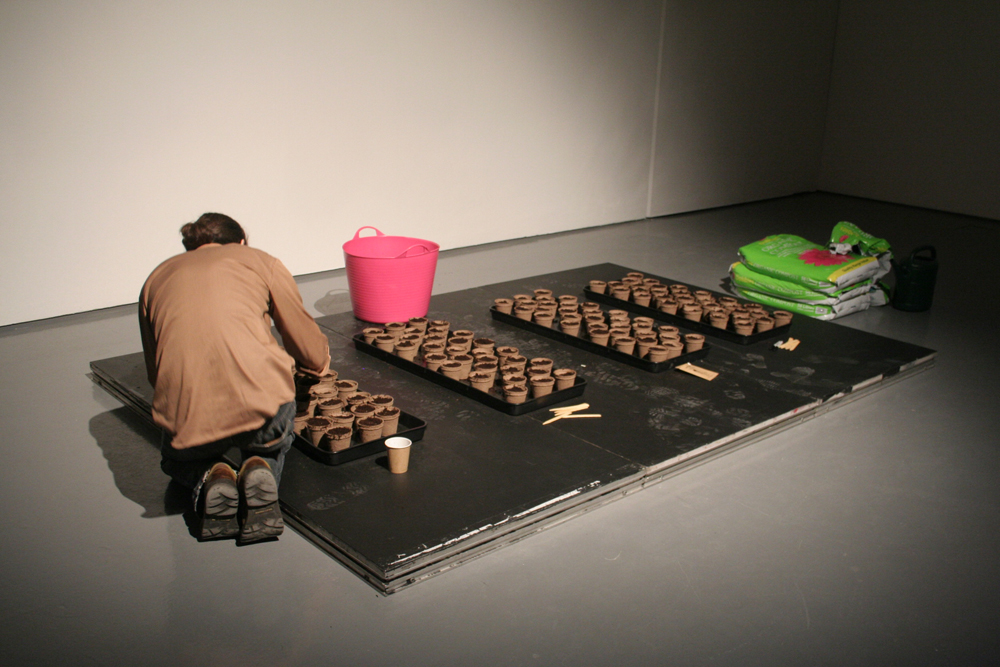
Julius’ “small music” features simple snatches of found sound, played back through small speakers, often set in bowls of pigment and dirt which shimmies in the vibrations.
We asked Christoph to come and give a sort of informal talk, raising some of his ideas about sound and image, and playing/ showing a few examples.
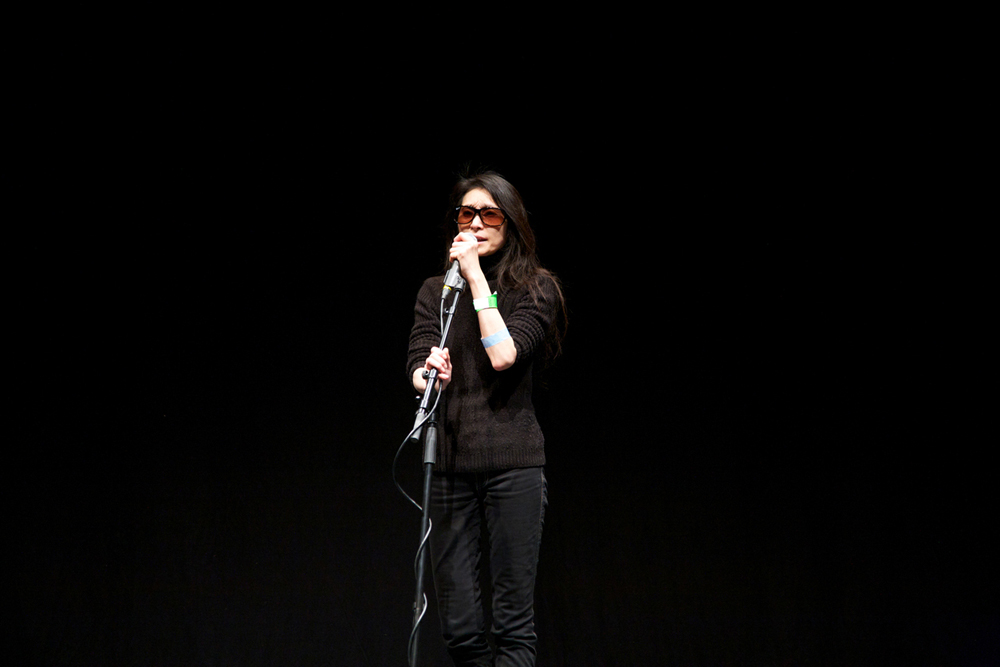
Harrowing but musical confrontations with the very real, physical and aural trauma of a woman screaming.
What is the radical concept at the core of ‘rhythm’, expanded from simply musical or mathematical notions to encompass personal, social, collective rhythms?
By focusing on the things that most people don’t notice or pass by uncaring – Steve Roden crafts gentle, sparse and metaphorically loaded compositions.
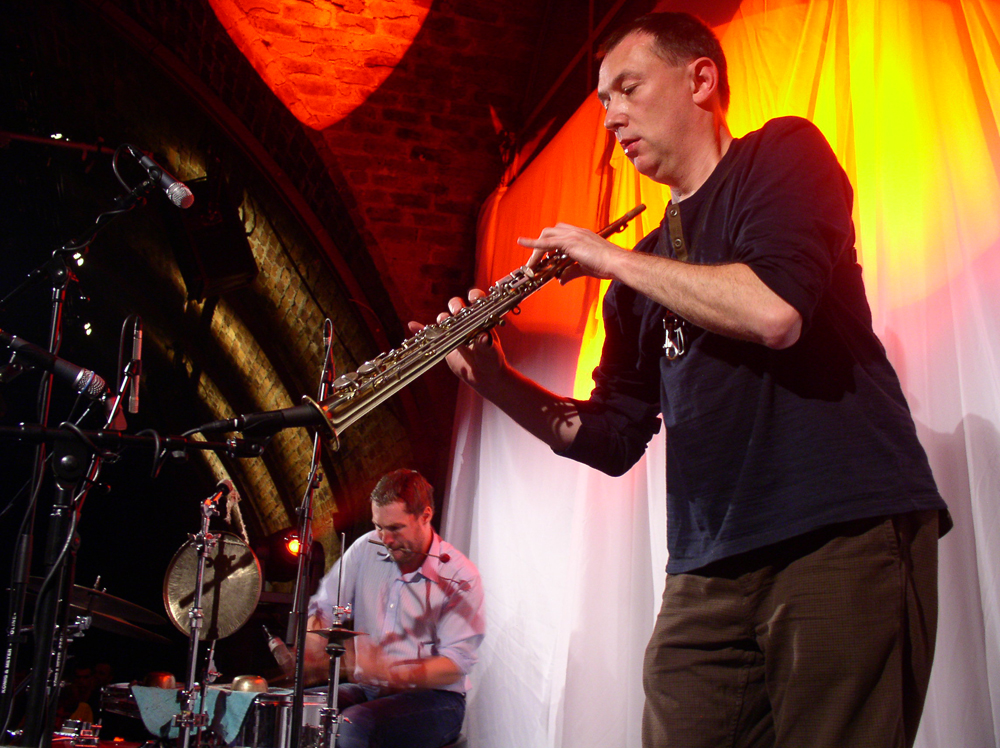
Originally billed as a duo of Ingar Zach and Derek Bailey, John Butcher stood in for Bailey at the last minute.
Create your own badge designs, with collaging, drawings, stickers and more! Whether your badge is playful, political, expressive or just for fun this is a space to create something that feels like you.
For musical chameleon Richard Youngs both his creative and family life are focused in the room that many of us consider the centre piece of our lives.
How do you know what you want? Should freedom be doing what you ought, not doing what you want? How might a philosopher and artist turn this thinking into an enabling condition in the context of noise and improvisation?