Anal Panopticon
Huw Lemmey
Two bottomless brunch writing workshops—with readings—speculating the relationship between space, infrastructure, technologies and sex.
Arika have been creating events since 2001. The Archive is space to share the documentation of our work, over 600 events from the past 20 years. Browse the archive by event, artists and collections, explore using theme pairs, or use the index for a comprehensive overview.
Two bottomless brunch writing workshops—with readings—speculating the relationship between space, infrastructure, technologies and sex.
The club as a community and a site for performed politics: deep/ queer house, vogue femme, lipsync and ballroom.
To Rococo Rot member Robert Lippok performing for the first time in the UK with his solo project.
A workshop for educators, activists and young people to think about radical, anti-imperialist pedagogy, and what fighting for the Palestinian cause looks like for young people in the imperial core. PDF of the resource available soon.
Free Jazz group comprising Matt Lavelle, Matt Heyner (TEST, No-Neck Blues Band) and Ryan Sawyer (Tall Firs).
Sound as it is endured by space and the body: 15 participants lie face down and pound the floor with a microphone one thousand times, each person choosing their own rhythm and intensity.
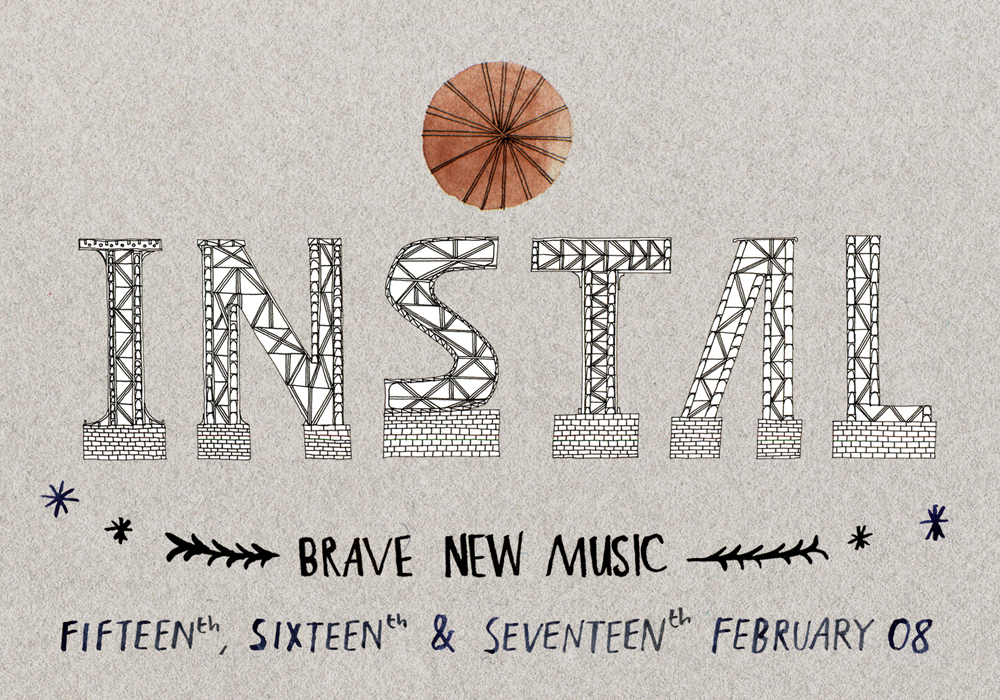
Freeform Super 8mm documentation of Sunday at Instal 06 by filmmaker Matt Hulse.
For musical chameleon Richard Youngs both his creative and family life are focused in the room that many of us consider the centre piece of our lives.
An open conversation around the history and practices of the Ueinzz Theatre Company – a radical Brazilian schizoscenic theatre company of carers, so-called psychotic patients and philosophers.
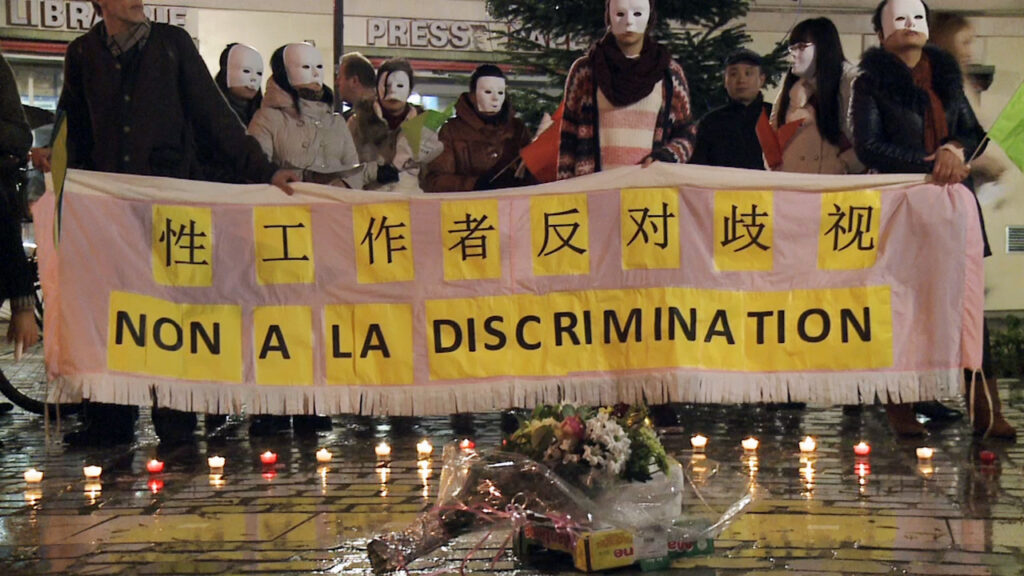
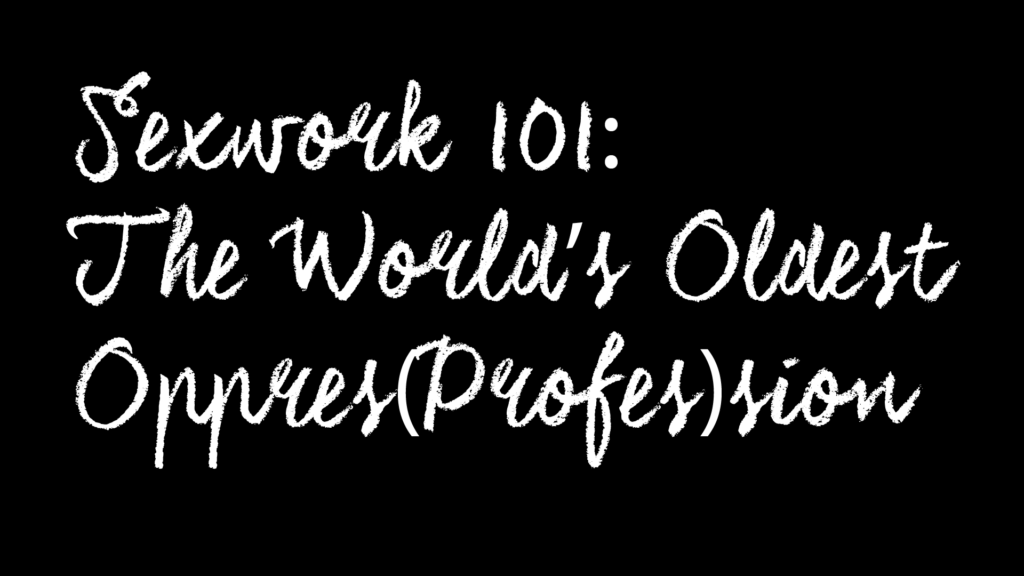
Three panels offering opportunities to discuss how to build stronger alliances between the sex workers’ rights, migrants rights and reproductive justice movements and how to face, together, an increasingly punitive and reactionary system.
An audio/ video, lecture/ performance exploring the queer and companionly inter-activity of human-animal relations.
What might Carter and Parker’s collaboration tell us about our own performances of responsibility and liberty, whether individual, social or musical?