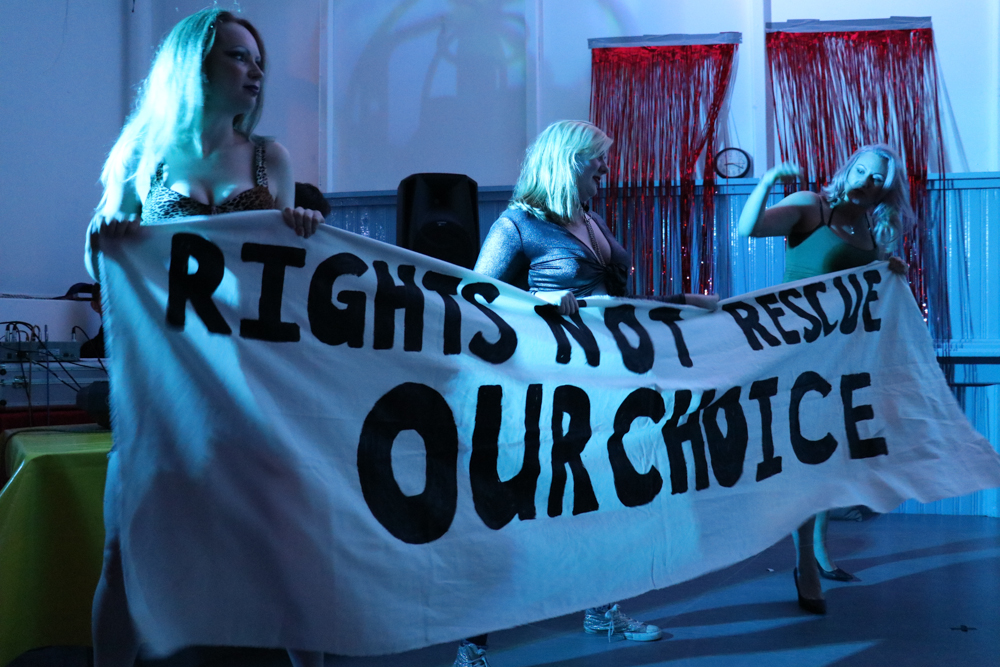
Film Fest: Stories from sex workers’ rights movement around the world
Luca Stevenson Rori
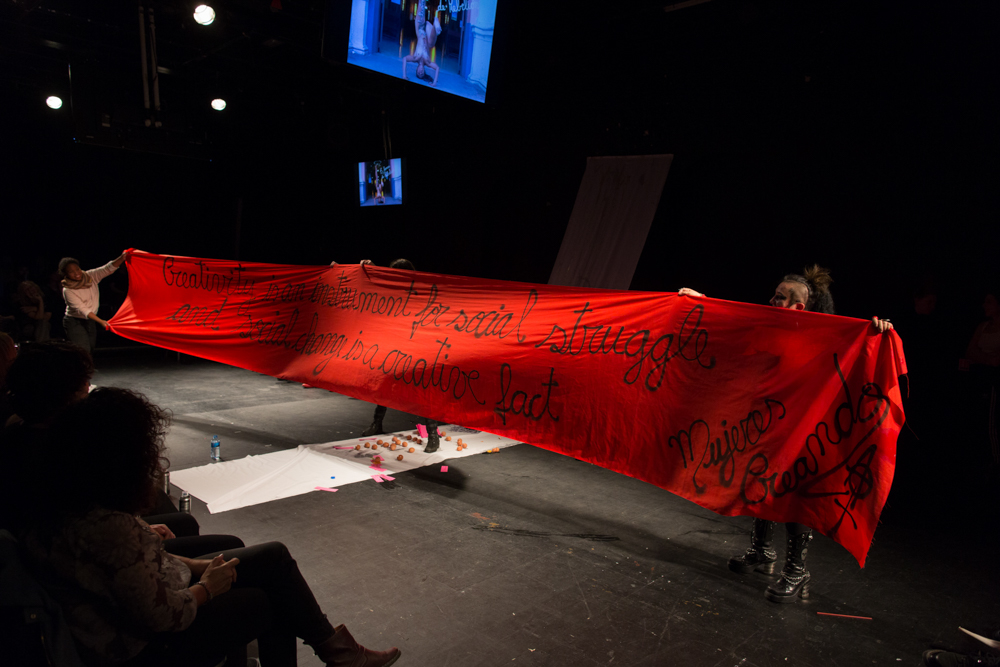
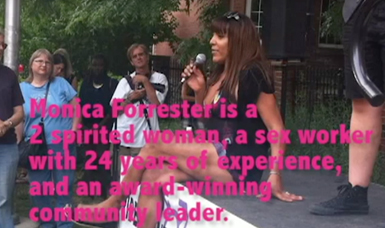
Three documentary films exploring diverse realities of sex workers around the world followed by a closing ceremony of the festival.
Arika have been creating events since 2001. The Archive is space to share the documentation of our work, over 600 events from the past 20 years. Browse the archive by event, artists and collections, explore using theme pairs, or use the index for a comprehensive overview.
Three documentary films exploring diverse realities of sex workers around the world followed by a closing ceremony of the festival.
A party and fundraiser to support Sex Workers’ struggles and LGBT Unity with music and performances from the sex workers’ community and allies, plus DJ’s and dancing.
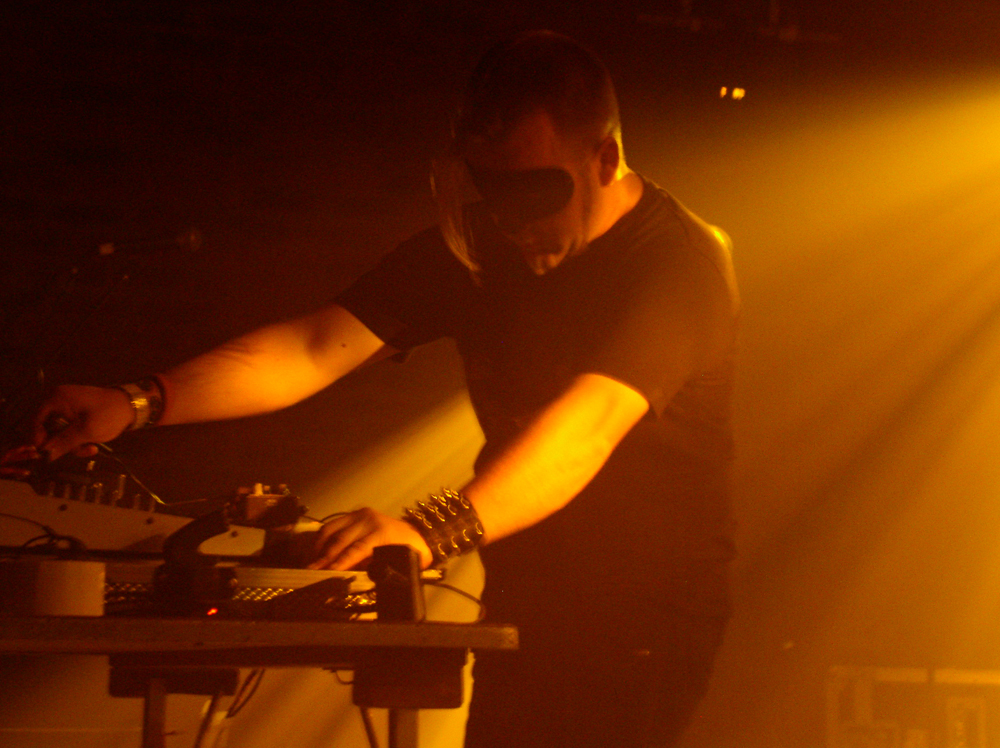
Kylie Minoise Vs Nackt Insecten feedback/ vocal physical threat ‘vs’ ecstatic electronic cloudbursts
Investigating the border between the audible and the visible means looking at the margins, the edges of creativity where artists test out new boundaries and define them anew.
Could cruising and random public sex be the basis of an ethically organised society? A discussion with Jackie Wang, Samuel R. Delany and Huw Lemmey.
Arika is proud to be one of several arts organisations in Scotland supporting the commissioning of a radical new manifesto, by and for disabled artists working in Scotland.
A Study Session focused on the thinking of Ailton Krenak – one of the great leaders of the Brazilian indigenous movement – led by curators and artists Amilcar Packer Arissana Pataxó.
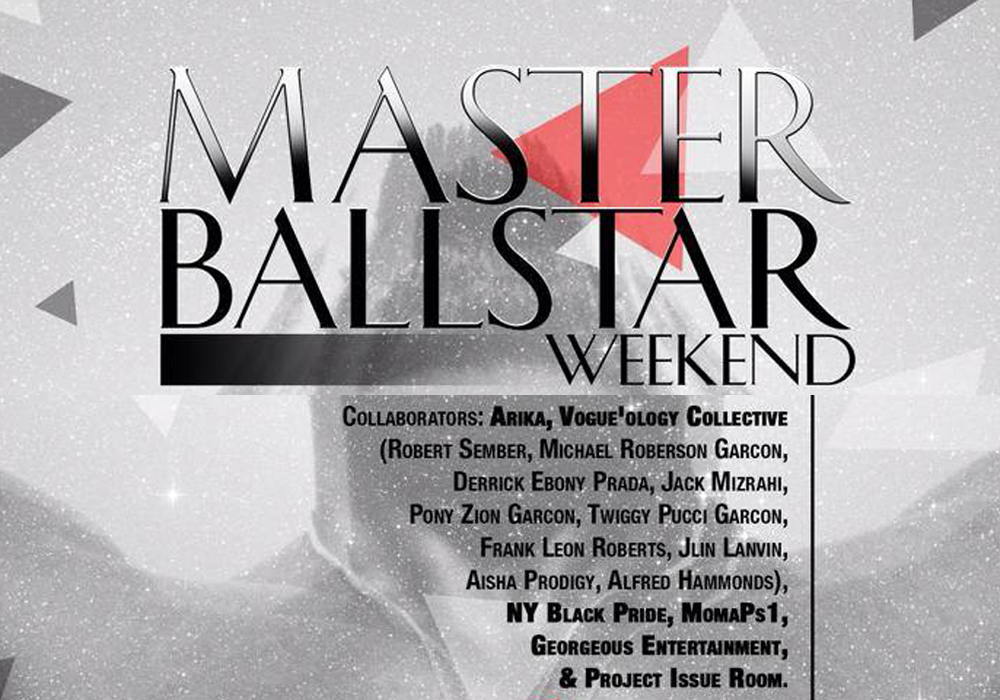
A series of events organised by the Vogue’ology collective from the House Ballroom community in New York grounded in the scenes history of autonomous, self-organised struggle and a shared investment in collective art practices and how those intersect with the multiple and often divergent struggles for freedom.
Blissed-out sun-dappled drone ragas of the highest order, with a metal-tinged signature sound of plucked and bowed strings.
Can we use sound, repetition and difference to personally and collectively engage with space, time and labour?
A sort of prayer and conference, a sort of scream and dialogue – a monologue and declaration at the time, addressing how we can build complicity with one another.
How do communities practice being one another’s means, addressing their material problems facing them replicating the state’s violent logic of who is disposable.