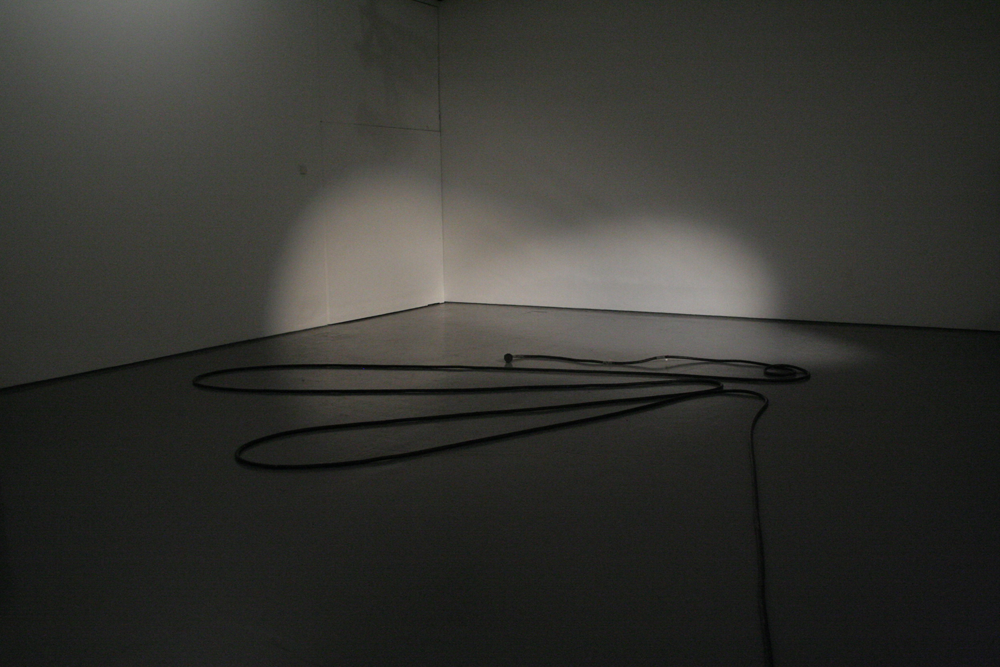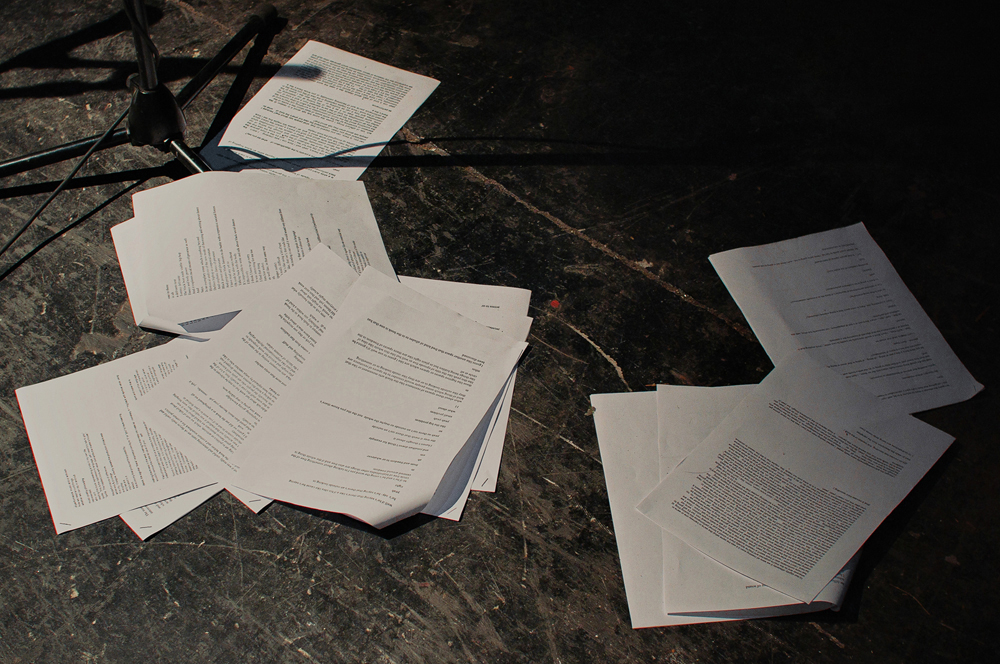
No Total
What kind of listening and acknowledging do we offer each other? What is it to listen to an ‘elsewhere’, and do we ever do anything else when we listen to music?
Arika have been creating events since 2001. The Archive is space to share the documentation of our work, over 600 events from the past 20 years. Browse the archive by event, artists and collections, explore using theme pairs, or use the index for a comprehensive overview.
What kind of listening and acknowledging do we offer each other? What is it to listen to an ‘elsewhere’, and do we ever do anything else when we listen to music?
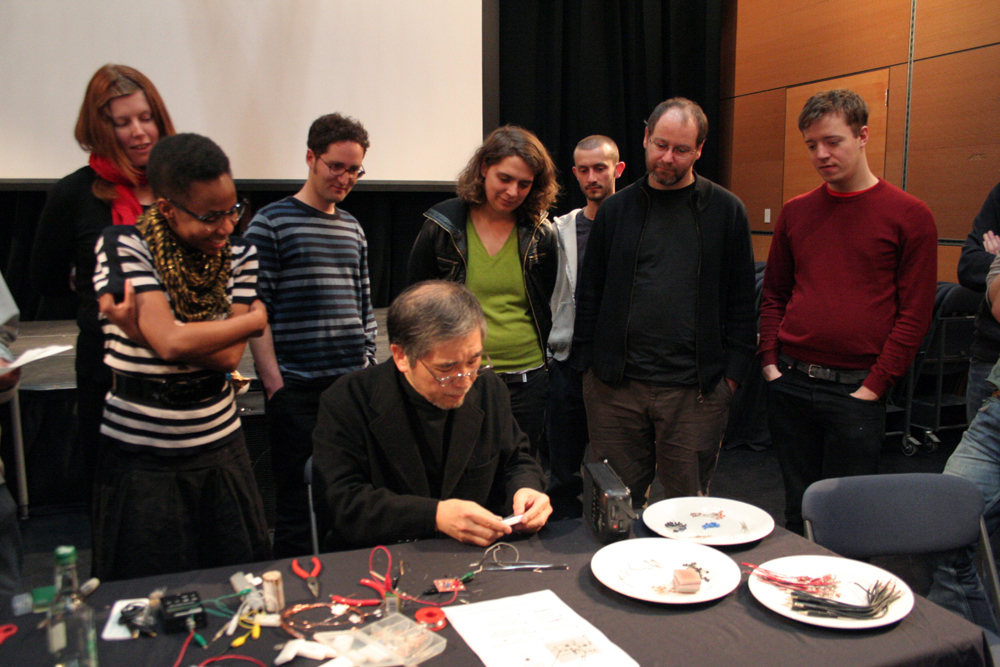
A simple hands on workshop with micro-radio theorist and pioneer Kogawa.
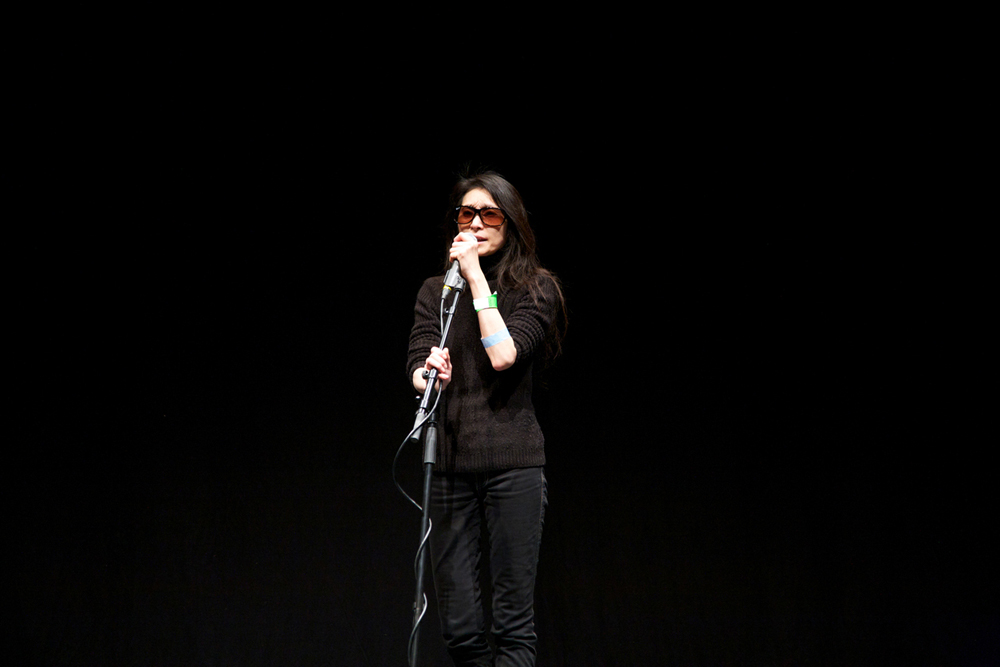
Pitching Fahey inspired, eastern-infused folk vibrations, sad elliptical drones and oracle chants into one kaleidoscopic sound.
Harrowing but musical confrontations with the very real, physical and aural trauma of a woman screaming.
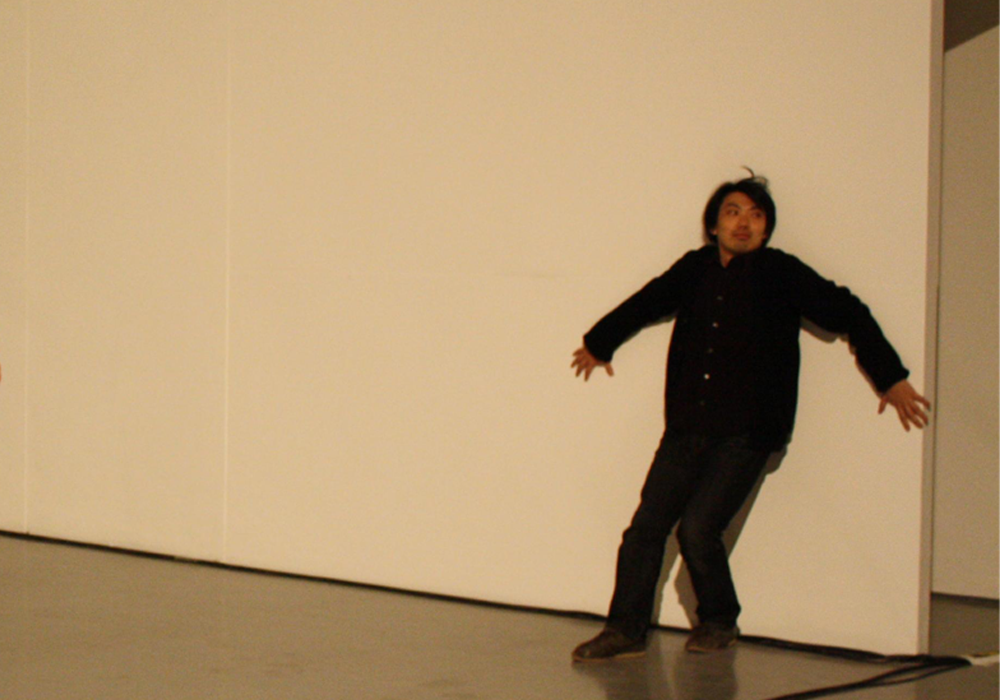
With Taku we’ll carry out some simple proposals for doing almost nothing, for re-thinking sound with whatever comes to hand.
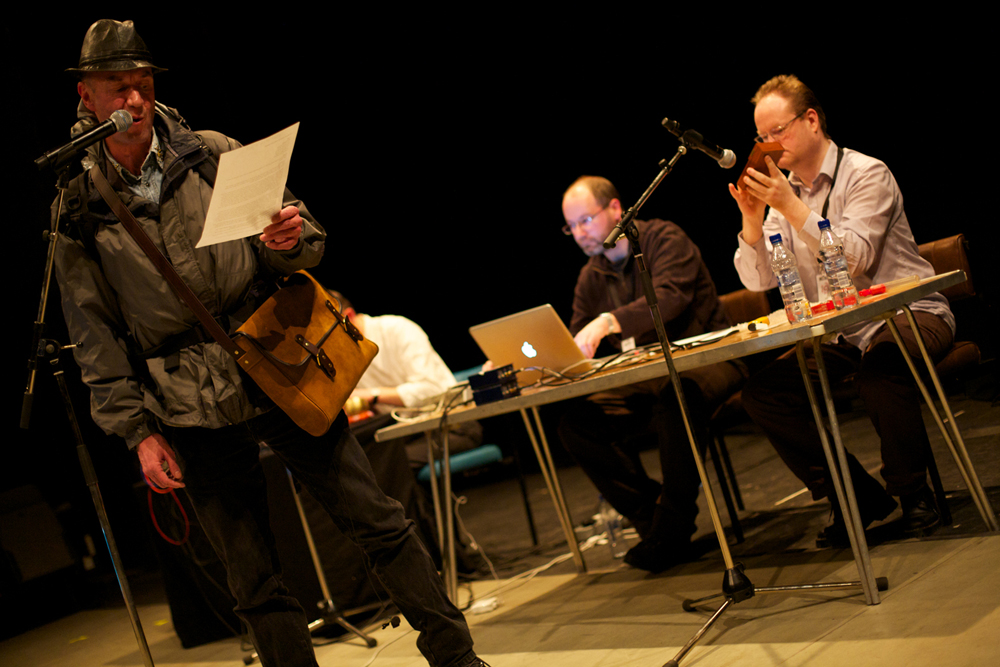
The first performative part in a game of chance and endurance as actor Tam Dean Burn constantly broadcasts for 24hrs.
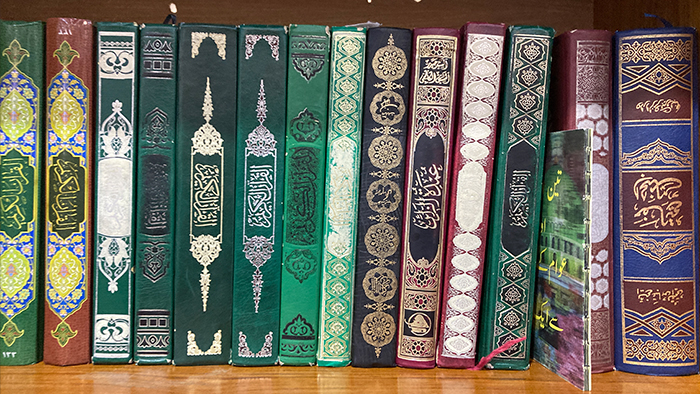
Sadia Shirazi & Mezna Qato will discuss a series of scores that explore the texture and landscape of exile, resistance, and Muslim sociality. These instructional scores trouble the idea that art and activism are untouched by faith and faith is untouched by art and activism.
Since the 1960’s Oliverios has had a profound influence on generations of musicians through her work with myth and ritual, improvisation and meditation.
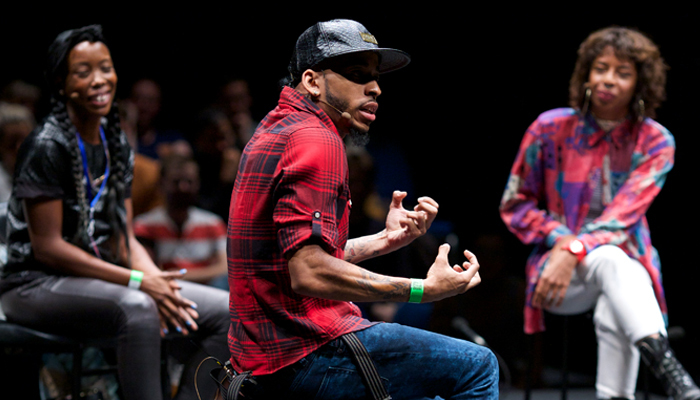
A freestyle performed conversation for bodies and voices – with the Queen of Krump, the master of Vogue Femme Dramatics and the rising star of Vogue Women’s Performance.
A sort of prayer and conference, a sort of scream and dialogue – a monologue and declaration at the time, addressing how we can build complicity with one another.
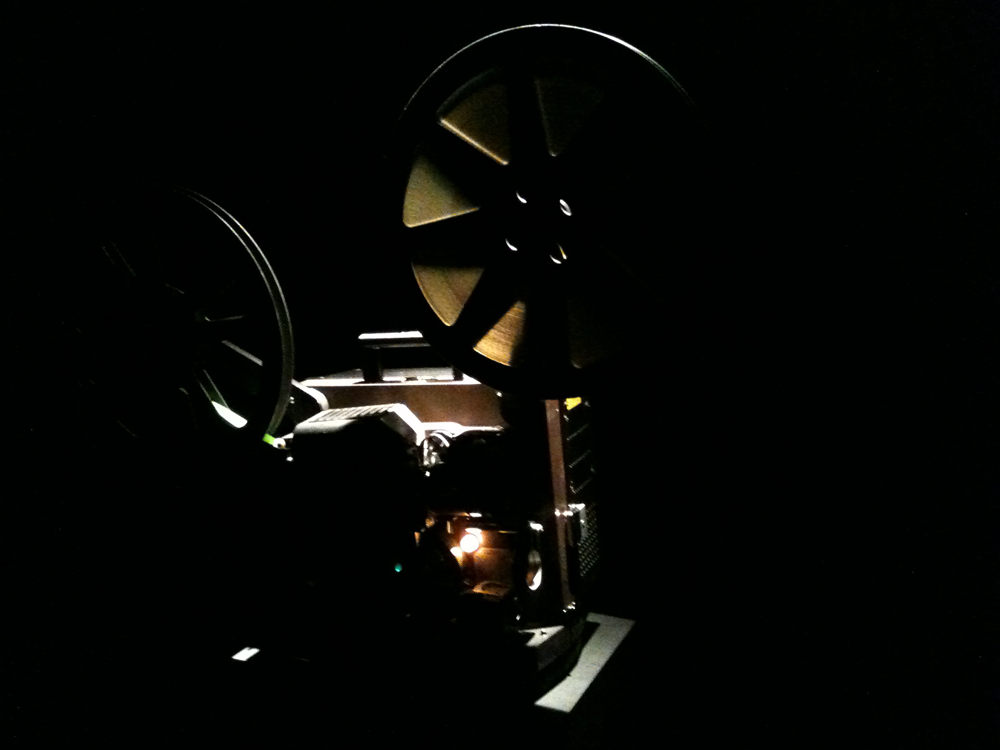
A film installation as both allegory and investigation of The Rockridge Institute and their research into ‘framing’ and the use of metaphor within political discourse.
Instead of the one-way monologue of normal performance, what would be the result of an actual collective dialogue? Where would it go?