Killer of Sheep
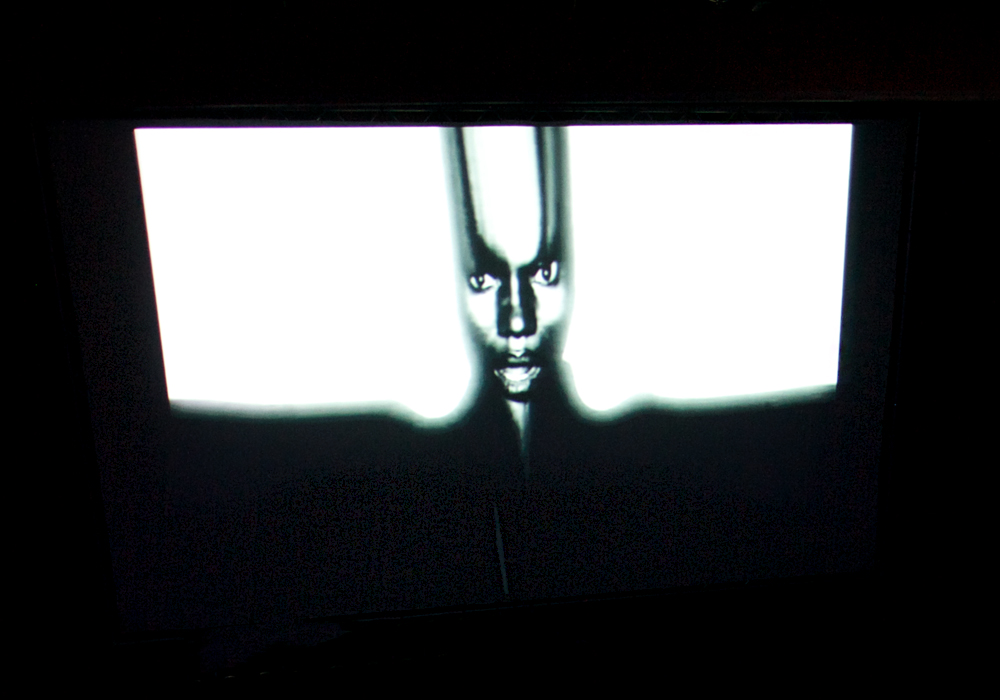
Killer of Sheep is an undisputed masterpiece of African-American filmmaking and one of the most poetic, perceptive dramas ever made about family and community.
Arika have been creating events since 2001. The Archive is space to share the documentation of our work, over 600 events from the past 20 years. Browse the archive by event, artists and collections, explore using theme pairs, or use the index for a comprehensive overview.
Killer of Sheep is an undisputed masterpiece of African-American filmmaking and one of the most poetic, perceptive dramas ever made about family and community.
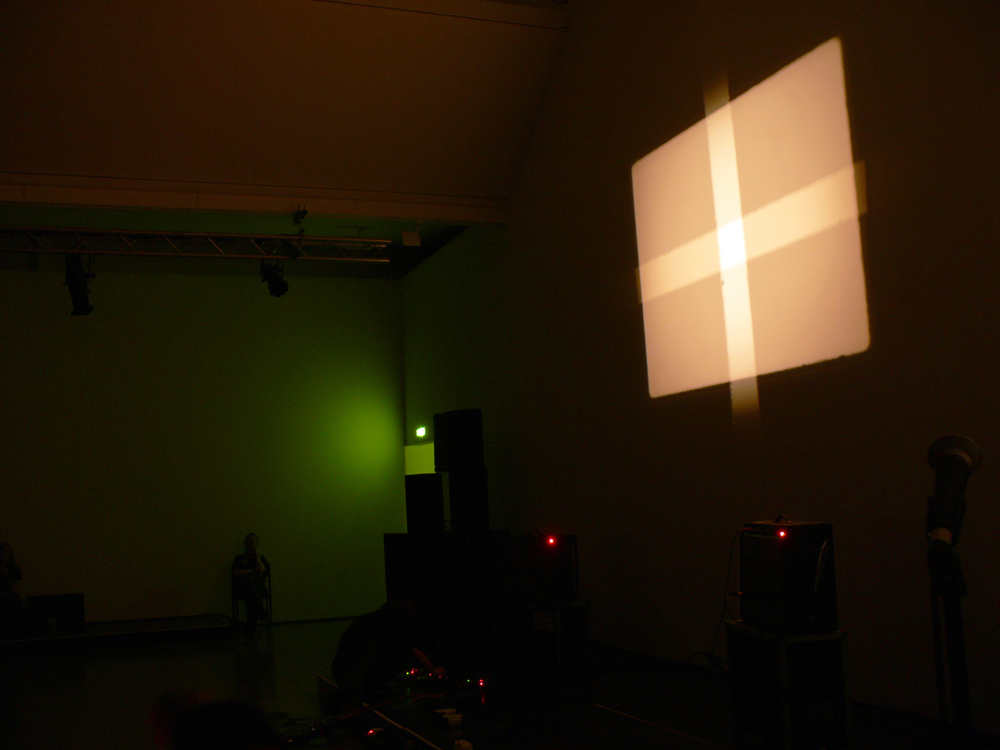
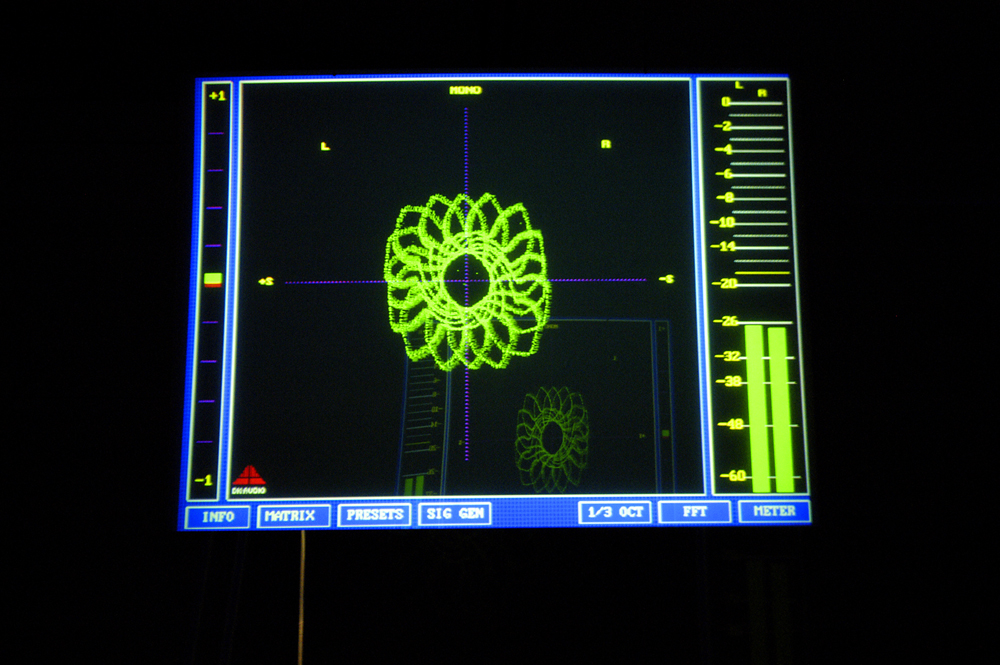
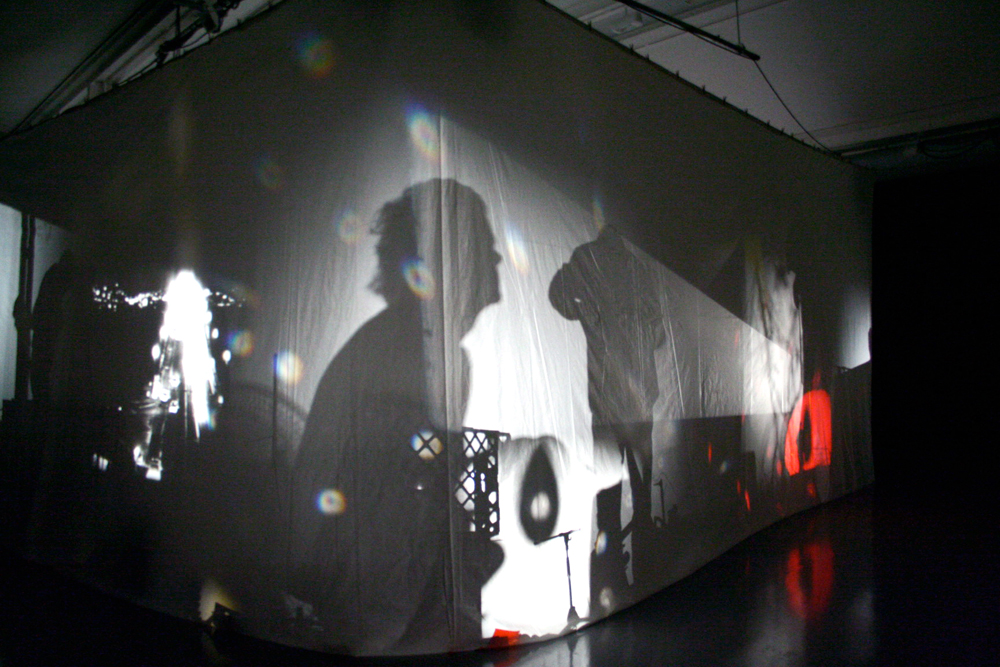
A stroboscopic and intense sensory overload of flashing abstract forms, cut to ribbons by modified projectors.
Dub is strange. A conversation with Edward George and Dhanveer Brar.
Moor Mother is a musician, Philadelphian housing activist and black quantum futurist.
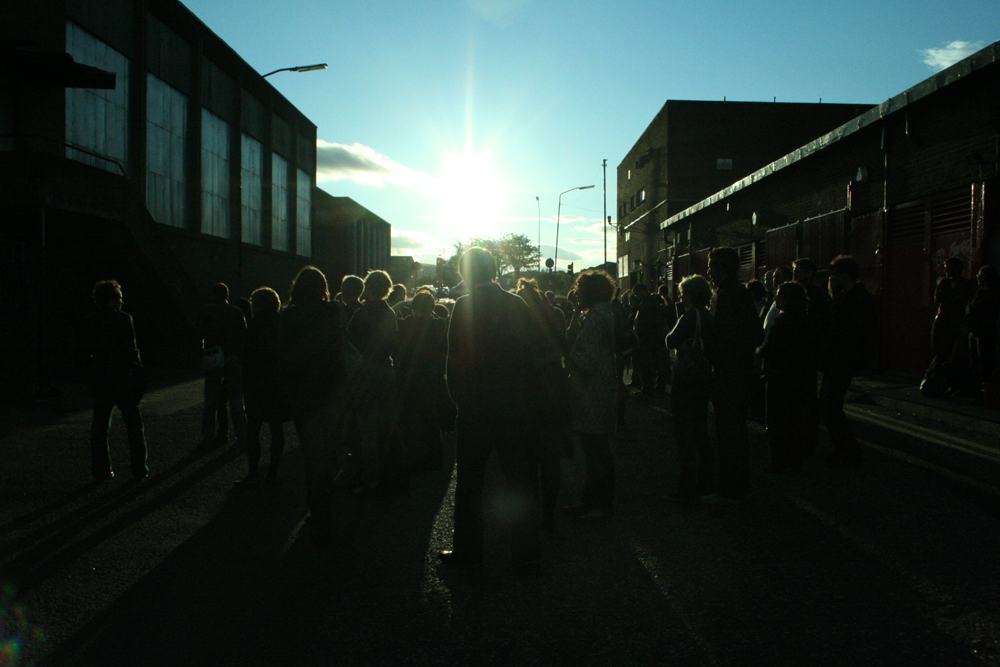
The site of the former Abbeyhill Station on the 1903 Leith branch of the Edinburgh and Dalkeith railway, overgrown and leading to as yet un-regenerated ‘wasteland’; taxi’s for 80 people, each instructed to take different routes between locations and; a slice of land concealed behind corporate business park branding off the Wester Approach Rd, apparently of no conceivable use and named ‘Chateaux de Scum’ by those who use it anyway.
An improvised film about our worlds at the brink, on the edge, in front of a crisis. To stand on the side of life, by seeing the resistance to genocide in Palestine as a turning point to overcome.
Sound as it is endured by space and the body: 15 participants lie face down and pound the floor with a microphone one thousand times, each person choosing their own rhythm and intensity.
Cardboard boxes, metal guitar, critical homage, attempts to describe things you can’t describe. A one-man Grand Guignol school play.
Coming to us from Taipei, Yo-Yo sends us elsewhere while bringing us back with her to the timezone of tomorrow. A dancer, media artist, and choreographer who makes multi-dimensions and realms, Lin’s amplification of energies and connections across bodies devolves the separations we are taught to abide.
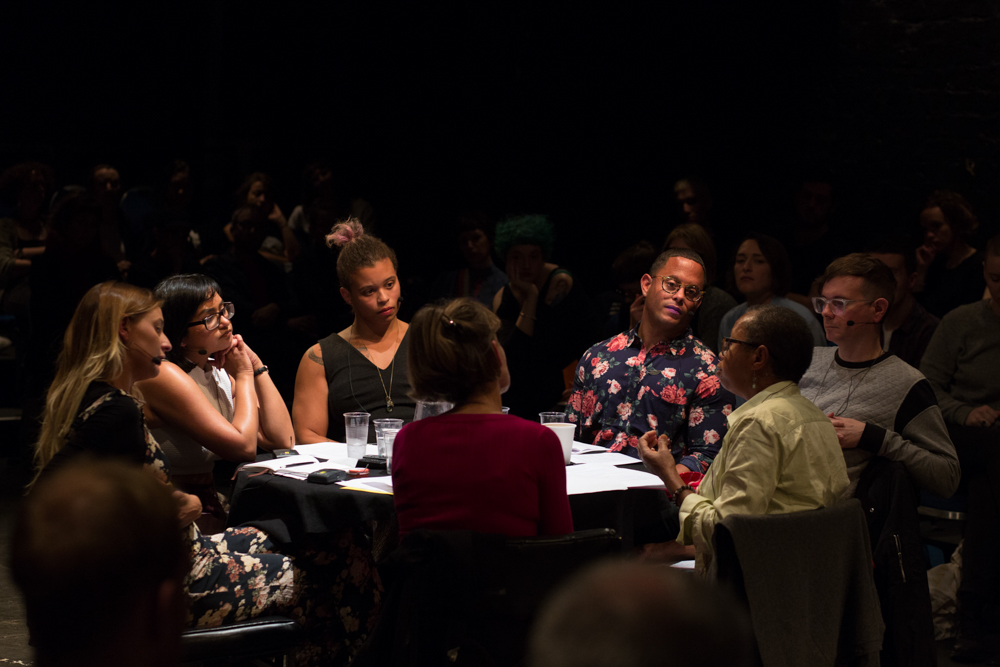
Thought and action, writing and protesting. A chat with Nat Raha, KUCHENGA and Jackie Wang asking what can be learnt from writing across genres by agitators, activists and abolitionists?
In a moment of social exhaustion, we want to ask how we might care for each other differently. We Can’t Live Without Our Lives is a 5-day exploration of care as a form of struggle and resistance, with communities who embody it.
An improvisation that may or may not involve (typical) improvisation.