Stalled at Universal – Box & Nimrod 33
Box Nimrod 33
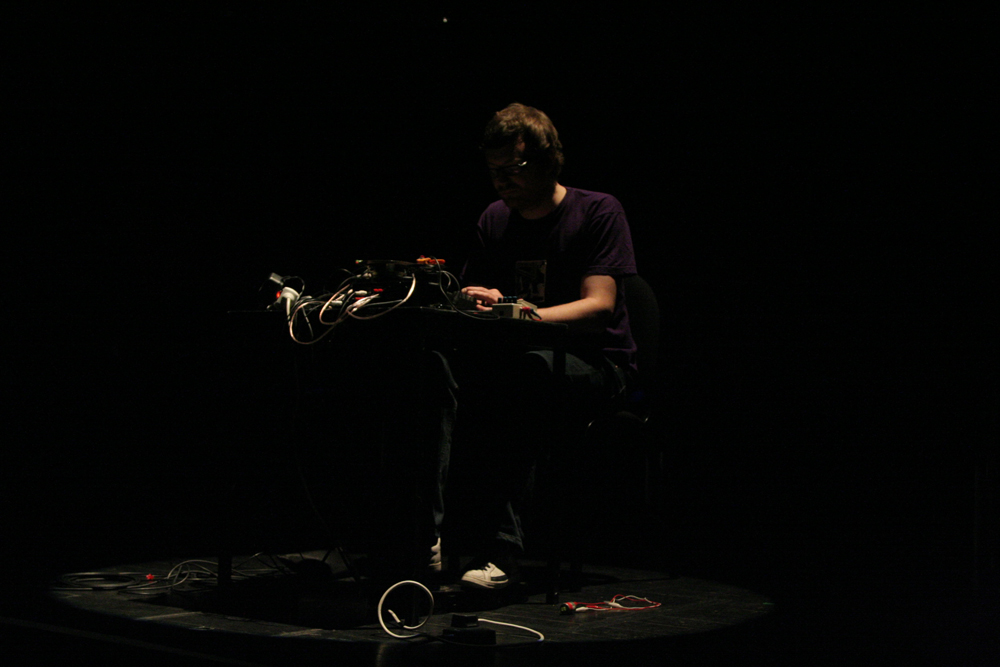
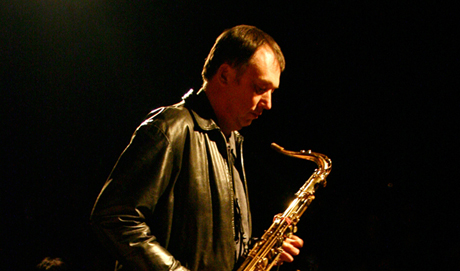
Dundee. Progressive rhythmical guitar squall vs. post-highland discorporate dusk-jockey.
Arika have been creating events since 2001. The Archive is space to share the documentation of our work, over 600 events from the past 20 years. Browse the archive by event, artists and collections, explore using theme pairs, or use the index for a comprehensive overview.
Dundee. Progressive rhythmical guitar squall vs. post-highland discorporate dusk-jockey.
Simon Morris is joined by Nick Thurston as they attempt to read aloud whilst peddling on exercise bikes.
Profound mathematical ideas for romantics, to help us linger in the difference we share.
Loïc and Marc are proposing a series of investigations into the tension between improvisation and recording and how it can be used to engage with different spaces and environments around Dundee
Bringing together artists working with music, sound, film and the moving image, KYTN 2008 saw performances, improvisations, screenings and installations over three days at DCA.
A rare live performance which, although not a full installation, made use of the unique acoustic and spatial properties of the Arches to rattle the audience and help it locate its third ear.
US percussionist, poet, sound artist and instrument maker performing on self-made instruments constructed from industrial materials such as stainless steel, titanium, PVC plastics and various kinds of pipe.
A solo improvisation using just the situation of the concert: a space, a PA, Mattin’s own thoughts, you, the audience.
A 101 panel on sex work in Scotland, hosted by National Ugly Mugs, Sex Workers Union, Scotland for Decrim (Decrim Now) host
A conversation between Philip and Moten: how do we read NourbeSe’s anti-narrative poetic lament in Glasgow today, given the city’s role in the history of slavery?
A series of three short performed situations and statements to be examined or judged from the most interesting young musician in Glasgow (we think).
The first of two workshops that highlight correspondence as a way of working. Somewhere between song, speech, and logistical arrangement, these workshops invite participants to consider care as infrastructure.