


16 May 2010
FACT
Craig Dworkin
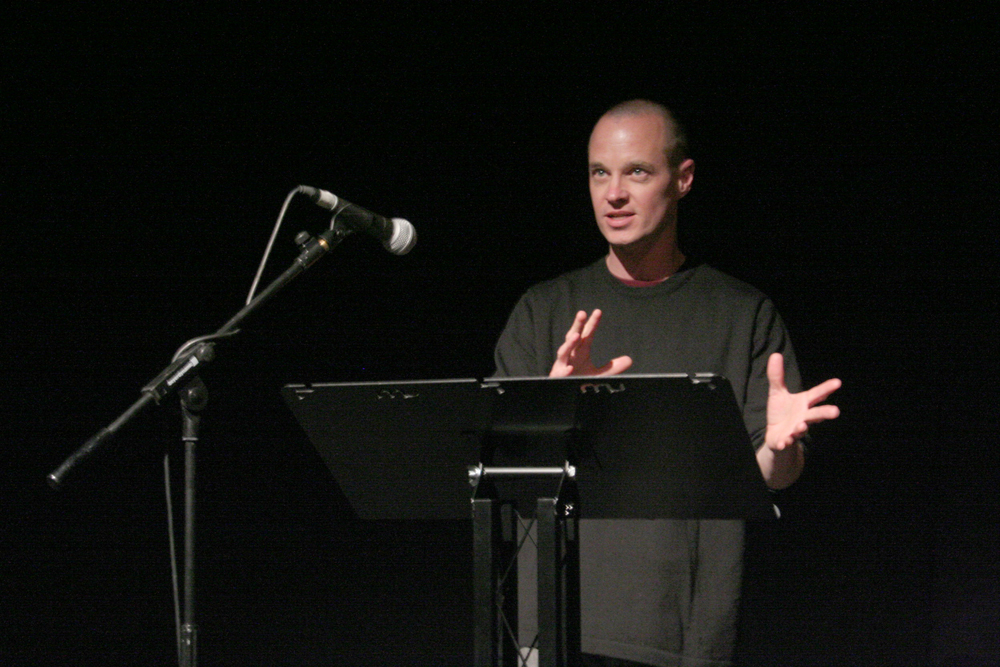
Dworkin asks: What would a non-expressive poetry look like? A poetry of intellect rather than emotion?
UNINSTAL
Arika have been creating events since 2001. The Archive is space to share the documentation of our work, over 600 events from the past 20 years. Browse the archive by event, artists and collections, explore using theme pairs, or use the index for a comprehensive overview.
Dworkin asks: What would a non-expressive poetry look like? A poetry of intellect rather than emotion?
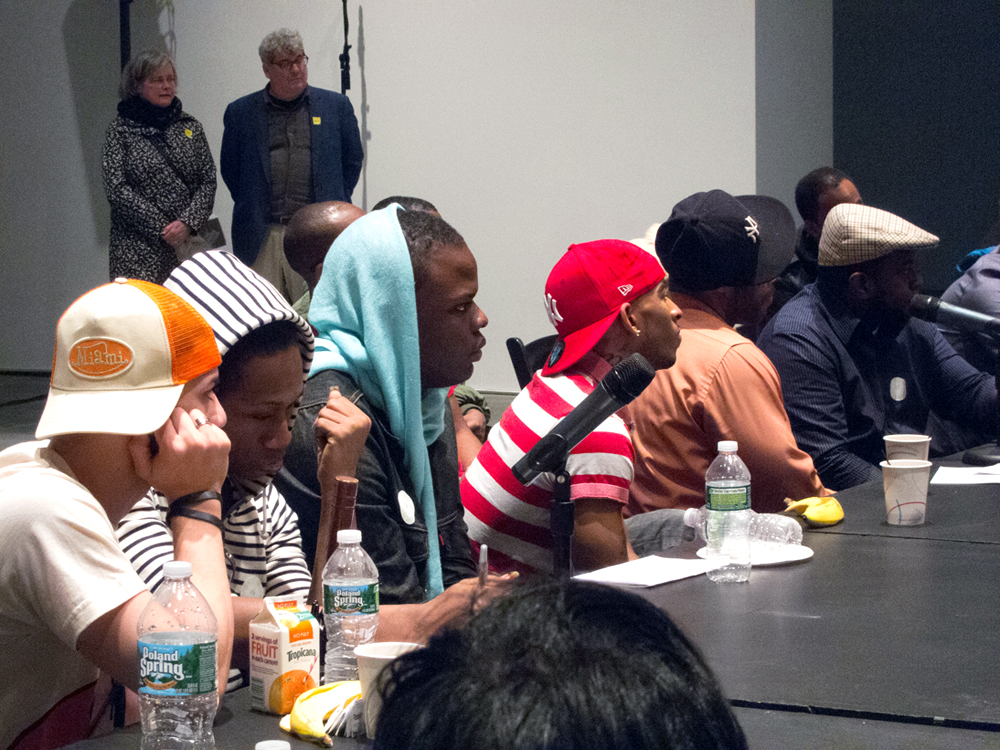
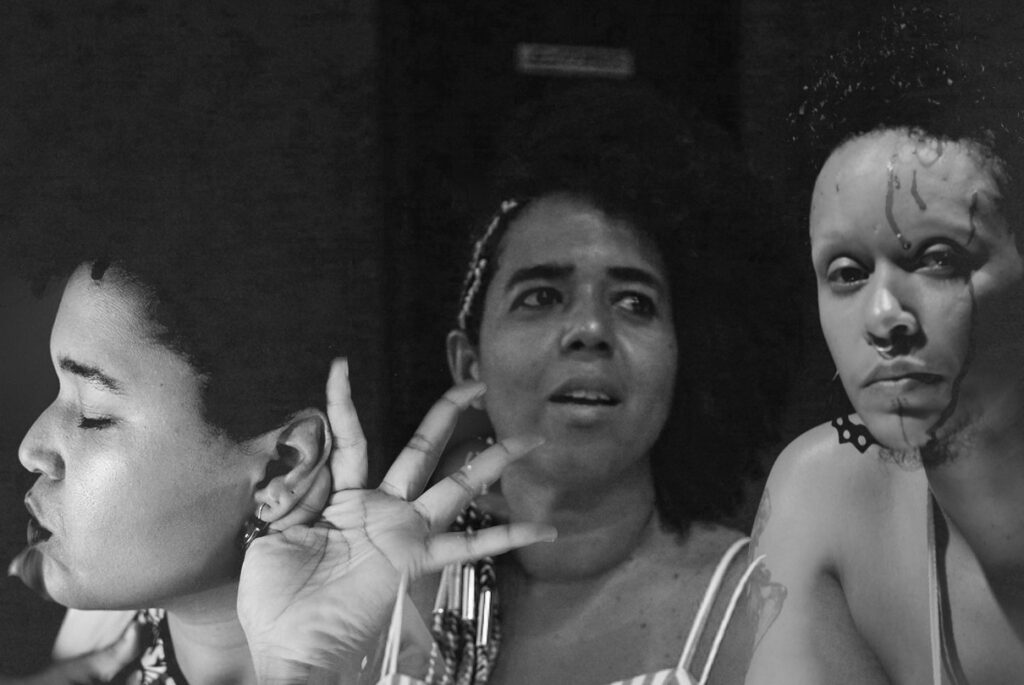
For day two of Ultra-red’s project, the investigation will take up protocols for listening to the sound of freedom composed and facilitated by the Vogue’ology collective.
Post consideration and post rationalisation… How do we think about experimental music and film after the performance?
Screening of films by Duvet Brothers, David Critchley, David Hall, John Latham, Judith Goddard, Mike Leggett, Tony Sinden

A welcoming intermission between events, open to the public.
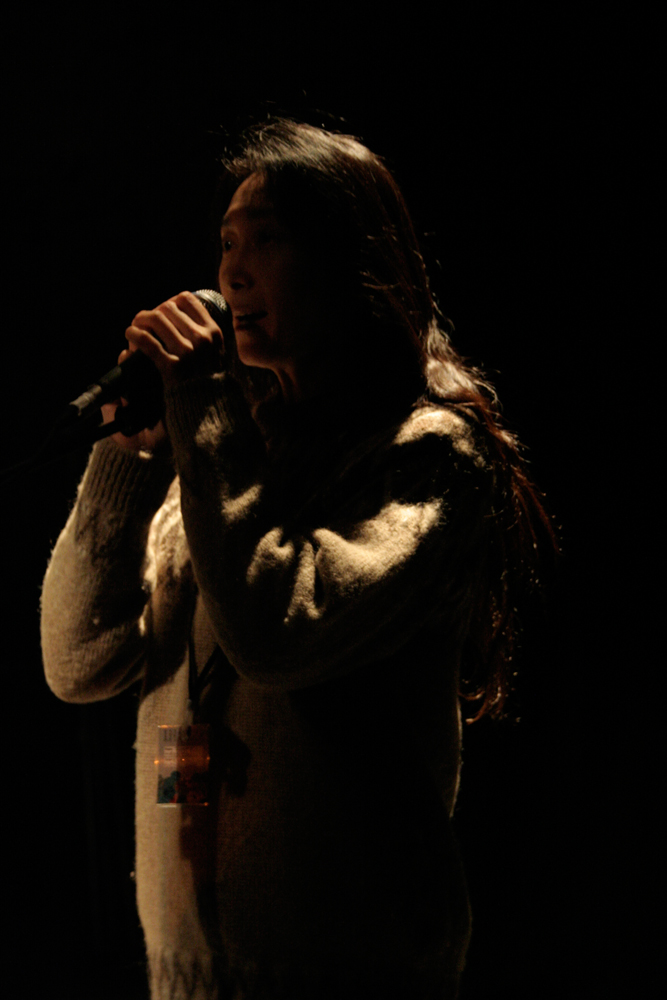
Trio vocal performance of a score by Achim Wollscheid with Aileen Campbell, Junko and Dylan Nyoukis.
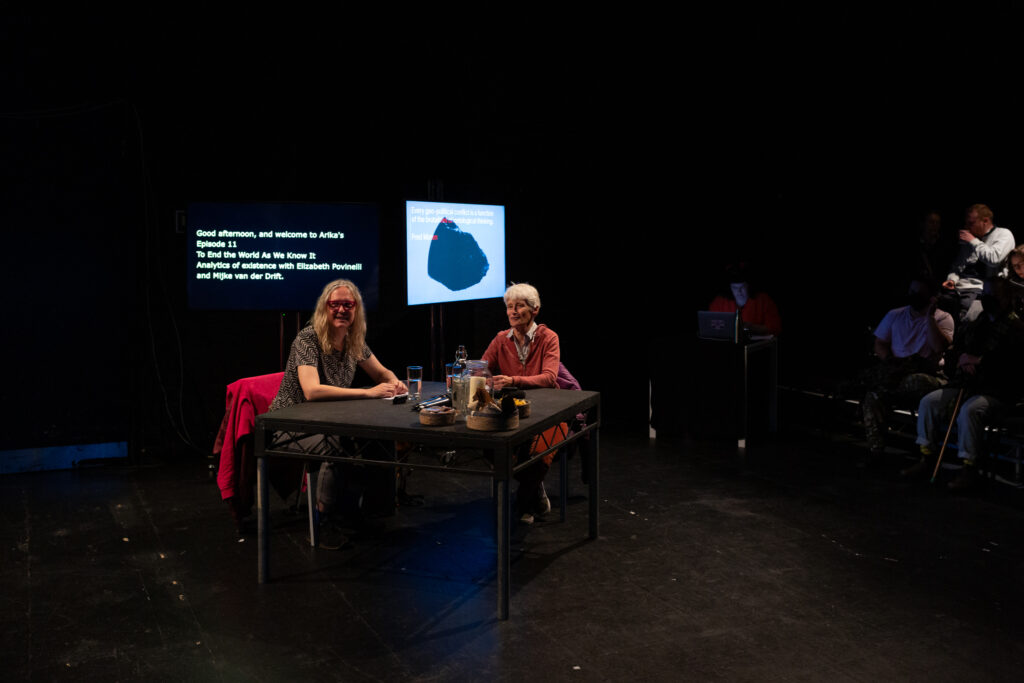
Elizabeth’s writing pulls apart toxic settler colonialism and the worldview used to justify it; working towards an alternative distribution of powers, so that ways of being otherwise can endure.
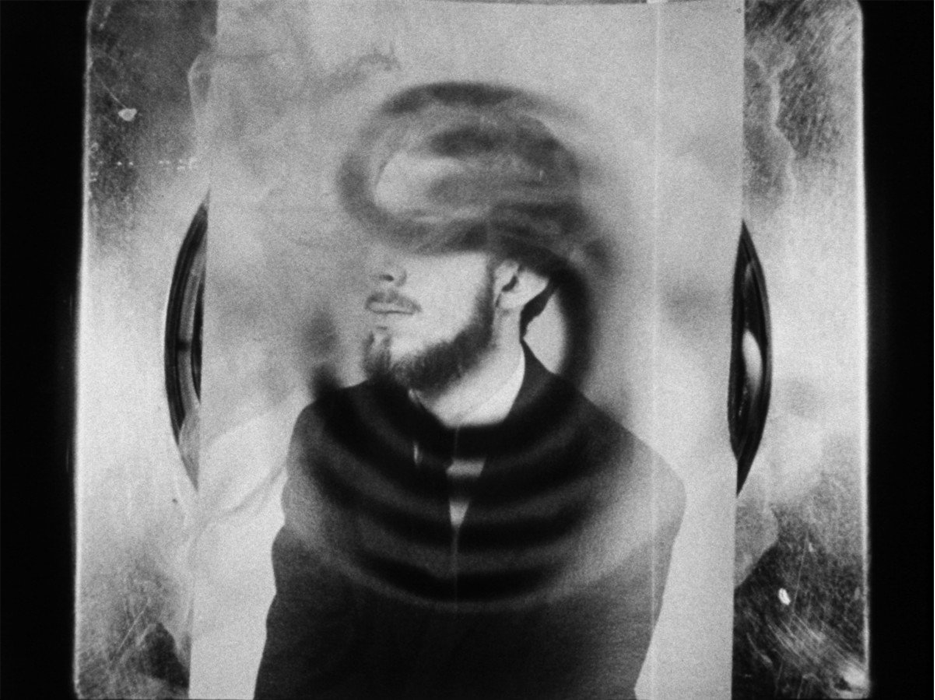
Sound and image slipping out of synch and into discord, the programme includes (in London at least) a very special version of Hollis Frampton’s masterful (nostalgia) with a live narration by Michael Snow.

Austrian guitarist who specialises in a warm digital deconstruction of guitar noise
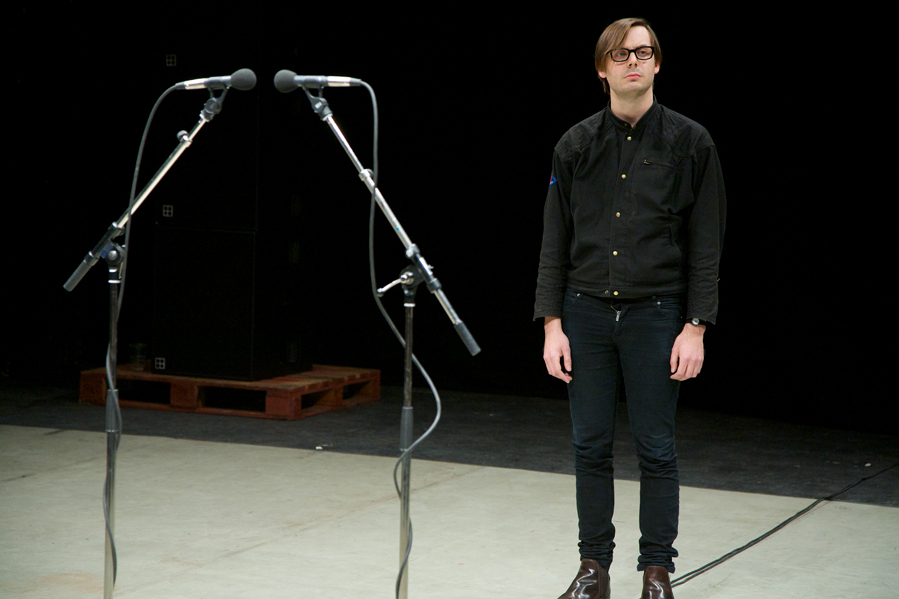
A solo improvisation using just the situation of the concert: a space, a PA, Mattin’s own thoughts, you, the audience.
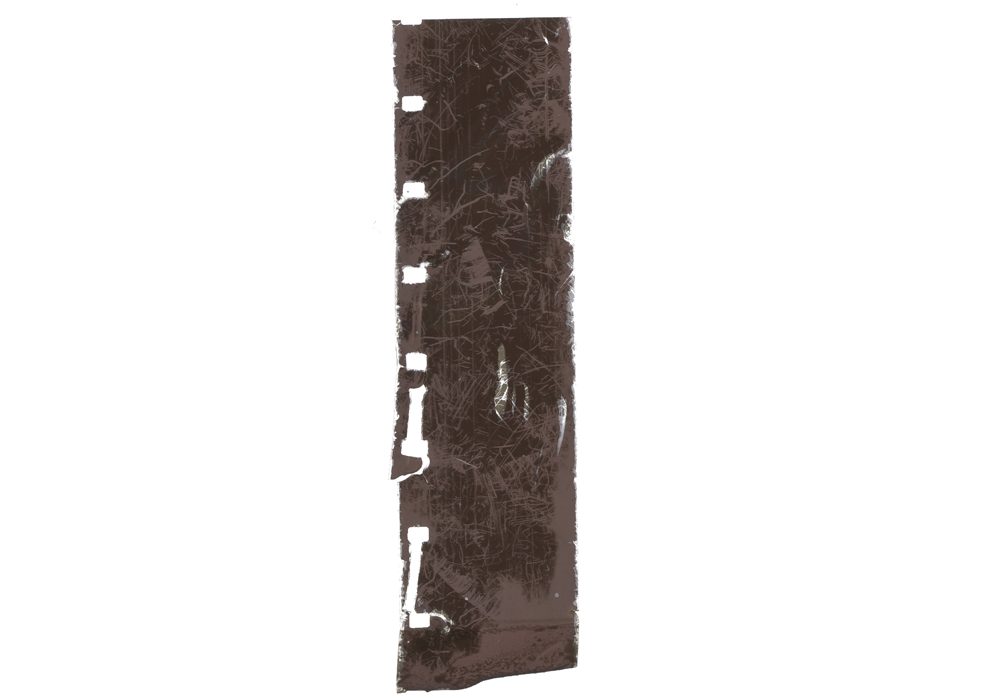
Includes: solar flares, insect fireworks, a new film from Ian Helliwell, pulsating glaciers, an apple being eaten alive, sea ravaged stock, crushed blackberries and film that has literally risen from the grave.