Object of Thought
Mattin
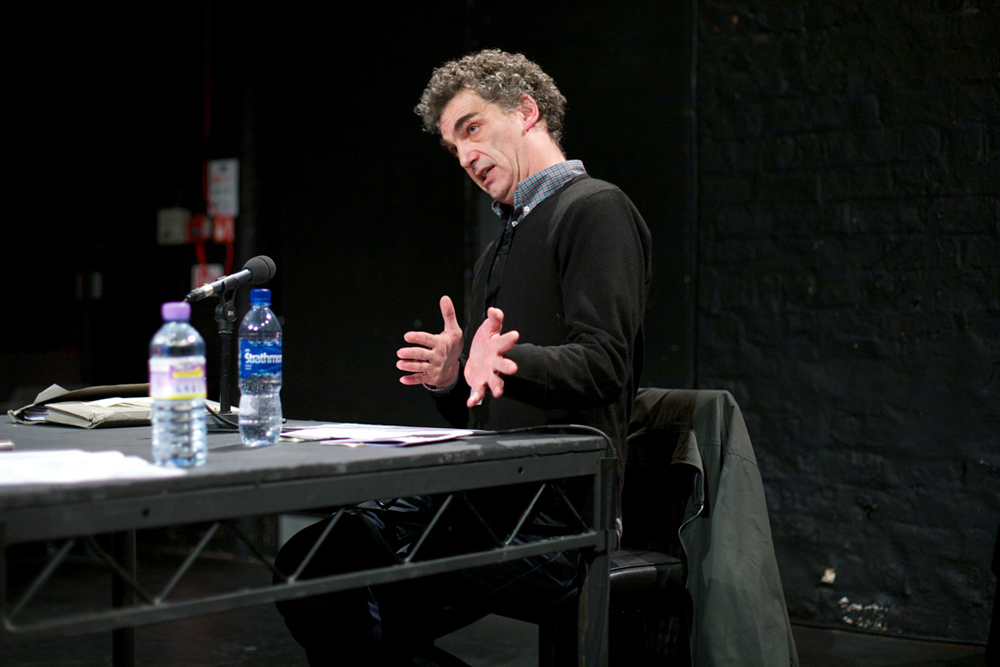
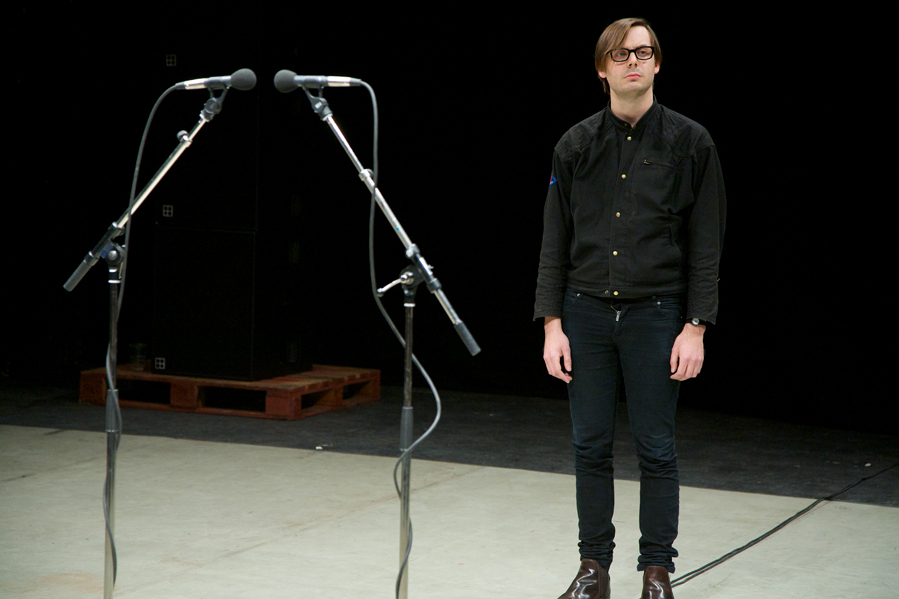
A solo improvisation using just the situation of the concert: a space, a PA, Mattin’s own thoughts, you, the audience.
Arika have been creating events since 2001. The Archive is space to share the documentation of our work, over 600 events from the past 20 years. Browse the archive by event, artists and collections, explore using theme pairs, or use the index for a comprehensive overview.
A solo improvisation using just the situation of the concert: a space, a PA, Mattin’s own thoughts, you, the audience.
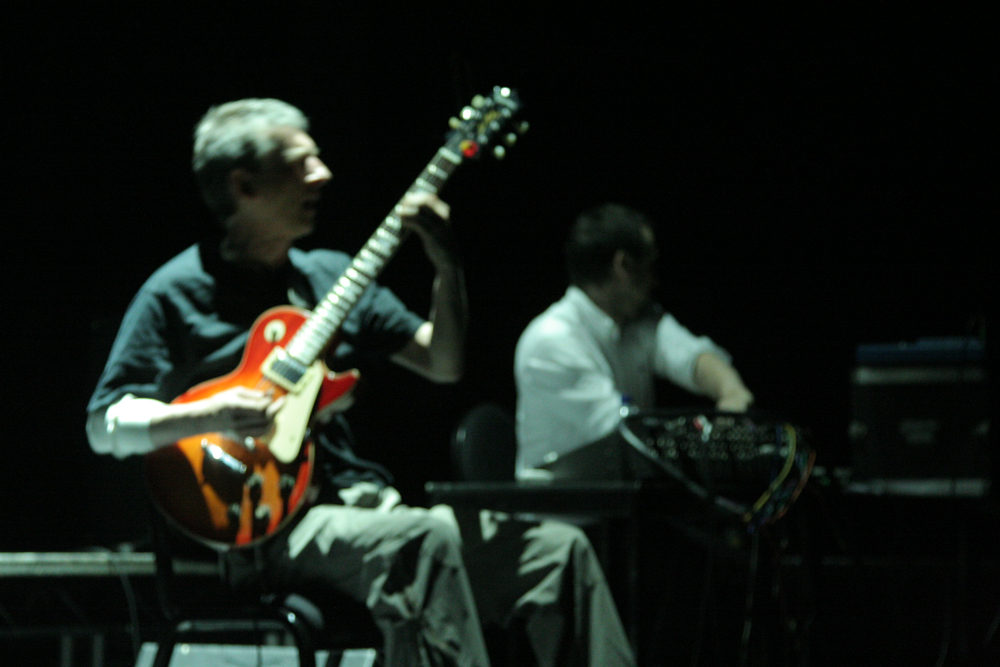
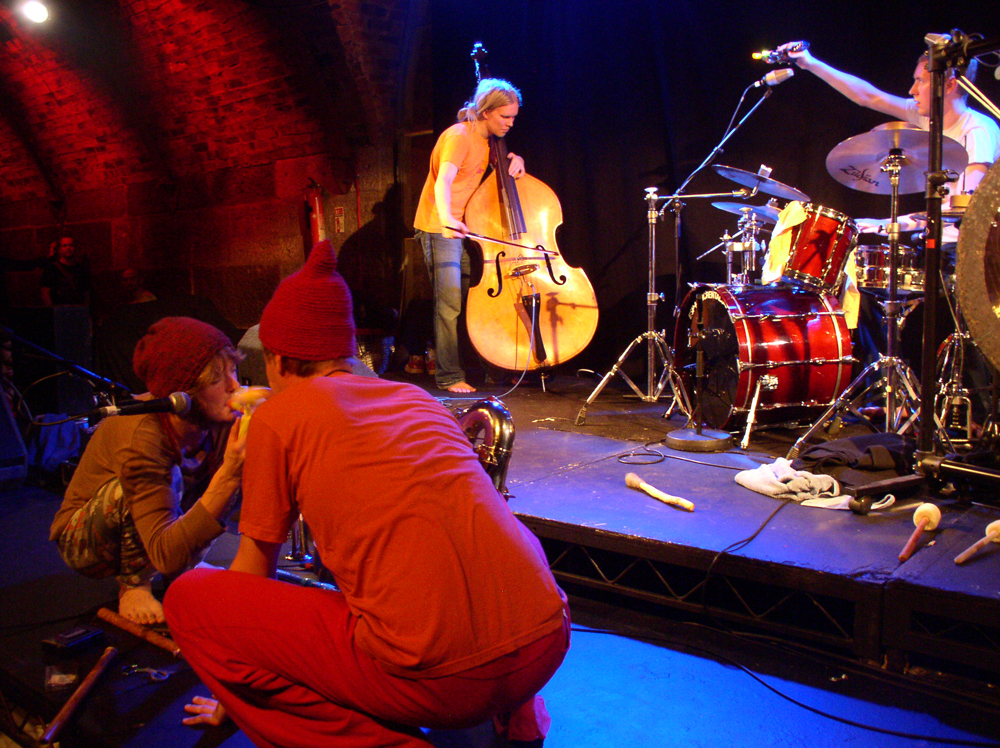
A preposterously heavy, eye of the storm musical tug of war, in which two drummers, electronics and electric guitar fall over each other in a droning crush.
A beautifully crisp, slowly evolving duo for cello and projected images. Abstract but still figurative; change only noticeable after the fact.
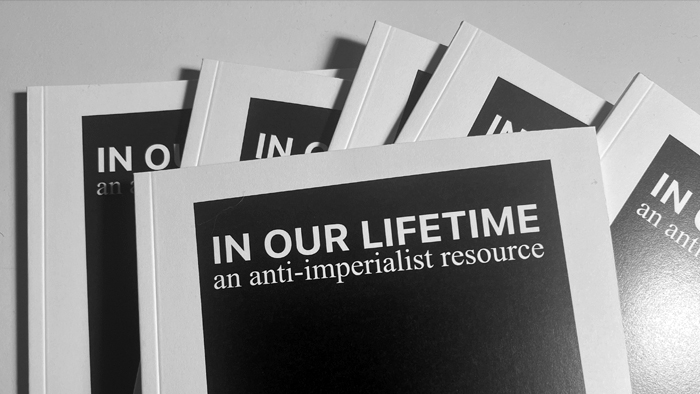
IN OUR LIFETIME, is an anti-imperialist resource, edited by Hussein Mitha, produced by Arika for Episode 11, featuring poetry, essays, questions, prompts, letters and works of anti-colonial imaginary.
Free-jazz chat with Sabir Mateen, Daniel Cater, Andrew Barker – hosted by Byron Coley.
Captures the creak and rustle of the forest, with an exhilarating tension let loose in unconfined maniacal and bare-knuckle group thinking.
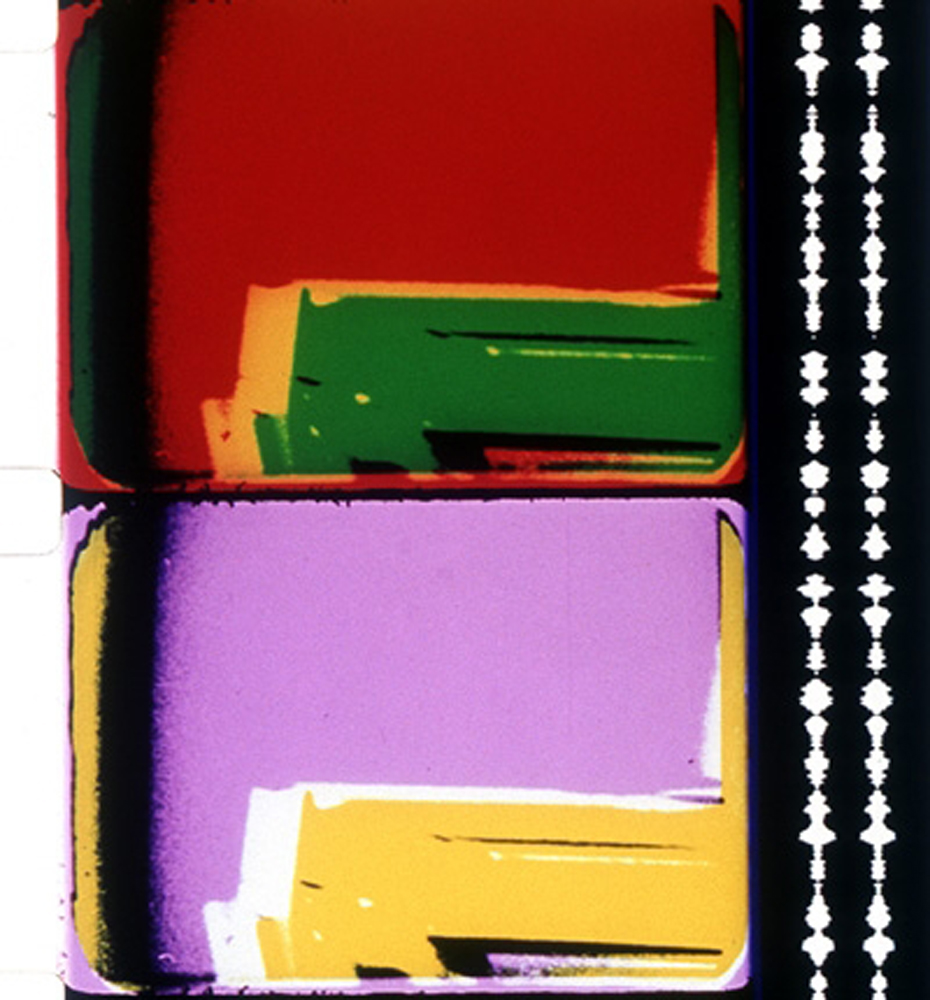
This programme takes human subjects as the focus for sound and image construction. And it includes a couple of masterpieces of experimental film: Paul Sharits’ deeply empathetic interpretation of epilepsy and Peter Kubelka’s Webern inspired abstract portrait of Arnulf Rainer.
Arika is working in partnership with Decriminalised Futures on a multi year collaboration featuring multiple creative projects exploring sex worker lives, experiences and movement struggles.
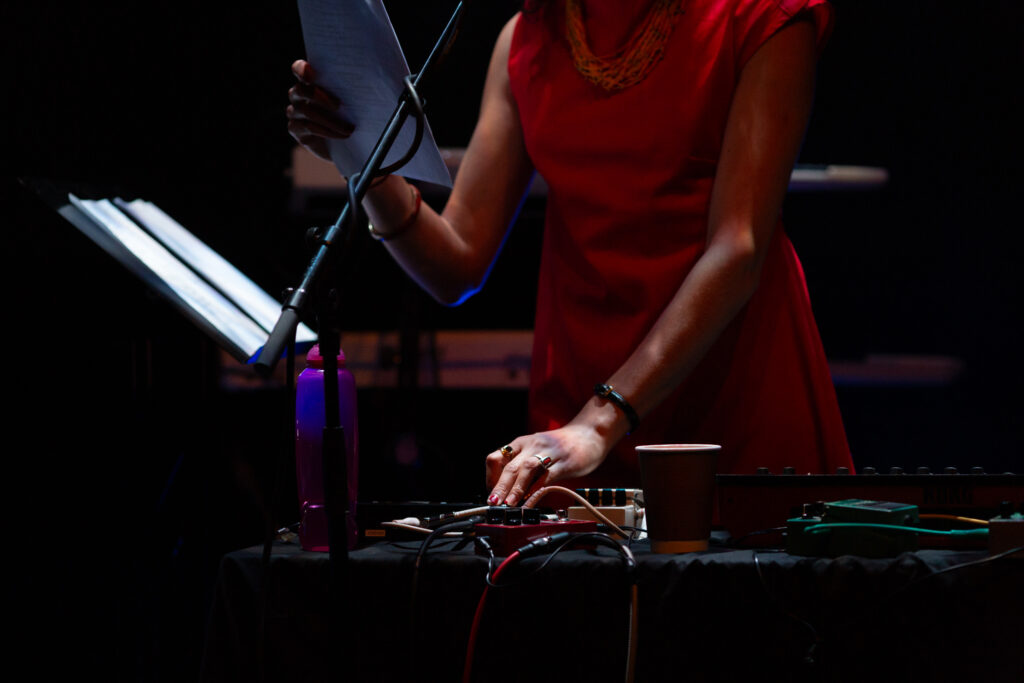
Transfeminist and revolutionary poetry, voice and timbral abstraction: a sounding and spatialising of reparative sonic and somatic practices that can speak back to violent histories of expropriation and ecocide.
Do art forms like black radical poetry, free jazz and improvisation create a space for the performance of freedom? Did they ever? And can they still do so now?
Our favourite Lancashire-born autodictact asks what’s political about the tension between the individual and the collective in free jazz.
How do you know what you want? Should freedom be doing what you ought, not doing what you want? How might a philosopher and artist turn this thinking into an enabling condition in the context of noise and improvisation?