



9 December 2001
The Arches
Fennesz
Fennesz
Austrian guitarist who specialises in a warm digital deconstruction of guitar noise
INSTAL 01
Arika have been creating events since 2001. The Archive is space to share the documentation of our work, over 600 events from the past 20 years. Browse the archive by event, artists and collections, explore using theme pairs, or use the index for a comprehensive overview.
Austrian guitarist who specialises in a warm digital deconstruction of guitar noise
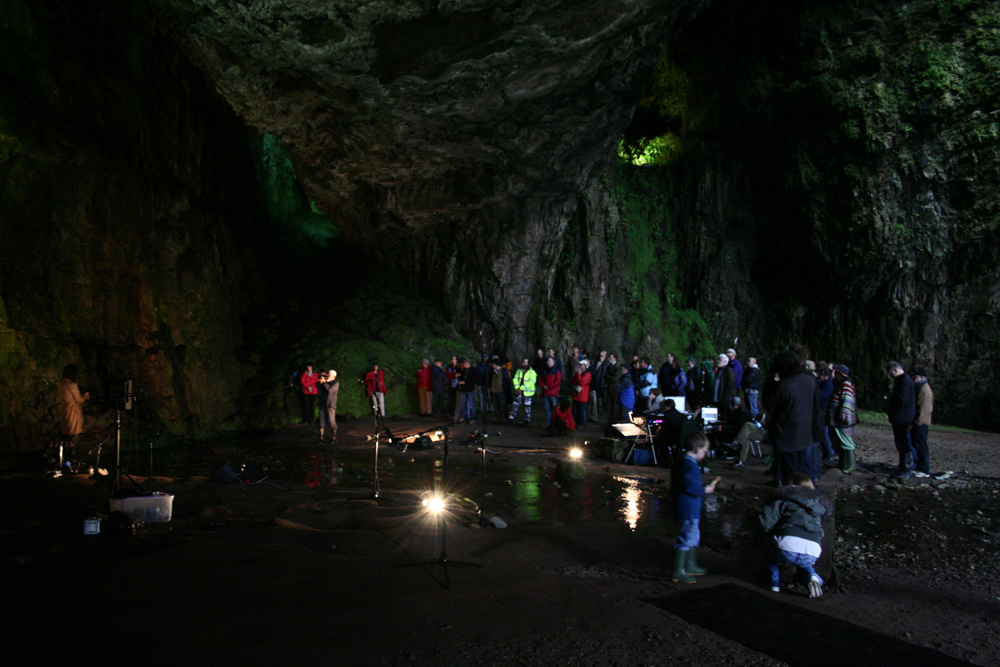
Akio Suzuki and John Butcher performing in a remote sea cave near Durness.
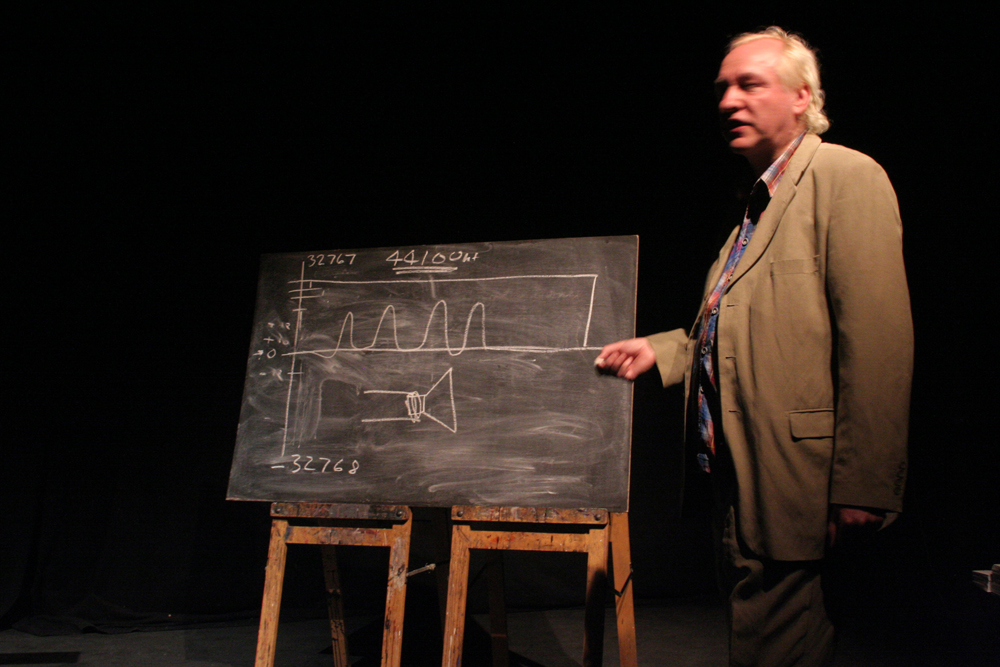
UK conceptual/ drone/ noise artist, who is seriously posing what might seem to be unanswerable questions of music.
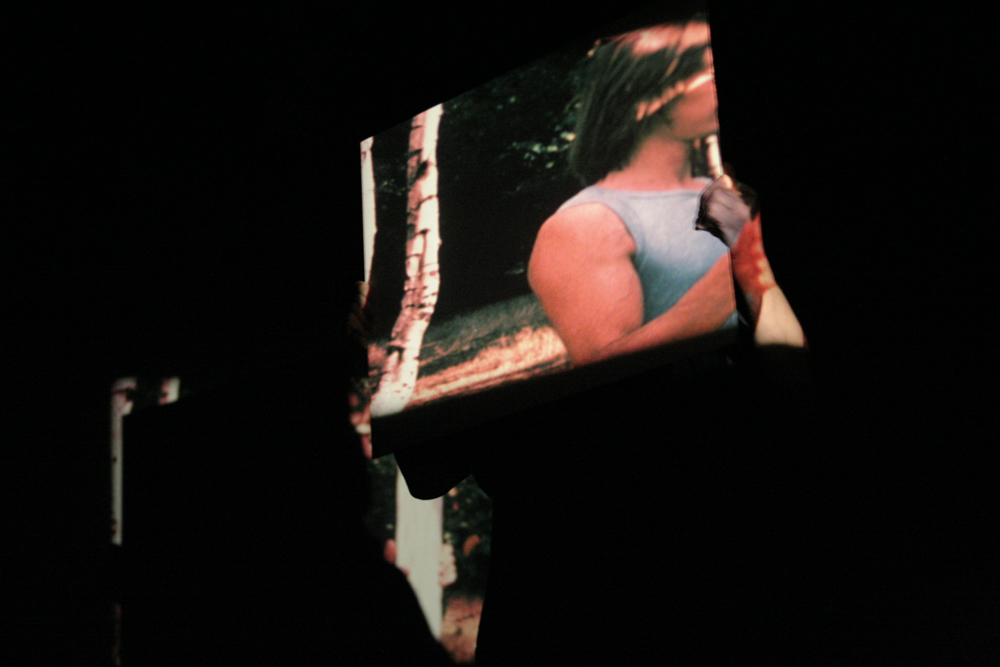
A film performance about Guy then, and Guy now, as a metaphor for the passing of time, which of course all film is inherently about.
A sound of buzzing and flickering metallic drones, glottal stops and guttural growls, and also an explosiveness and purity of sound that reminds you as much of Bill Dixon as anyone else.
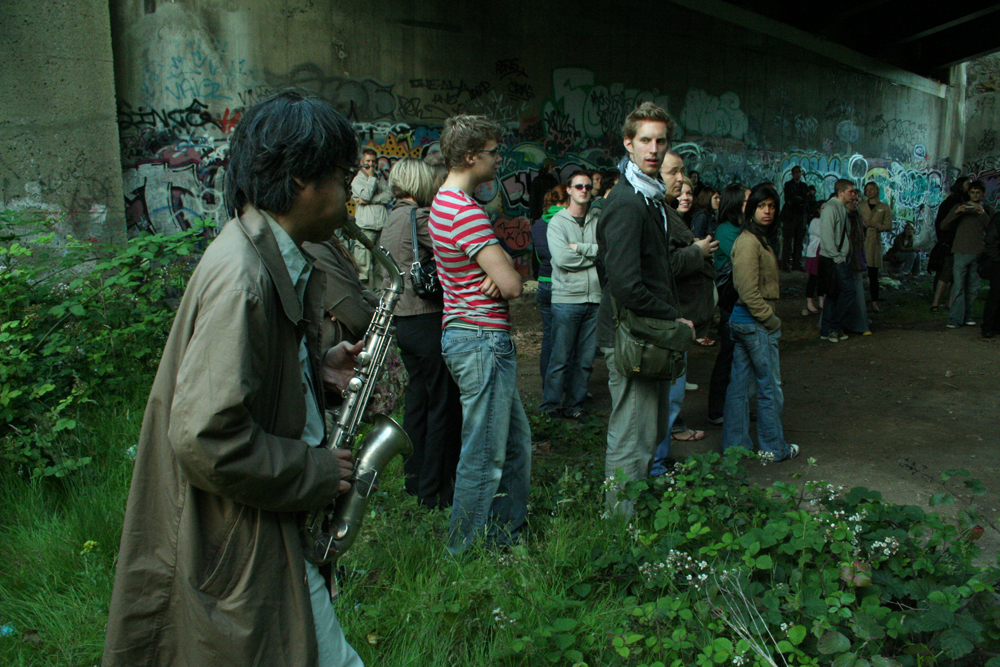
A concrete walkway ending in mid air, a ridiculously tight squeeze between three office buildings and various other sites of Labour politician and council leader T. Dan Smith’s modernist regeneration projects and ‘slum clearances’ of the 1950’s and 60’s.
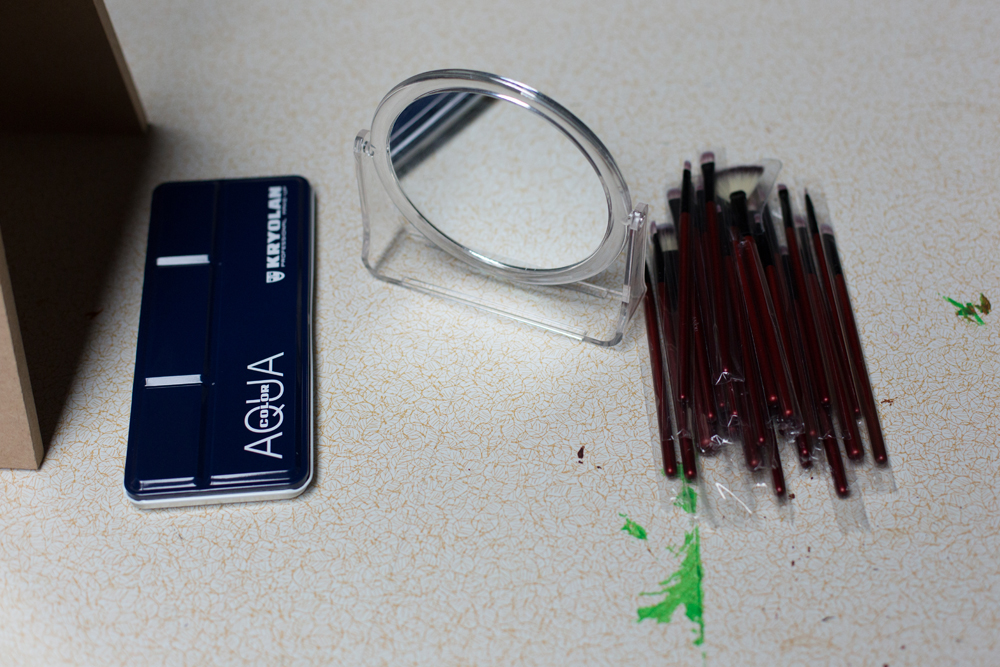
Underground movement legend boychild hosts this workshop—on improvisation, cosmetics, movement and lip-sync.
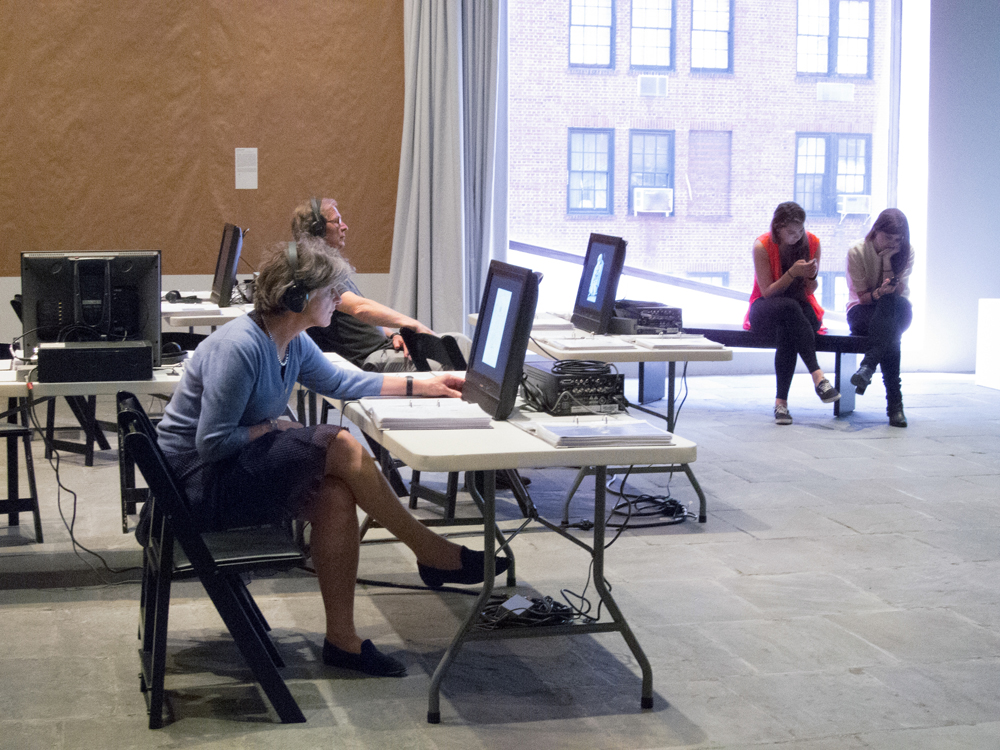
A temporary archive and research space tracing the ways in which sound and audition move through everyday life.
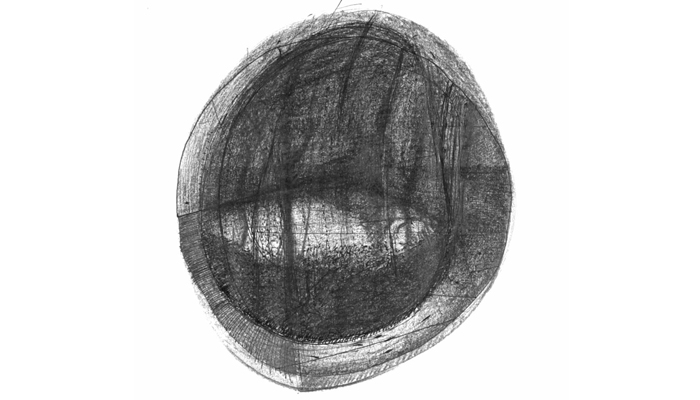
Each organ is unique. The project is to find out what makes it unique.
Can a musician create a sonic photograph; something with a depth of field, where you can hear sounds and their interconnections, much as you see objects and their relationships in a photo? Could a filmmaker use musical concepts to represent landscape?
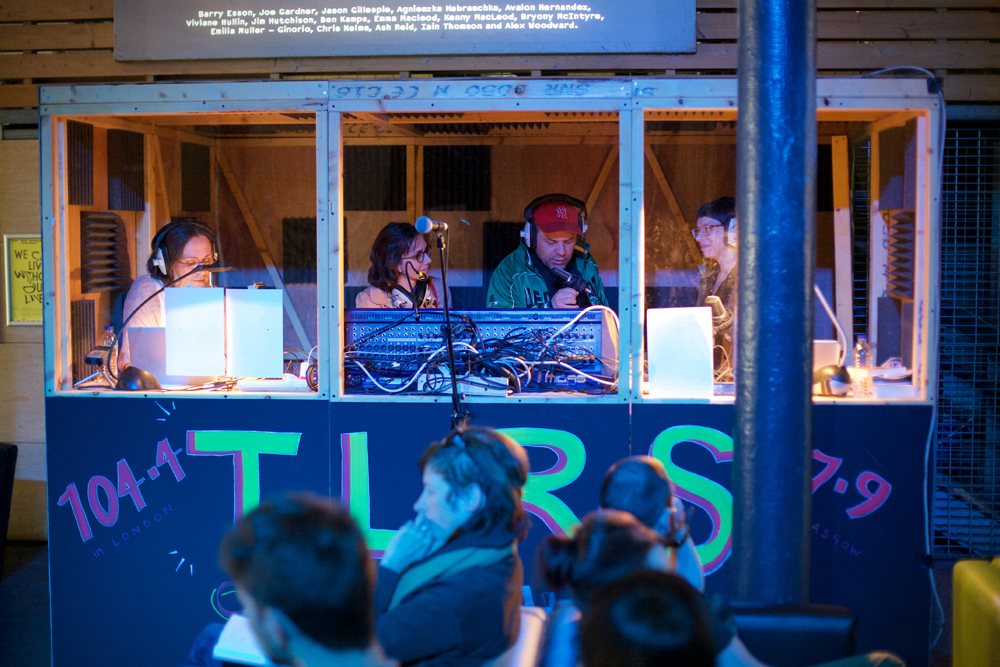
(Cyber)feminist, non-essentialist transgender and queer daily radio shows using the formula of morning radio as an arch way of thinking about the scripted behaviour and controlled empathy of systematic care.
Acting at the minimum. Each film here substitutes one small thing for another, (ironically) transforming received meanings by the simplest of actions; often kind of funny too.