Baby Dee
Baby Dee
Former street performer, organist, performance artist, circus performer, harpist, accordion player, tree surgeon and tricyclist performing solo.
Arika have been creating events since 2001. The Archive is space to share the documentation of our work, over 600 events from the past 20 years. Browse the archive by event, artists and collections, explore using theme pairs, or use the index for a comprehensive overview.
Former street performer, organist, performance artist, circus performer, harpist, accordion player, tree surgeon and tricyclist performing solo.
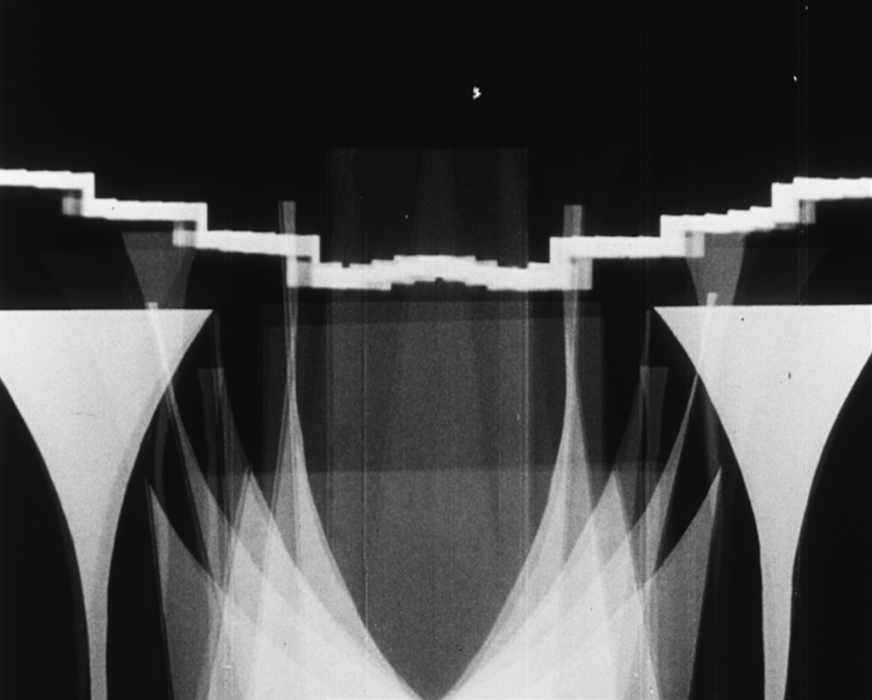
This programme takes human subjects as the focus for sound and image construction. And it includes a couple of masterpieces of experimental film: Paul Sharits’ deeply empathetic interpretation of epilepsy and Peter Kubelka’s Webern inspired abstract portrait of Arnulf Rainer.
Durational group-mind drone and clatter: bamboo, electronics, the contents of your local ironmongers bin. A 3-hour set from this legendary Japanese improvisation group.
Three speakers play back pre-recorded sounds, Marc listens and responds: “What is played is the imperfect witness of what I listen to (or maybe better, how I listen).”
Can we use sound, repetition and difference to personally and collectively engage with space, time and labour?
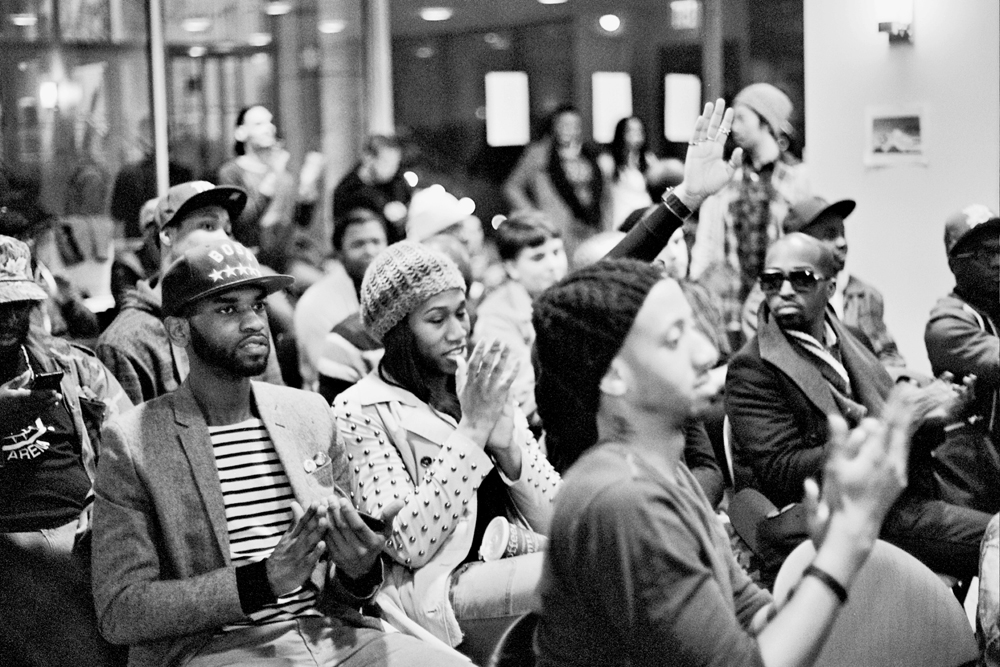
Open community meeting to discuss some of the prevalent concerns impacting the ballroom community.
Can we use sound, repetition and difference to personally and collectively engage with space, time and labour?
“Introduction to Protactile Theory” is a legendary seminar that facilitator John Lee Clark has designed to bring diverse communities into conversation with the Protactile movement.
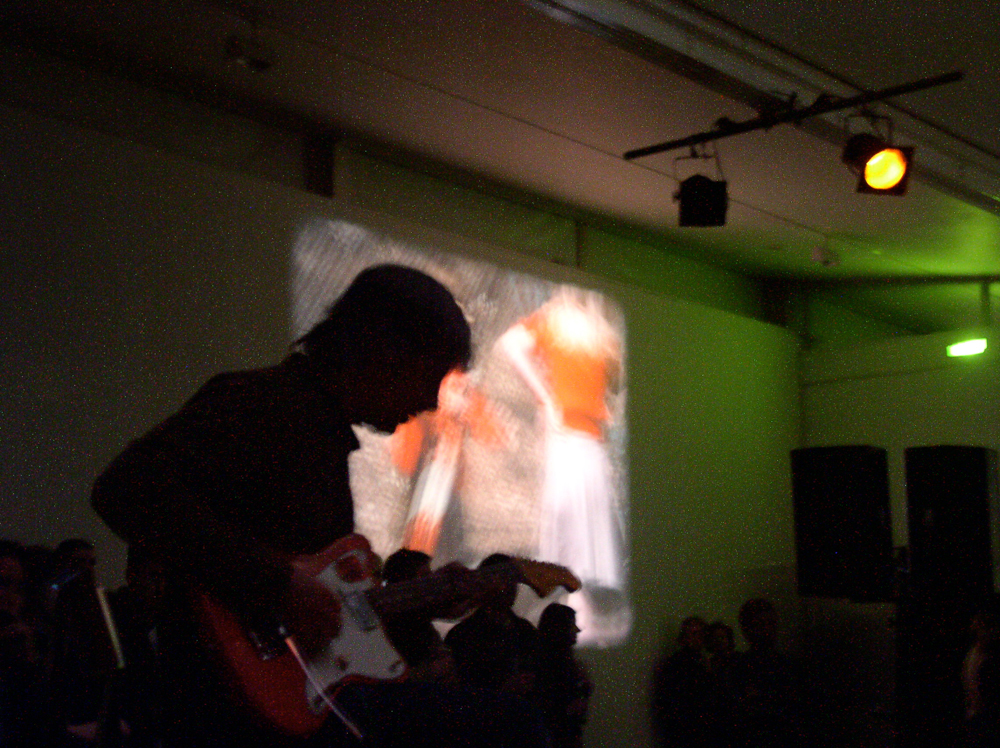
Performances at Anthology Film Archives by by Loren Mazzacane Connors, Alan Licht & Jandek.
Our favourite Lancashire-born autodictact asks what’s political about the tension between the individual and the collective in free jazz.
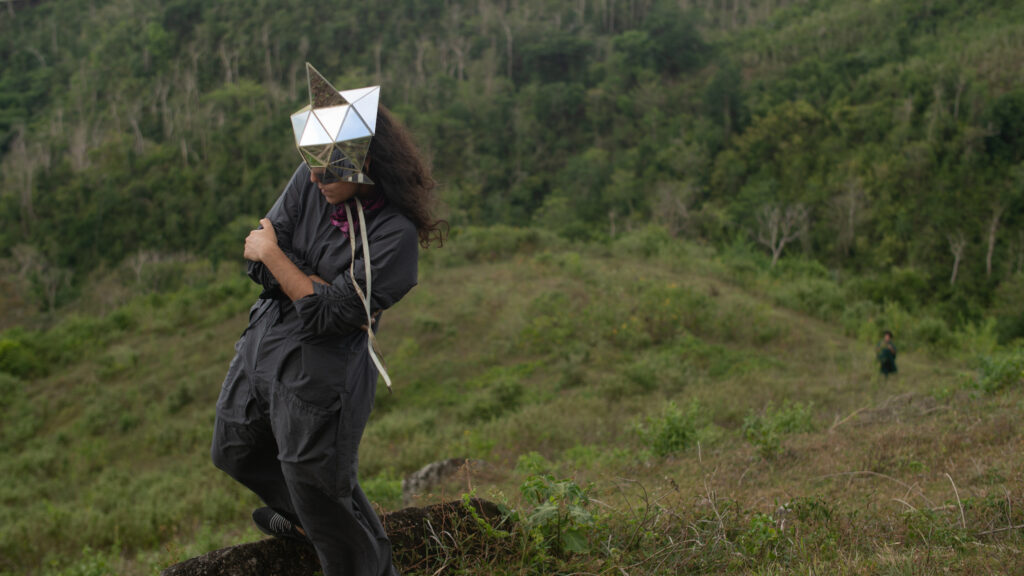
A somehow hyper-modern, ancient and folkloric lip-synced, made-up, fashioned performance.
If life is assaulted by power, where do we find spaces for living? A conversation with Peter Pál Pelbart.