



13 October 2006
The Arches
Oshiri Penpenz
Oshiri Penpenz
No Wave, damaged garage jams and crazed instant vocal shrieks.
INSTAL 06
Arika have been creating events since 2001. The Archive is space to share the documentation of our work, over 600 events from the past 20 years. Browse the archive by event, artists and collections, explore using theme pairs, or use the index for a comprehensive overview.
No Wave, damaged garage jams and crazed instant vocal shrieks.
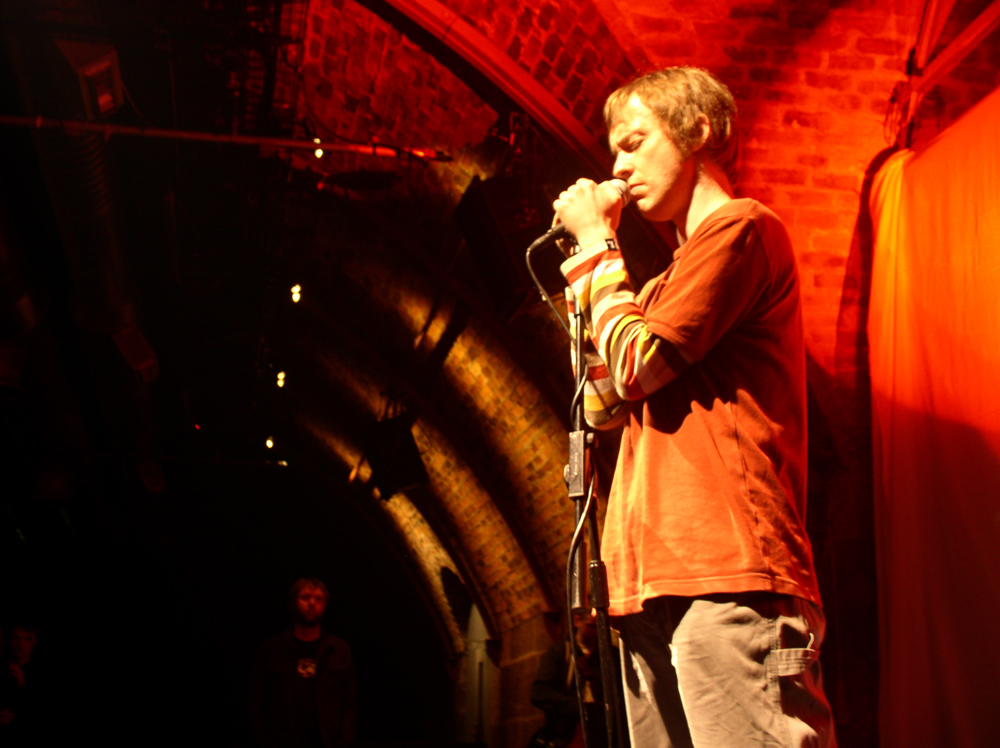
One of the most incessantly experimental musicians in the UK, Youngs’ aesthetic is entirely unique, never really part of any scene [whilst influencing many], steadfastly unafraid and honest
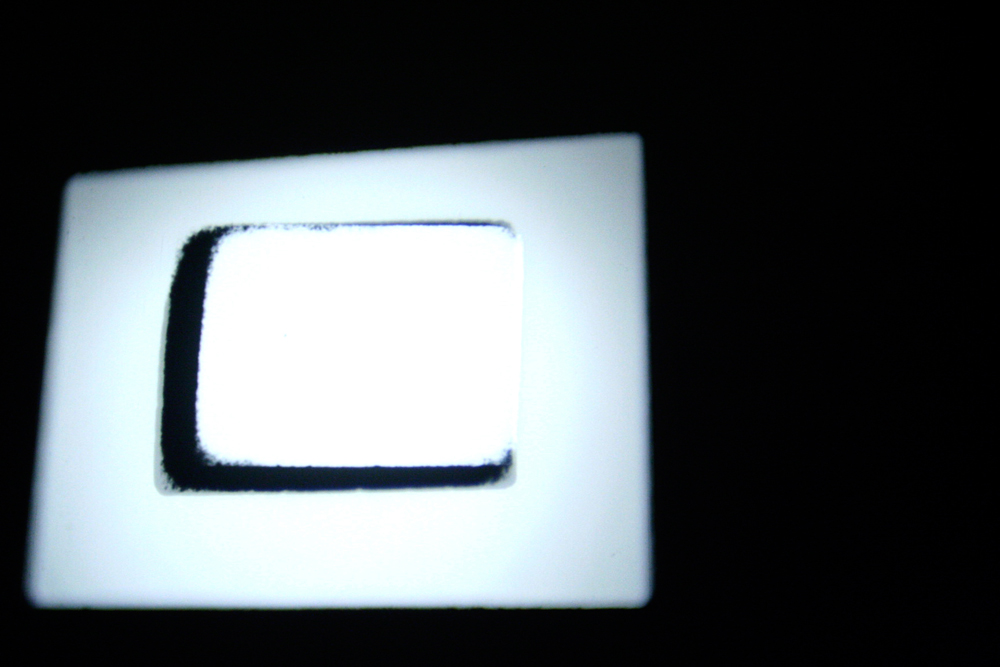
Relative patterns of occlusion and exposure occupy two screens. Each exposure fires a stroboscopic flash of colour: yellow for one screen; blue for the other, filling the centre of both screens with colour, haloed with after-images.
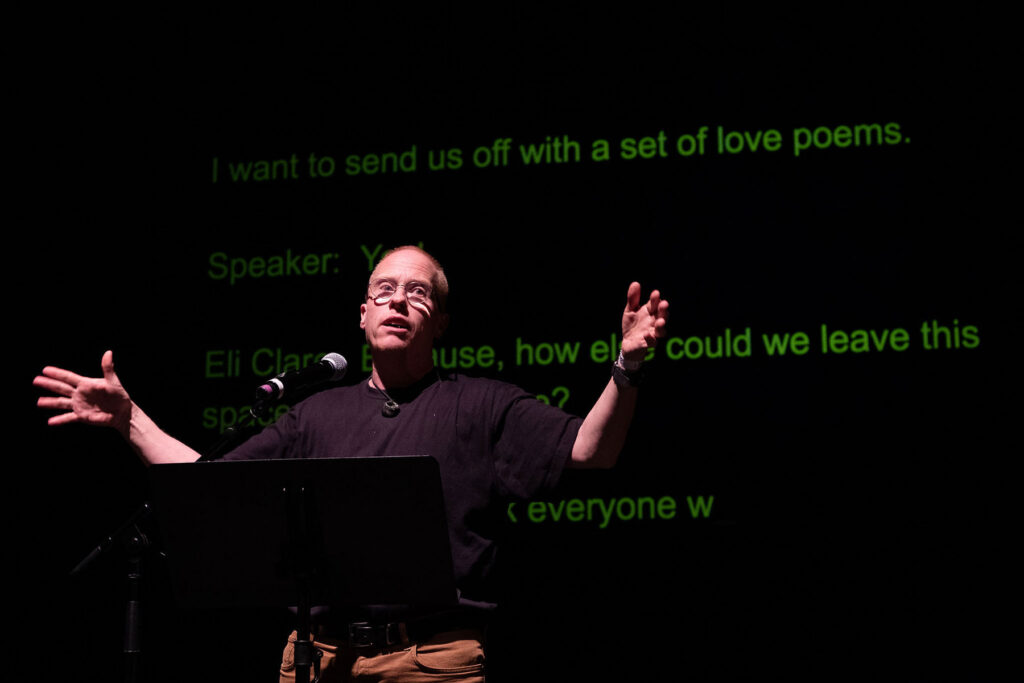
Poems are kisses, fists, and underground rivers. For all these reasons and many more, I am a poet.
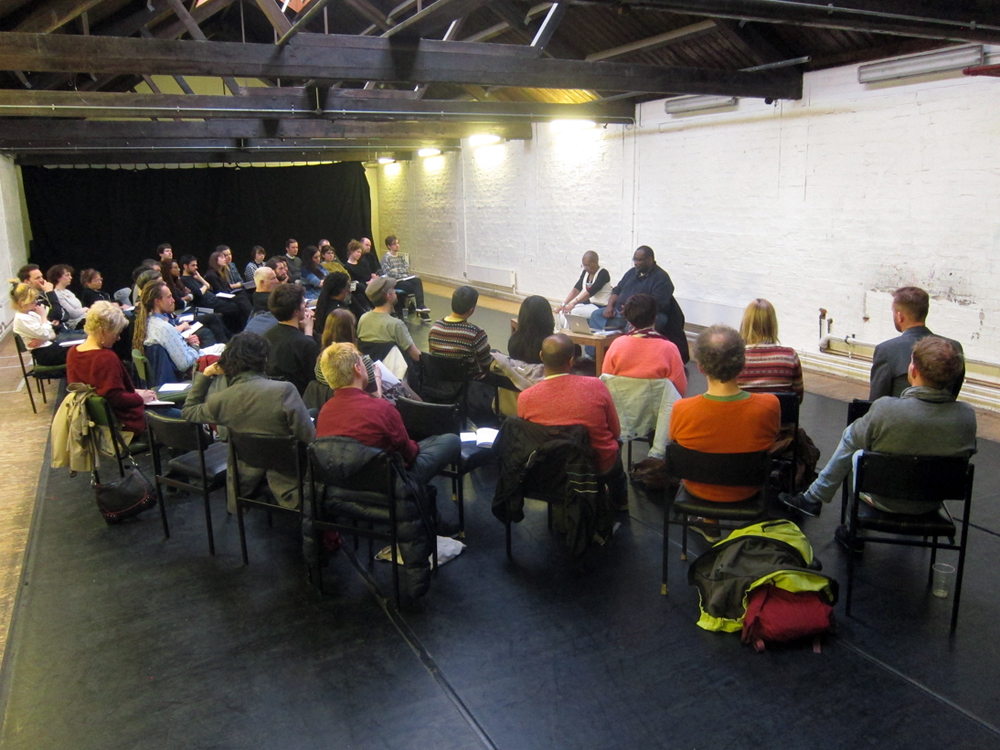
A conversation between Philip and Moten: how do we read NourbeSe’s anti-narrative poetic lament in Glasgow today, given the city’s role in the history of slavery?
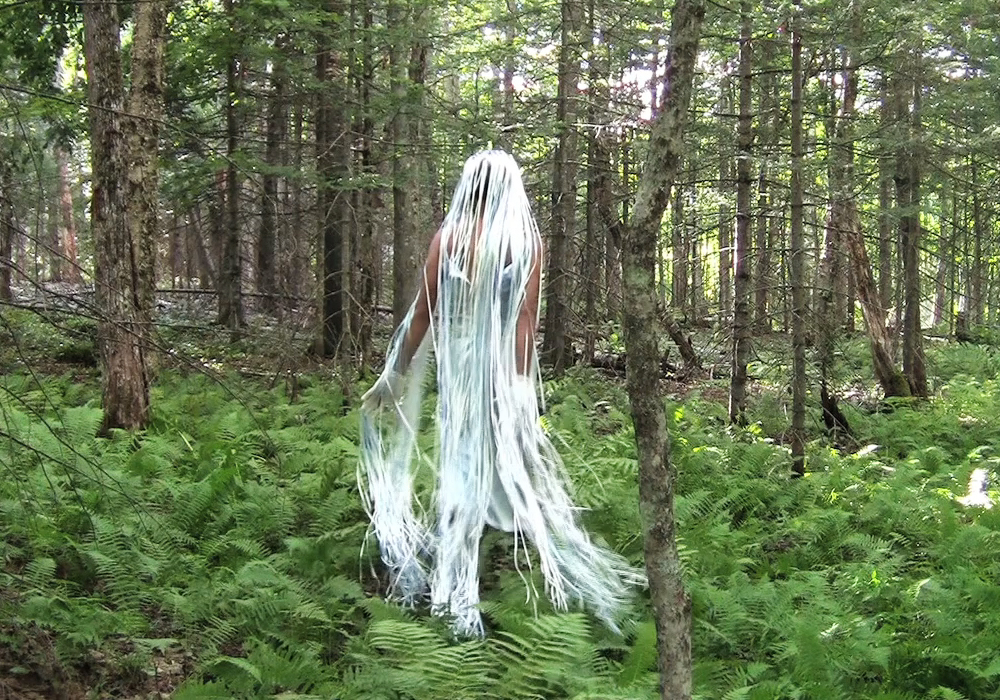
In the Foyer at the Tramway we will screen a documentary from the Sex Workers’ Festival of Resistance 2017 and La Llamada by Eduardo Restrepo Castaño.
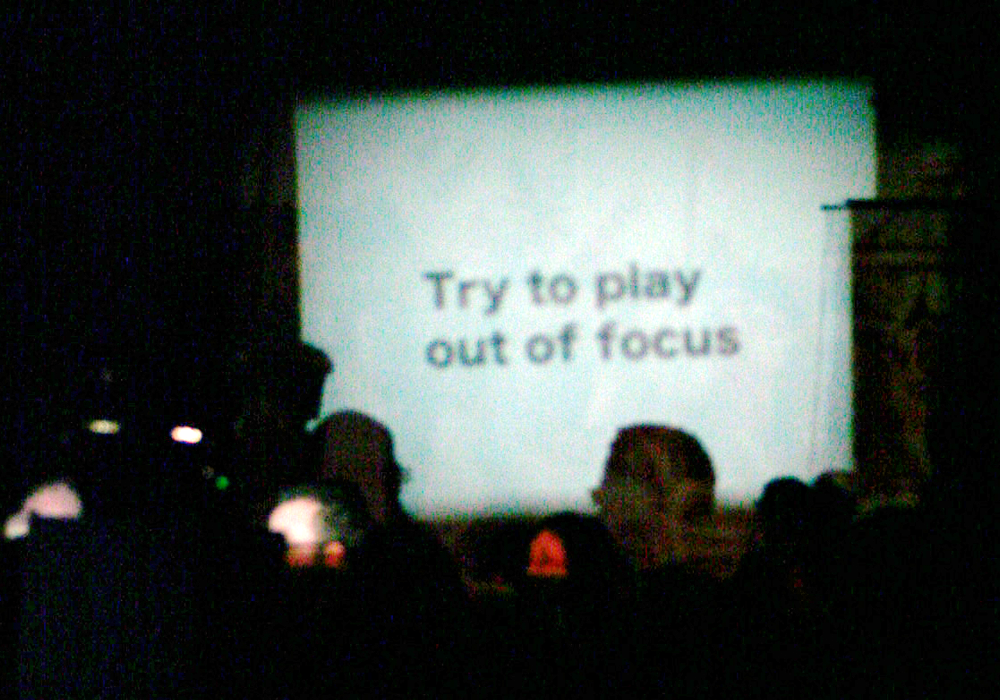
A performance for projectionist, musicians and audience, which plays with references to Oscar Levant and Gershwin: apparently a series of small doses of chaos.
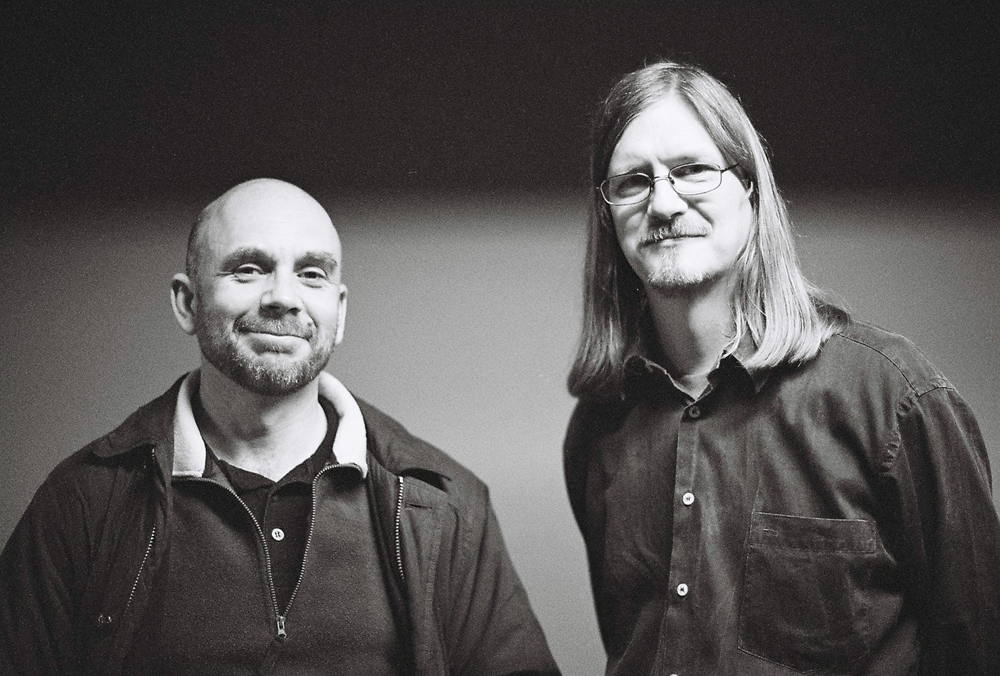
A recently reanimated Ascension, with mighty Leeds drum hero Paul Hession bringing a dense polyrhythmic torrent into play with Jaworzyn’s reinvigorated piercing guitar.

Sonic ‘observations’ of the world, through micro recordings on a tiny scale and transformed into something musically compelling.
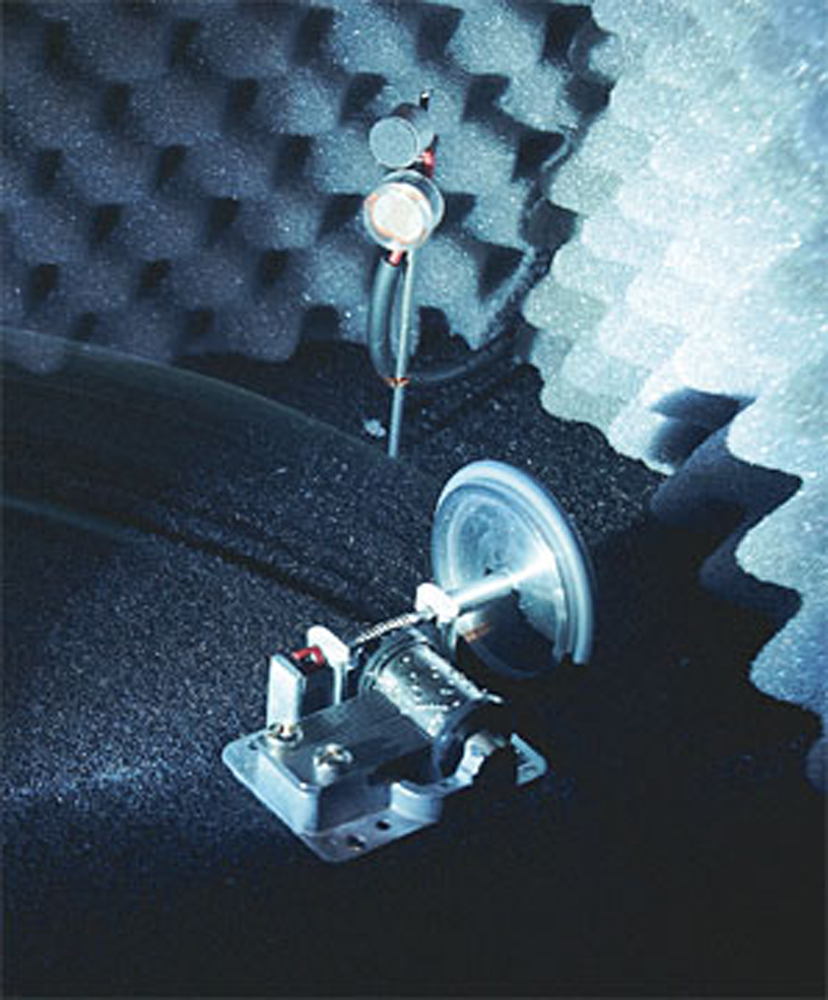
Finnish duo Grönlund Nisunen are known for their extraordinary work fusing incredible sounds with stunning objects in large scale sculptural installations.

Live in person at Performance Space New York and live-streamed everywhere! Watching Storyboard P dance feels like glimpsing into another world.
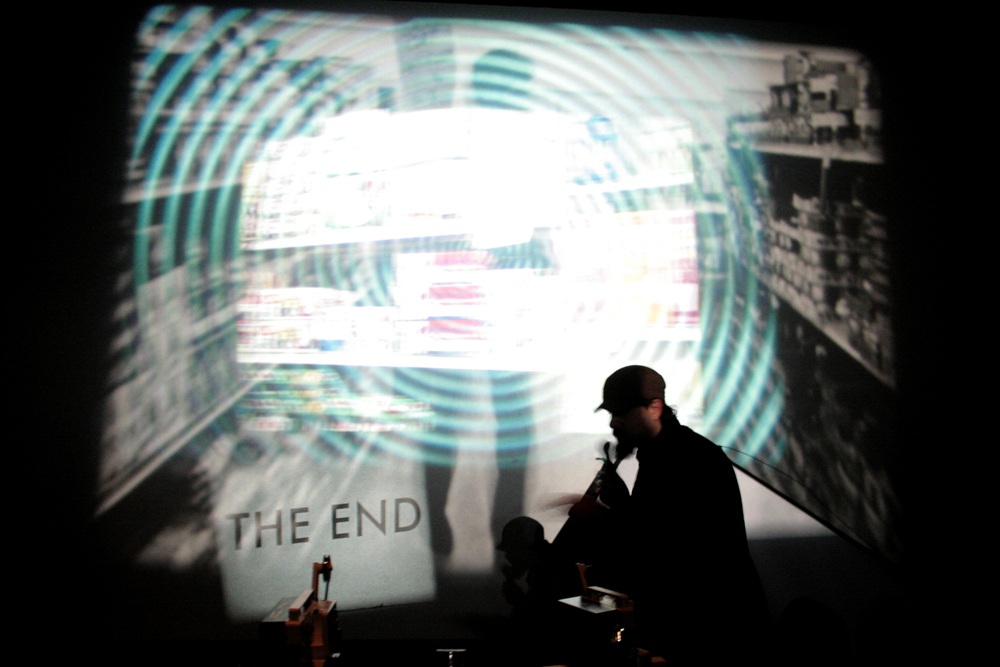
Quasi-theatrical multiple-projector pieces play with the relationship between performers, art and audiences.