Fred Moten – Reading
Fred Moten
African American history, avant-garde jazz riffs and activism intertwine in experimental verse of extraordinary and affecting beauty that has to be heard.
Arika have been creating events since 2001. The Archive is space to share the documentation of our work, over 600 events from the past 20 years. Browse the archive by event, artists and collections, explore using theme pairs, or use the index for a comprehensive overview.
African American history, avant-garde jazz riffs and activism intertwine in experimental verse of extraordinary and affecting beauty that has to be heard.
A double bill of Morgan Fisher films that ask what can be achieved by a simple structural method of commenting on scraps of 35mm film, re-shot on 16mm film and what happens to meaning (if anything) when ‘insert shots’ are relieved of their original duty of providing crucial plot development for a variety of other movies?
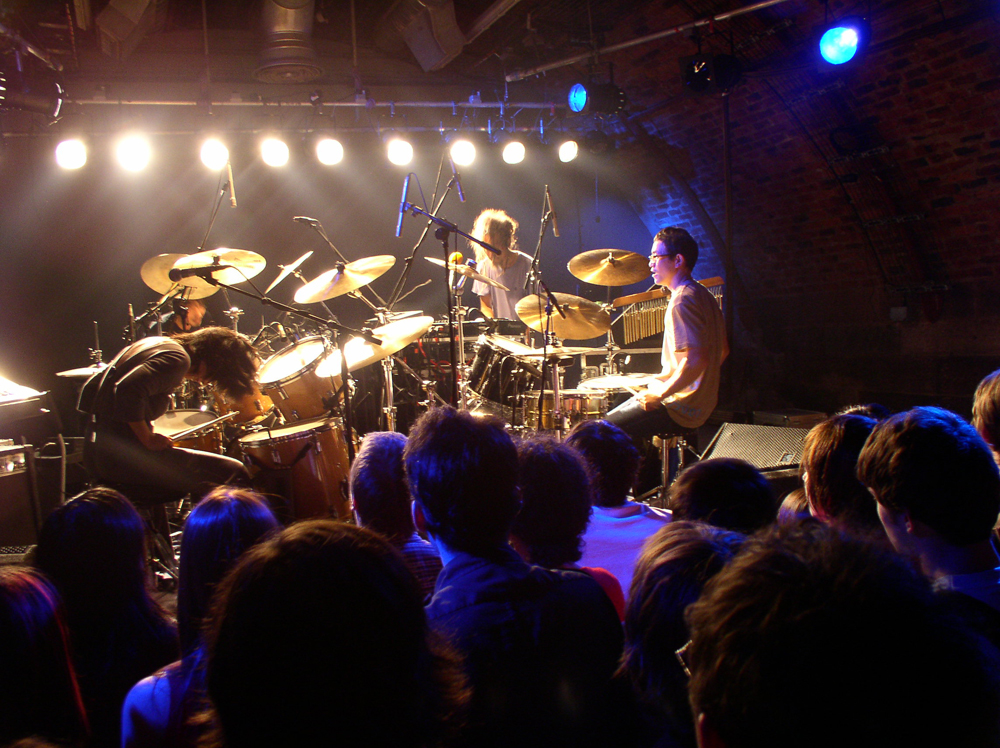
Rare UK performance by legendary Japanese post punk group during their 4 drummers + synth / vocals phase.
Stripping back the domesticated ‘meaning’ of (everyday, mundane, kitchen) tools to reveal “a lexicon of rage and frustration.” Plus an allegorical use of mundane, everyday things as an examination of how meaning is constructed in film.
Each film in this programme celebrates process; the decay of emulsion, the properties of dust and dirt, the manipulation of time. Post the dawn of the digital age, we reflect on our love of the film form, celluloid as an object, a medium and a physical entity.
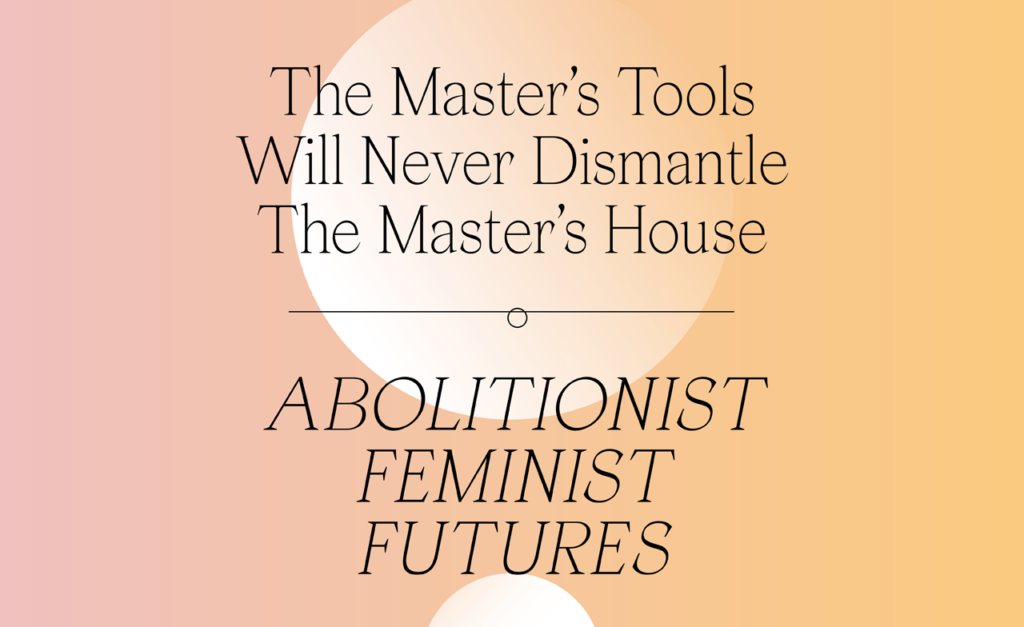
A panel exploring how to dismantle the master’s house — its material edifices and ideological architecture — and the construction of abolitionist futures in the present.
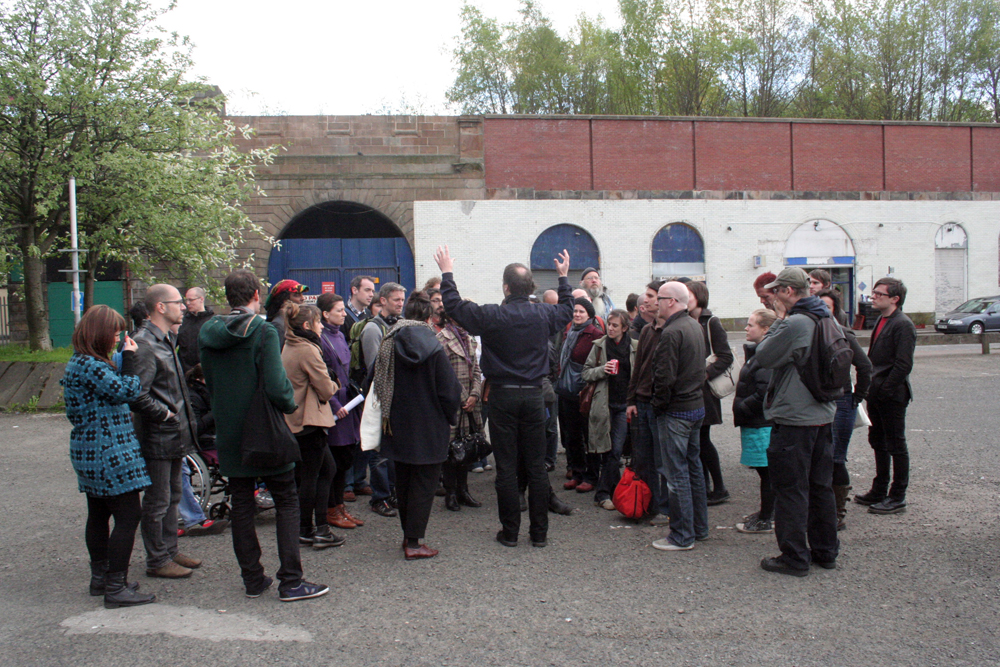
A public walk from George Square to the Barras market bringing contributions from researchers, activists and artists in a form of live critical praxis
Former street performer, organist, performance artist, circus performer, harpist, accordion player, tree surgeon and tricyclist performing solo.
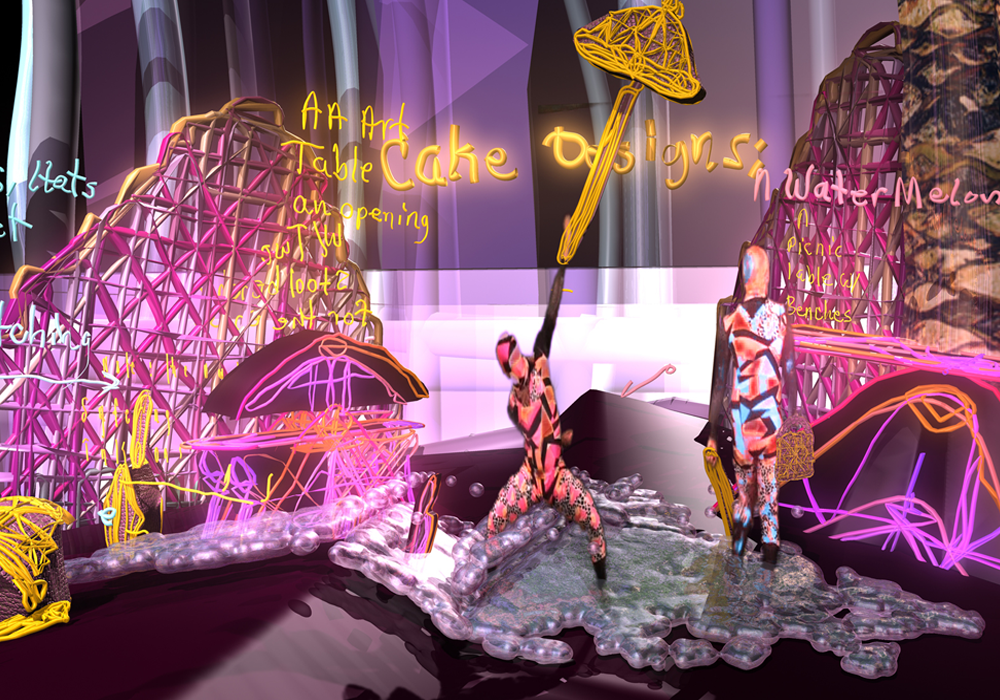
Emotional fantasies, towers of cakes, identity troubles, collapsed distance and time and Samuel R. Delany’s rarely seen 1971 film The Orchid.
Lo-fidelity sheets of parinirvanic mangled tone get driven into oblivion by two longstanding gurus of the Northern England primitivist noise.
An extravagant debauch of huge pianos, plush toys, cognac and ritual.
How can we imagine bodies not as an end in themselves, but as a medium through which we can become one another’s means?