Sunburned Hand of the Man
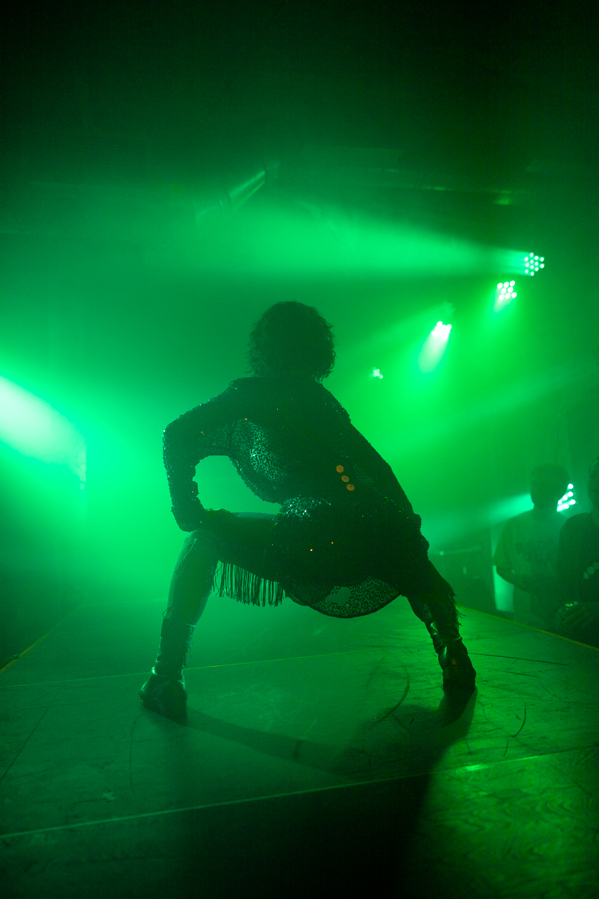
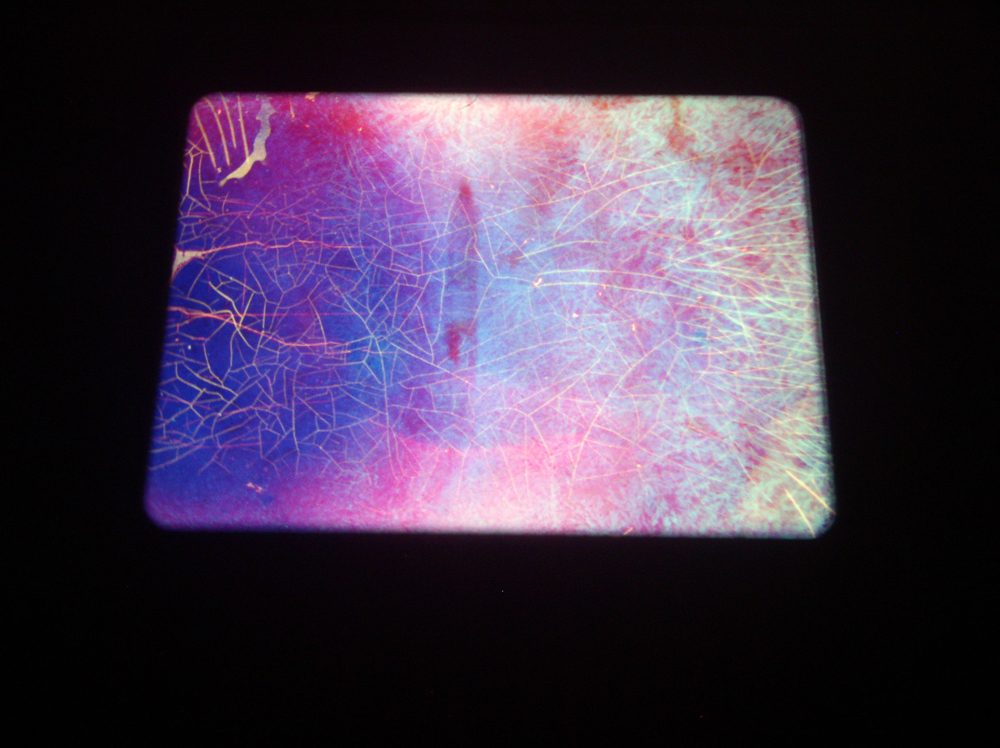
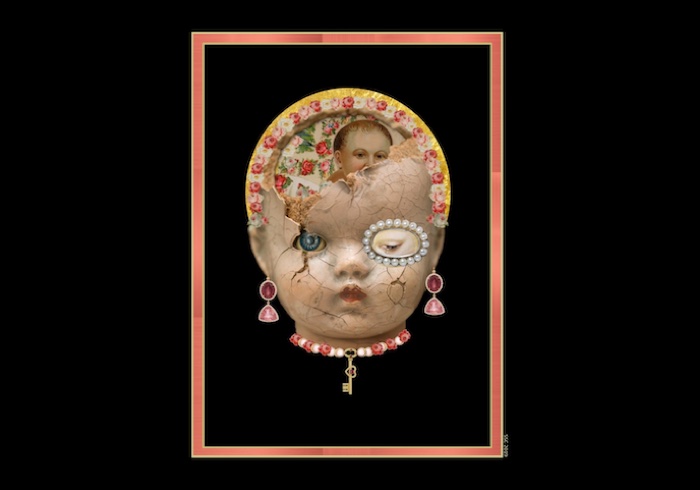
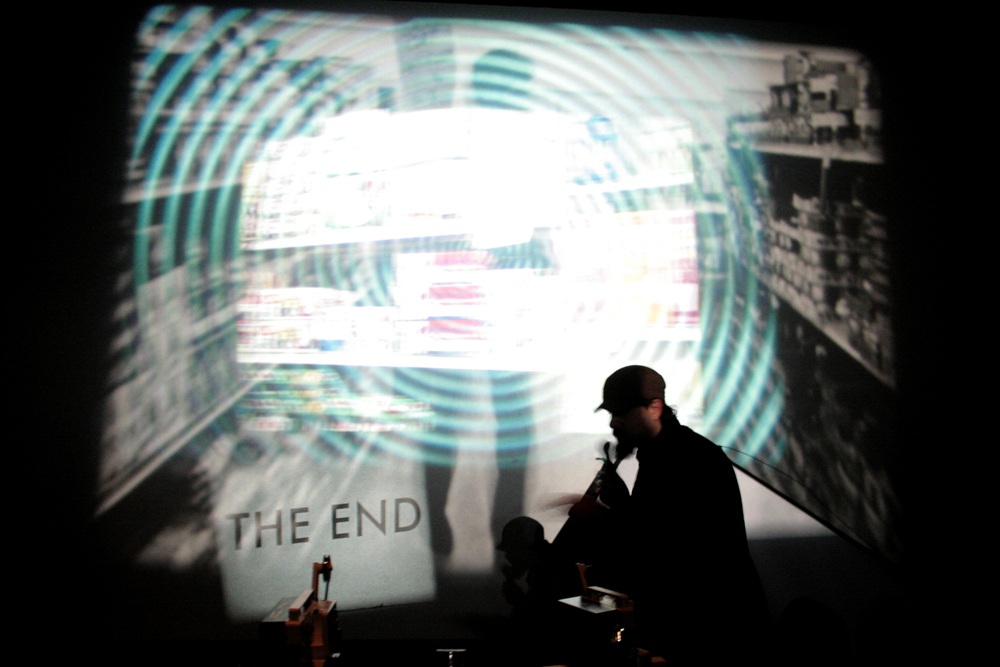
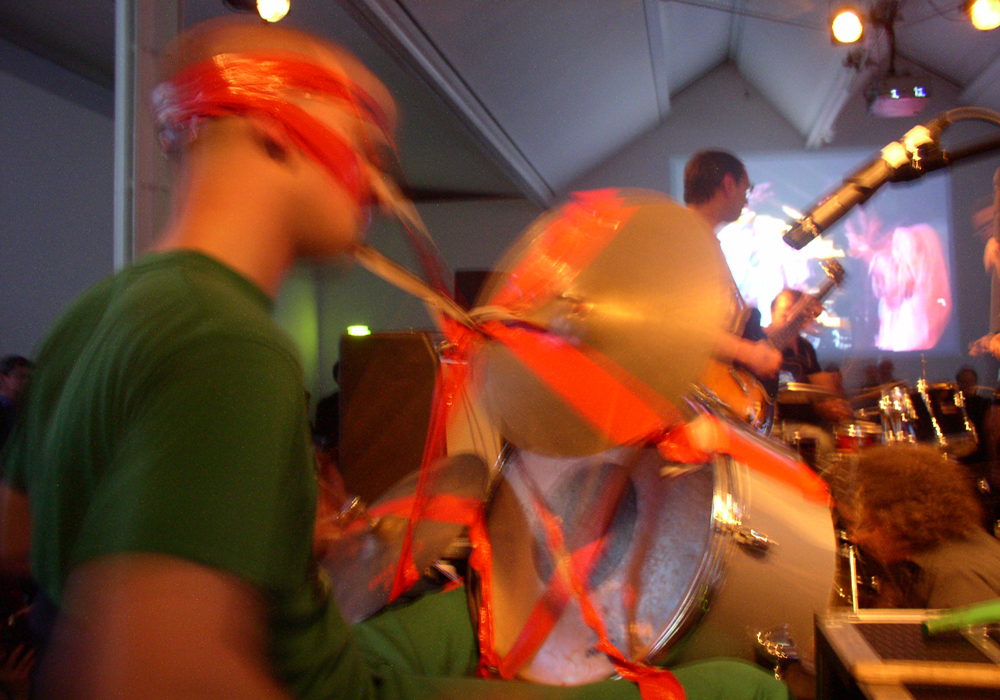
First live show outside the USA featuring one-off film pieces and live theatre from the ringleaders of the ‘weird new America’ psych folk explosion.
Arika have been creating events since 2001. The Archive is space to share the documentation of our work, over 600 events from the past 20 years. Browse the archive by event, artists and collections, explore using theme pairs, or use the index for a comprehensive overview.
First live show outside the USA featuring one-off film pieces and live theatre from the ringleaders of the ‘weird new America’ psych folk explosion.
Is it possible to dance our way out of the hardened stances and identity prisons we are locked in?
When one calls a strike, who hears the call, who attunes and listens to it? How to listen to the call of a strike? What prevents one from hearing this call or stops one from listening to it?
An immersive live performance for multiple 16mm film and bass clarinet, taking in the whole gallery, submerging the audience.
A celebration of the release of four books written by members of, and focused on about the House and Ballroom scene.
Arika is proud to be one of several arts organisations in Scotland supporting the commissioning of a radical new manifesto, by and for disabled artists working in Scotland.
Inspired by the supernatural horror of H. P. Lovecraft, black metal and a sense of worry as to what constitutes an object, or a world.
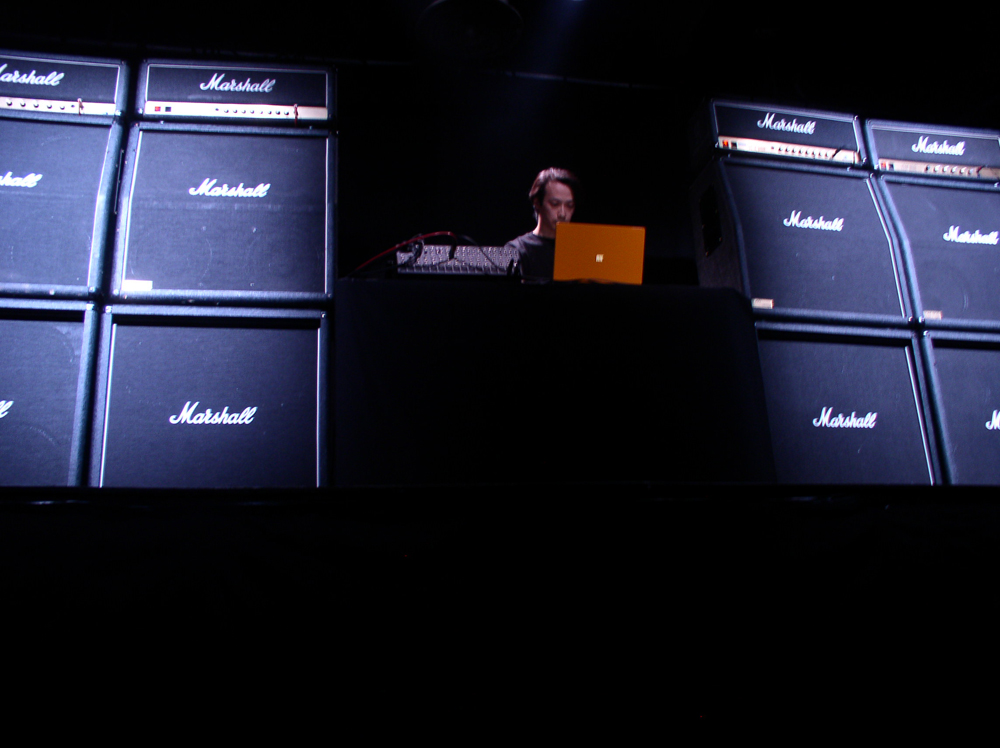
CCI Sound system: a performance in which new material will be mixed and phased between two huge PA’s, one a precise Meyer system, the other a huge wall of Marshall amps
The second in a series of workshops for workers and non-workers who care. What does the sharing of vulnerability entail? Can such a sharing inform progressive social relations?
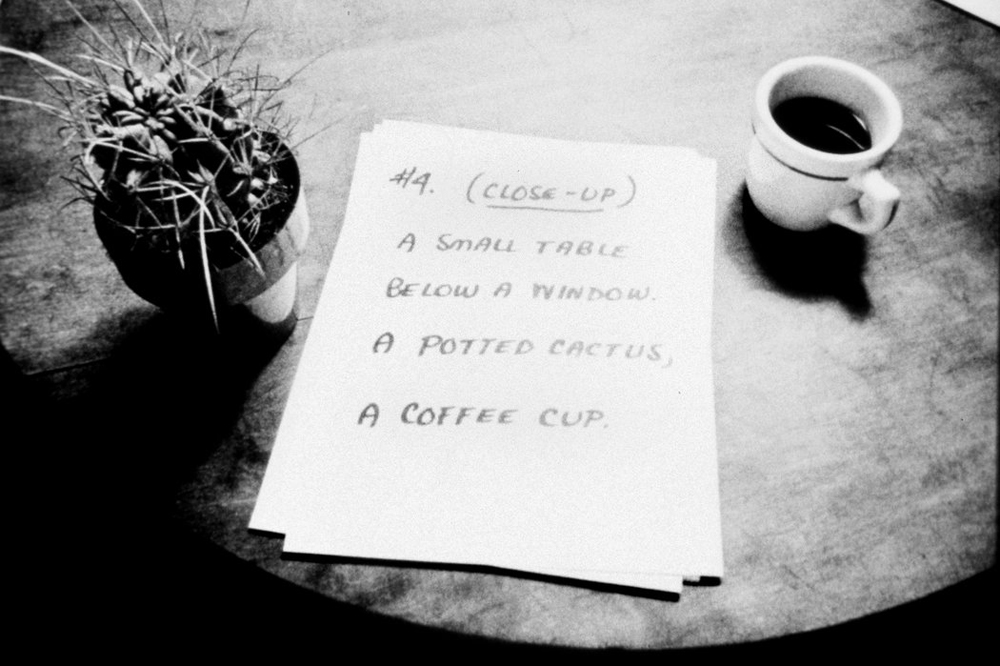
A cinema of the mind, a film to take place in the viewers’ imagination(s).
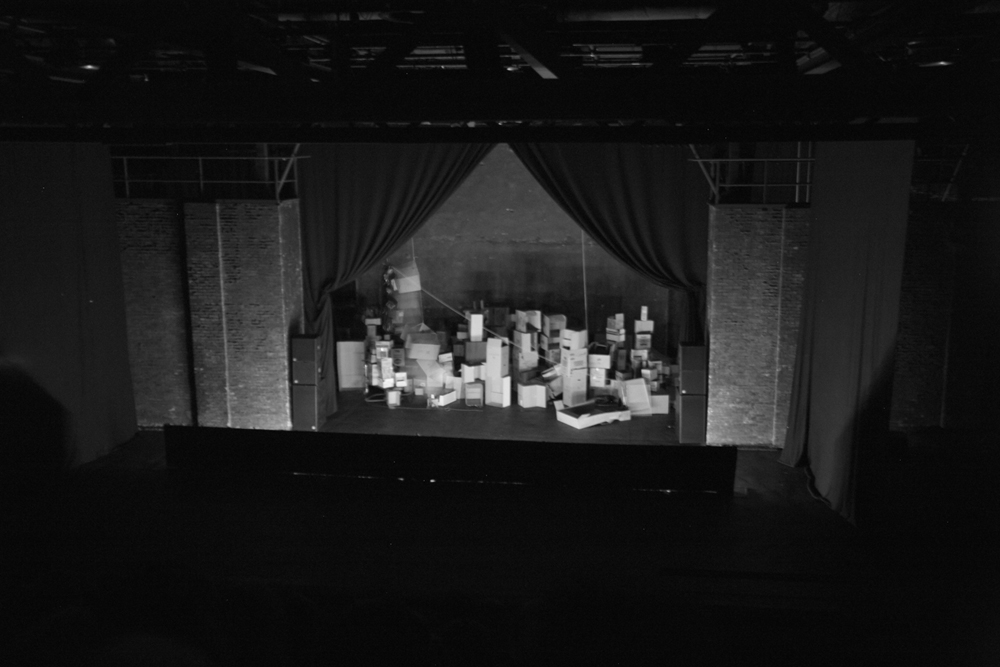
Quasi-theatrical multiple-projector pieces play with the relationship between performers, art and audiences.
If life is assaulted by power, where do we find spaces for living? A conversation with Peter Pál Pelbart.