


21 June 2024
I wanna be with you everywhere Solstice Gathering 2024
Summer Solstice hang out IRL and URL on 21 June
Arika have been creating events since 2001. The Archive is space to share the documentation of our work, over 600 events from the past 20 years. Browse the archive by event, artists and collections, explore using theme pairs, or use the index for a comprehensive overview.
Summer Solstice hang out IRL and URL on 21 June
Polly Shang Kuan Band coven leader and Sick Head’s psychedelic shaman Nackt Insecten make hex ritual to birth a new astral being….. Smack Insecten.
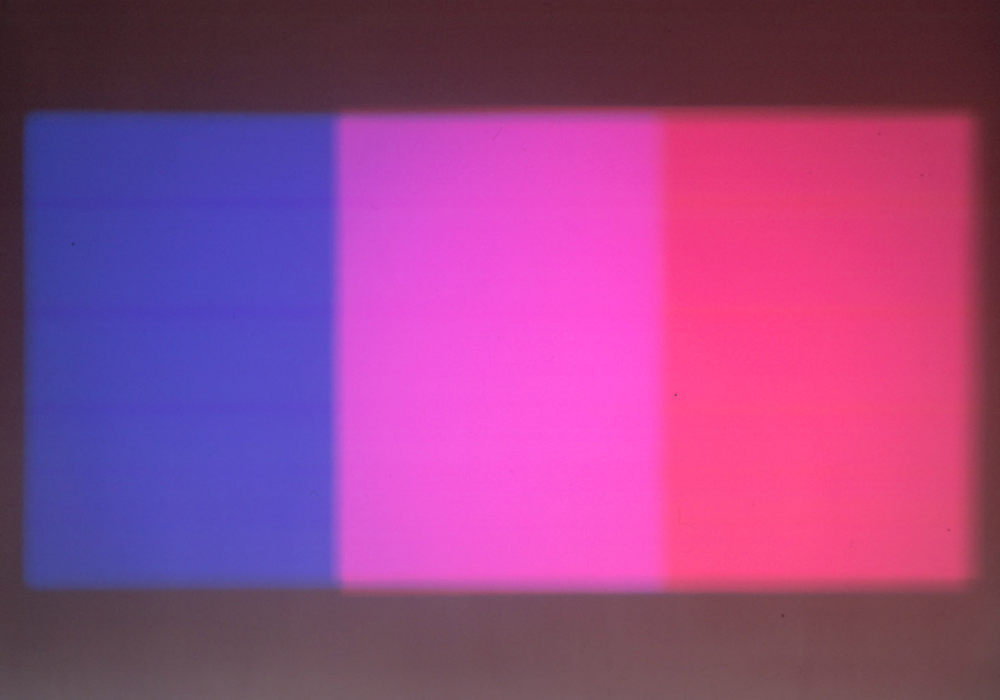
Shutter Interface is an expanded cinema piece: a series of machinegun bursts of chromatic relationships and visual harmonics in an overwhelming montage
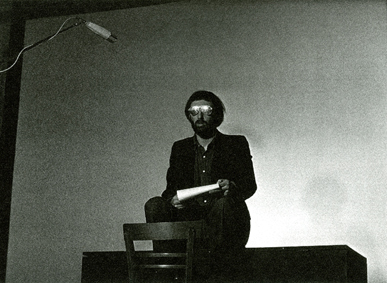
Recently rediscovered but still very pertinent, Kino Beleške presents a series of speech acts and performative gestures by protagonists of the new artistic practice in former Yugoslavia: each a personal take on the role of art in society.
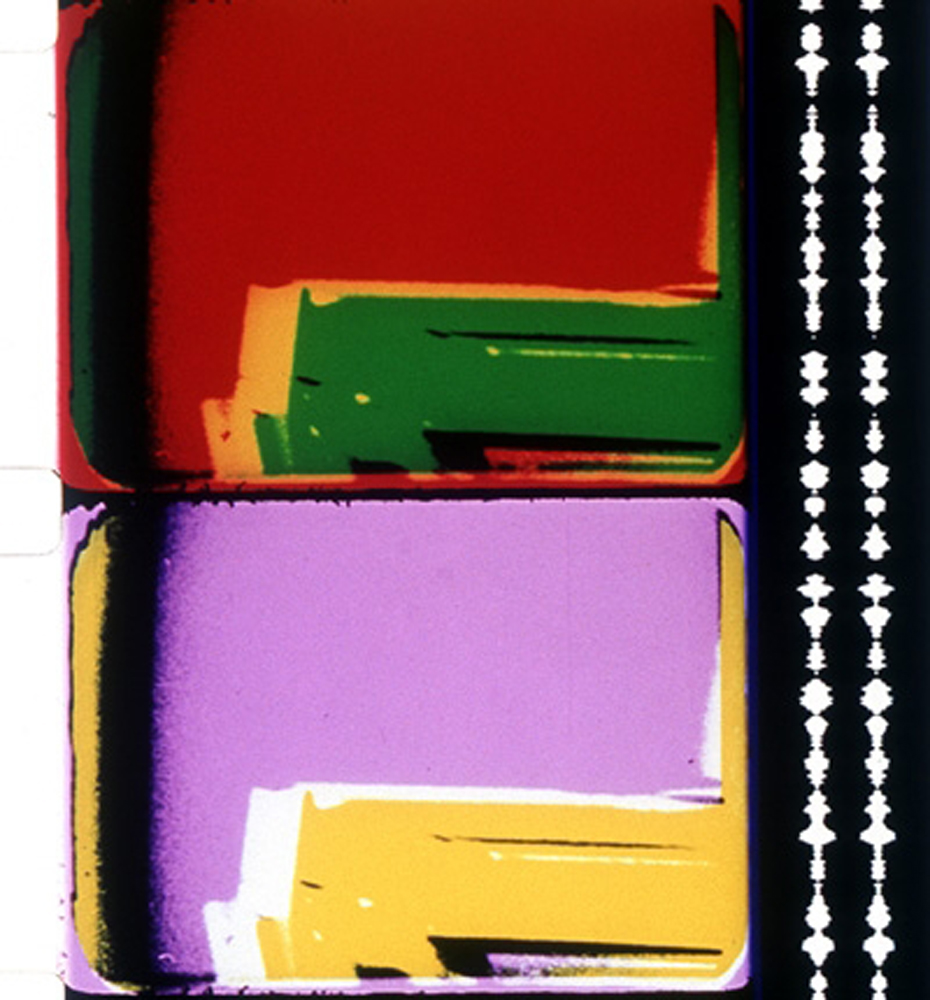
This programme takes human subjects as the focus for sound and image construction. And it includes a couple of masterpieces of experimental film: Paul Sharits’ deeply empathetic interpretation of epilepsy and Peter Kubelka’s Webern inspired abstract portrait of Arnulf Rainer.
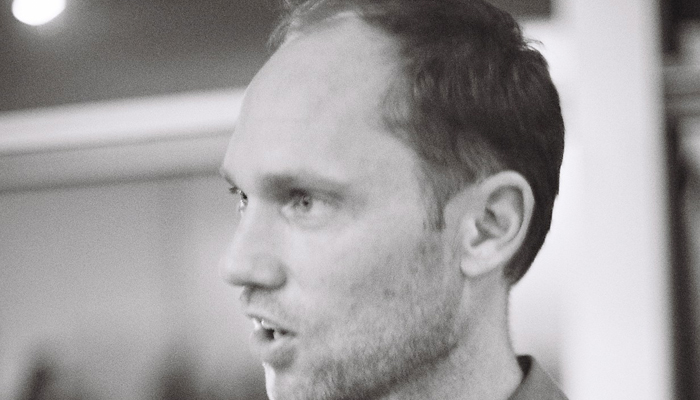
We asked Christoph to come and give a sort of informal talk, raising some of his ideas about sound and image, and playing/ showing a few examples.
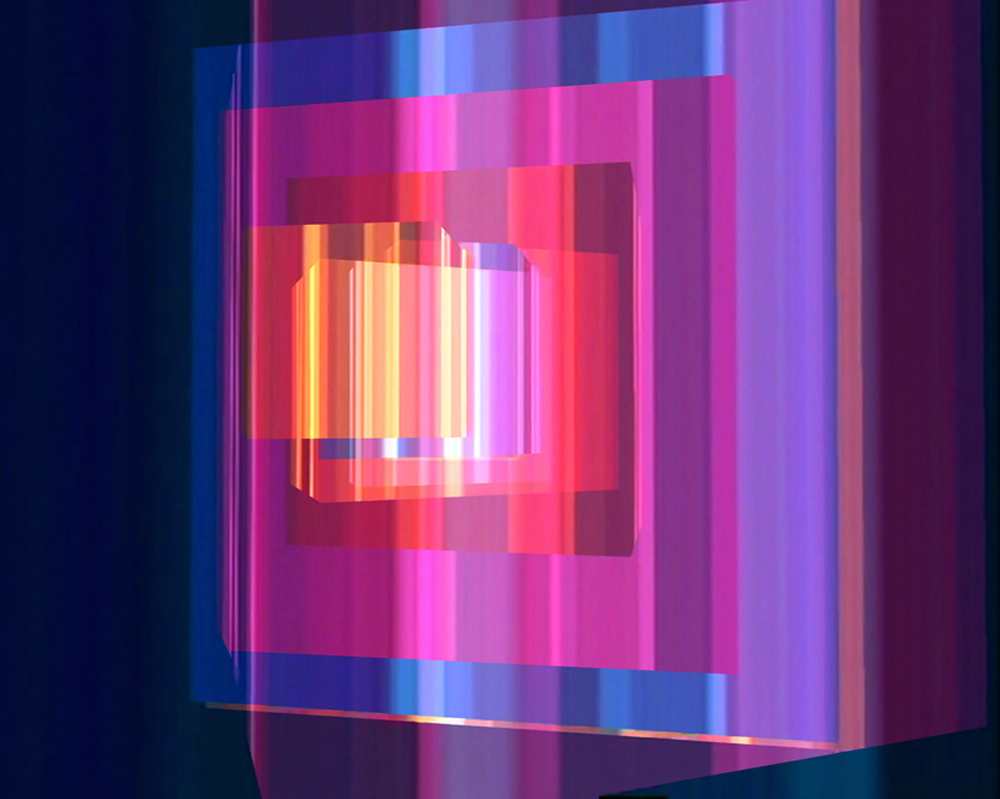
A glance at both analogue and digital processes; the clarity and precision of digital colour or the yawning, endless depth of dye and emulsion, our programme celebrates how both approaches revel in colour, saturation, hue and tone.
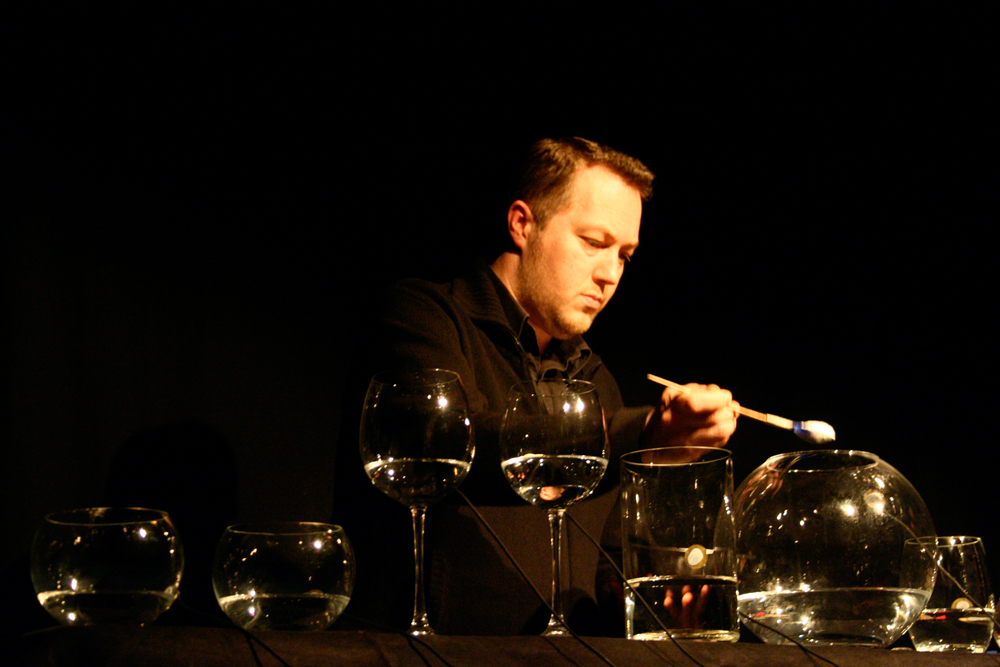
In this response to the Self Cancellation project, Lee Patterson dissolves medicine in glasses of water and explores the sonic content.
A day of presentations and discussions on the theme of audio visual perception in the context of experimental music, film and art.
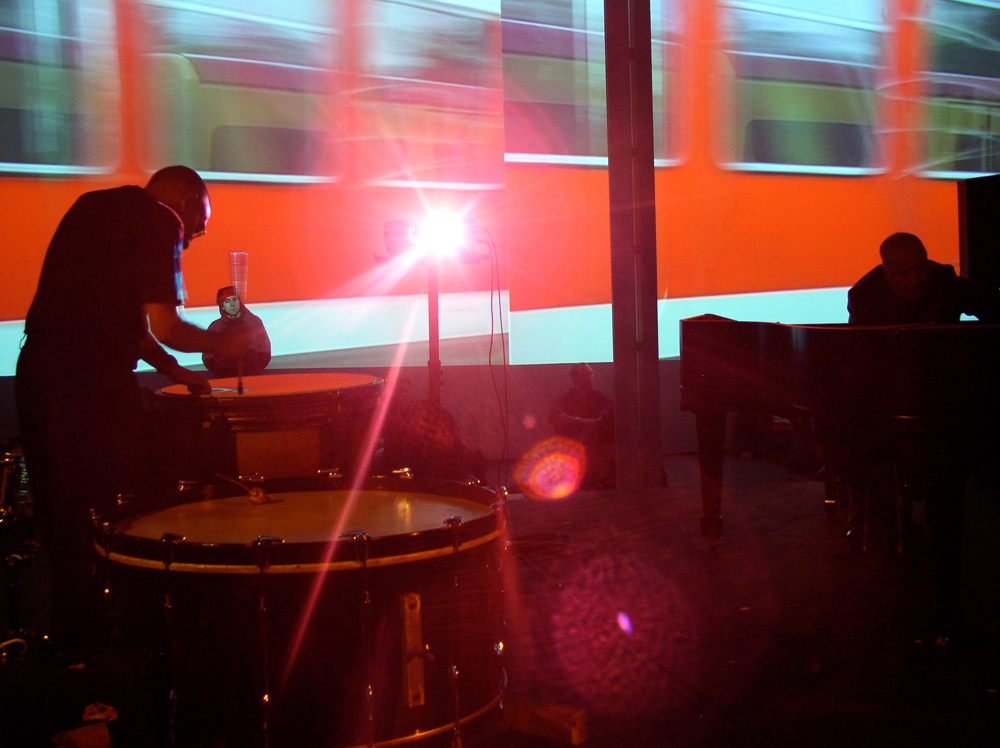
One of the most influential groups in improvised music, with the collective understanding that comes from listening keenly to each other for decades
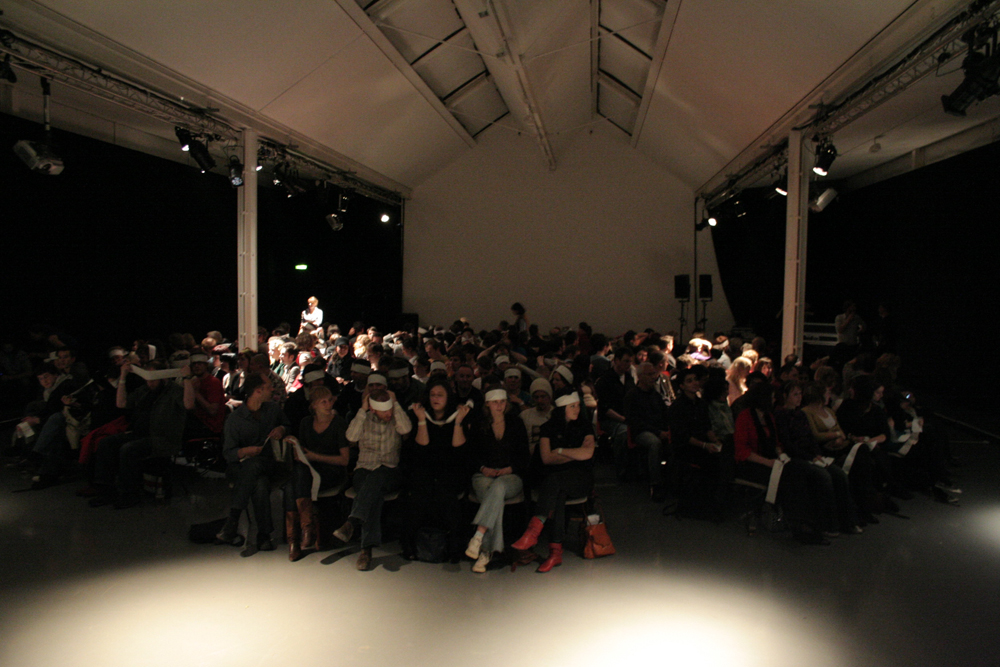
A Performance exploring the nature of acousmatic listening; sound removed from visual context and understood for it’s own properties.
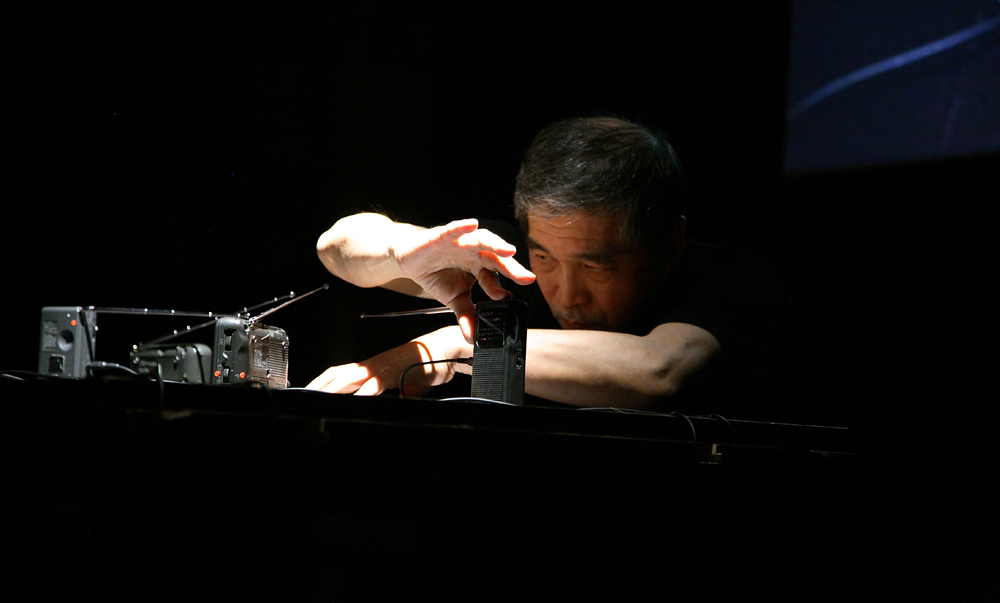
Performing with hand built radio transmitters, which react to interference in the atmosphere and the electrical impedance of his hands, his radio art is a form of social practice; a statement in opposition to mass media.