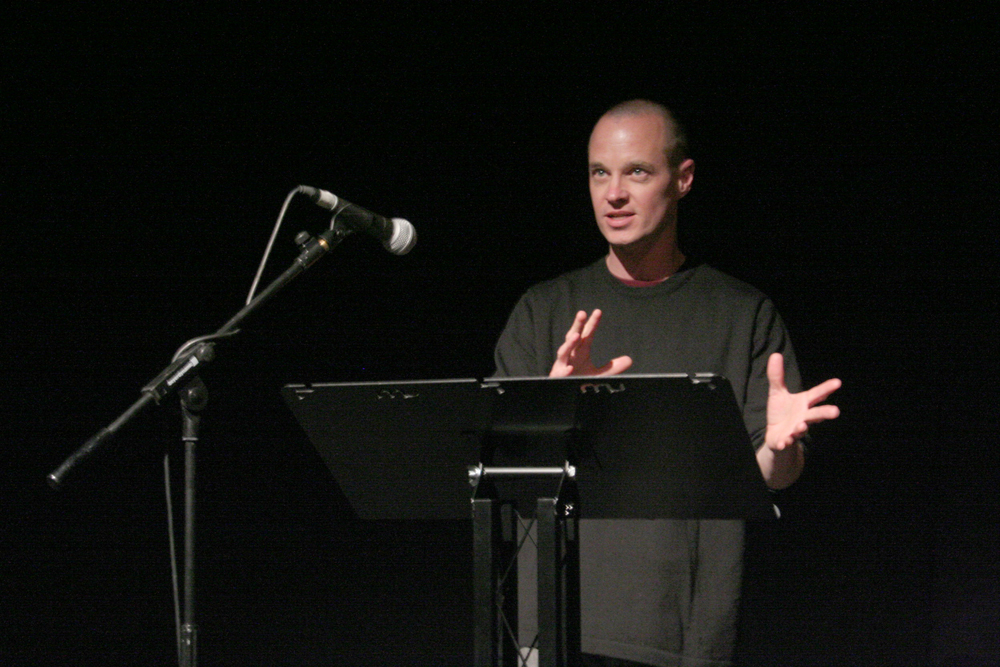
Brian Dillon Talk
Brian Dillon
Join Brian as he ruminates on the history of how experimental filmmakers and sound artists have drifted into and taken over galleries in order to show their work.
Arika have been creating events since 2001. The Archive is space to share the documentation of our work, over 600 events from the past 20 years. Browse the archive by event, artists and collections, explore using theme pairs, or use the index for a comprehensive overview.
Join Brian as he ruminates on the history of how experimental filmmakers and sound artists have drifted into and taken over galleries in order to show their work.
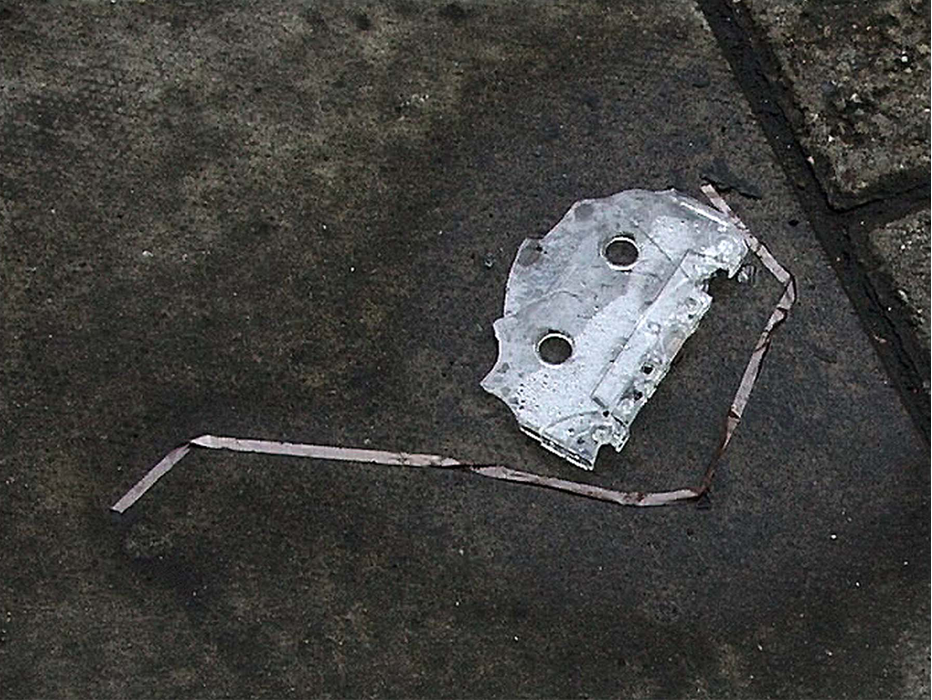
Ever wondered about the roadside festoons which are the innards of discarded cassette tapes? All will be revealed in this methodical and insightful documentary by UK luminary John Smith and sound artist cohort Graeme Miller.
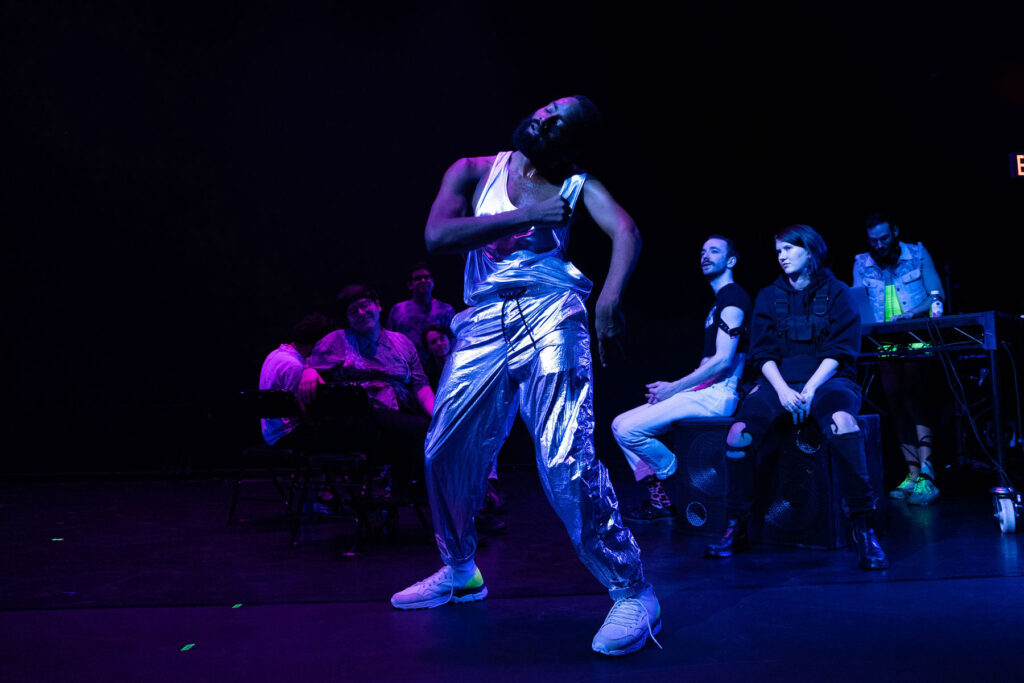
A dance party love letter to our community, expressing the joy of relation in the abstract and through actual physical proximity.
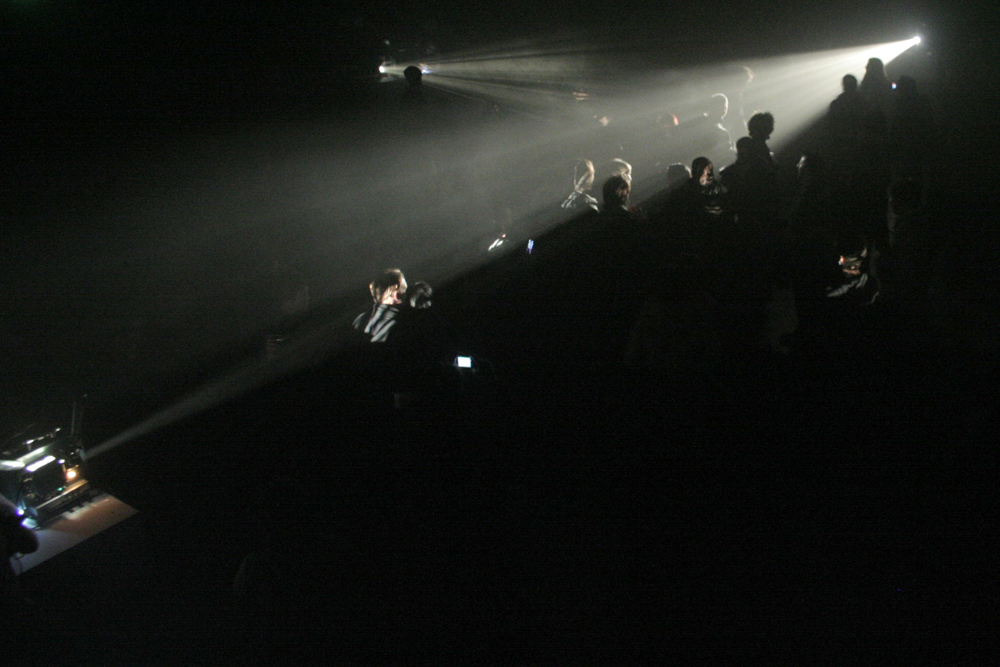
Out of a dark haze, shafts of light emerge, as the emulsion is scratched from the surface of the film. Simultaneously, out of the black silence, noise and audible scratches bloom into a bright drone.
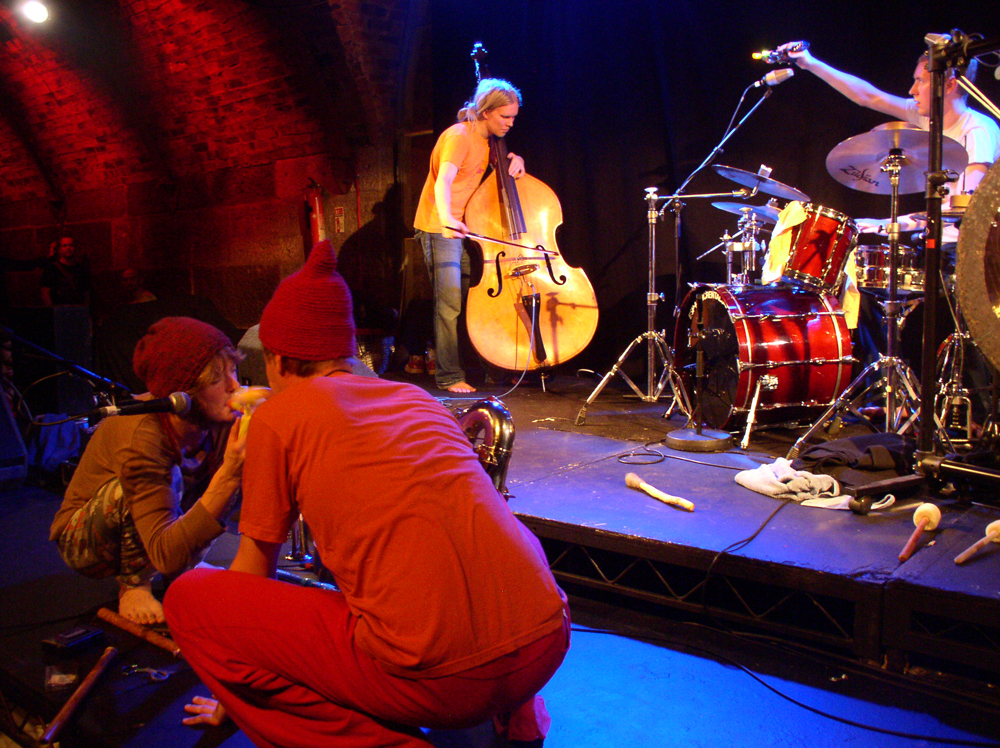
Captures the creak and rustle of the forest, with an exhilarating tension let loose in unconfined maniacal and bare-knuckle group thinking.
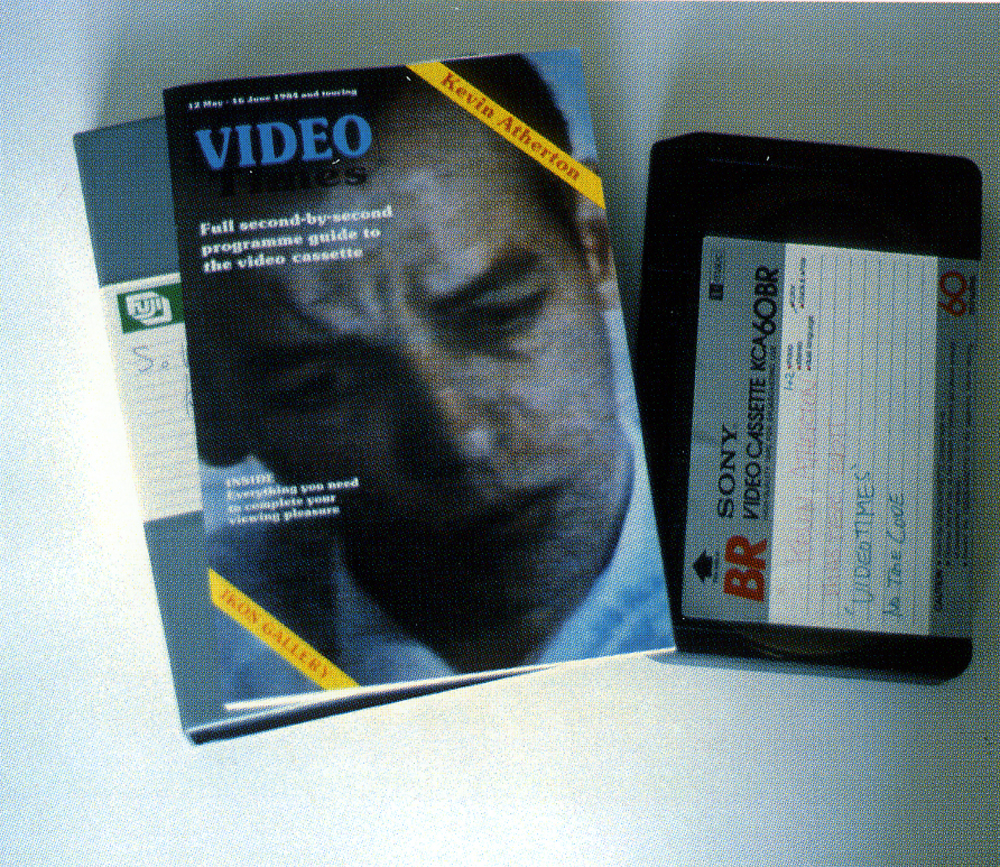
Conceived of as a dual publication, video cassette and booklet, to be presented as an installation. The content of the videotape is the artist watching television.
Ray and Thomas talking about how cognitive neuroscience is unlocking the physical basis of personal experience.
Talk charting the radical history of experimental music in Japan + the lowdown into the careers of many of the artists appearing at MLFC.
How do we sense entanglement? Can the knotting of ropes according to a poem’s rhythm make the social pulse of language matter?
Join Ståle Holgerson to discuss his new book Against the Crisis, hosted by Glasgow Housing Struggle Archive
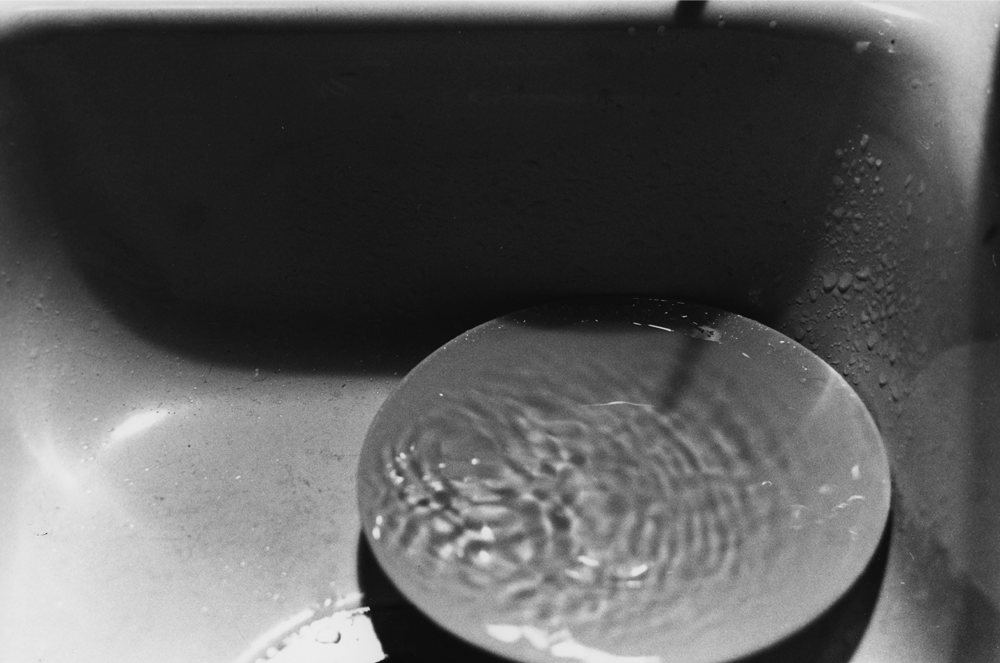
Everyday objects and materials (rubber bands, paper, a sink, microphones) disabused of their inertia and made to speak for themselves in a kind of focusing in on the tiny, repetitive, almost unobserved (sonic/ visual) potential of everyday things put into motion.
Dworkin asks: What would a non-expressive poetry look like? A poetry of intellect rather than emotion?