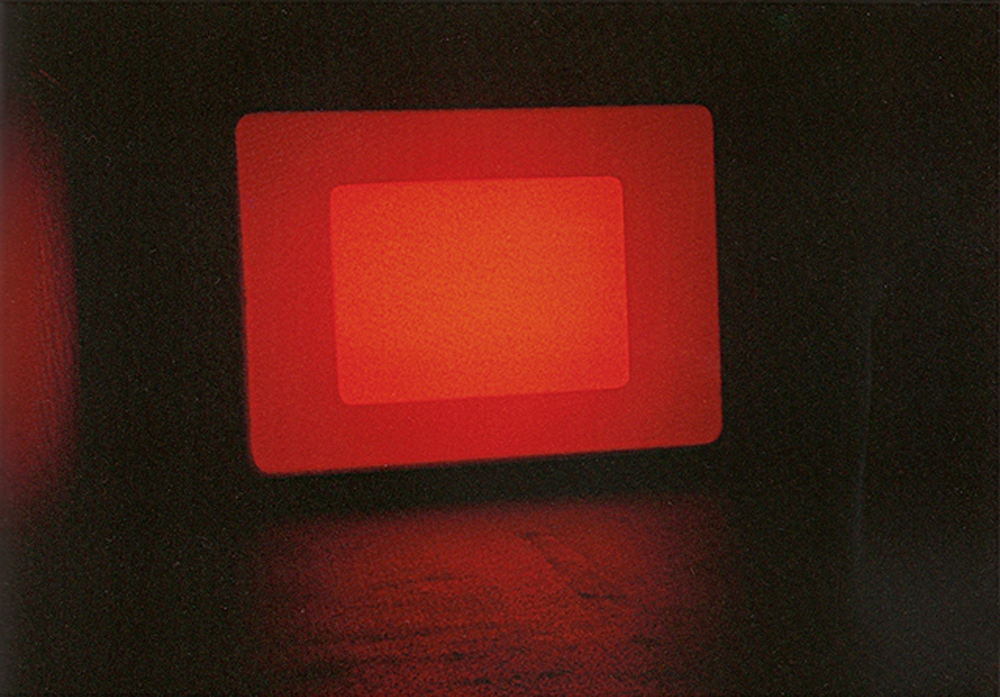
Declarative Mode (1976 – 1977)
Paul Sharits
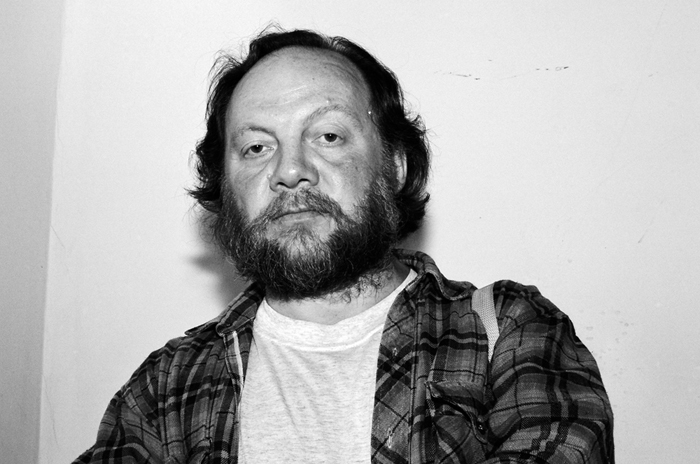
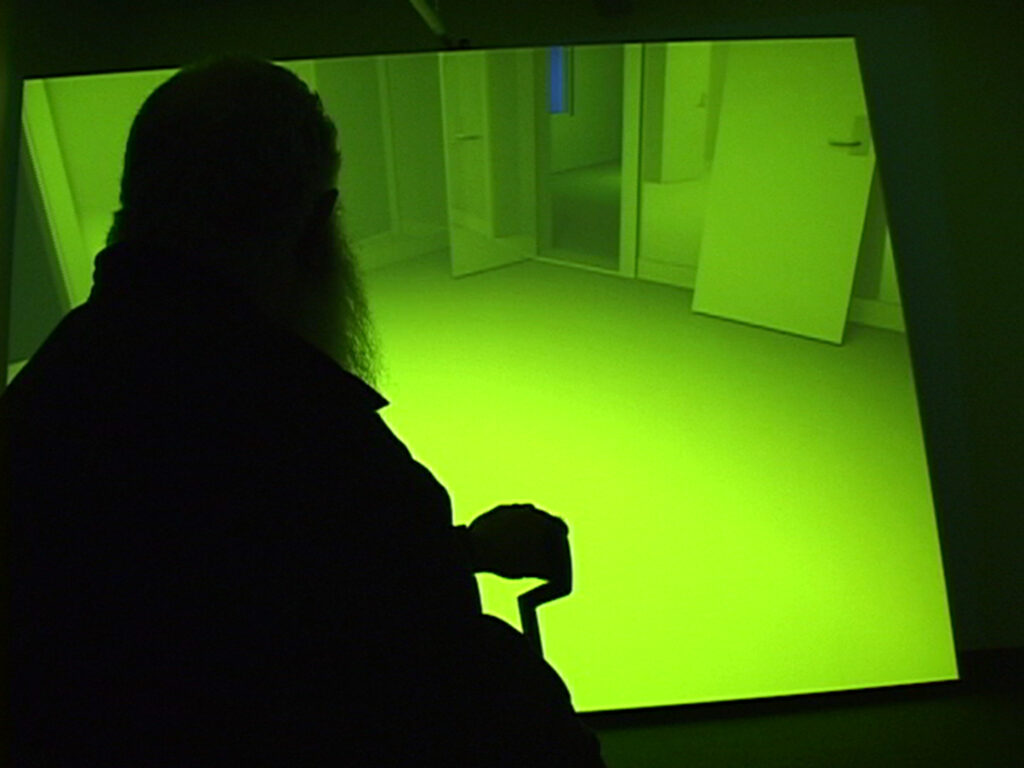
Paul Sharits is one of our all time heroes, and one of the great artist filmmakers of the 20th Century.
Arika have been creating events since 2001. The Archive is space to share the documentation of our work, over 600 events from the past 20 years. Browse the archive by event, artists and collections, explore using theme pairs, or use the index for a comprehensive overview.
Paul Sharits is one of our all time heroes, and one of the great artist filmmakers of the 20th Century.
Ecstatic, intensely joyous experimental club music: like “the sound of our water ceremonies…40 bands playing their melodies at once to recreate the cacophony of the first aurora and the call of the morning star Venus”.
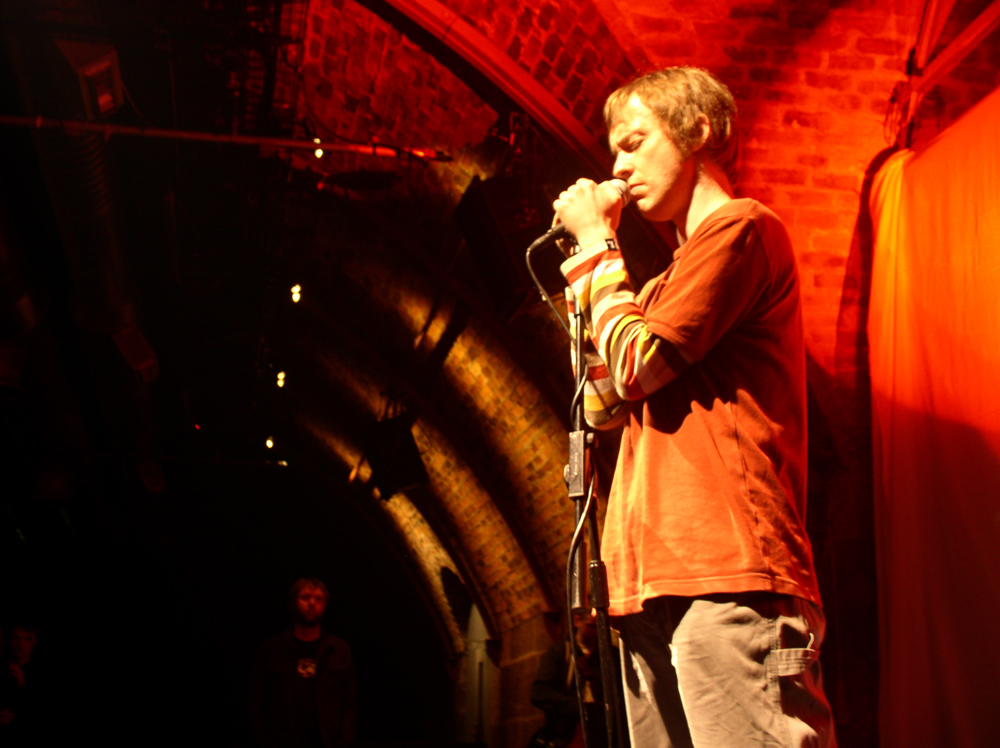
One of the most incessantly experimental musicians in the UK, Youngs’ aesthetic is entirely unique, never really part of any scene [whilst influencing many], steadfastly unafraid and honest
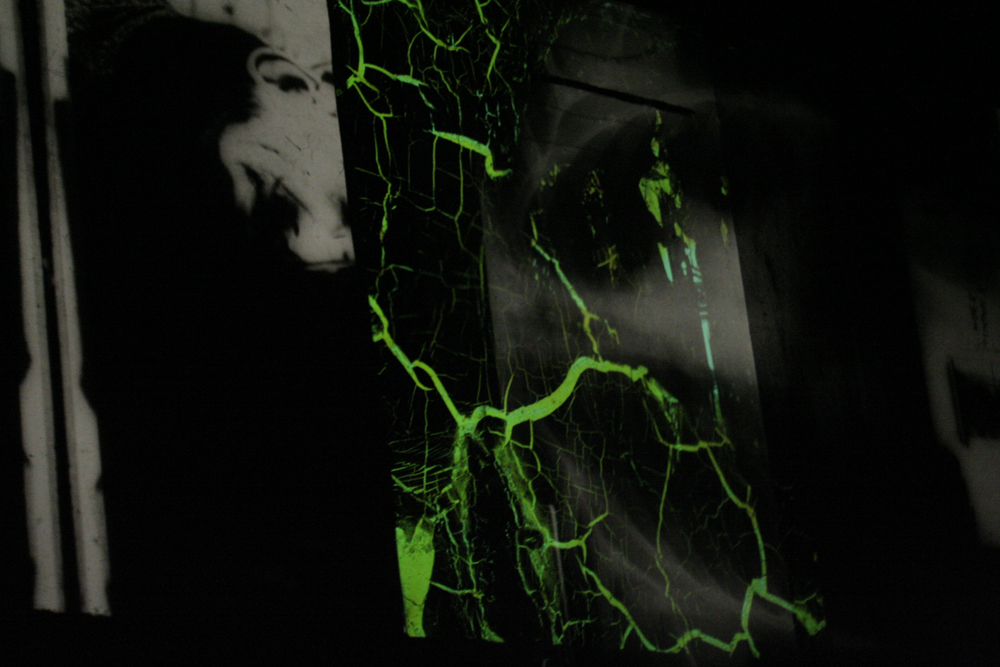
A beautifully crisp, slowly evolving duo for cello and projected images. Abstract but still figurative; change only noticeable after the fact.
Repetitive, mesmerizing rhythmic workouts, to pieces of stark and rigorous introspection, where notes picked and slid in isolation, scatter like mercury around the listener.
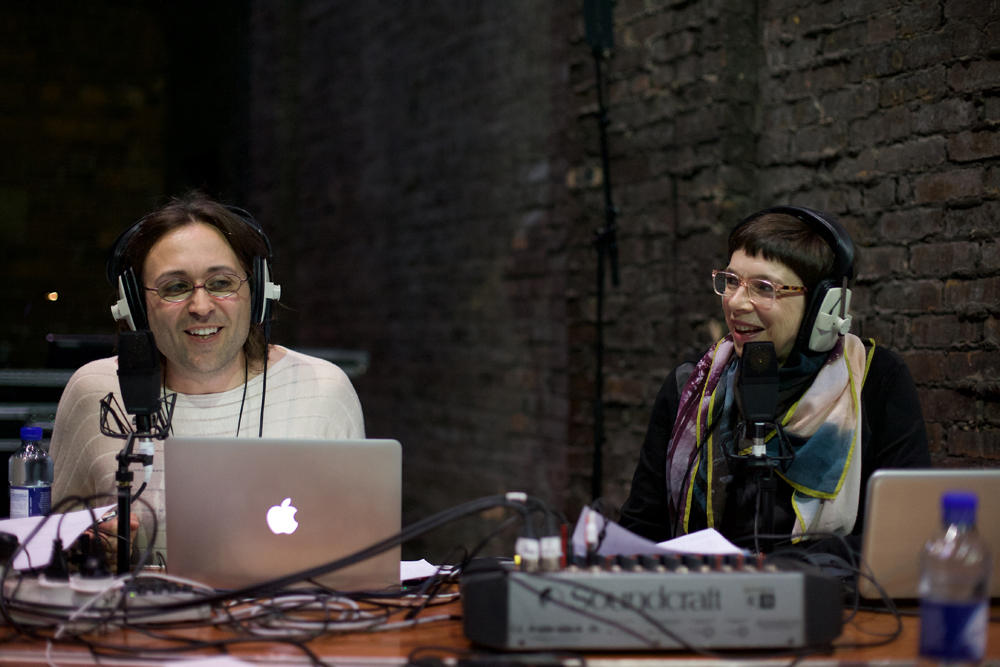
The weeks previous TLRS daily radio shows, after-hours conversations, radio booths and special guests reassembled as a live electroacoustic performance.
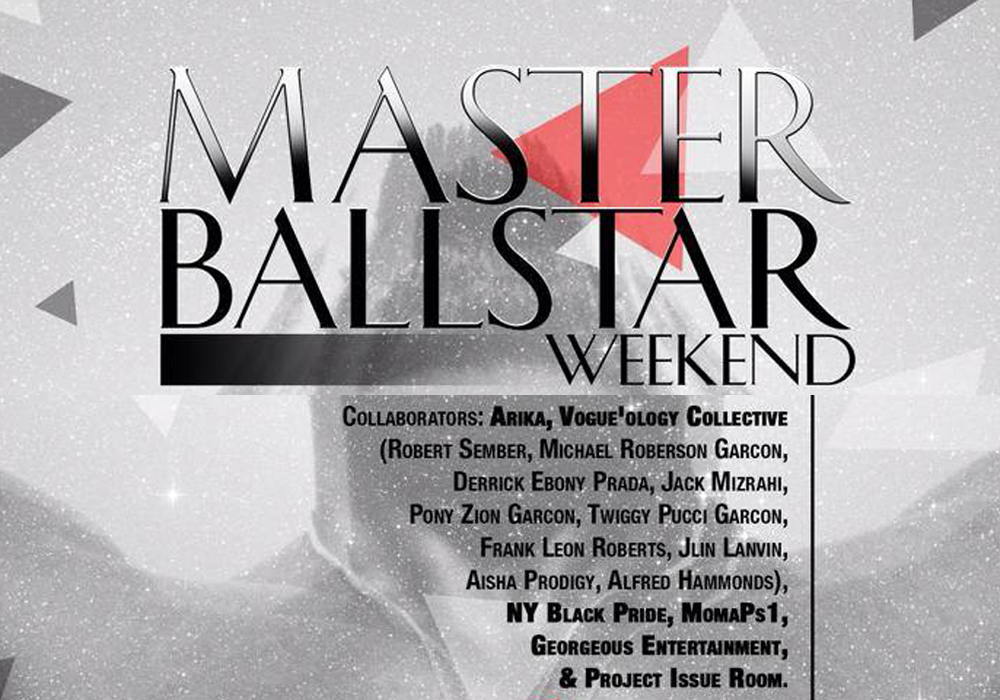
A series of events organised by the Vogue’ology collective from the House Ballroom community in New York grounded in the scenes history of autonomous, self-organised struggle and a shared investment in collective art practices and how those intersect with the multiple and often divergent struggles for freedom.
The mutability of the body and the mobility of identity: queered pop culture, drag, lip-sync and performance.
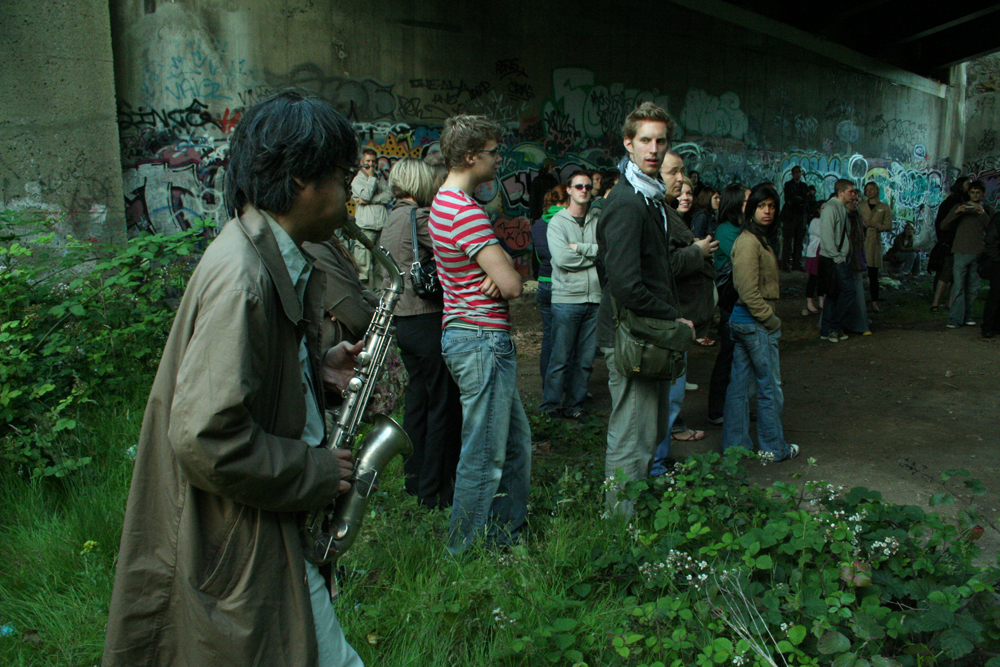
A concrete walkway ending in mid air, a ridiculously tight squeeze between three office buildings and various other sites of Labour politician and council leader T. Dan Smith’s modernist regeneration projects and ‘slum clearances’ of the 1950’s and 60’s.
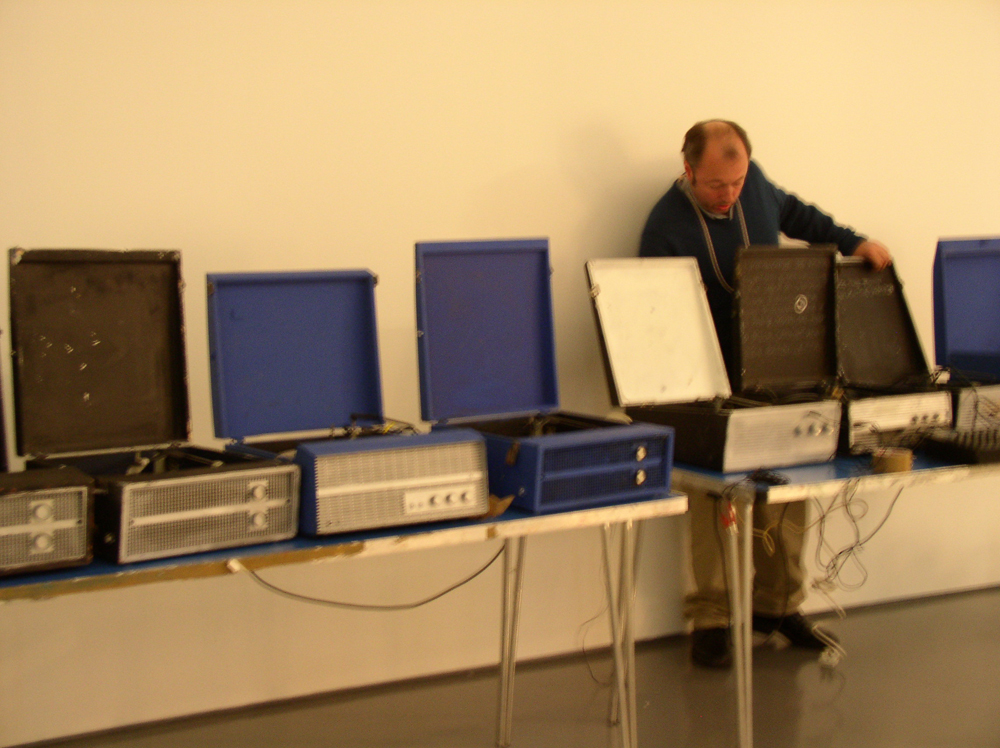
Equal parts spectacle, installation and performance, his set for us is a specially developed work, ‘turning’, which features an orchestra of multiple turntables, 4 projections and a collection of old, and, quite probably, misfiring analogue kit.
Introducing and setting intentions for a crip grief transformation and witness altar. A place to sit and breathe, remember our dead, wash our hands and leave offerings to and for loved ones we’ve lost – and for ourselves.
Autobiographical detail becomes a lens to reflect and refract the deepest aspects of personal and social life in Delany’s ground-breaking non-fiction writing.