Kyoaku No Intention
Kyoaku No Intention
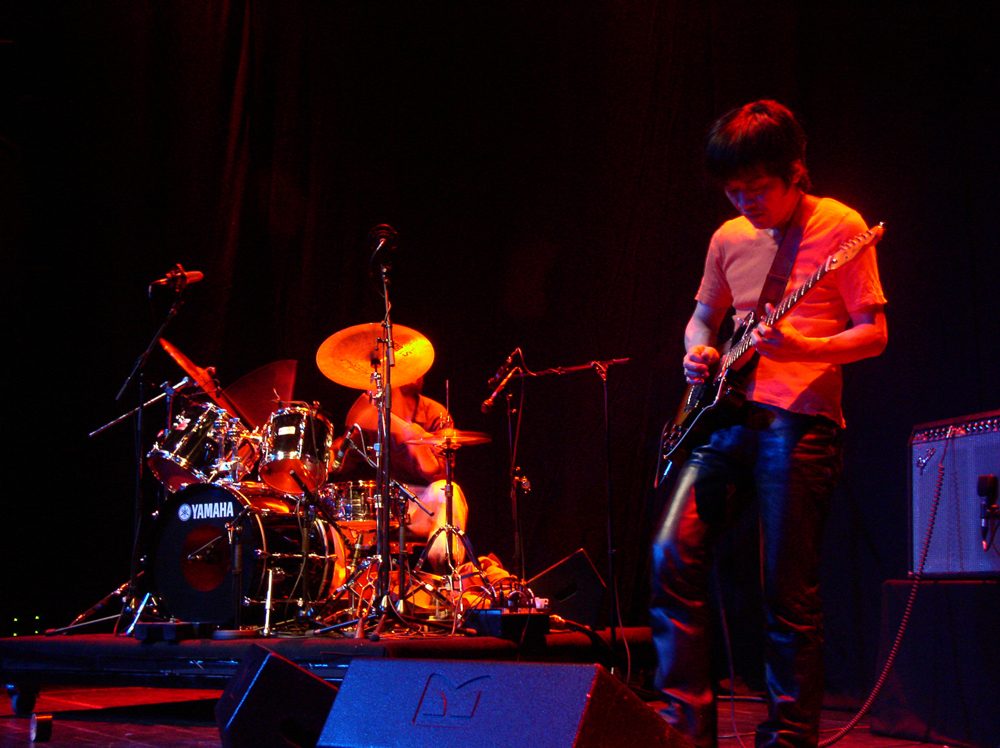
Munehiro Narita’s Kyoaku No Intention (Worst Intentions) fired out some of the most compelling no-wave improvised rock of the 80s.
Arika have been creating events since 2001. The Archive is space to share the documentation of our work, over 600 events from the past 20 years. Browse the archive by event, artists and collections, explore using theme pairs, or use the index for a comprehensive overview.
Munehiro Narita’s Kyoaku No Intention (Worst Intentions) fired out some of the most compelling no-wave improvised rock of the 80s.
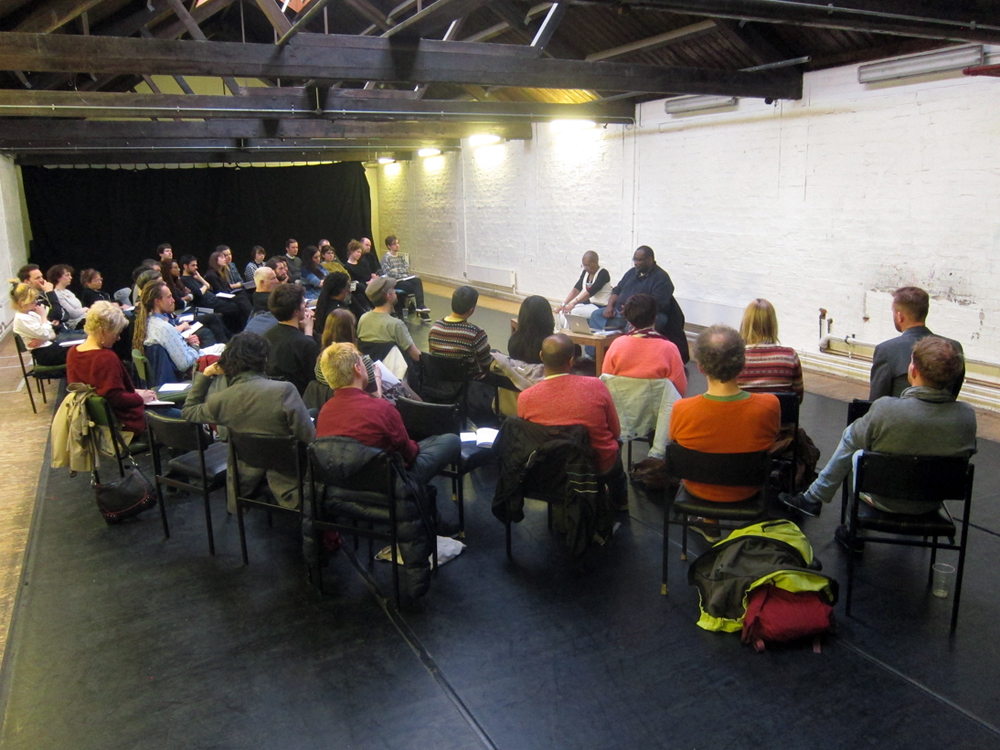
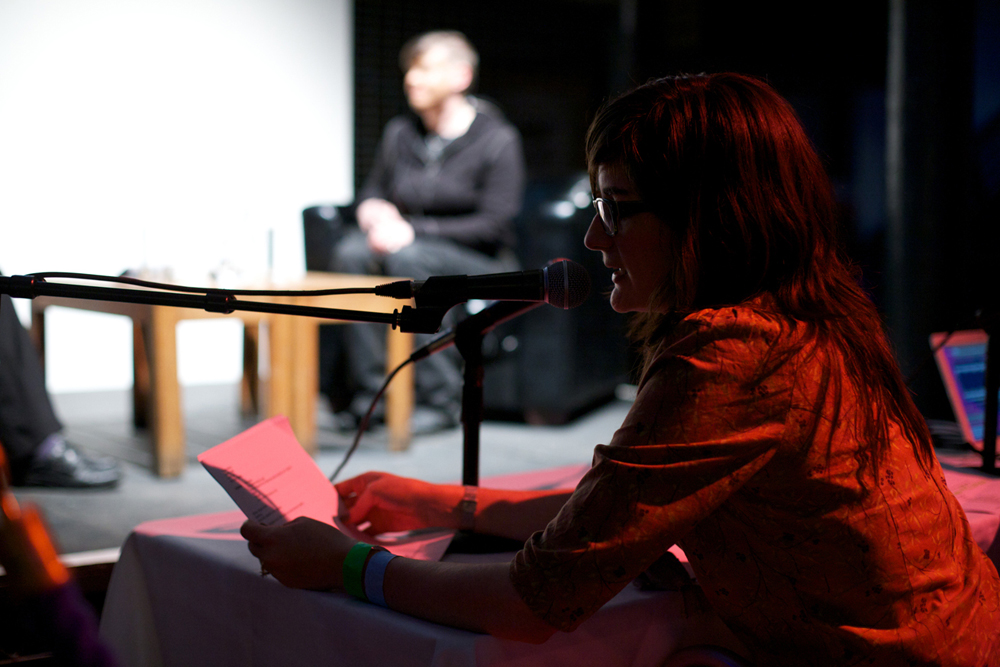
A conversation between Philip and Moten: how do we read NourbeSe’s anti-narrative poetic lament in Glasgow today, given the city’s role in the history of slavery?
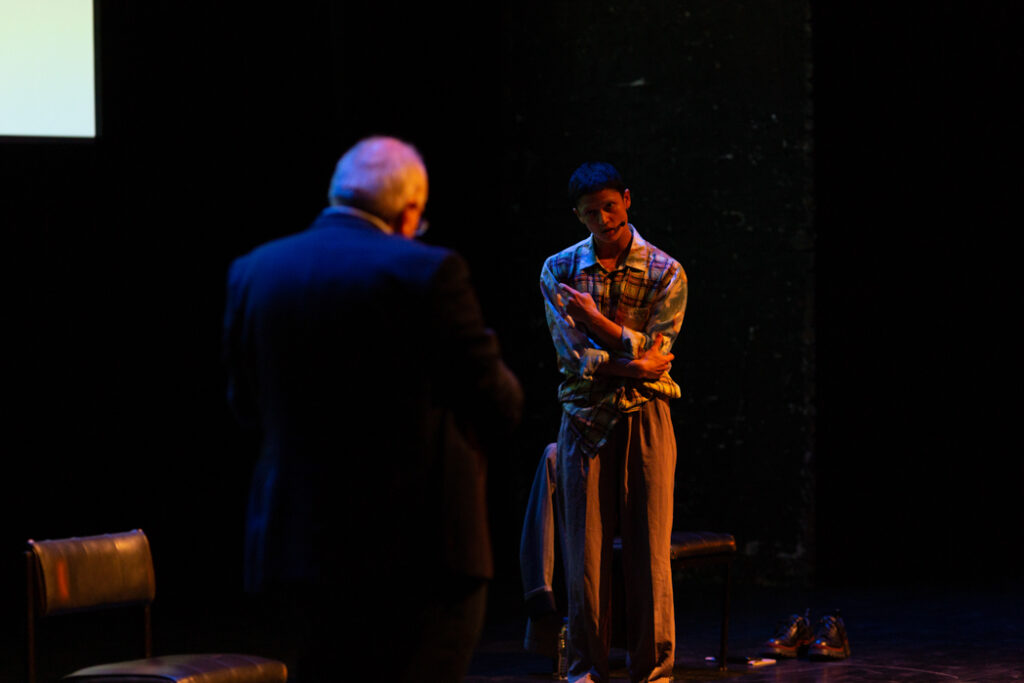
How do we gesture to the invisible, the trans or the obscure? A performative conversation between boychild and Fernando, a sharing of gestures, and a bodily back and forth between mathematician and dance artist.
One of the great experimental films. A 60 minute, three part riddle that maybe approximates our intellectual development by moving from imageless words to the recognition of silent images and the learning of simple tasks and finally a serenity and acceptance of death.
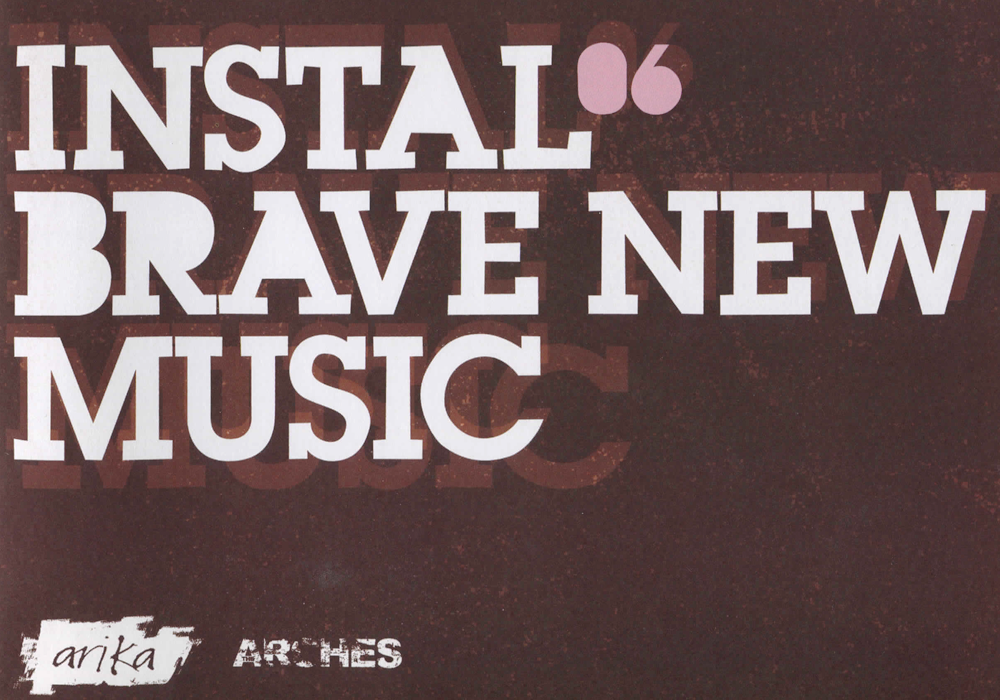
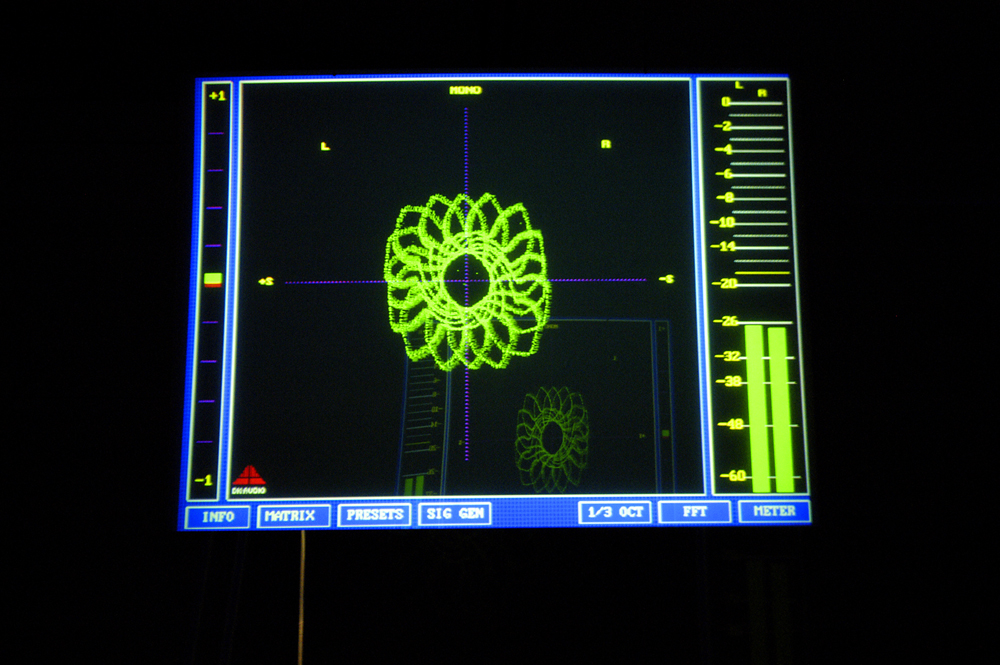
The 2006 INSTAL festival saw a broad selection of artists that included Blood Stereo and Ludo Mich, Ellen Fullman and Sean Meehan, Keiji Haino and Tony Conrad and a specially created performance by Maryanne Amacher.
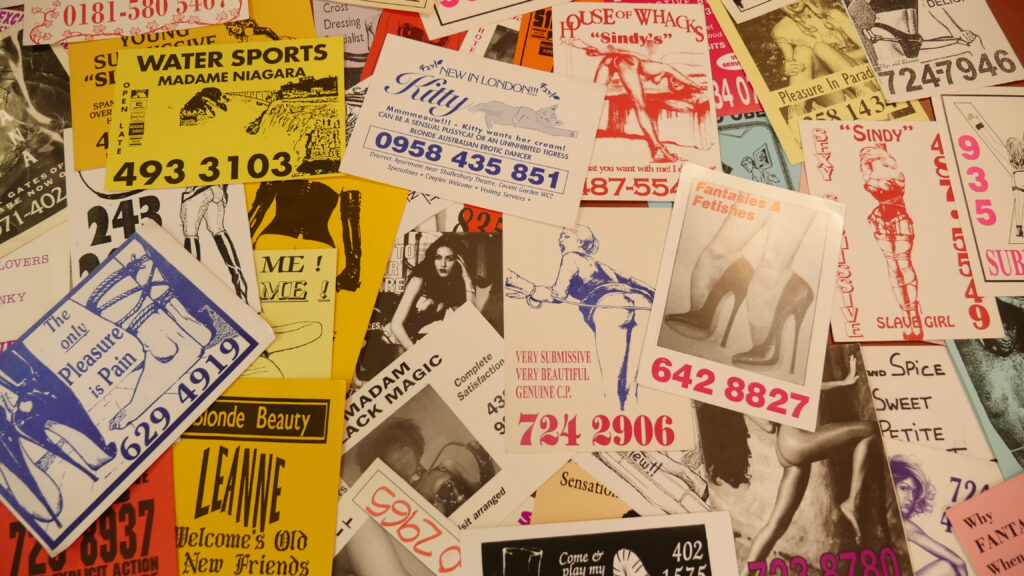
Sex worker only Collective Art Workshop led by the Hard Labour project from Scotland for Decrim.
Two figureheads of the minimalist electronica pulse, Ikeda and Nicolai have been responsible for some of the most innovative and ground-breaking music of the last decade, redefining experimental electronica.
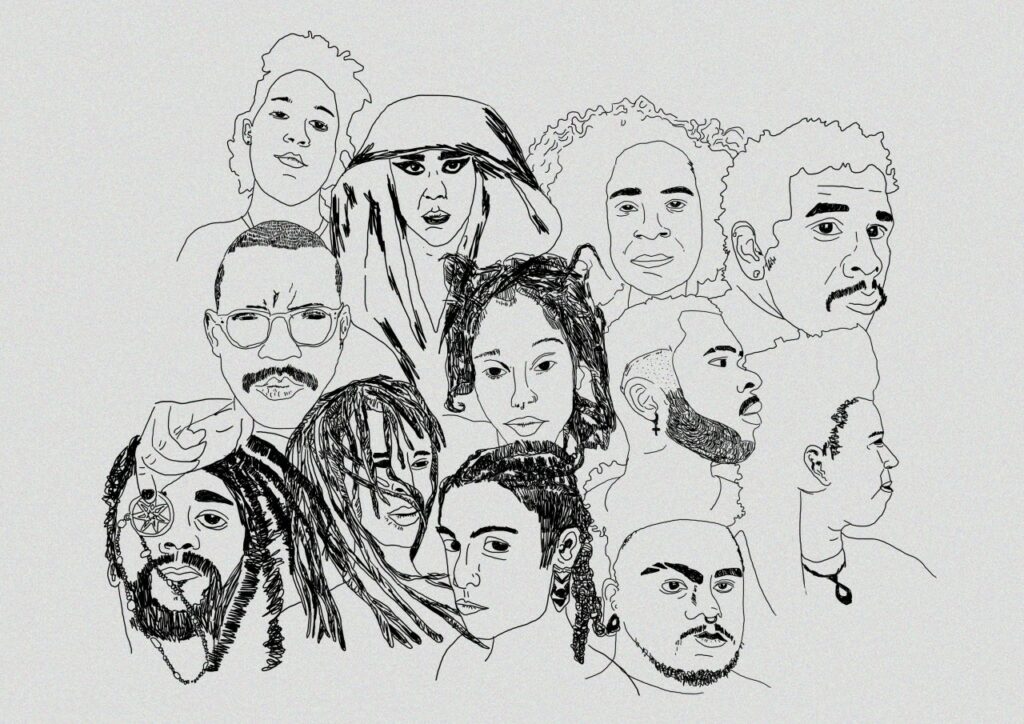
Organised by Twiggy Pucci Garcon and Pony Zion, The Masters Ball focuses on the work of 50 individuals designated within the scene as ‘masters’ in their respective performance categories, which include Vogue, Runway, and Face.
A series of reality dramas happening over the course of the weekend.
How do you know what you want? Should freedom be doing what you ought, not doing what you want? How might a philosopher and artist turn this thinking into an enabling condition in the context of noise and improvisation?
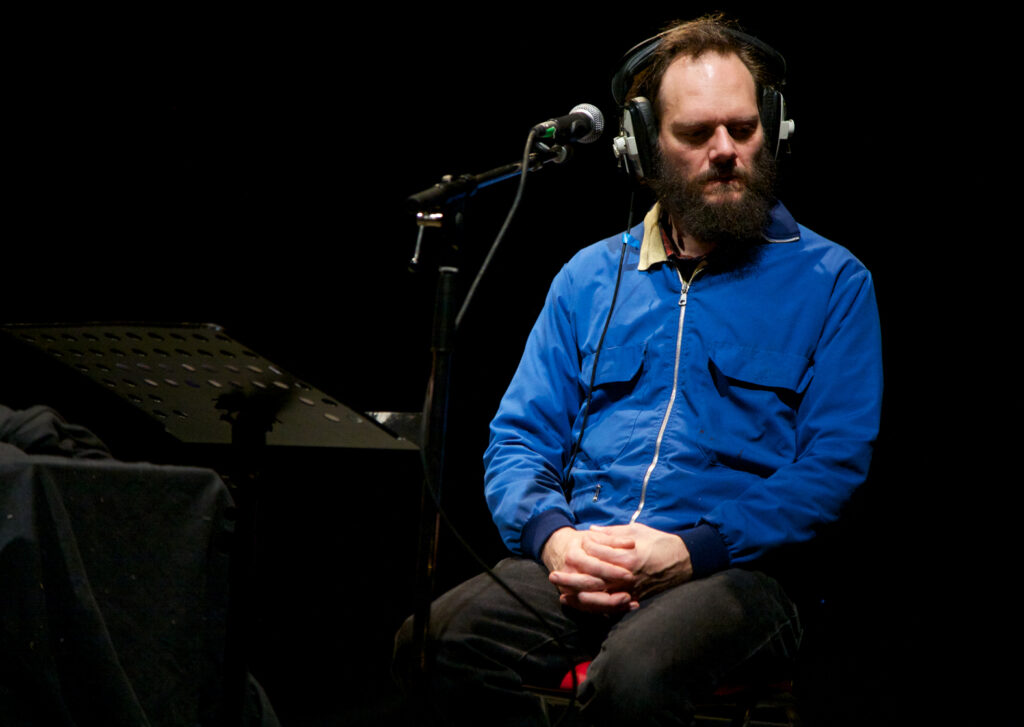
Listening to people listening to their own homes. Musicians and actors will listen back to recordings made in local peoples homes on headphones, and interpret/ translate what they are hearing.