Koji Asano
Koji Asano
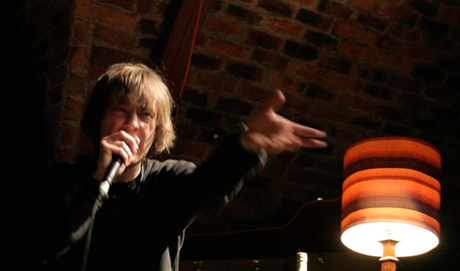
Koji Asano, Japanese composer and sound-artist performing slow groaning burbling tones, moaning echoes and drones.
Arika have been creating events since 2001. The Archive is space to share the documentation of our work, over 600 events from the past 20 years. Browse the archive by event, artists and collections, explore using theme pairs, or use the index for a comprehensive overview.
Koji Asano, Japanese composer and sound-artist performing slow groaning burbling tones, moaning echoes and drones.
Film and sound stripped of ‘content’ and experienced spatially, to be looked at not on the screen but in the space of the gallery
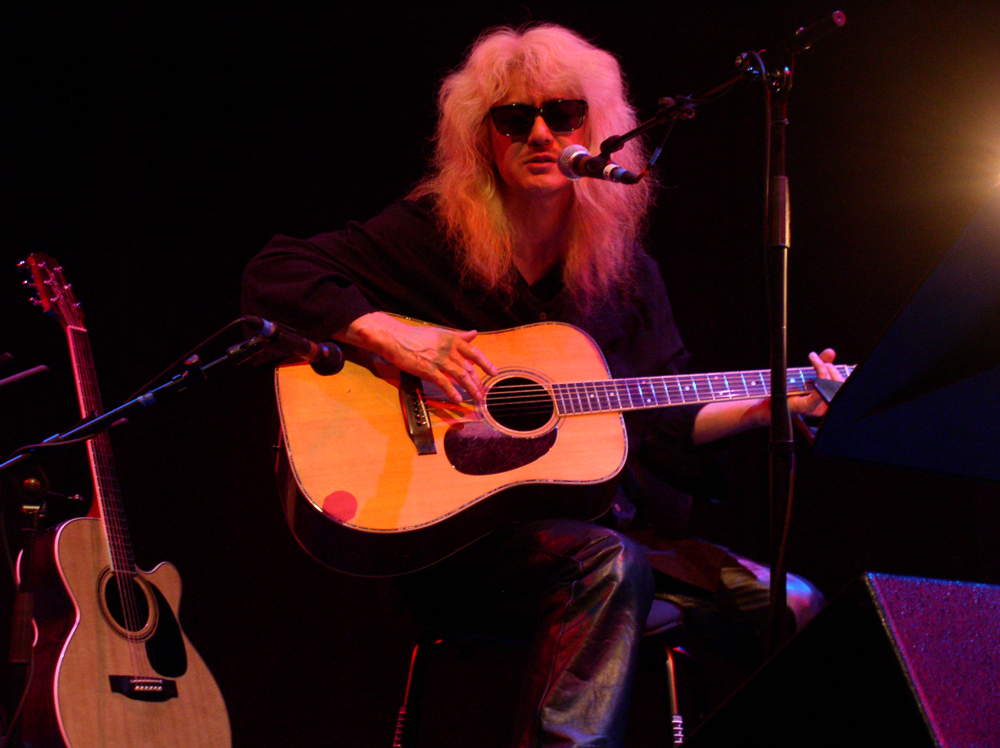
A confrontational and somehow shamanic stance; introspective silences shattered by savage jabs at the strings, whirlwind strums dying into spartan chords
The first of two workshops that highlight correspondence as a way of working. Somewhere between song, speech, and logistical arrangement, these workshops invite participants to consider care as infrastructure.
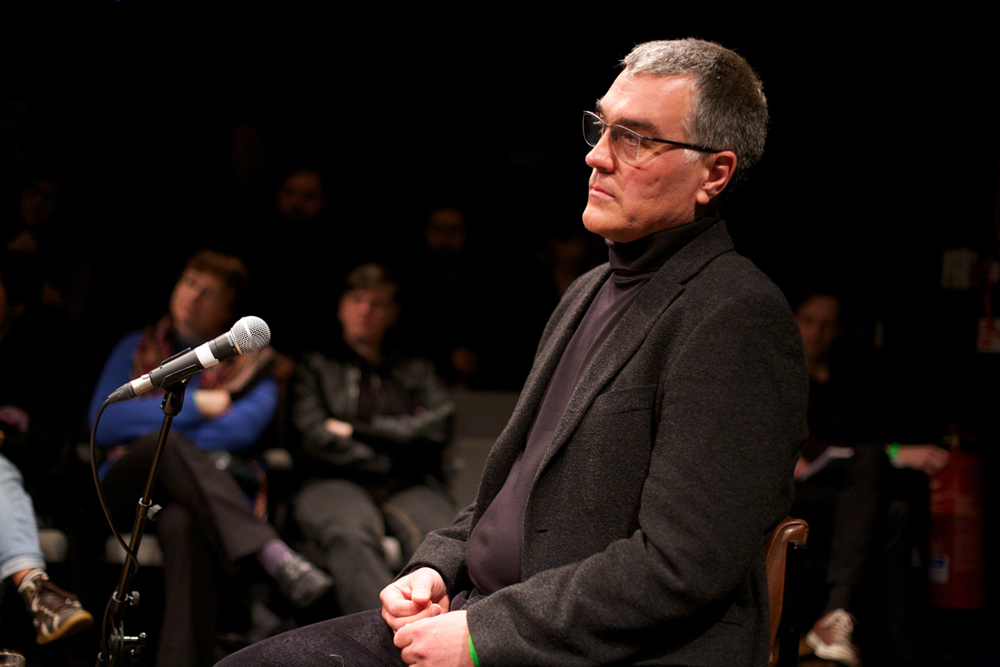
Ray and Thomas talking about how cognitive neuroscience is unlocking the physical basis of personal experience.
Reveling in the geometric, mathematical and perceptual relationship between sound and form, this programme features a landmark work of experimental film in Kubelka’s Arnulf Rainer; a complex, enduring and expressive of structuralist or flicker films.
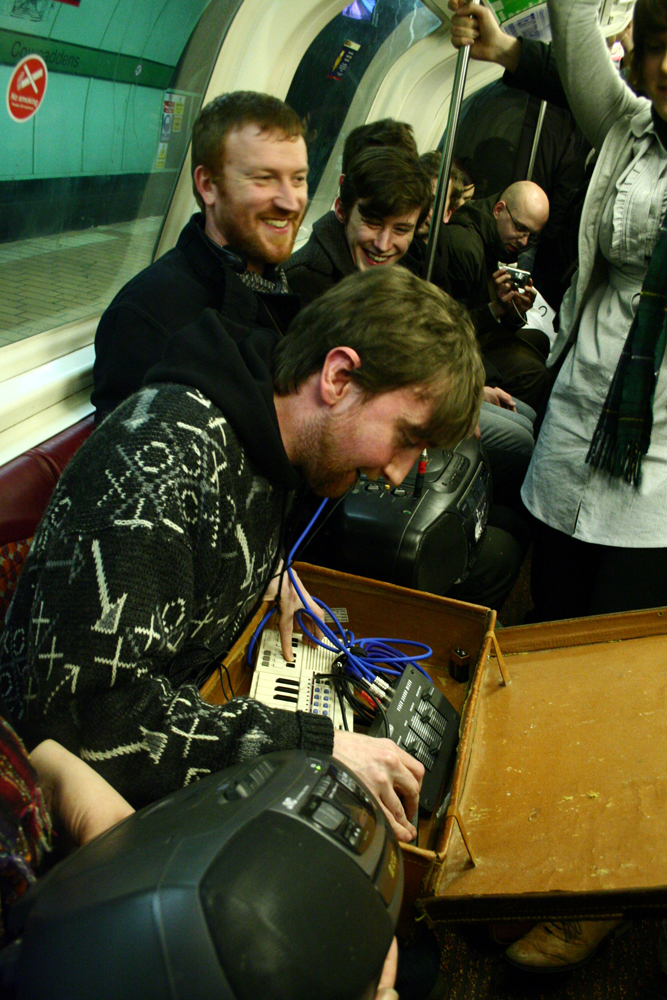
Where we join Nackt Insecten’s disembodied spectral howls and heavyweight locomotive drones about SPT’s Subway.
A simple, gracefully bold set-up to allow Loïc to trace connections: of comments upon comments upon comments, of sounds next to sounds next to sounds.
For musical chameleon Richard Youngs both his creative and family life are focused in the room that many of us consider the centre piece of our lives.
A series of three short performed situations and statements to be examined or judged from the most interesting young musician in Glasgow (we think).
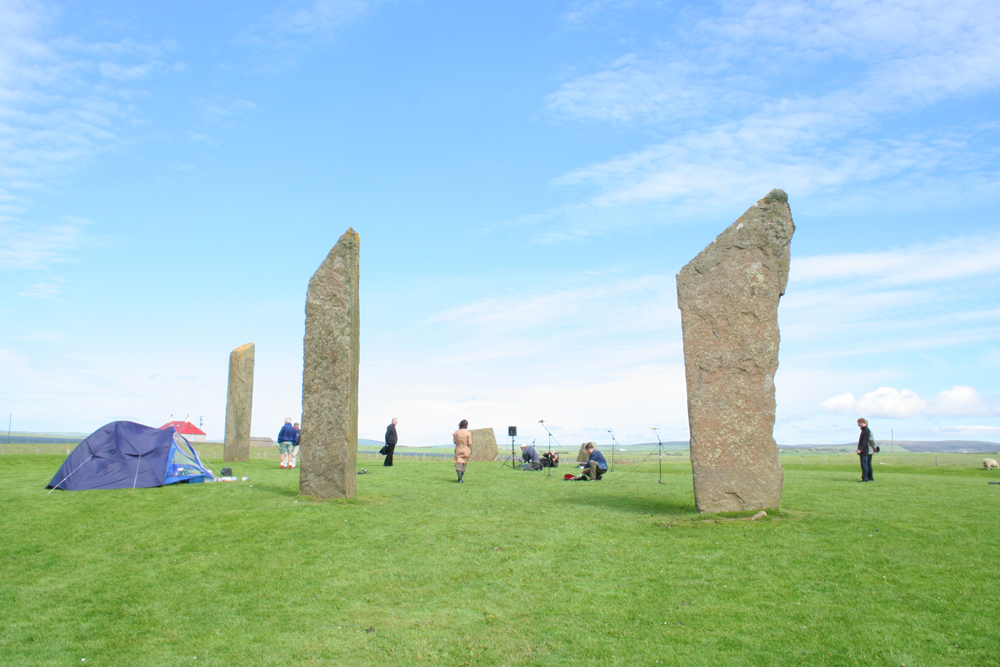
Akio Suzuki and John Butcher performing by the Stones of Stenness, instead of the Ring of Brodgar, because of bad weather.
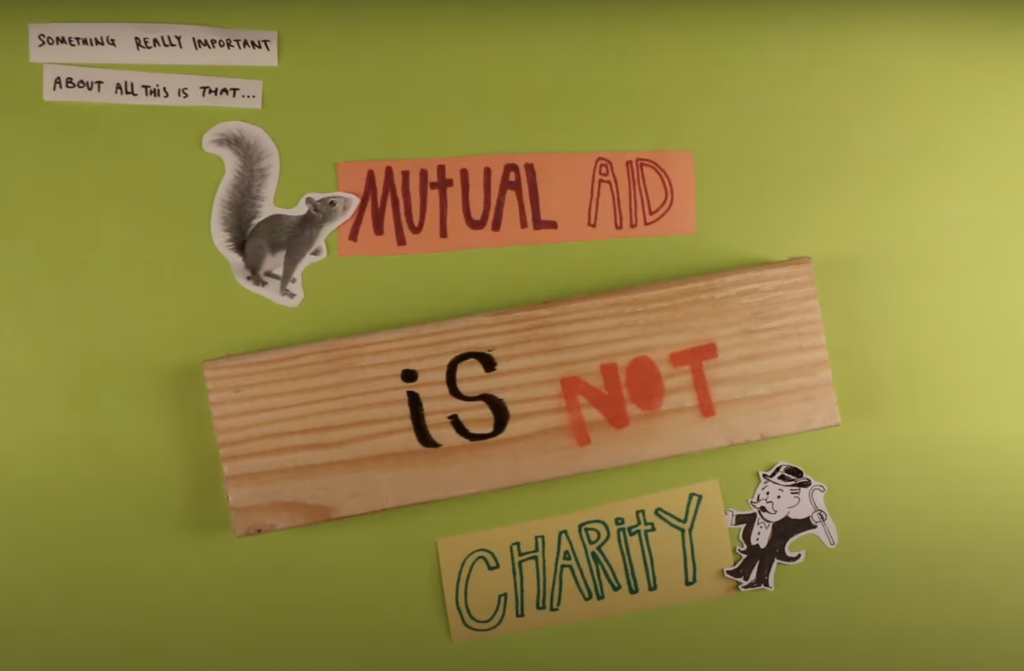
How do we make the connections between the mutual aid practices of our daily lives and anti-capitalist efforts to dismantle wider systems of exploitation?