Killer of Sheep
Killer of Sheep is an undisputed masterpiece of African-American filmmaking and one of the most poetic, perceptive dramas ever made about family and community.
Arika have been creating events since 2001. The Archive is space to share the documentation of our work, over 600 events from the past 20 years. Browse the archive by event, artists and collections, explore using theme pairs, or use the index for a comprehensive overview.
Killer of Sheep is an undisputed masterpiece of African-American filmmaking and one of the most poetic, perceptive dramas ever made about family and community.
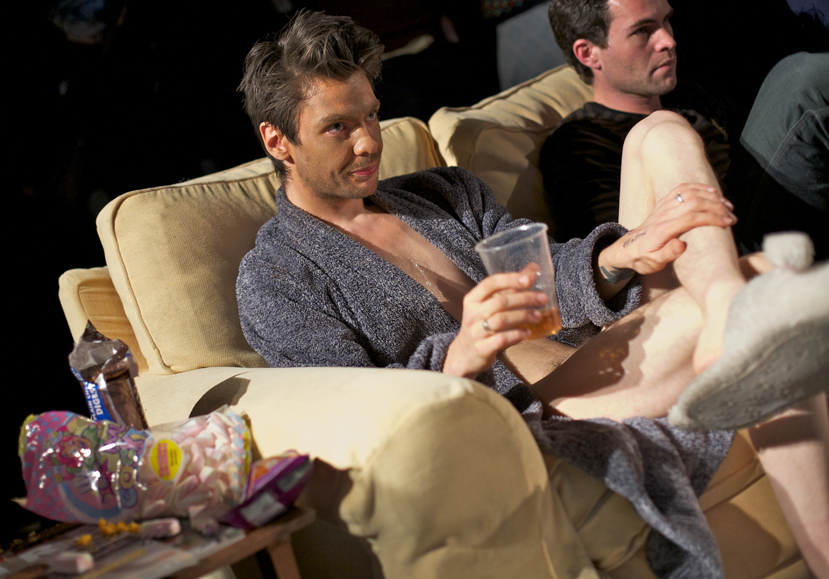
A series of three short performed situations and statements to be examined or judged from the most interesting young musician in Glasgow (we think).
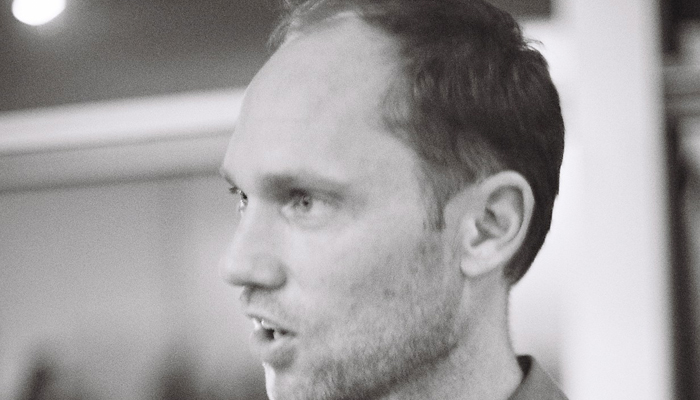
We asked Christoph to come and give a sort of informal talk, raising some of his ideas about sound and image, and playing/ showing a few examples.
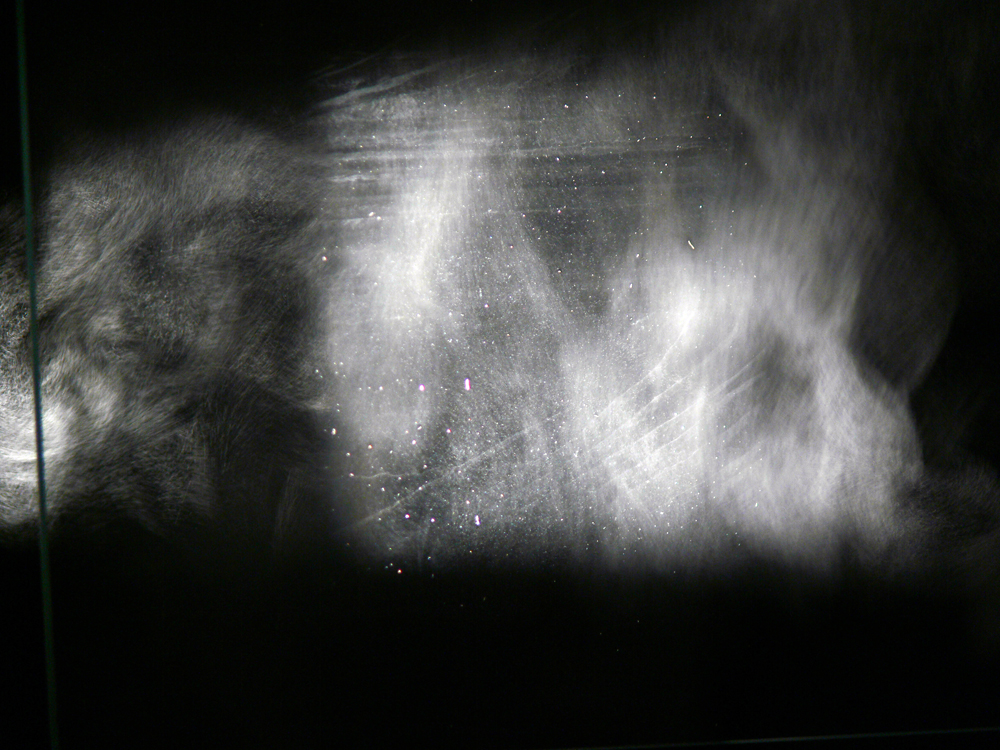
A collaborative performance where sound and image are created, performed and mediated by light, water and glass.
Amid the blur of erotics, the jangle of poetics, and the fetishizing of sickness and disability, the heat of Panteha’s performance and sculpture freezes all.
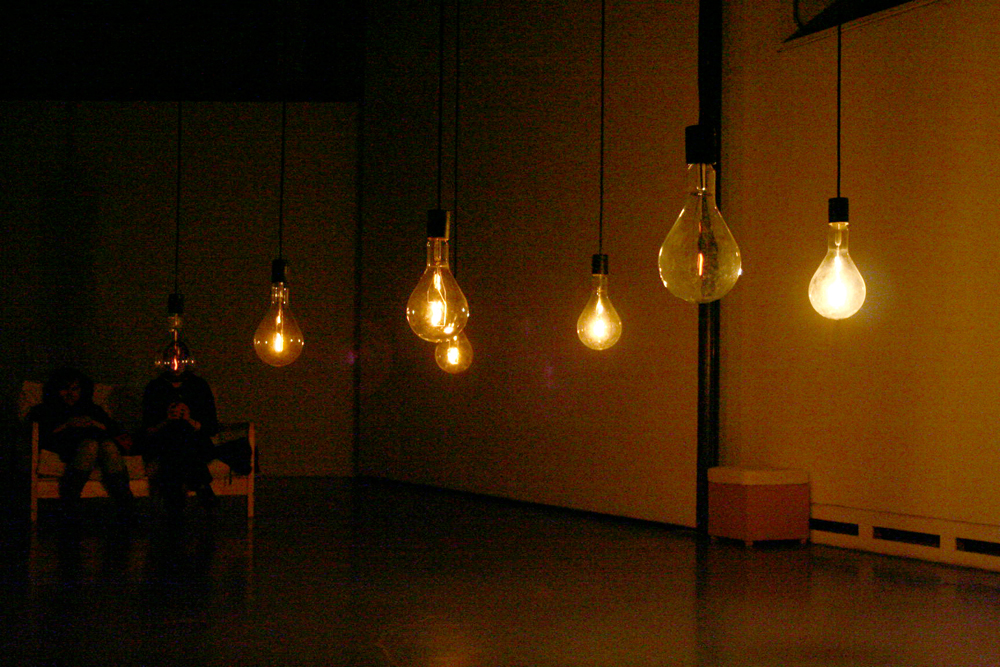
Audio signals pass through light bulbs, causing the filaments of the bulbs to sing and crackle in a chorus of electronic static.
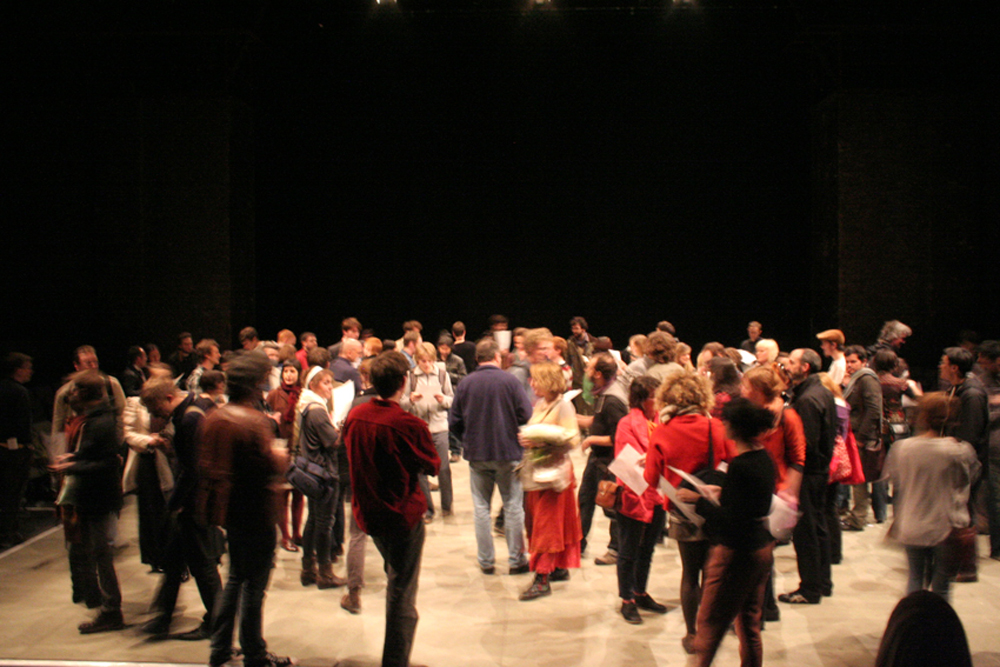
Paper Piece: Secrets is a performance for and with the whole audience, using paper, text, secrets, being in the crowd
Inspired by the supernatural horror of H. P. Lovecraft, black metal and a sense of worry as to what constitutes an object, or a world.
During Episode 9 we made this clip with Storyboard P at Kinning Park Complex. Video by Ash Reid.
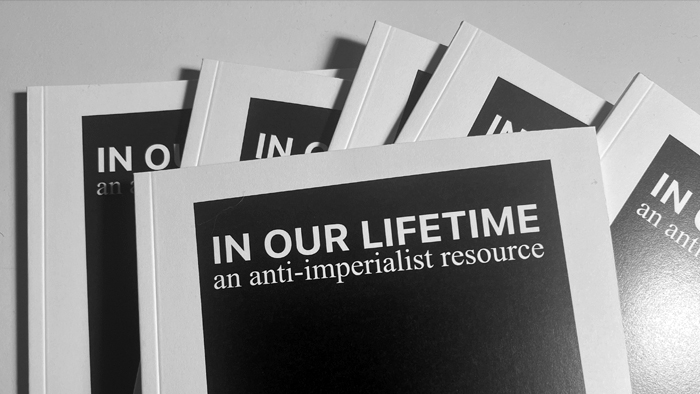
IN OUR LIFETIME, is an anti-imperialist resource, edited by Hussein Mitha, produced by Arika for Episode 11, featuring poetry, essays, questions, prompts, letters and works of anti-colonial imaginary.
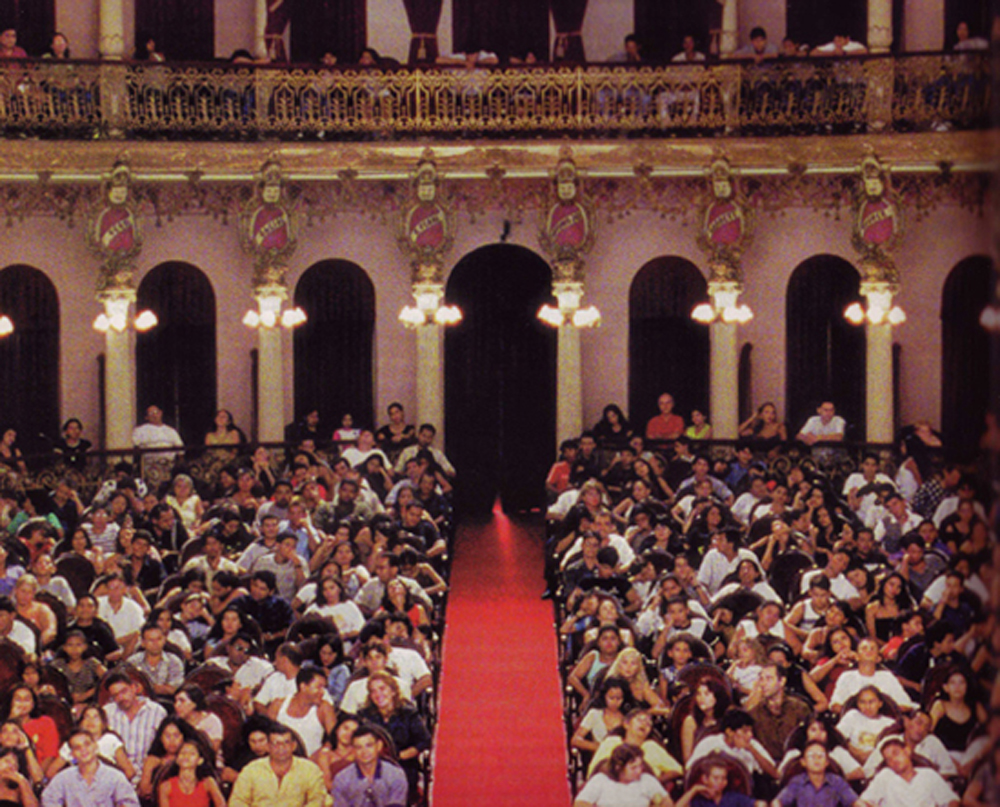
A double bill. A simple first person, Dundee-specific tracking shot that approaches the cinema/ screen/ space the film will eventually be shown in and in Brazilian opera house, a fixed camera gazes at a local audience from the stage: a choir, hidden in the orchestra pit, sings and gradually fades to silence.
Haunted by the archive of the New Cross Fire, Jay Bernard presents a film and poetry reading that undertakes a queer exploration of black British history, reconstructed from archives and apparent debris.