Tetsuya Umeda
Tetsuya Umeda
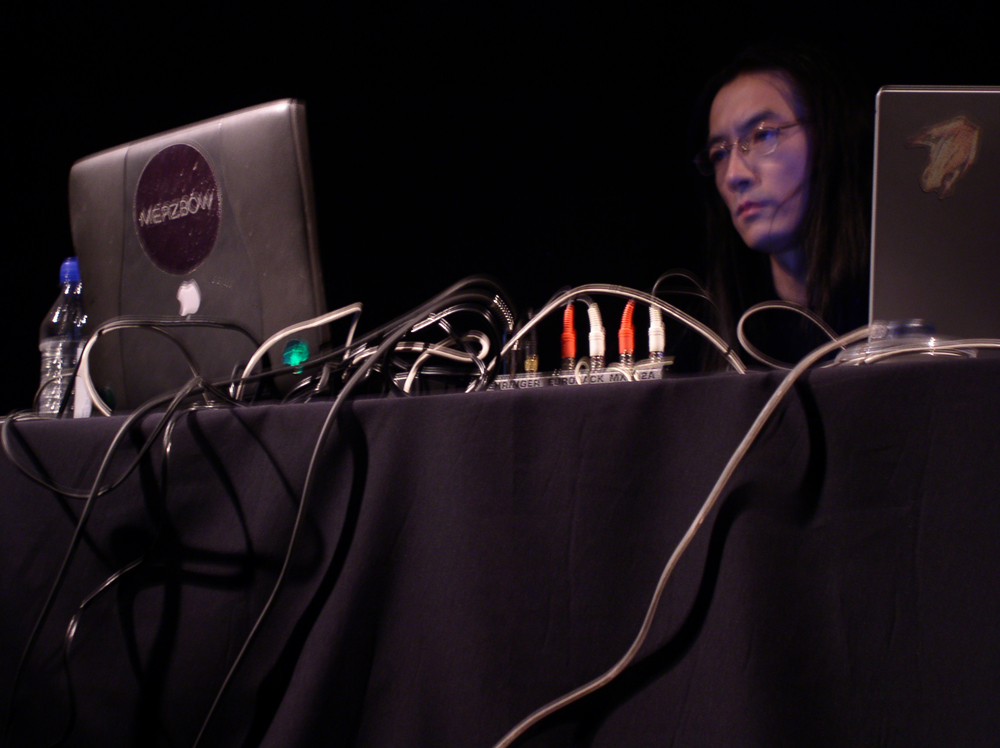
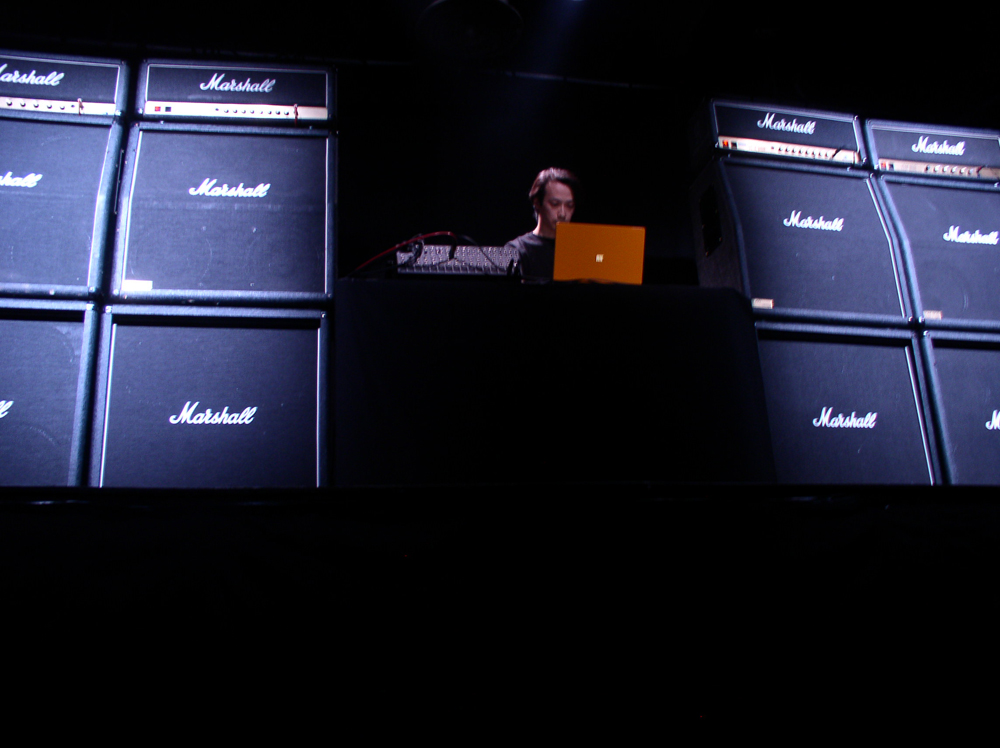
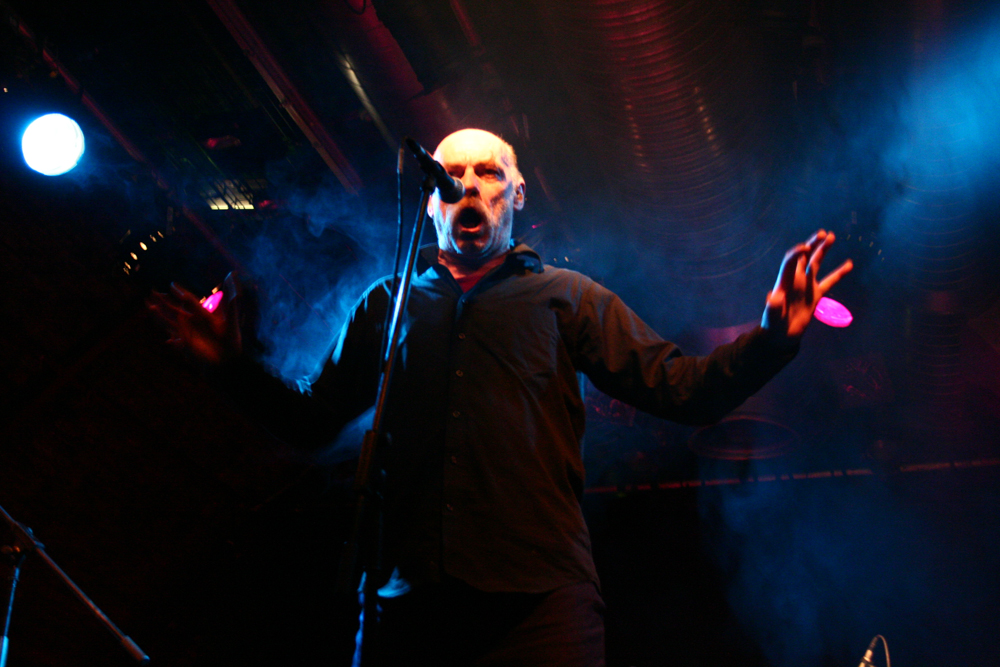
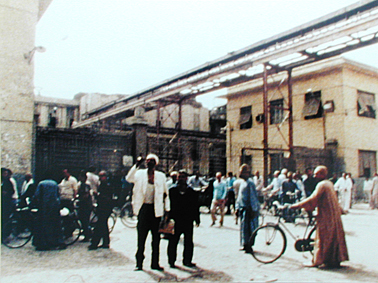
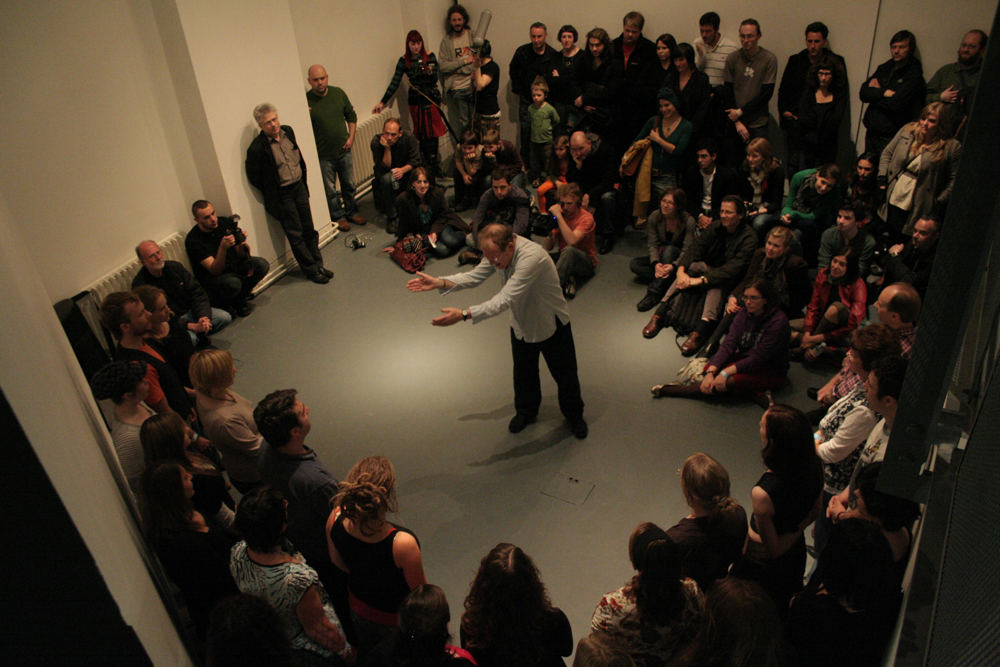
Umeda is a Japanese artist who is as fascinated in setting up interesting situations to observe, as he is in creating performances.
Arika have been creating events since 2001. The Archive is space to share the documentation of our work, over 600 events from the past 20 years. Browse the archive by event, artists and collections, explore using theme pairs, or use the index for a comprehensive overview.
Umeda is a Japanese artist who is as fascinated in setting up interesting situations to observe, as he is in creating performances.
Recently rediscovered but still very pertinent, Kino Beleške presents a series of speech acts and performative gestures by protagonists of the new artistic practice in former Yugoslavia: each a personal take on the role of art in society.
Over 3 days Episode 8 celebrates all the unruly ways we escape attempts to constrain us, tear down the walls of normative culture and build joy in flight.
5 days of film, music, discussion and study of our collective incompleteness—arrayed against the colonial ordering of how we come to know the world—practicing how we might exist otherwise, right here and now. Can we start to know and practice the world to come?
As part of Karrabing’s visit to Scotland, the collective will be hosted for three days in the Isle of Skye by The School of Plural Futures.
Kenneth Goldsmith reads extracts of his conceptual poetry and Achim Wollscheid manipulates mobile phone signals.
How might two of the great musicians working within contrasting traditions of freedom collaborate? What might this produce: musically, socially, allegorically?
4 days of performances, discussions, workshops, screenings with mutant dancers, prison abolitionist poets, transfeminist revolutionaries, haunted noise, science fiction, sex worker resistance, crip erotics, radical pornography and militant fiction.
Emotional fantasies, towers of cakes, identity troubles, collapsed distance and time and Samuel R. Delany’s rarely seen 1971 film The Orchid.
A mixture of investigation groups, live performances, screenings and installations at DCA; the festival looked to strip back music, sound, film and moving image to their core ideas and explore them with artists and audiences.
A cinema of the mind, a film to take place in the viewers’ imagination(s).
There are core ways in which our listening to the radio differs from other kinds of listening. What happens when we pay attention to how we pay attention?