Personal Space
Nackt Insecten
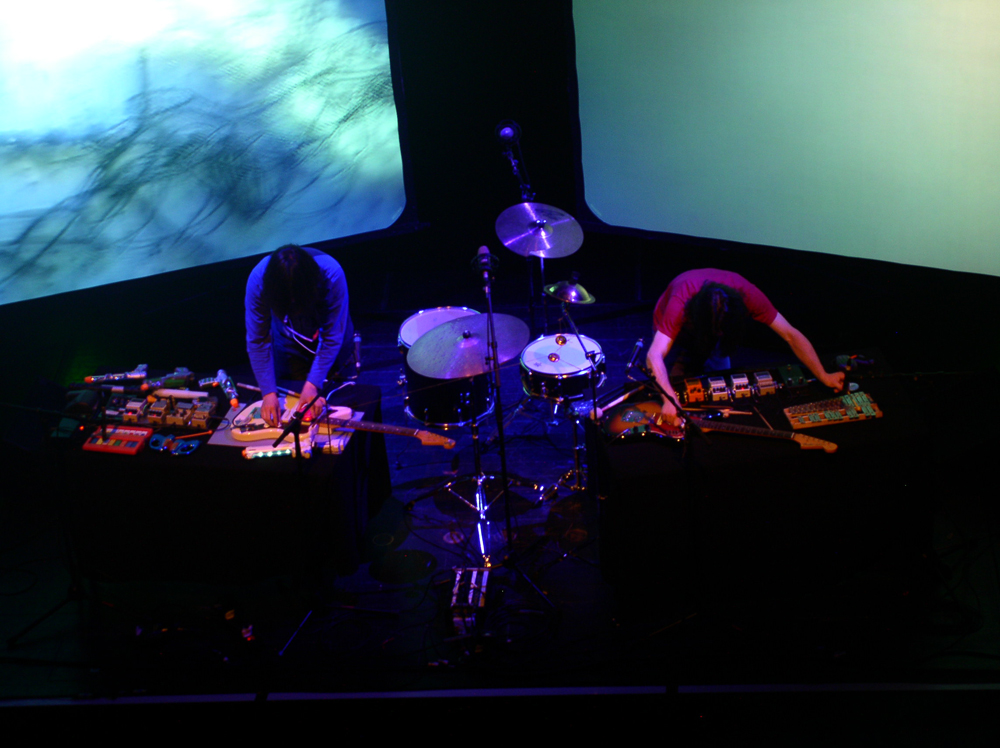
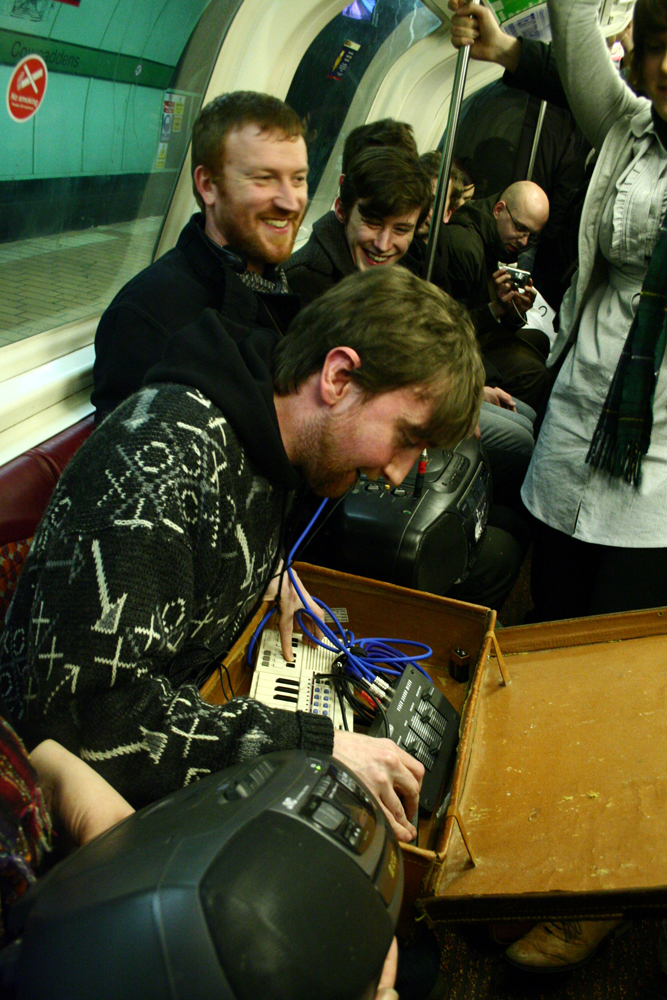
Where we join Nackt Insecten’s disembodied spectral howls and heavyweight locomotive drones about SPT’s Subway.
Arika have been creating events since 2001. The Archive is space to share the documentation of our work, over 600 events from the past 20 years. Browse the archive by event, artists and collections, explore using theme pairs, or use the index for a comprehensive overview.
Where we join Nackt Insecten’s disembodied spectral howls and heavyweight locomotive drones about SPT’s Subway.
West Coast drone-age guitar grumbler/ consumer electronic reclaimer meets free-thinking clang/ chime/ drone bluesman of The East.
Taking a scalpel to the relationship between performer and audience: cutting something out to see what’s left, a drastic subtraction and shift of emphasis.
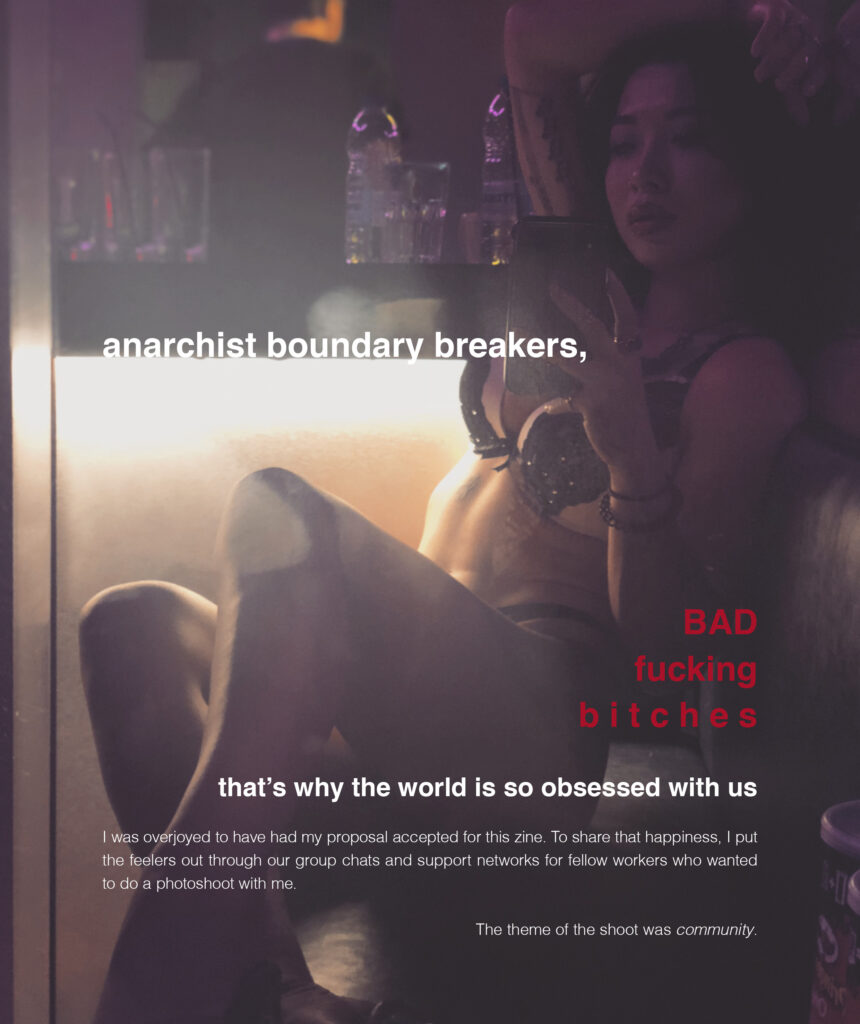
The Truth and Lies book project emerges as part of a rising tide of sex worker art and organised struggle to end criminalisation and stigmatisation of sex work.
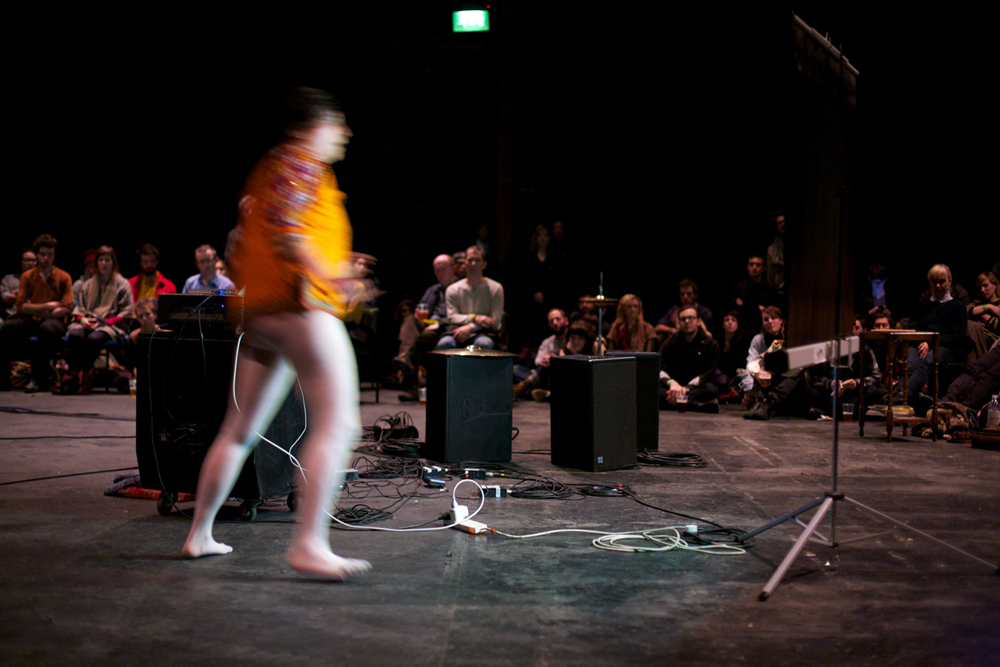
Personal Spaces: inversion of a territorial bell, confusing the realms between rehearsal and performance, public and private space.
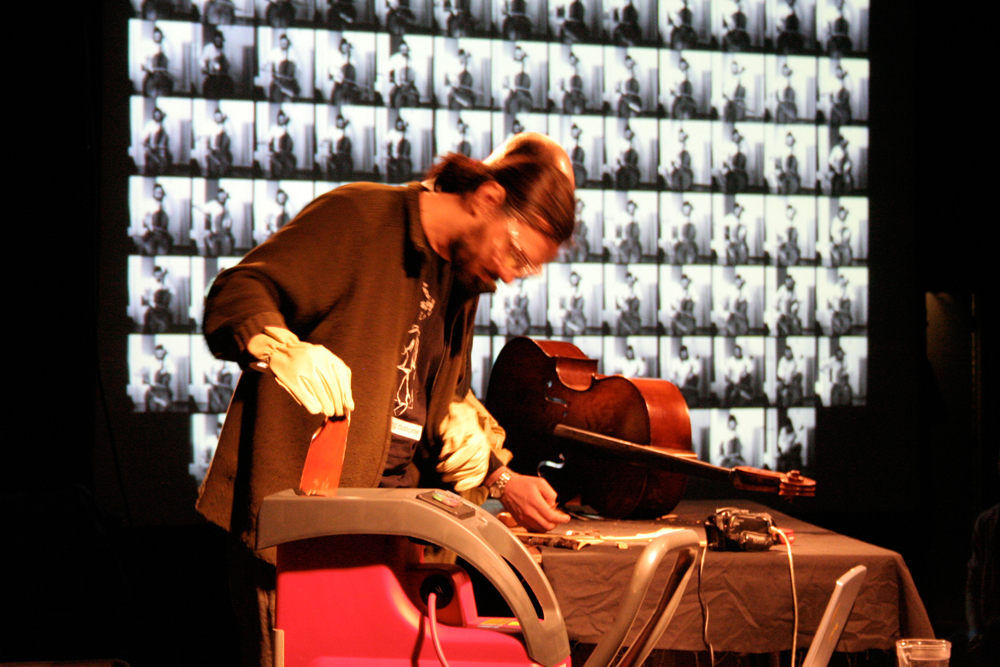
Nikos played every note that it’s possible to play on the cello, all played back as a one hour drone, while the cello was turned to powder and bottled.
Post consideration and post rationalisation… How do we think about experimental music and film after the performance?
Italian duo of brothers Maurizio and Roberto Opalio utilising an array of acoustic and electric guitars, various toy-instruments and toy-microphones.
Slapstick comedy, monologue, and a kind of live sculpture transformed through video, props, musical instruments and make-up.
Ecstatic, intensely joyous experimental club music: like “the sound of our water ceremonies…40 bands playing their melodies at once to recreate the cacophony of the first aurora and the call of the morning star Venus”.
An excavation of the 1805 Lock Hospital in Glasgow. Its official function was to support ‘unfortunate females with venereal disease’, but really what happened was that women and girls were marched in, experimented on, and often never released.
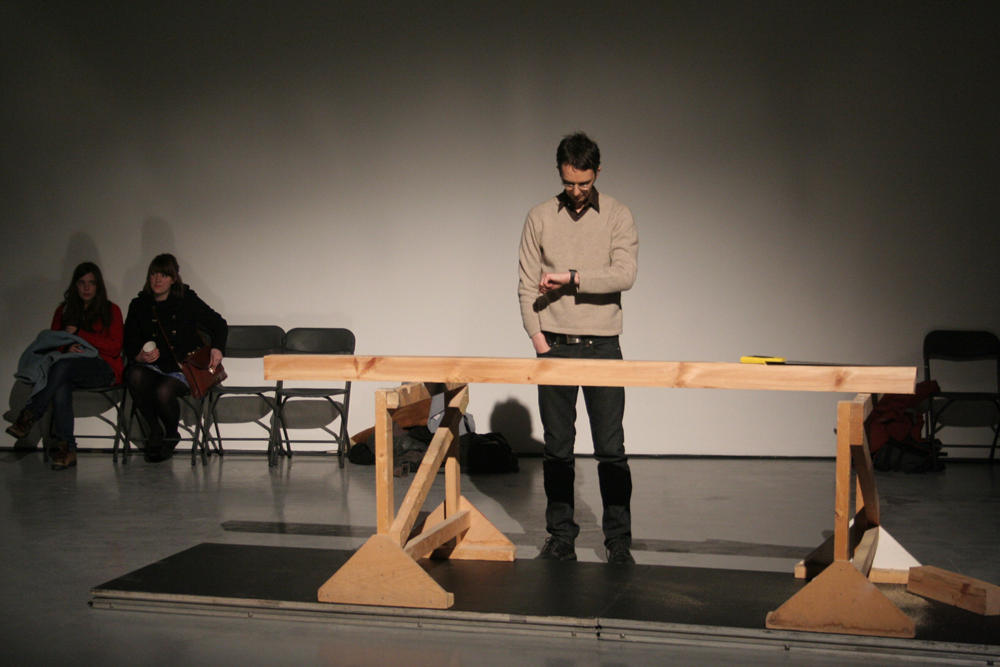
Can we use sound, repetition and difference to personally and collectively engage with space, time and labour?