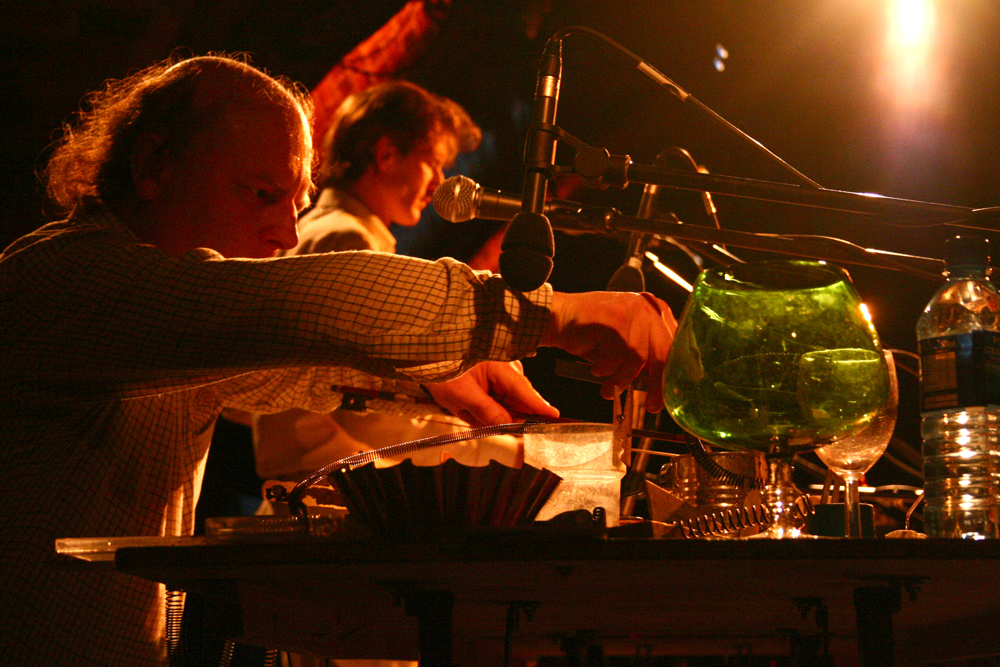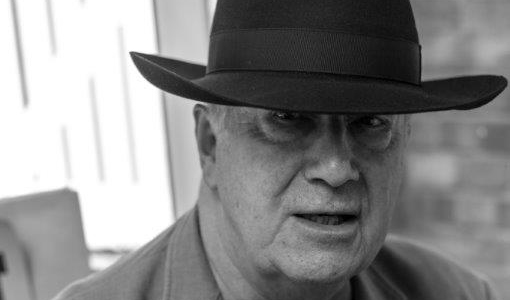
Pauline Oliveros & David Dove
David Dove Pauline Oliveros
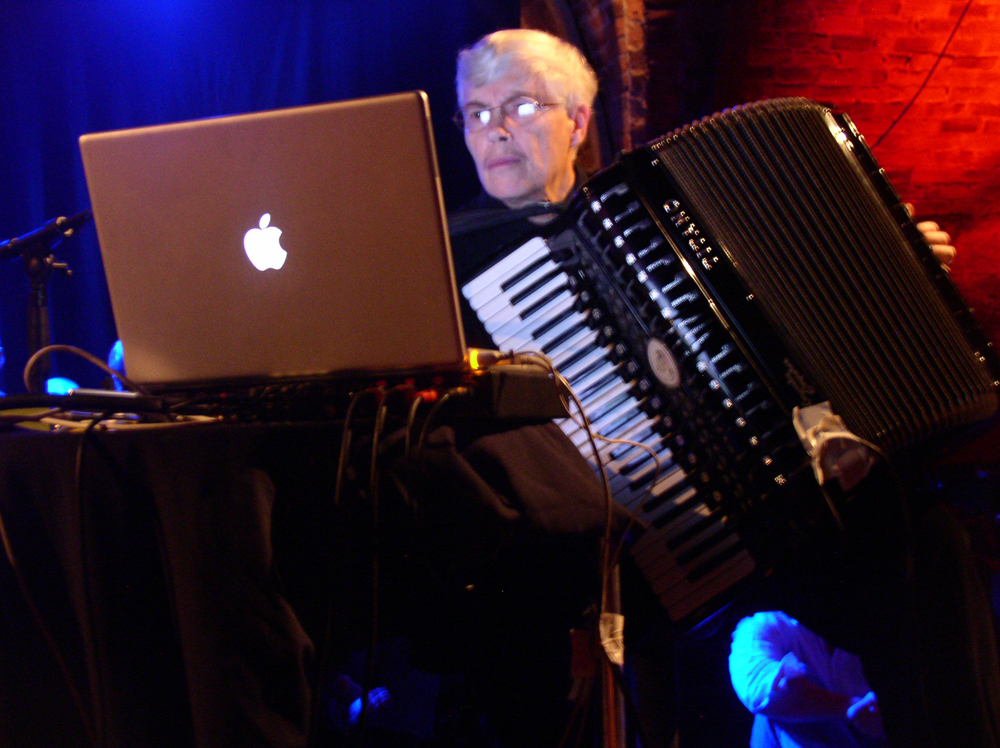
Since the 1960’s Oliverios has had a profound influence on generations of musicians through her work with myth and ritual, improvisation and meditation.
Arika have been creating events since 2001. The Archive is space to share the documentation of our work, over 600 events from the past 20 years. Browse the archive by event, artists and collections, explore using theme pairs, or use the index for a comprehensive overview.
Since the 1960’s Oliverios has had a profound influence on generations of musicians through her work with myth and ritual, improvisation and meditation.
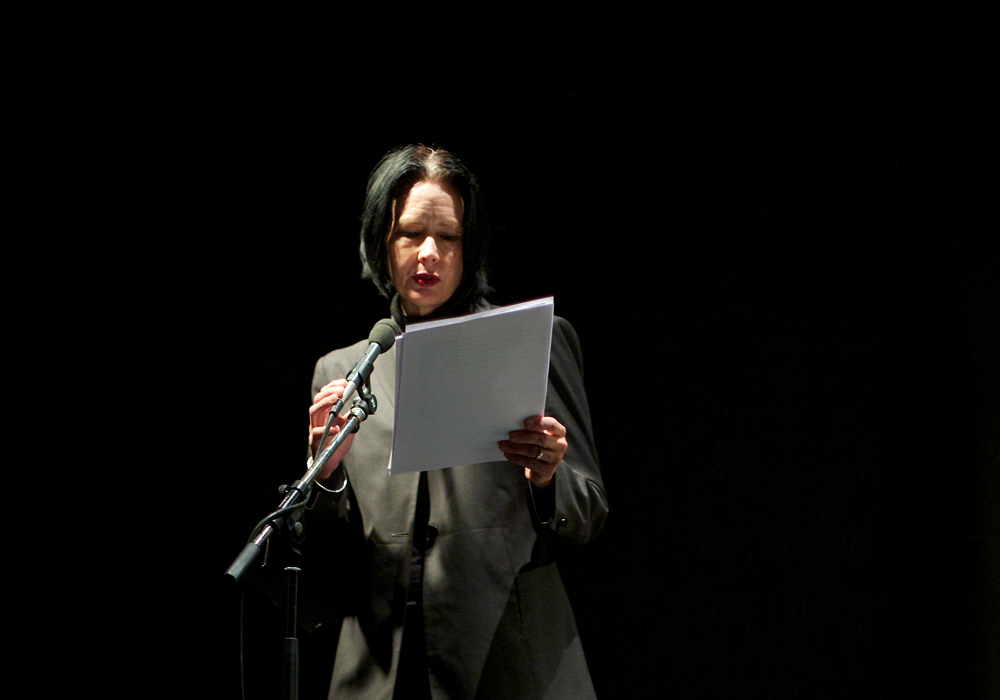
Vanessa Place talks at The Friday Event series at the Glasgow School of Art about her practice as a writer.
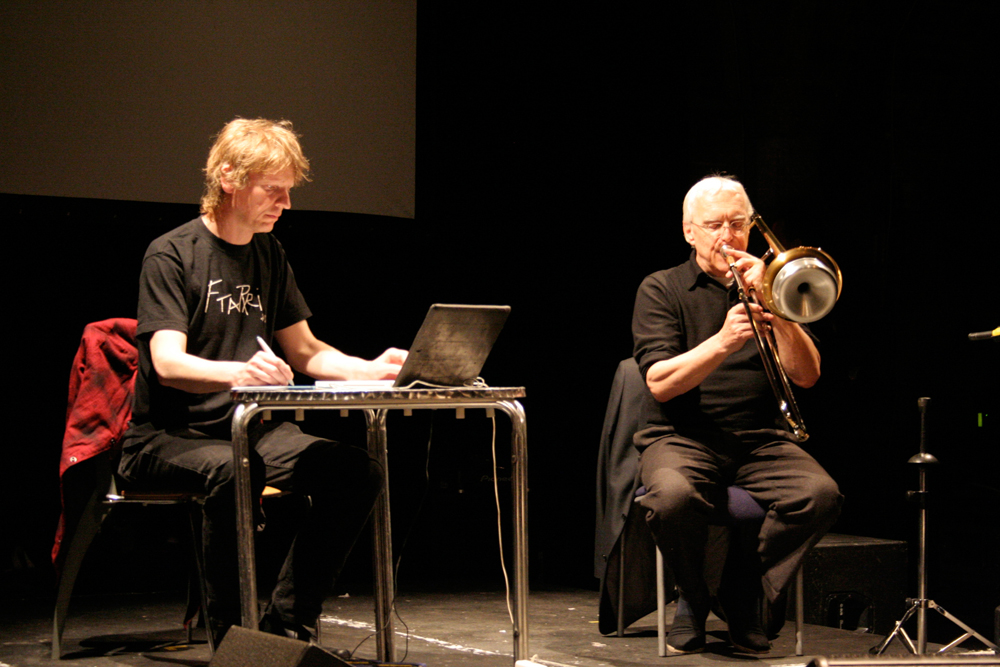
Radu plays a trombone, Klaus creates pure sine waves: they sound on their own, or sometimes together and often with considerable space and silence.
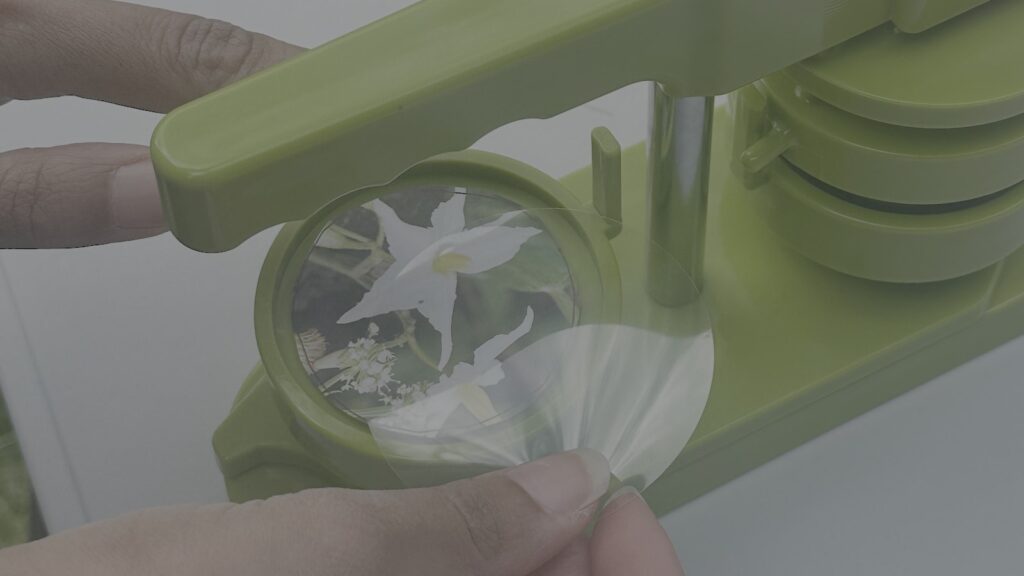
Create your own badge designs, with collaging, drawings, stickers and more! Whether your badge is playful, political, expressive or just for fun this is a space to create something that feels like you.
Inspired by Delany’s Aye, and Gomorra. A spookily filmic world where asexual bodies live in the contradiction of their unarousable loneliness and desire for intimacy and contact.
Quintessentially British, The Bohman Brothers’ music is a home-made and DIY conflux of some of the most virulent strains of experimental music.
An audio/ video, lecture/ performance exploring the queer and companionly inter-activity of human-animal relations.
What does it mean to listen with the mind as well as the ears? A solo performance from the great avant-garde pianist.
When one calls a strike, who hears the call, who attunes and listens to it? How to listen to the call of a strike? What prevents one from hearing this call or stops one from listening to it?
Exploring the interplay between punk sinewave aggression, high-speed video sequences and stroboscopic lighting
Paul Sharits one of the great experimental, sometimes called structuralist / materialist, filmmakers of the 20th Century.
The first of two workshops that highlight correspondence as a way of working. Somewhere between song, speech, and logistical arrangement, these workshops invite participants to consider care as infrastructure.