

9 – 13 March 2022
Online
Mutual Aid
4 days of workshops, discussions and artists presentations exploring the radical act of caring for each other while working to change the world.
Arika have been creating events since 2001. The Archive is space to share the documentation of our work, over 600 events from the past 20 years. Browse the archive by event, artists and collections, explore using theme pairs, or use the index for a comprehensive overview.
4 days of workshops, discussions and artists presentations exploring the radical act of caring for each other while working to change the world.
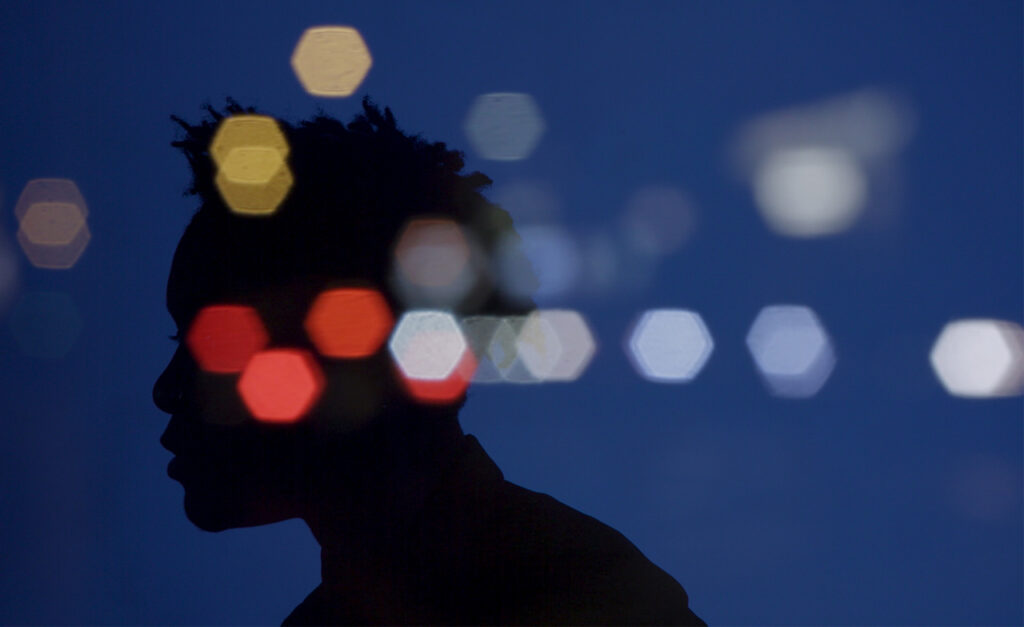
Haunted by the archive of the New Cross Fire, Jay Bernard presents a film and poetry reading that undertakes a queer exploration of black British history, reconstructed from archives and apparent debris.

Ecstatic, intensely joyous experimental club music: like “the sound of our water ceremonies…40 bands playing their melodies at once to recreate the cacophony of the first aurora and the call of the morning star Venus”.
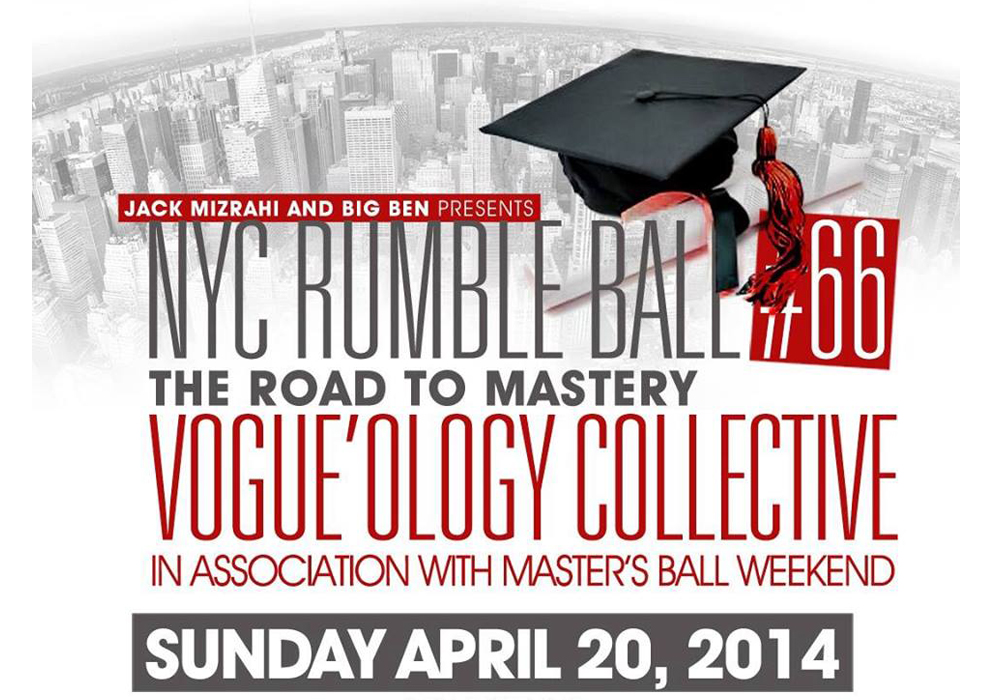
This mini, late-night ball will include categories inspired by the events earlier in the weekend.
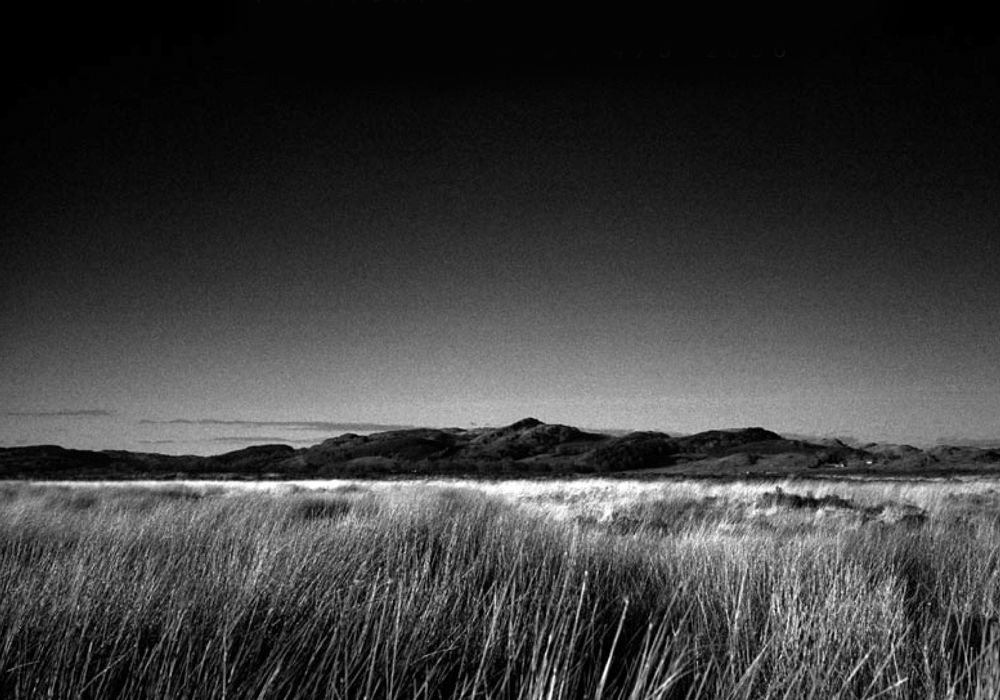
NVA asked Arika to curate and programme the sound aspects of their 2007 Half-Life production in Kilmartin Glen. Arika worked with Toshiya Tsunoda, Lee Patterson, Rhodri Davies and Angharad Davies.
A festival asking how ideas of nihilism, darkness, subjectivity and abjection play out in experimental music, performance art, horror, neuroscience and philosophy?
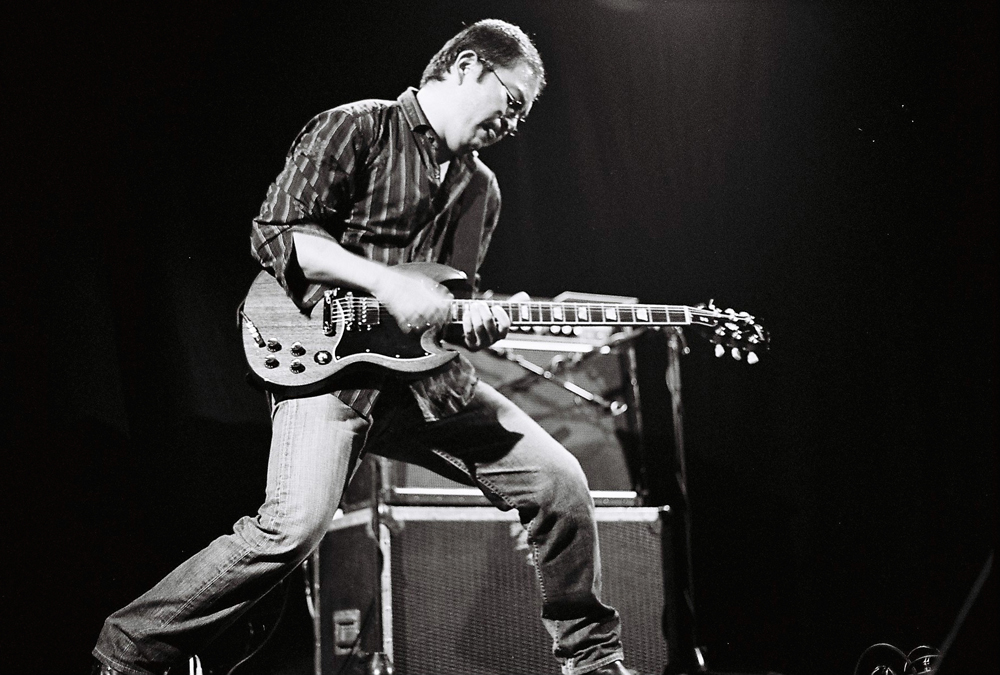
A fulcrum to the Japanese noise scene, JOJO Hiroshige has been responsible for much of the explosion of free music coming from Japan in the last 30 years.
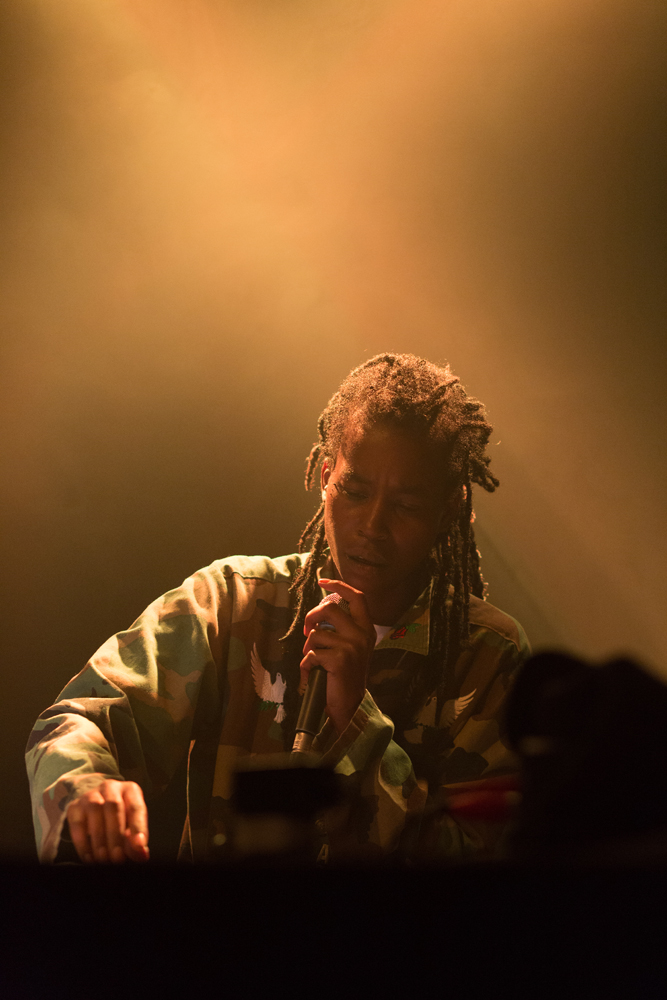
Moor Mother is a musician, Philadelphian housing activist and black quantum futurist.
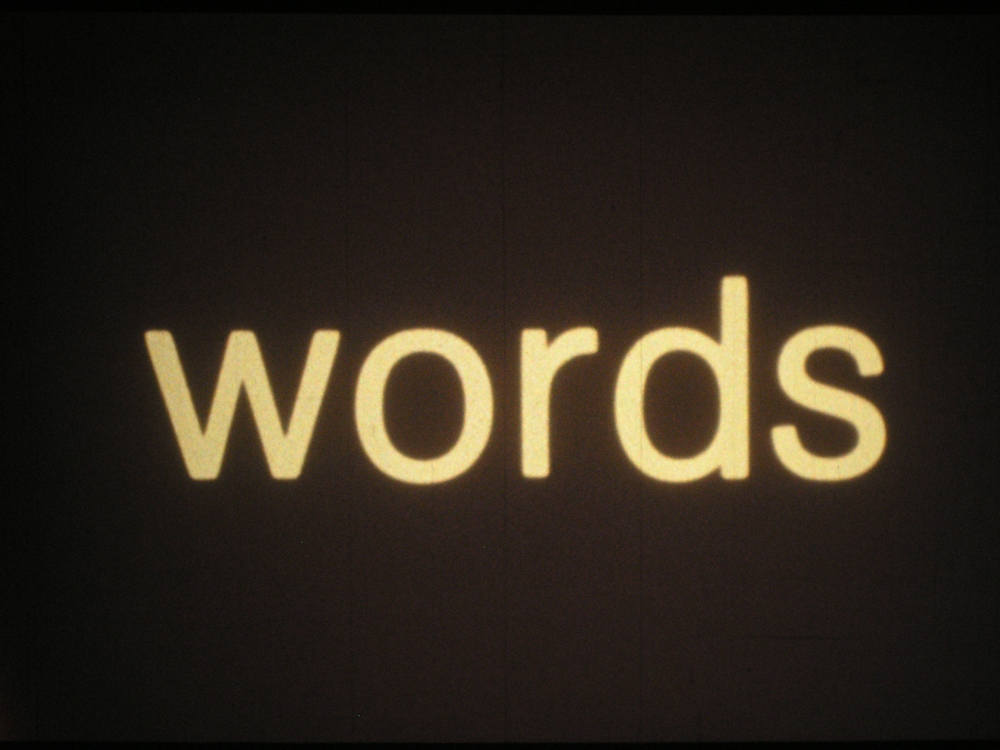
Investigate film as language, via the language of film reduced to the basic units of film and language. A film as text in which each frame is a single word.
Ubuntu Women Shelter, National Ugly Mugs and the Sex Workers Union warmly invite you to a generative conversation (and Q&A) about the needs and rights of migrant sex workers in Scotland.
A performative survey of listening, as we managed to find it being used as a tool in different practices, disciplines and communities in North America (music, poetry, film, philosophy, activism…).
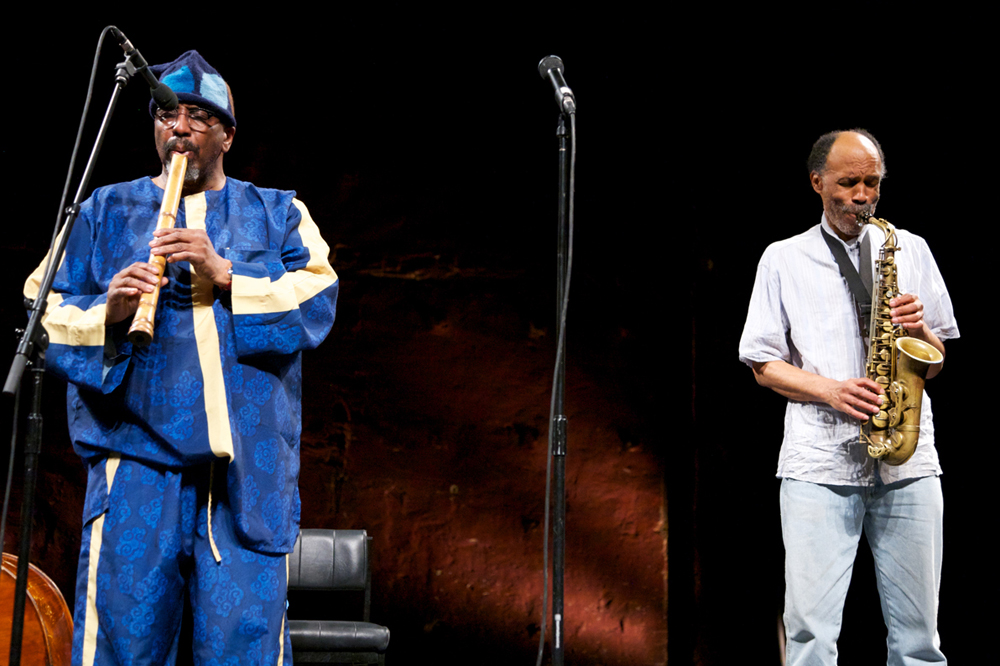
What might Carter and Parker’s collaboration tell us about our own performances of responsibility and liberty, whether individual, social or musical?