Killer of Sheep
Killer of Sheep is an undisputed masterpiece of African-American filmmaking and one of the most poetic, perceptive dramas ever made about family and community.
Arika have been creating events since 2001. The Archive is space to share the documentation of our work, over 600 events from the past 20 years. Browse the archive by event, artists and collections, explore using theme pairs, or use the index for a comprehensive overview.
Killer of Sheep is an undisputed masterpiece of African-American filmmaking and one of the most poetic, perceptive dramas ever made about family and community.
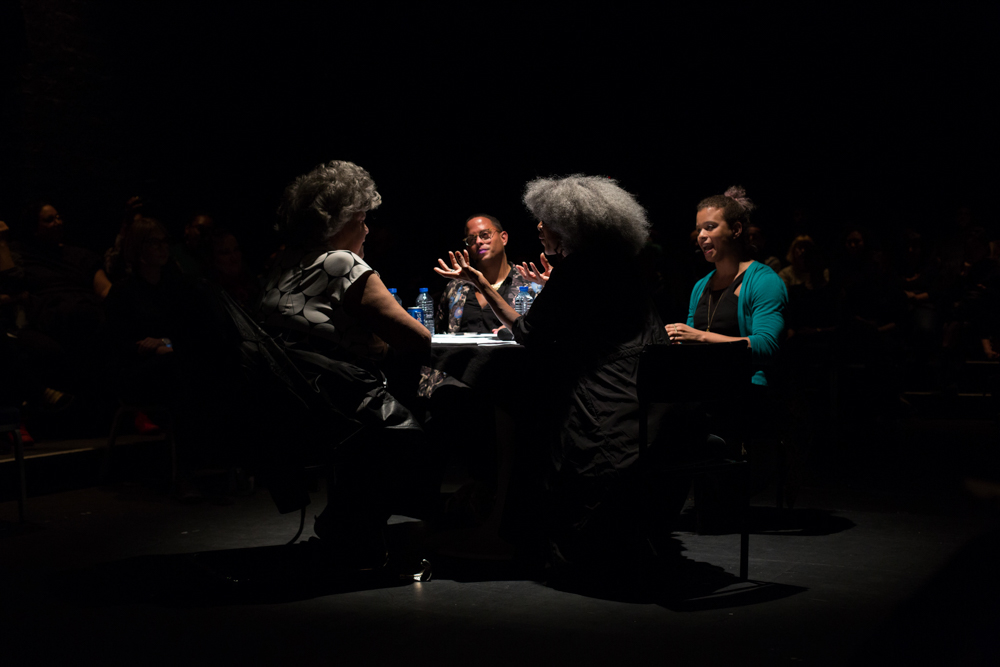
A discussion about what is at stake in the performance of realness and the practice of passing, and how they are both acts of survival and resistance.
A performative survey of listening, as we managed to find it being used as a tool in different practices, disciplines and communities in North America (music, poetry, film, philosophy, activism…).
Sarah Washington uses electronics and wind-up radios, running out of charge to repsond to the festivals’ Self Cancellation provocation.
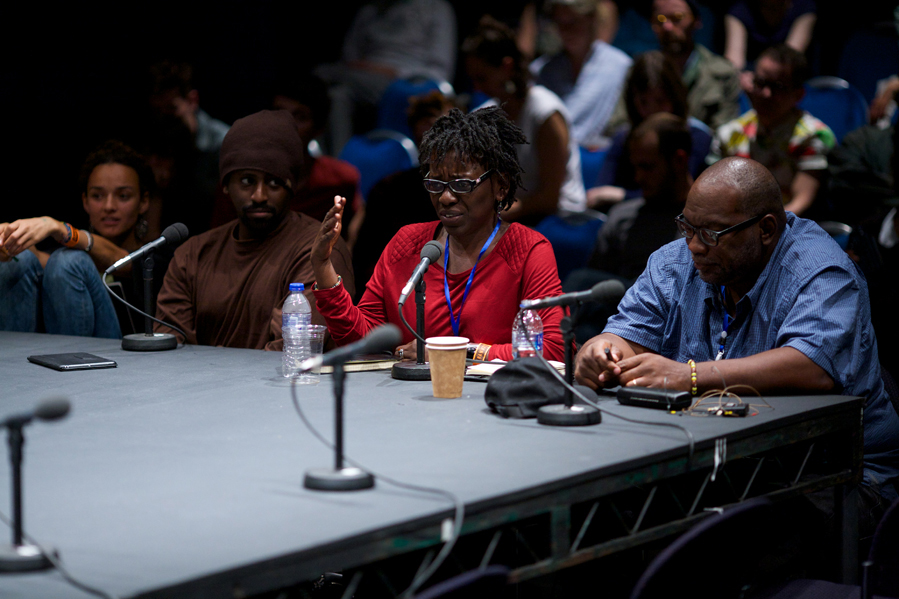
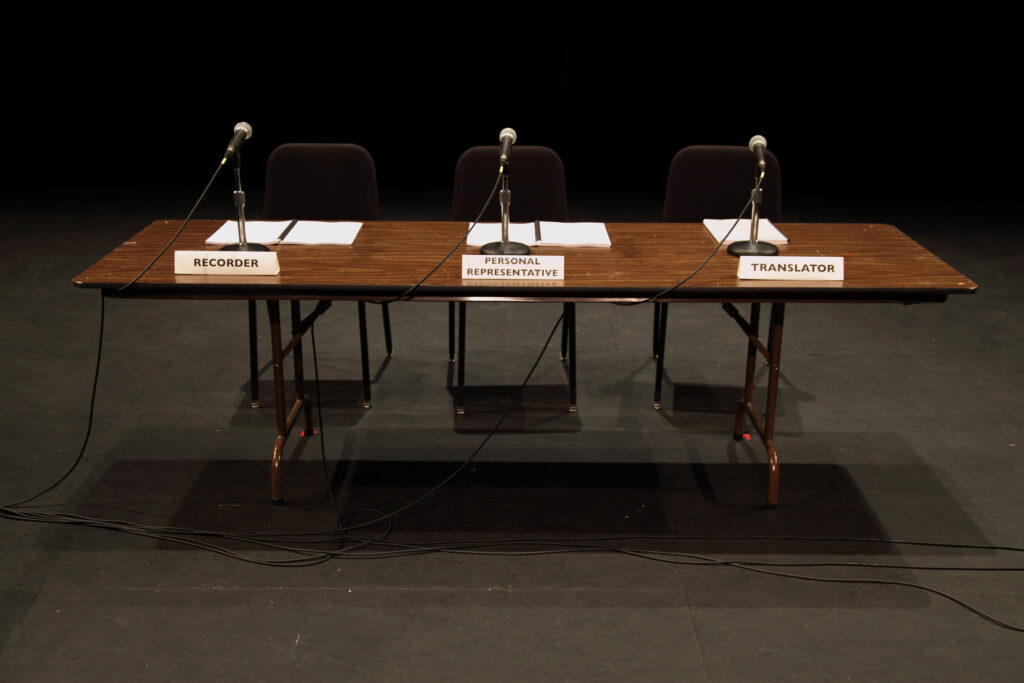
Somewhere between performance, stripped down theatre and an intense kind of public learning or maybe even a public hearing.
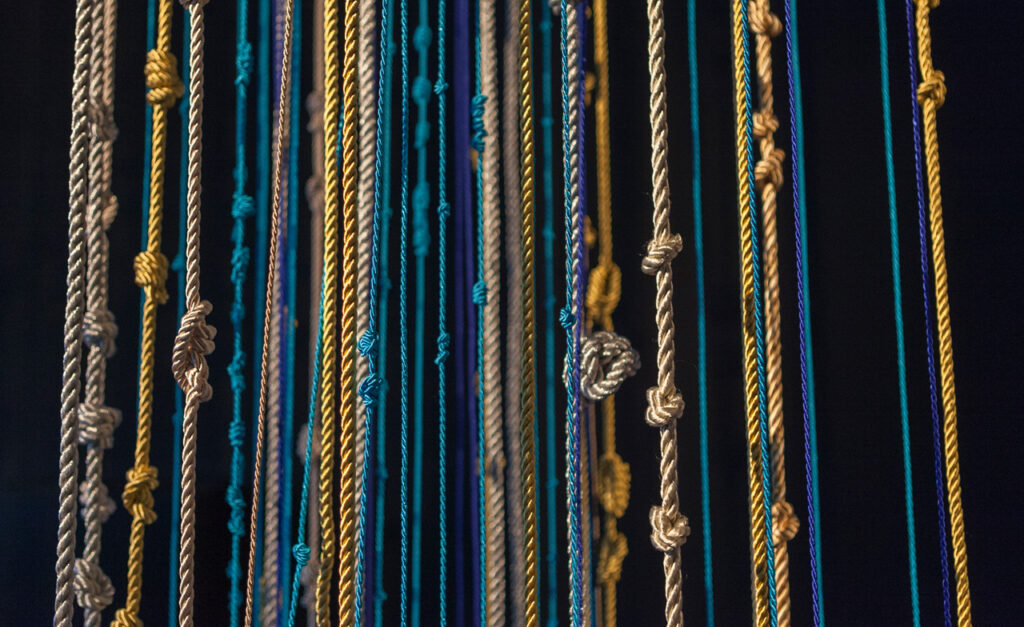
How do we sense entanglement? Can the knotting of ropes according to a poem’s rhythm make the social pulse of language matter?
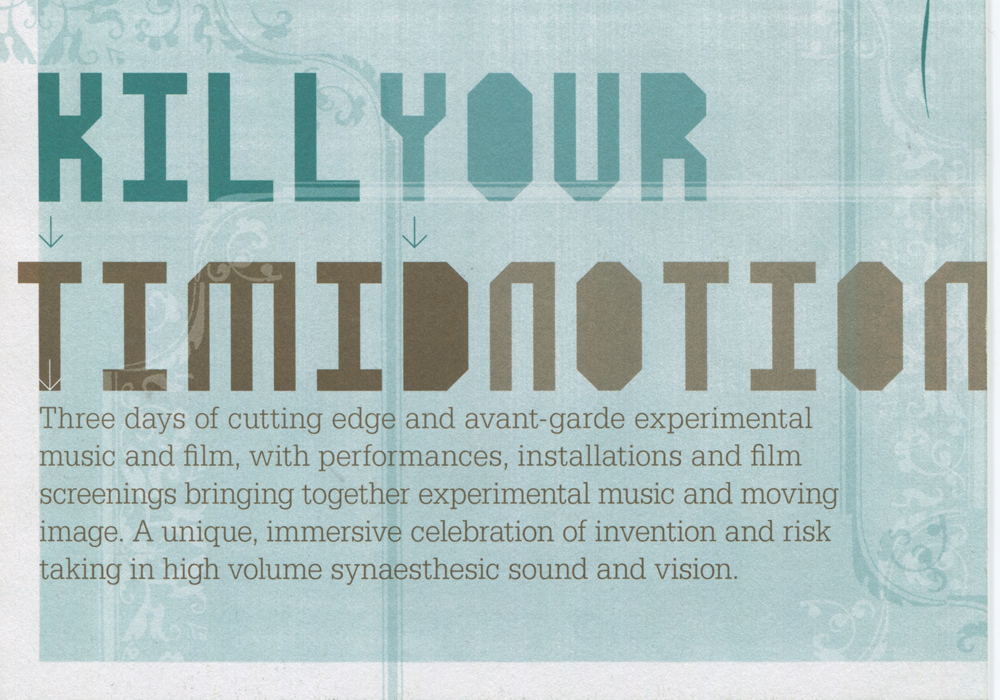
Taking over the gallery spaces at Dundee Contemporary Arts, the first Kill Your Timid Notion presented a 3 day programme of live immersive experiences and specially curated film programmes.
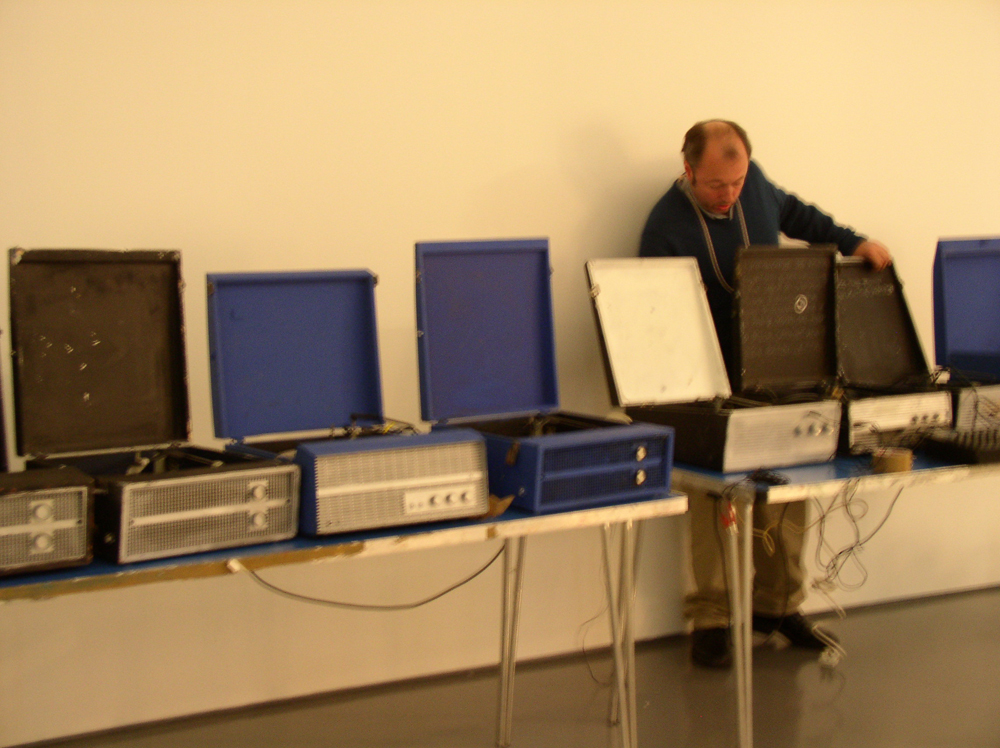
Equal parts spectacle, installation and performance, his set for us is a specially developed work, ‘turning’, which features an orchestra of multiple turntables, 4 projections and a collection of old, and, quite probably, misfiring analogue kit.
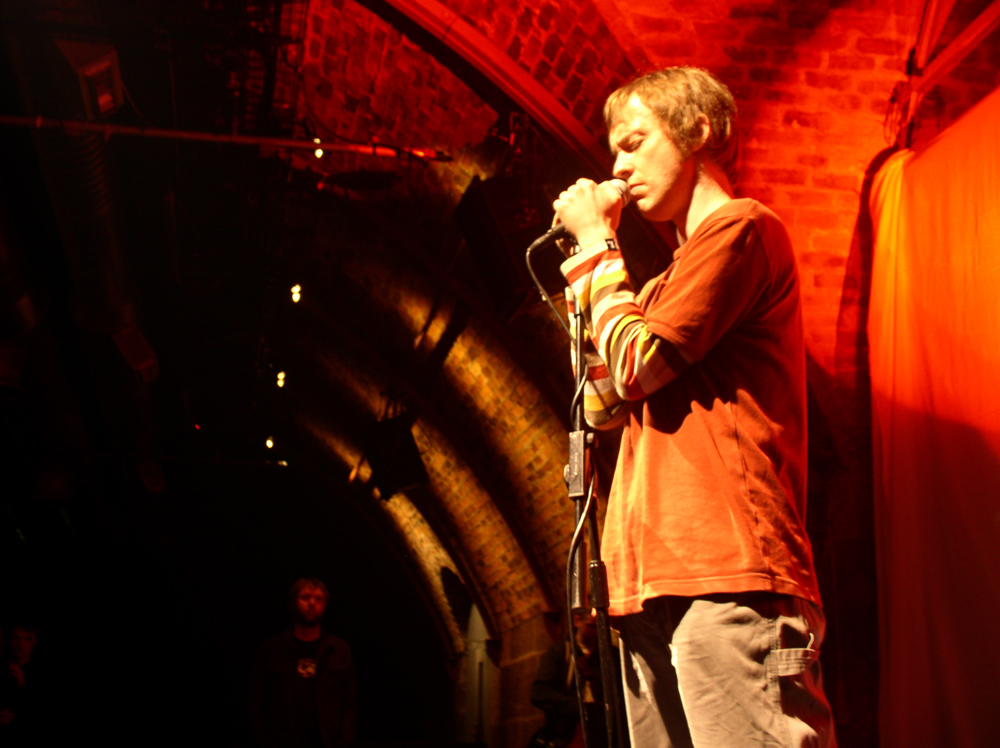
One of the most incessantly experimental musicians in the UK, Youngs’ aesthetic is entirely unique, never really part of any scene [whilst influencing many], steadfastly unafraid and honest
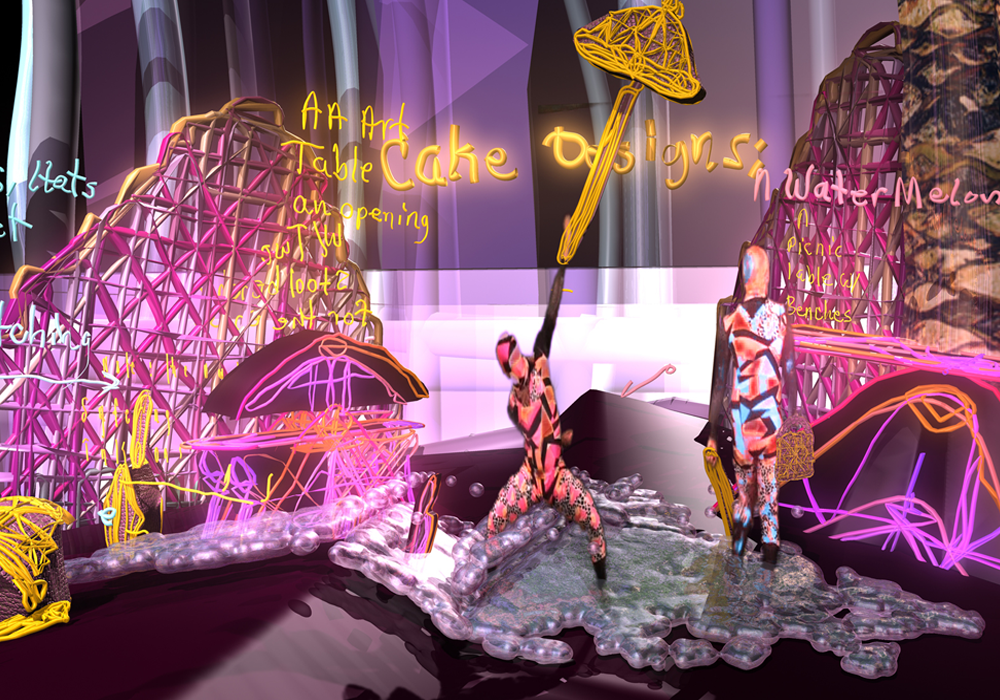
Emotional fantasies, towers of cakes, identity troubles, collapsed distance and time and Samuel R. Delany’s rarely seen 1971 film The Orchid.
How do communities practice being one another’s means, addressing their material problems facing them replicating the state’s violent logic of who is disposable.
Bruno’s liberated improvisational approach stretches beyond the lyrical, tough as nails rhythmic bursts and expressive, swinging attack of his drumming.