Mutual Instruments
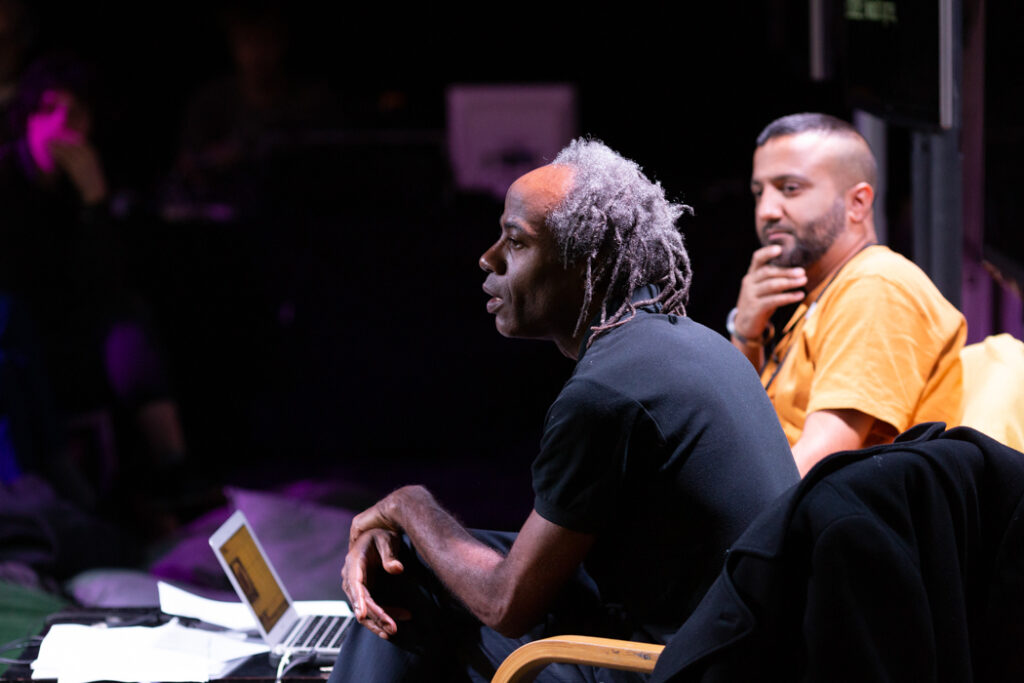
Fred Moten Miss Prissy
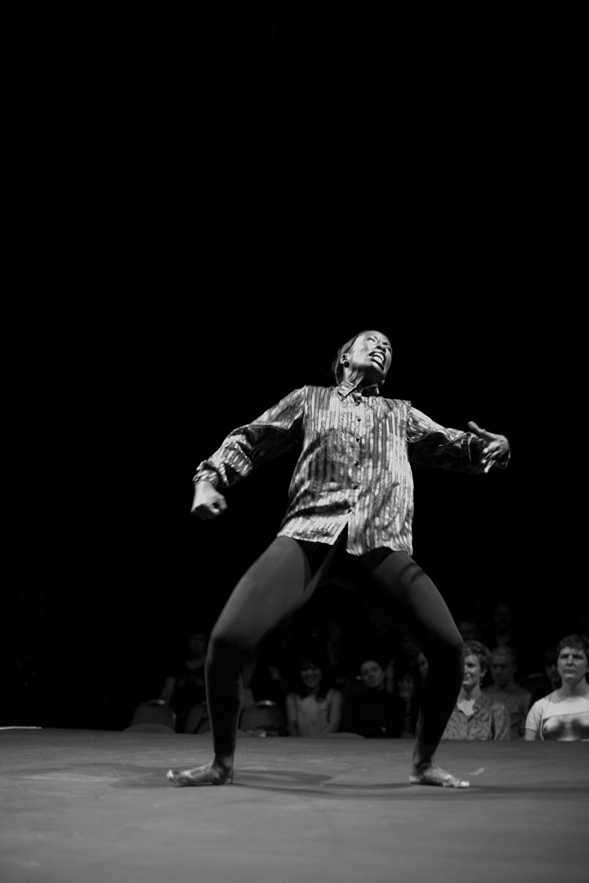
Can our favourite Vegas-born poet of prophetic blackness and a South Central transmuter of social rage into beauty feel through each other?
Arika have been creating events since 2001. The Archive is space to share the documentation of our work, over 600 events from the past 20 years. Browse the archive by event, artists and collections, explore using theme pairs, or use the index for a comprehensive overview.
Can our favourite Vegas-born poet of prophetic blackness and a South Central transmuter of social rage into beauty feel through each other?
Dub is strange. A conversation with Edward George and Dhanveer Brar.
Ray and Thomas talking about how cognitive neuroscience is unlocking the physical basis of personal experience.
A recreation of one of Gustav Metzger’s celebrated auto destructive performances.
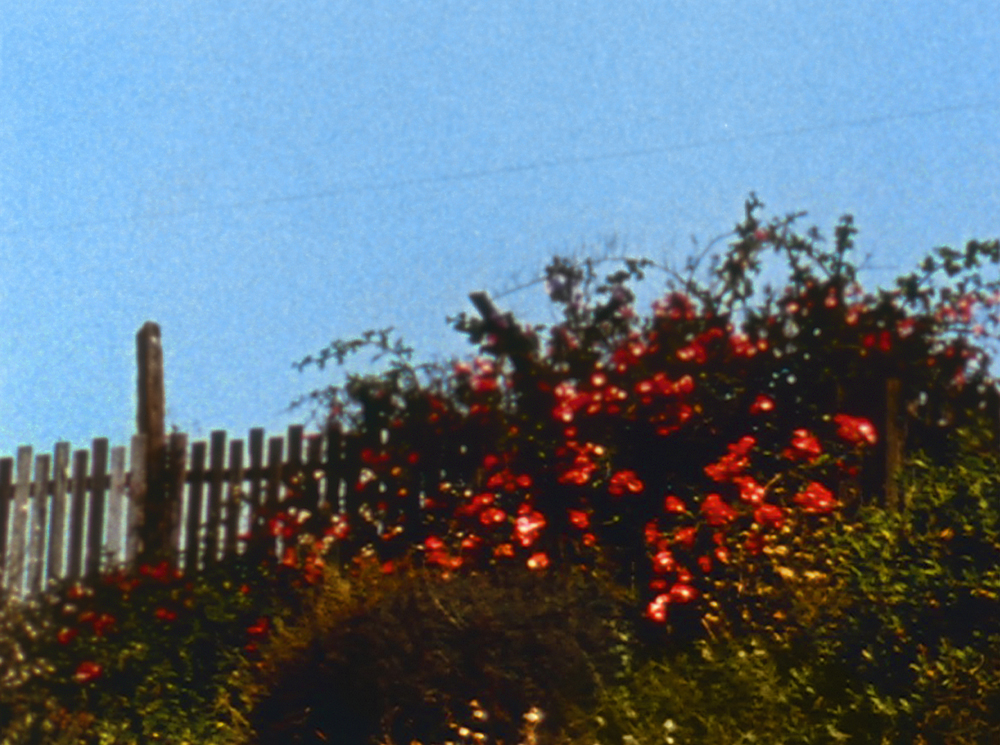
A glance at both analogue and digital processes; the clarity and precision of digital colour or the yawning, endless depth of dye and emulsion, our programme celebrates how both approaches revel in colour, saturation, hue and tone.
A full-blooded, emotional attempt to reinvigorate improvisation from a musically inclined philosopher and two philosophically inclined improvisers.
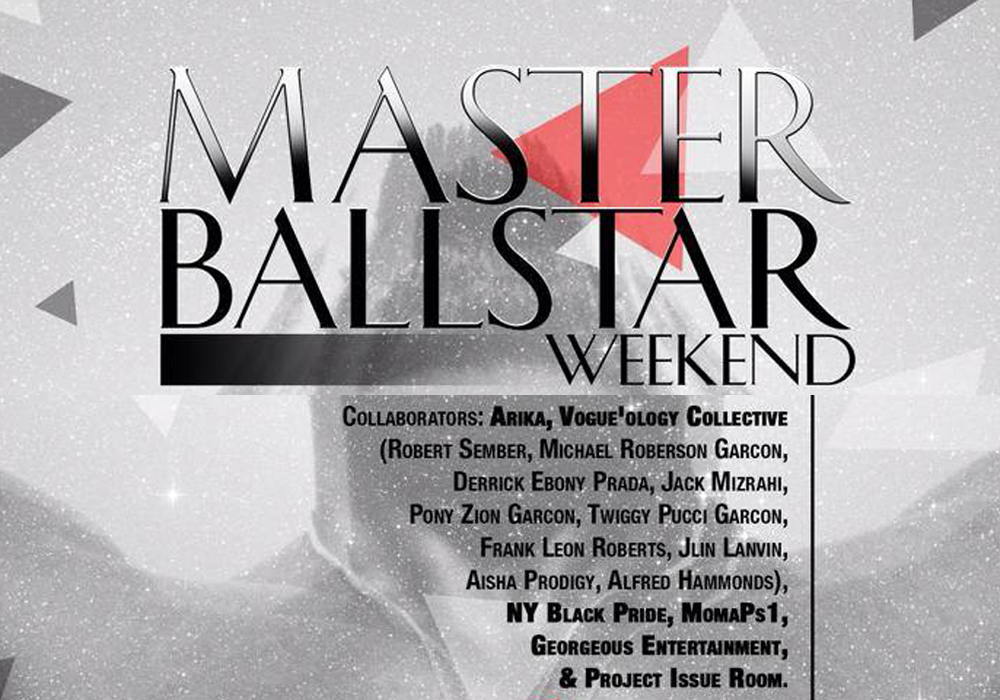
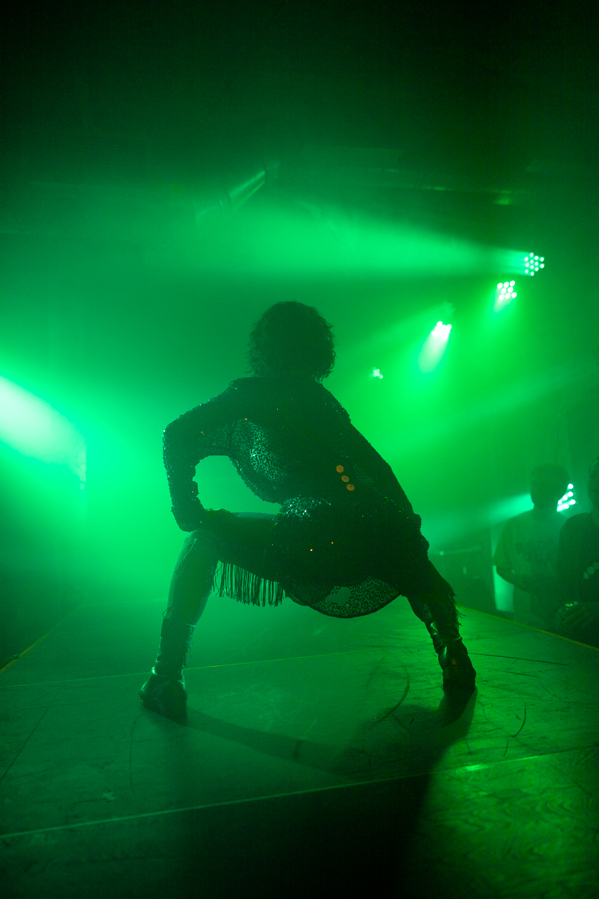
A series of events organised by the Vogue’ology collective from the House Ballroom community in New York grounded in the scenes history of autonomous, self-organised struggle and a shared investment in collective art practices and how those intersect with the multiple and often divergent struggles for freedom.
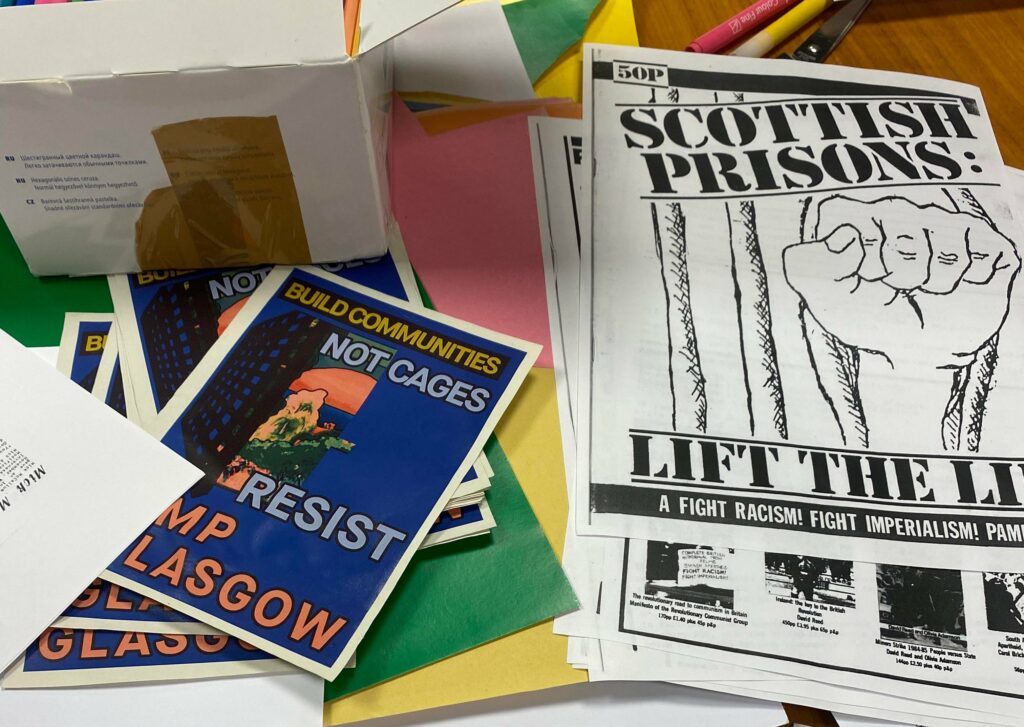
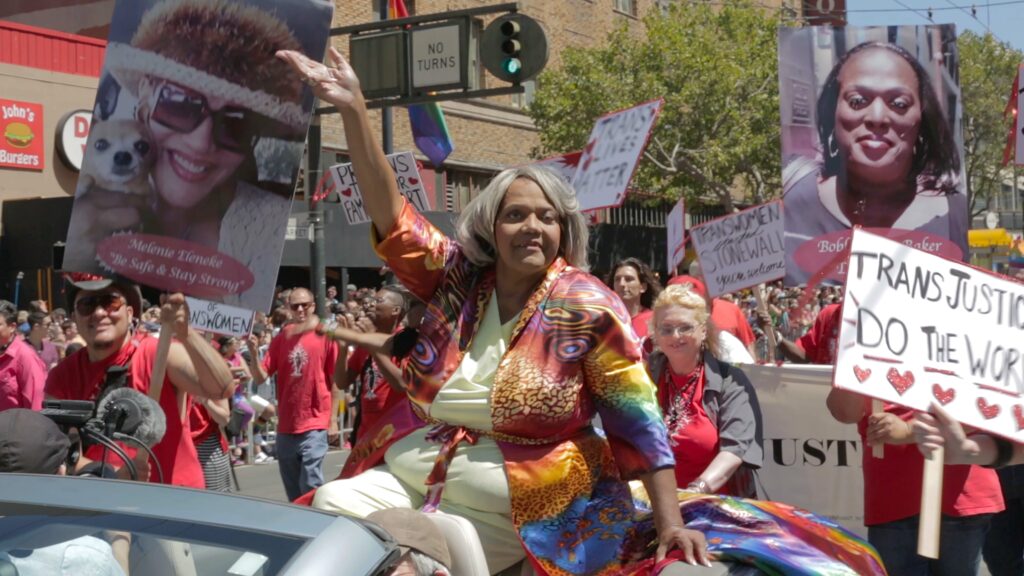
How do people both inside and outside of prison work together to dismantle the criminal justice system and build a society based on collective care?
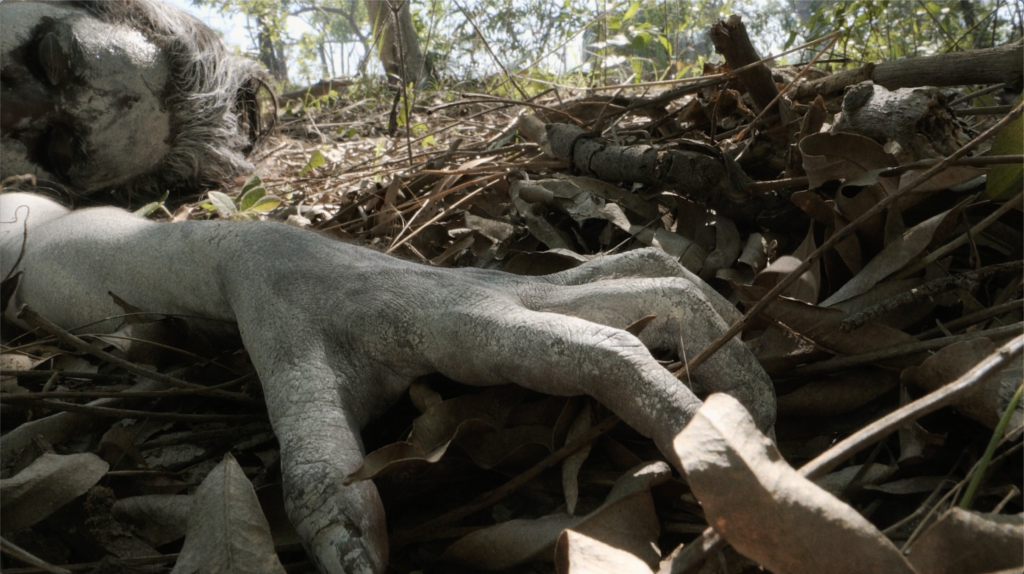
Watching films and chatting with Karrabing members about those films: as they attend to the memory and practice of the ancestral present and the ancestral catastrophe that Karrabing and their more-than-human world find themselves facing.
Each of these films addresses place, landscape or location and the personal reaction to their magical or concrete properties. Watch out for Kren’s structural, throbbing investigation of a forest and Baillie’s intimate and humble essay on a blind guitarist and the relationship between songs of Mexican revolutionaries and the people and places they looked to inspire.
How do communities formed under the duress of violent othering and the joy of solidarity – such as ballroom culture, Black diasporas, Zapatistas – reform bonds of kinship?
Is it possible to dance our way out of the hardened stances and identity prisons we are locked in?