Temporary Outpost for an Auditory Gesture
Brandon LaBelle
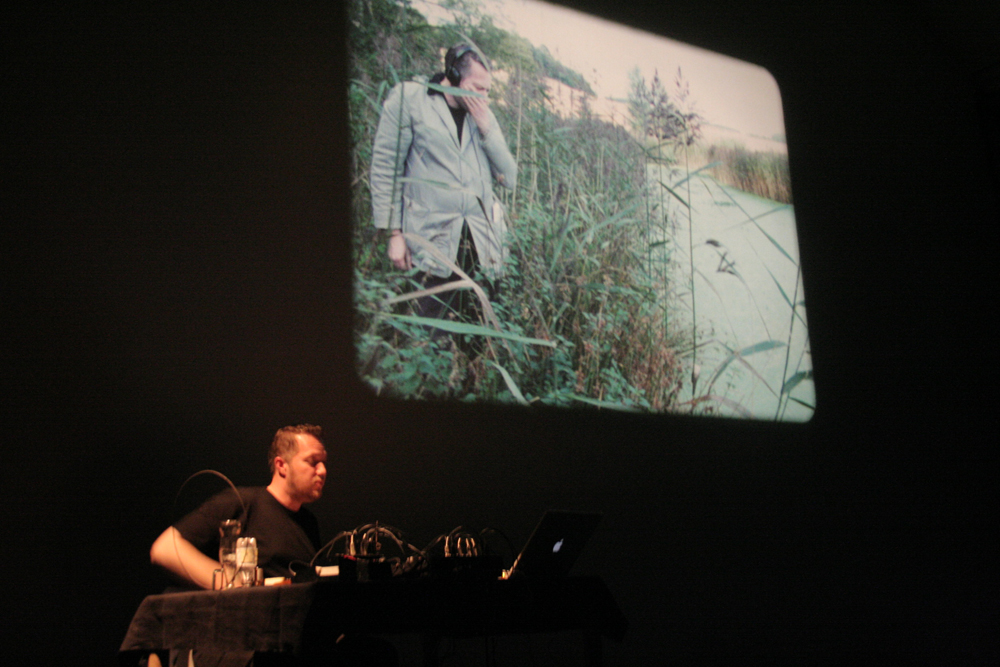
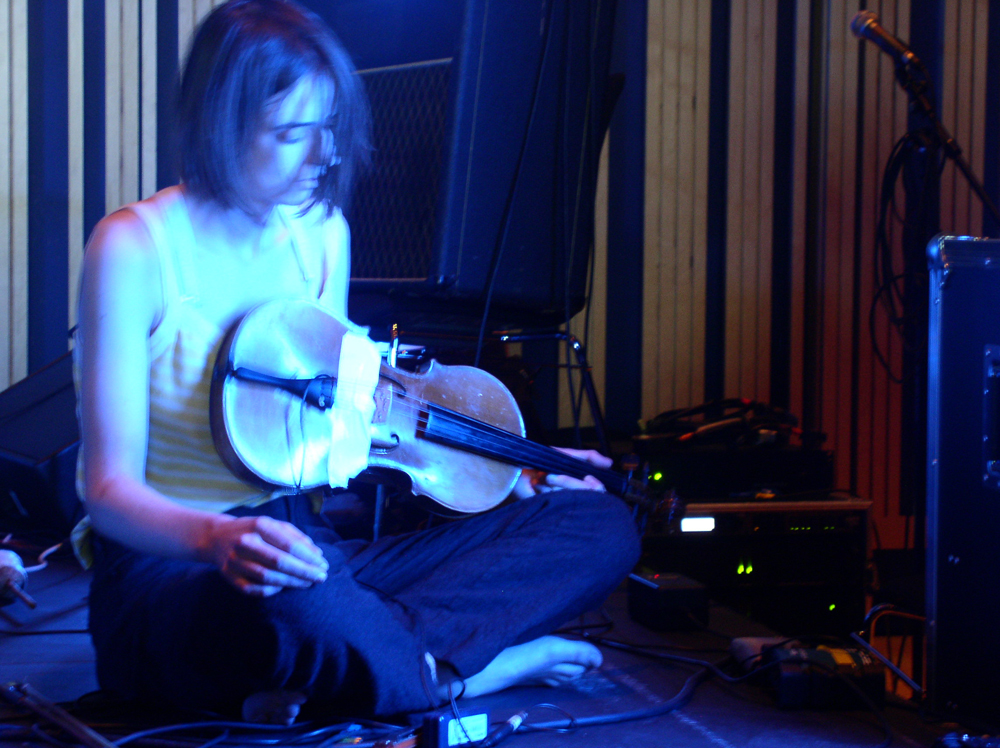
Temporary Outpost for an Auditory Gesture is a kind of performed installation that explores how sonic phenomena (like feedback, vibration, resonance, echo, rhythm) condition our experience.
Arika have been creating events since 2001. The Archive is space to share the documentation of our work, over 600 events from the past 20 years. Browse the archive by event, artists and collections, explore using theme pairs, or use the index for a comprehensive overview.
Temporary Outpost for an Auditory Gesture is a kind of performed installation that explores how sonic phenomena (like feedback, vibration, resonance, echo, rhythm) condition our experience.
To Rococo Rot member Robert Lippok performing for the first time in the UK with his solo project.
In this response to the Self Cancellation project, Lee Patterson dissolves medicine in glasses of water and explores the sonic content.
A Performance exploring the nature of acousmatic listening; sound removed from visual context and understood for it’s own properties.
Two bottomless brunch writing workshops—with readings—speculating the relationship between space, infrastructure, technologies and sex.
As part of Karrabing’s visit to Scotland, the collective will be hosted for three days in the Isle of Skye by The School of Plural Futures.
Three intense solo performances for drums (both played and screamed through), cymbal, voice, credit card, bird whistle, and guitar amplifier/leads.
A recently reanimated Ascension, with mighty Leeds drum hero Paul Hession bringing a dense polyrhythmic torrent into play with Jaworzyn’s reinvigorated piercing guitar.
Ecstatic, intensely joyous experimental club music: like “the sound of our water ceremonies…40 bands playing their melodies at once to recreate the cacophony of the first aurora and the call of the morning star Venus”.
Austrian guitarist who specialises in a warm digital deconstruction of guitar noise
In this interactive workshop, Dean Spade, author of Mutual Aid, will share key principles, explore common challenges in mutual aid work, and offer tools for working through them.
Hartmut led “a workshop in the old-fashioned way of discussion, mutual exploration of ideas and samples; trying out what can be shared and where the fault lines show.”