Community Discussion: LGBTQI People & Sex Worker’s Rights
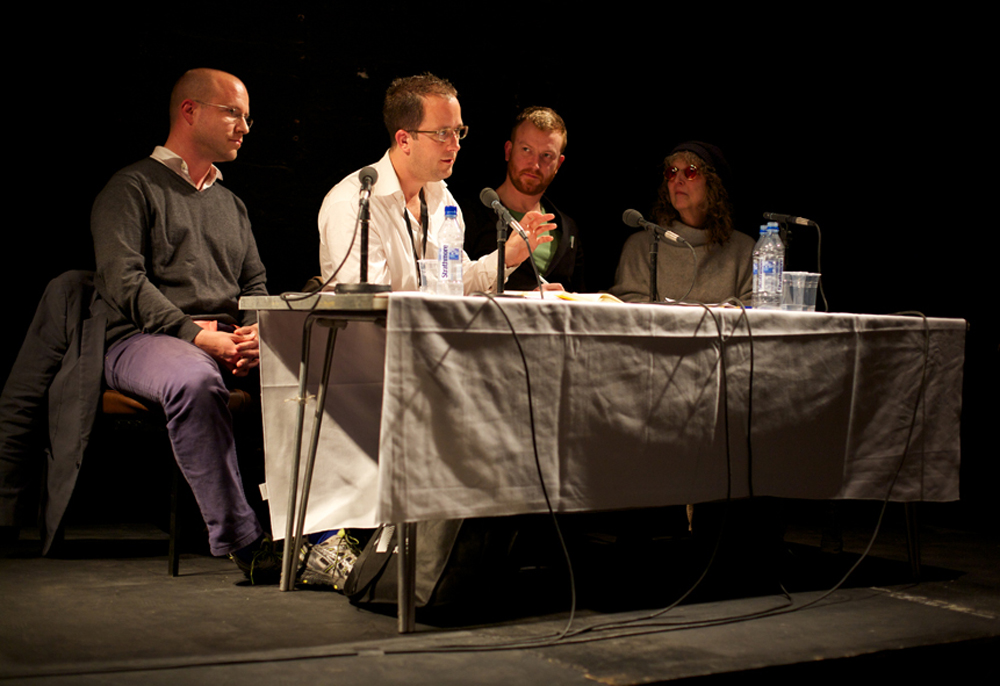
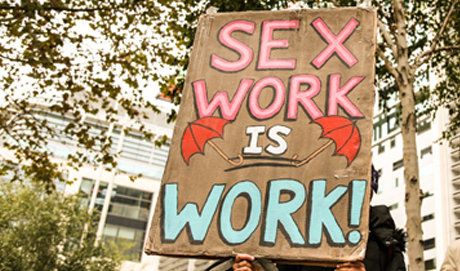
Join Umbrella Lane and special guest migrant trans sex workers in a community discussion about the points of intersection in LGBT people’s rights and sex worker’s rights.
Arika have been creating events since 2001. The Archive is space to share the documentation of our work, over 600 events from the past 20 years. Browse the archive by event, artists and collections, explore using theme pairs, or use the index for a comprehensive overview.
Join Umbrella Lane and special guest migrant trans sex workers in a community discussion about the points of intersection in LGBT people’s rights and sex worker’s rights.
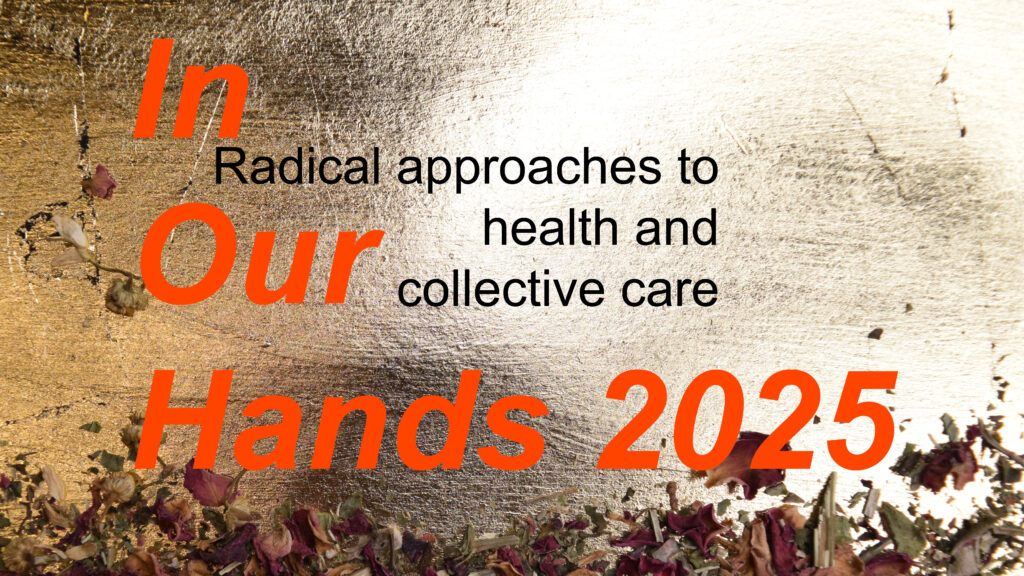
In Our Hands is a nine week programme of workshops exploring radical approaches to health and collective care in the movement for liberation and social justice.
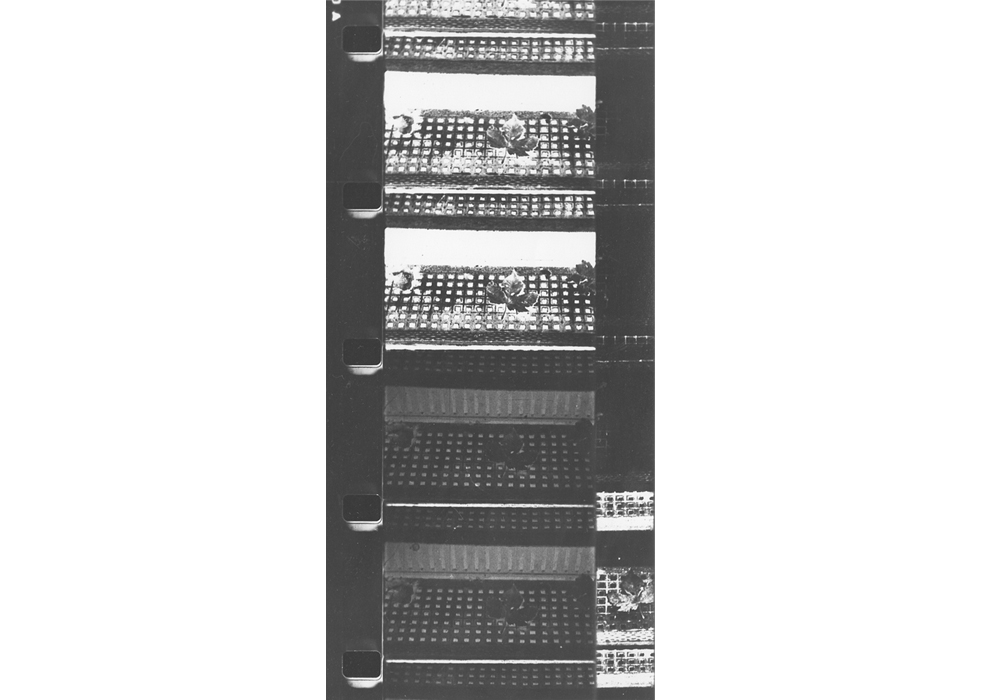
A programme looking at landscape, filmic or architectural spaces and at how the fixed stare of a camera frame only captures so much reality; here we focus on how filmmakers structure our relationship with that reality and at how they relate it to or interpret it through sound.
A sort of prayer and conference, a sort of scream and dialogue – a monologue and declaration at the time, addressing how we can build complicity with one another.
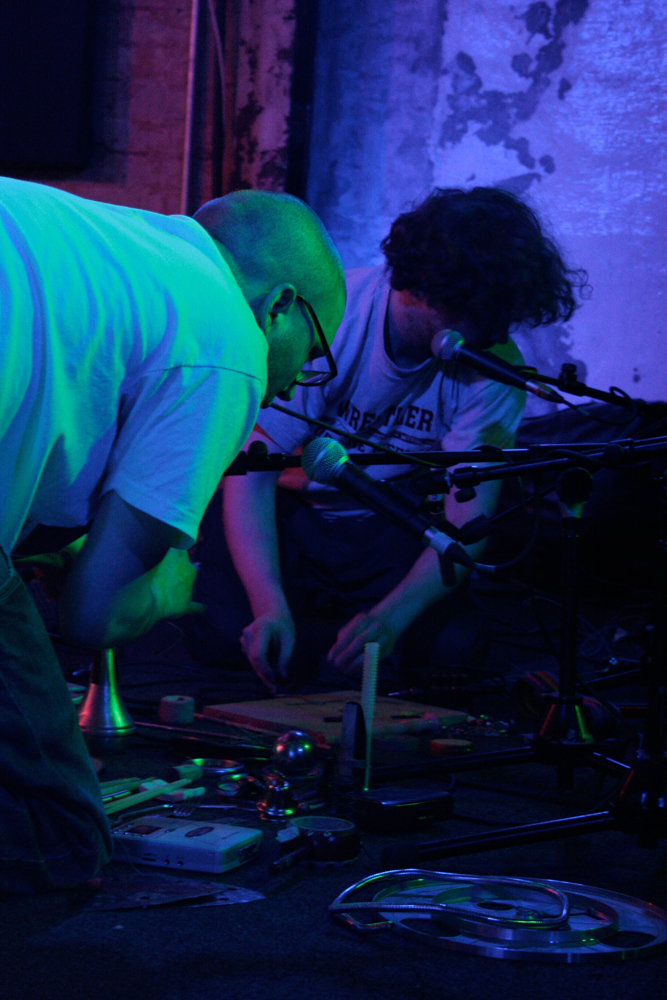
This set continues on from the Bud Neill inspired clatter using the contents of the Usurper twin’s pockets.
Transfeminist and revolutionary poetry, voice and timbral abstraction: a sounding and spatialising of reparative sonic and somatic practices that can speak back to violent histories of expropriation and ecocide.
Electronic music, time, thought, the word, and consecutive matters
A sound of buzzing and flickering metallic drones, glottal stops and guttural growls, and also an explosiveness and purity of sound that reminds you as much of Bill Dixon as anyone else.
During Episode 9 we made this clip with Storyboard P at Kinning Park Complex. Video by Ash Reid.
If life is assaulted by power, where do we find spaces for living? A conversation with Peter Pál Pelbart.
A historical narrative of the black and latino/a transgender, bisexual, lesbian, and gay House and Ballroom Scene in relation to its artistic practices.
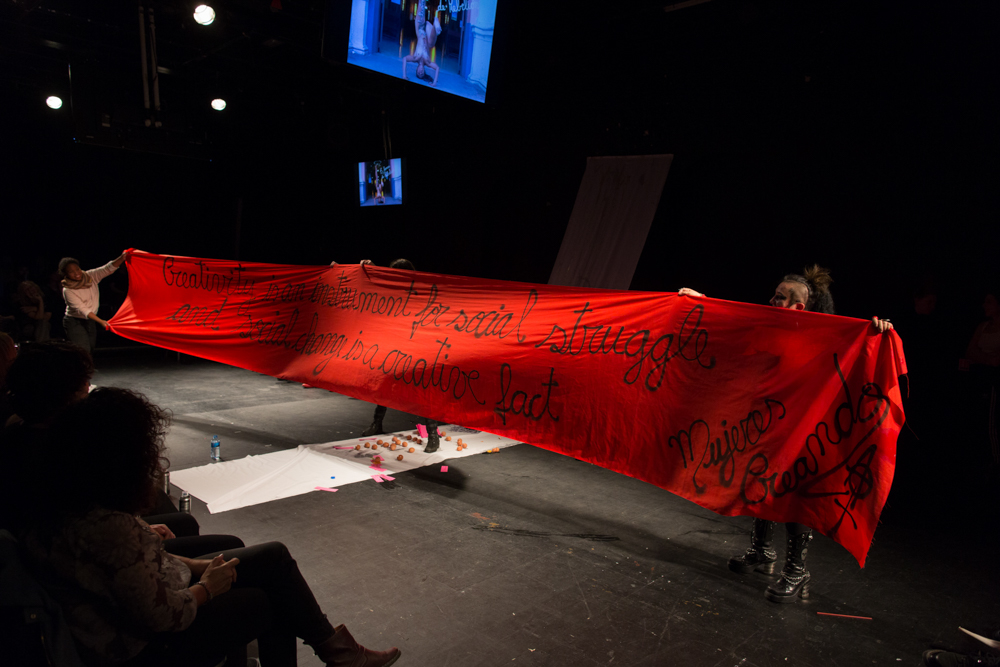
When one calls a strike, who hears the call, who attunes and listens to it? How to listen to the call of a strike? What prevents one from hearing this call or stops one from listening to it?