Film Fest: Stories from sex workers’ rights movement around the world
Luca Stevenson Rori
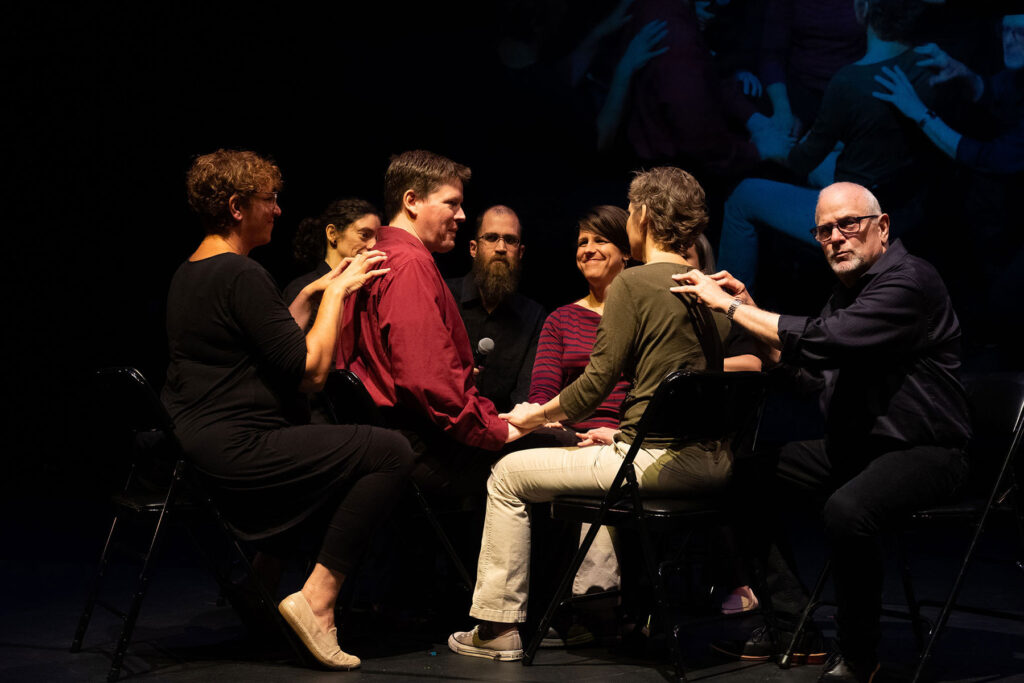
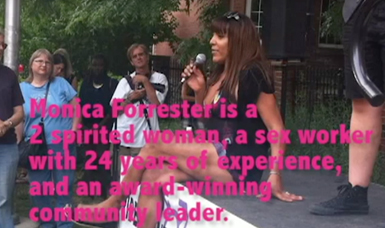
Three documentary films exploring diverse realities of sex workers around the world followed by a closing ceremony of the festival.
Arika have been creating events since 2001. The Archive is space to share the documentation of our work, over 600 events from the past 20 years. Browse the archive by event, artists and collections, explore using theme pairs, or use the index for a comprehensive overview.
Three documentary films exploring diverse realities of sex workers around the world followed by a closing ceremony of the festival.
Each organ is unique. The project is to find out what makes it unique.
Politicised fan-fiction chronicling working class gay urban space and fantasy.
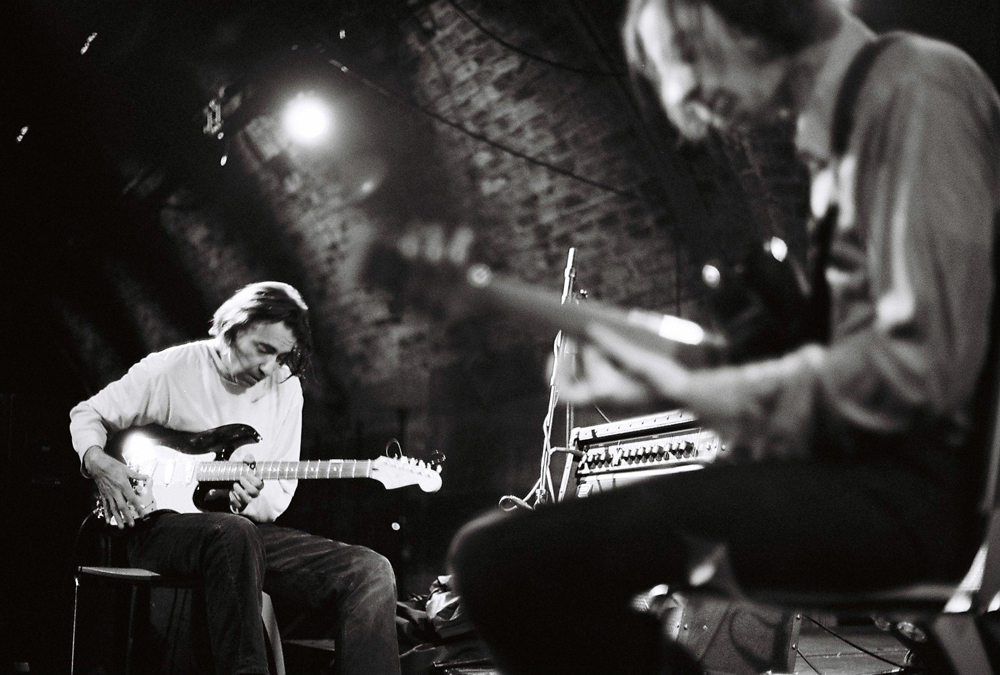
An utterly deep introspection told in aching, weeping guitar lines; melodic, simple, always minimal but somehow entirely epic.
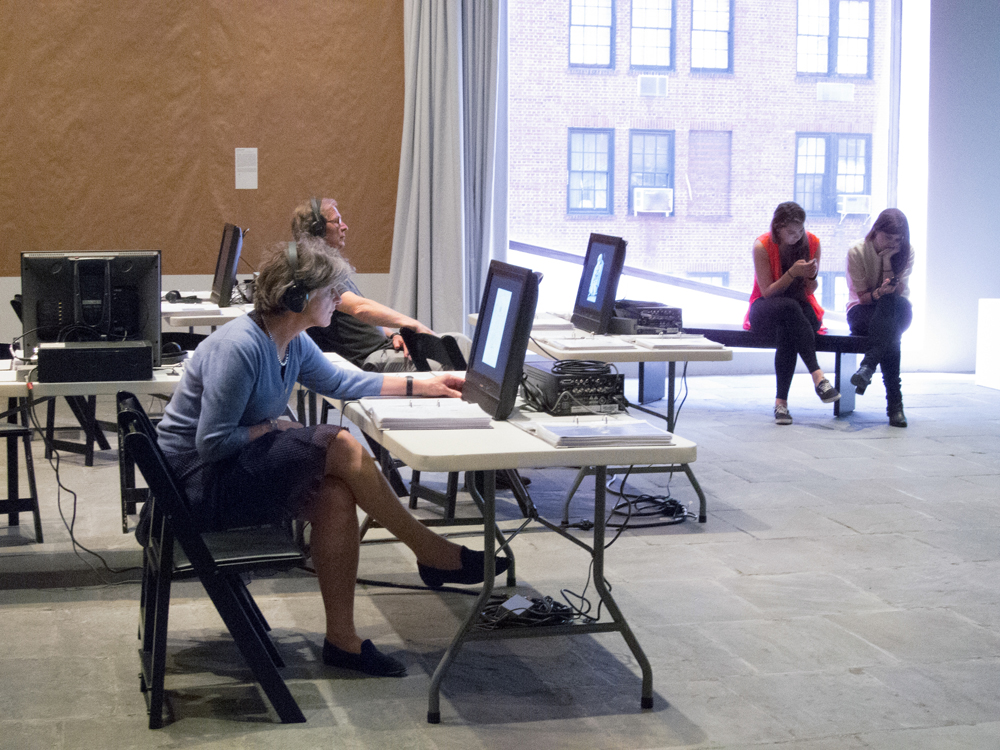
A temporary archive and research space tracing the ways in which sound and audition move through everyday life.
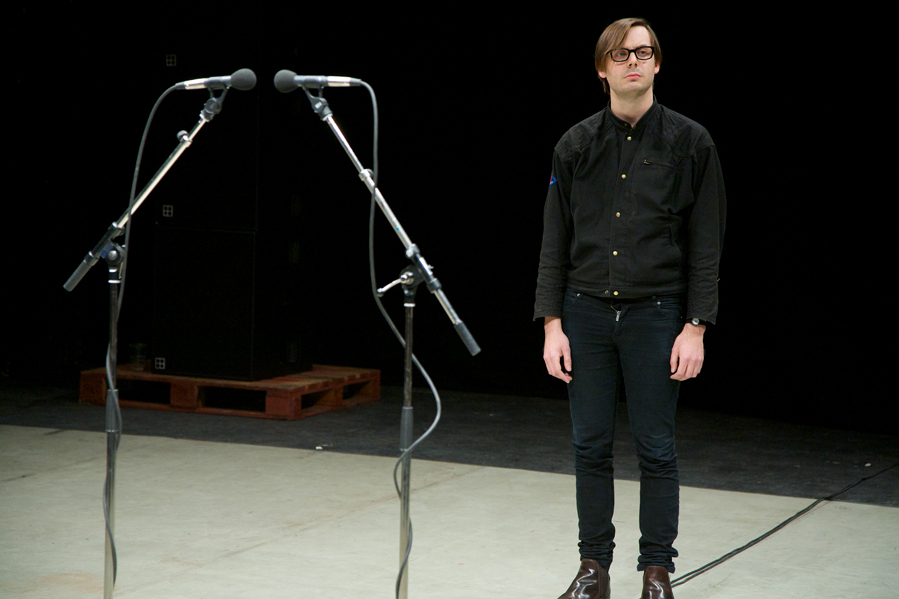
A solo improvisation using just the situation of the concert: a space, a PA, Mattin’s own thoughts, you, the audience.
An invitation into languages field of touch; to speak in feeling together.
For this day-long festival, sex workers and their allies from New York, the tri-state area, and Europe will gather at MoMA PS1 to debate, perform, dance, strategize & share knowledge.
A chat with Rashad about the communist, conceptual methodology that informs his ground-breaking synthetic music—a form of speculative sonic fiction writing to produce hyperreal non-representational auditive experiences.
The program of composed music including Feldman’s Instruments III, Ligeti’s piece for 100 Metronomes Poeme Sympathetique, and Rebonds B by Iannis Xenakis.
Ken presents his Nervous Magic Lantern, wherein film itself is forsaken for an investigation of hypnotic and trancelike crystaline forms. Eric La Casa works with recordings of everyday occurrences: the background hum of place.
If life is assaulted by power, where do we find spaces for living? A conversation with Peter Pál Pelbart.