Icon’s Lunch
Various Artists
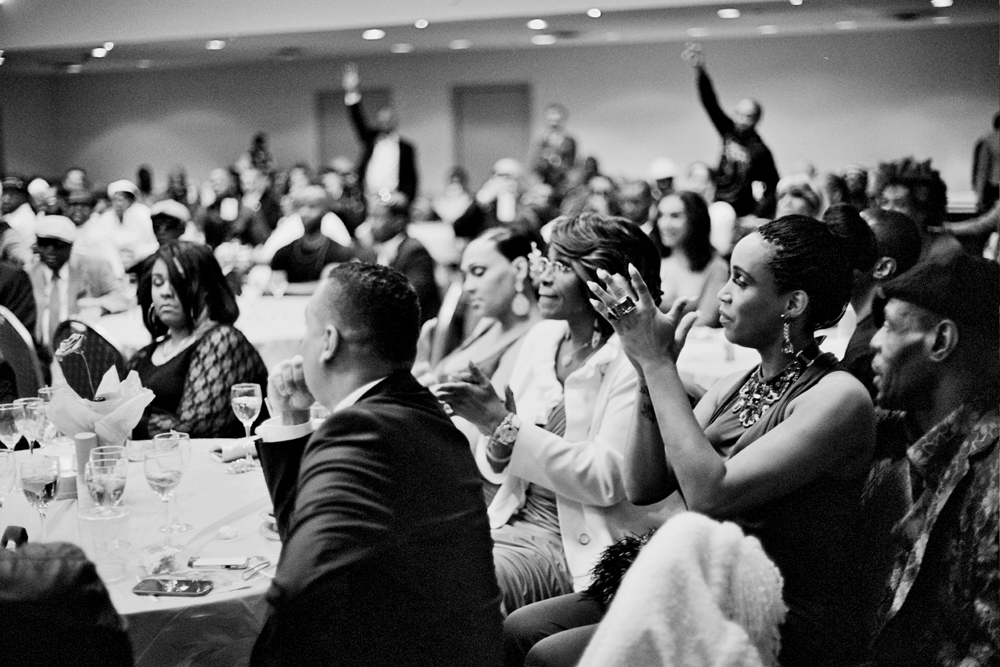
This event honoured those individuals who achieved the status of Icon during the period of 1986-1990.
Arika have been creating events since 2001. The Archive is space to share the documentation of our work, over 600 events from the past 20 years. Browse the archive by event, artists and collections, explore using theme pairs, or use the index for a comprehensive overview.
This event honoured those individuals who achieved the status of Icon during the period of 1986-1990.
Low-end drone guitarage army since 1997: nobody has done more on this occasion by a gaggle of sludge-lovers from the Scottish underground.
Felix Hess is a unique crosser of the boundaries between science and art. He wrote his doctorial thesis on the aerodynamics of the boomerang
Ken Jacobs chats to Edwin Carels: Edwin is a curator based in Ghent, responsible for some fantastic programmes of experimental film and art at the Rotterdam Film festival (amongst others).
Taking our festivals south of the border to The Sage Gateshead we set out to offer a few cardinal pointers in the vast array of experimental music practices.
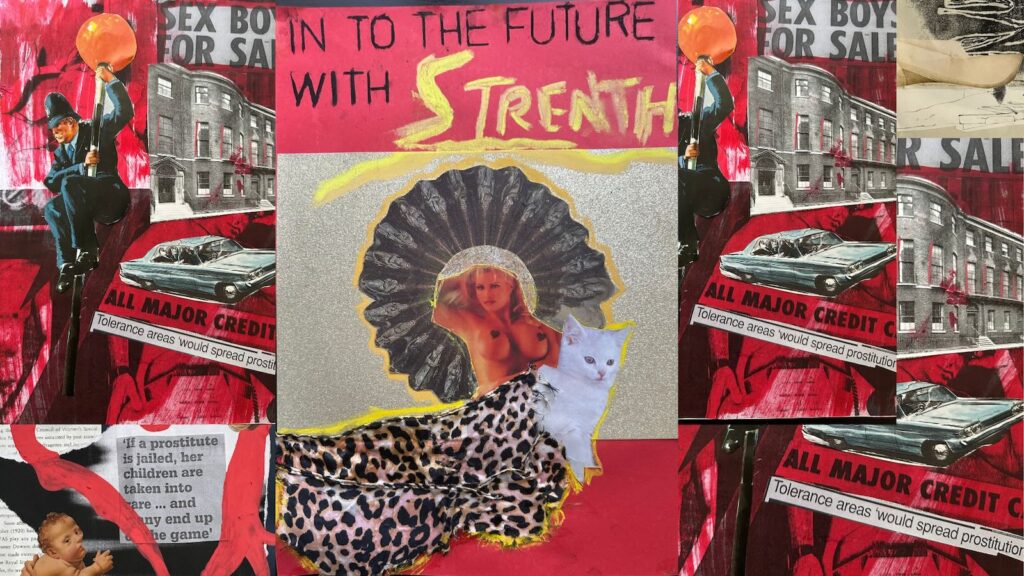
Join Sex Workers For Decrim for a sex worker only collective art workshop and be part of creating a massive visual timeline of sex worker resistance in Scotland.
Pitching Fahey inspired, eastern-infused folk vibrations, sad elliptical drones and oracle chants into one kaleidoscopic sound.
Philip Jeck creates slowly evolving symphonies that are as much about the crackling hiss of old vinyl as the actual ‘musical’ material.
60 cycle hums, jagged static cracklings, and clipped electron pinpricks, mutating them into sublime, post-techno grooves
Join activists, academics and artists as they reflect on abolitionist praxis and thought, exploring covergences with gender, poetry, technology, performance, speculation, aesthetics, film and culture. This series of events commemorates Black August and is for anyone who wishes to answer the abolitionist call to action and thought.
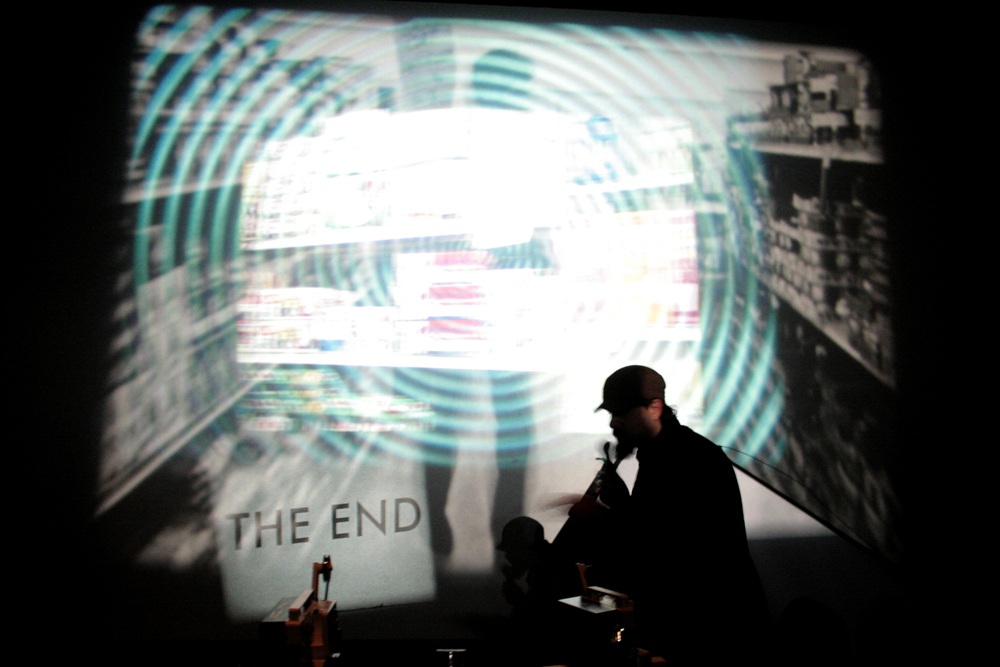
Quasi-theatrical multiple-projector pieces play with the relationship between performers, art and audiences.
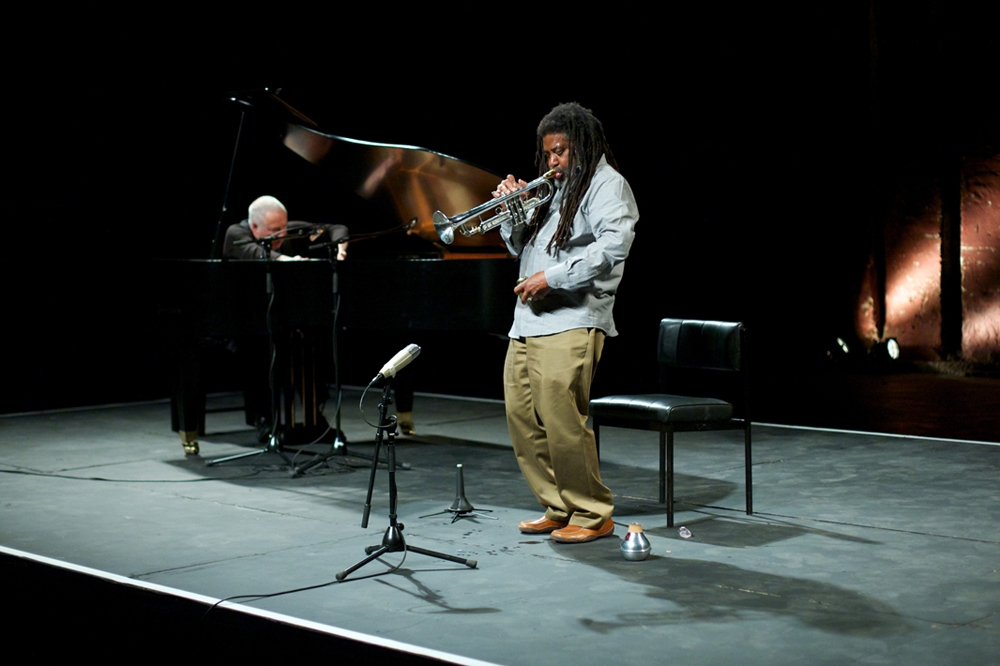
How might two of the great musicians working within contrasting traditions of freedom collaborate? What might this produce: musically, socially, allegorically?