Free-form hook up
Ben Knight Hannah Ellul Neil Davidson
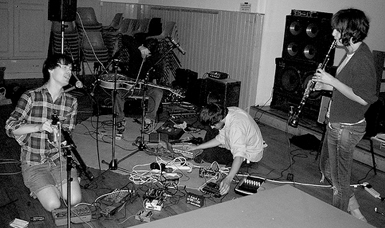
Two-parts Helhesten spit strangled shanties and cracked reeds from under a net of the Glasgow Improv Orchestra’s six-strings and one moustache.
Arika have been creating events since 2001. The Archive is space to share the documentation of our work, over 600 events from the past 20 years. Browse the archive by event, artists and collections, explore using theme pairs, or use the index for a comprehensive overview.
Two-parts Helhesten spit strangled shanties and cracked reeds from under a net of the Glasgow Improv Orchestra’s six-strings and one moustache.
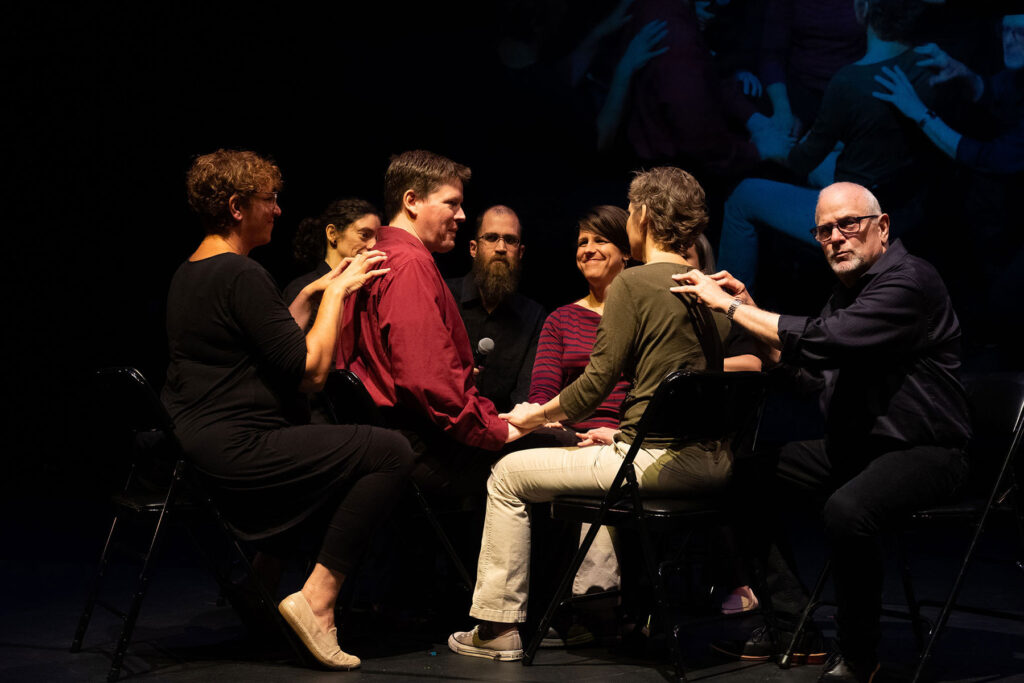
An invitation into languages field of touch; to speak in feeling together.
Reading their letters to each other, and chatting about prefigurative politics as the practice of relentlessly building worlds through unspeakable violence and loss; of building worlds and living in them anyway.
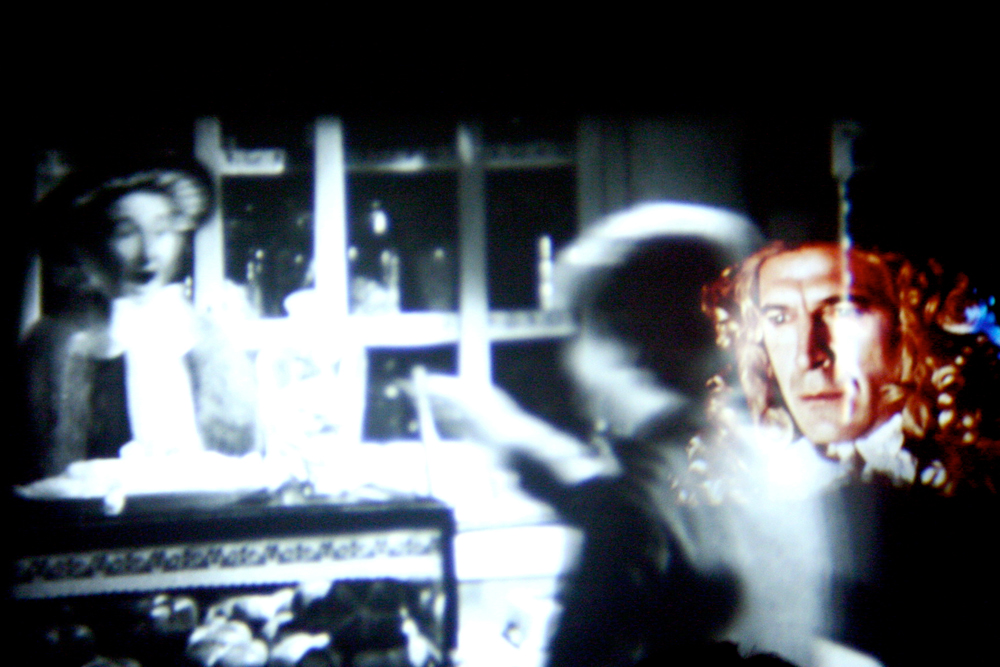
Imagery, drawn from what seems like hundreds of different films is overlaid and combined in a promissory rainbow of new meanings and impossible scenarios, with the unsettling feel of daylight shadows.
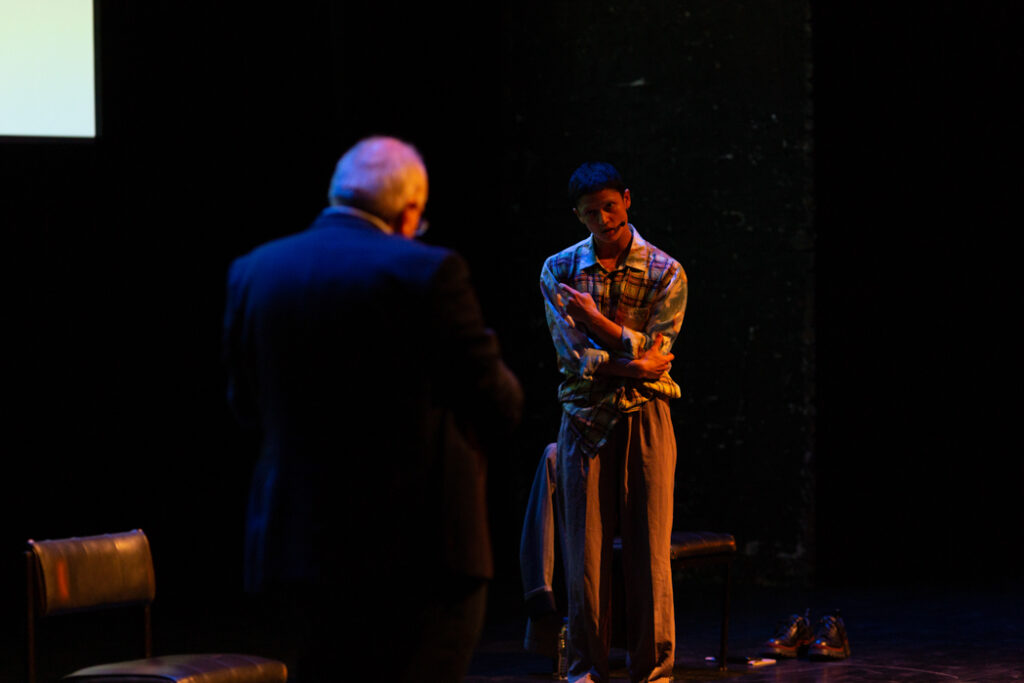
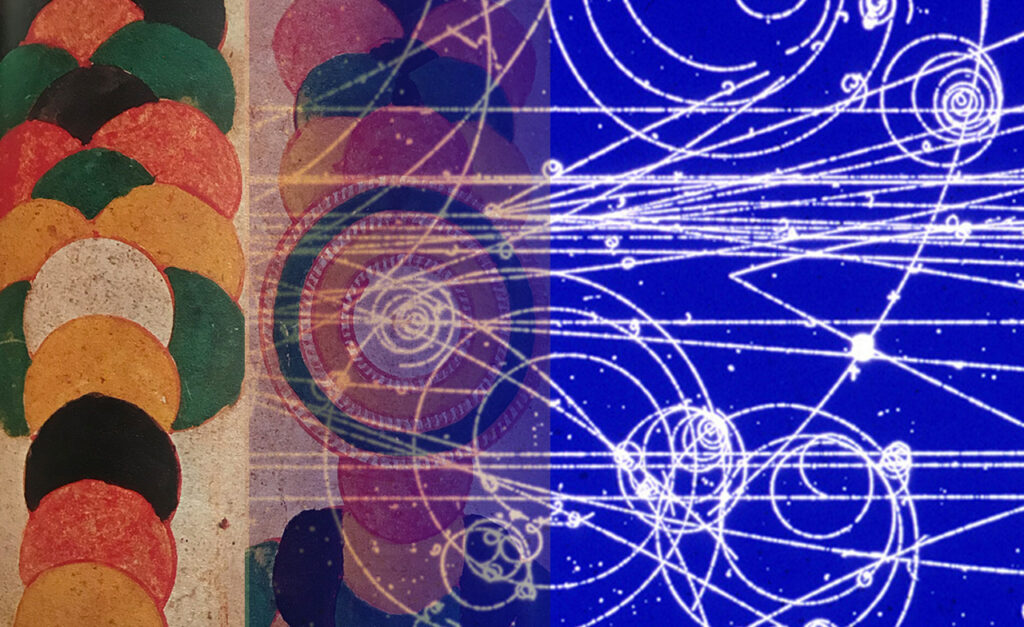
How do we gesture to the invisible, the trans or the obscure? A performative conversation between boychild and Fernando, a sharing of gestures, and a bodily back and forth between mathematician and dance artist.
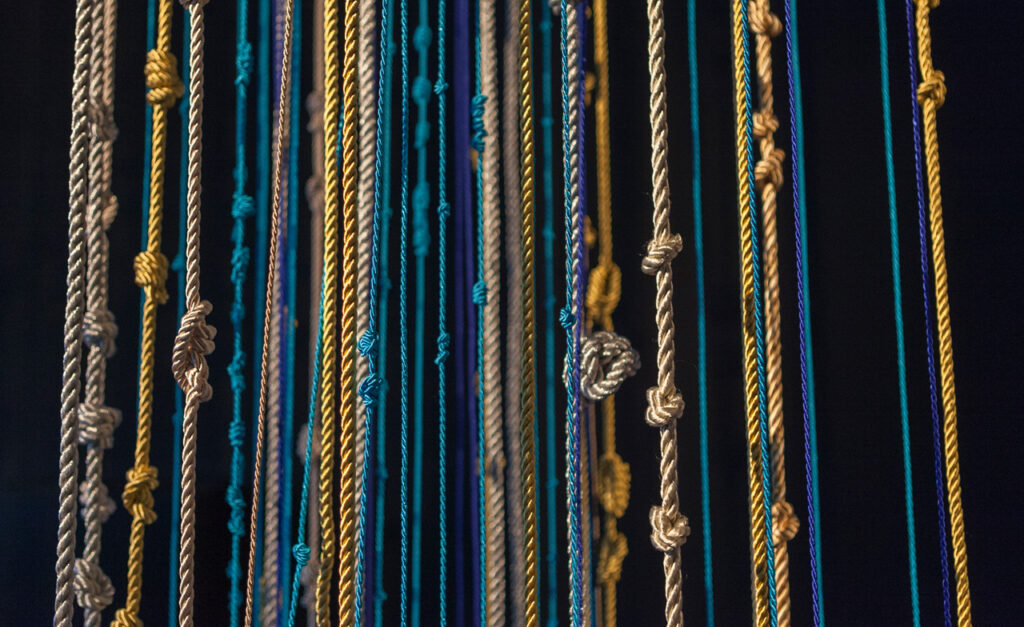
How do we sense entanglement? Can the knotting of ropes according to a poem’s rhythm make the social pulse of language matter?
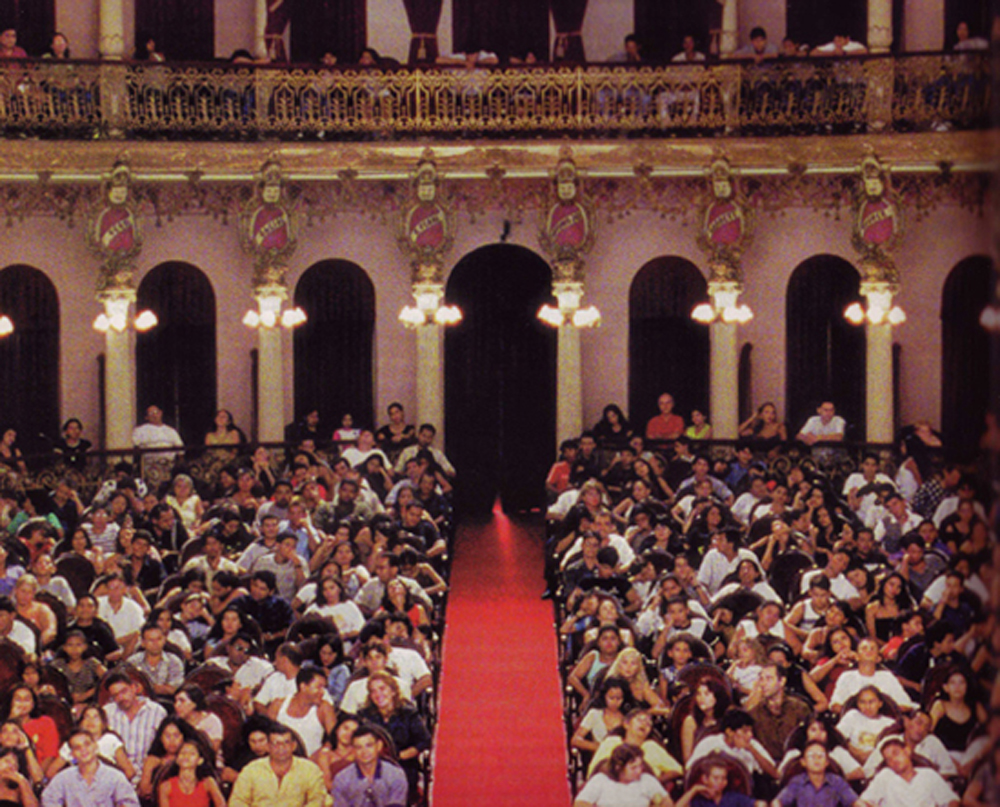
A double bill. A simple first person, Dundee-specific tracking shot that approaches the cinema/ screen/ space the film will eventually be shown in and in Brazilian opera house, a fixed camera gazes at a local audience from the stage: a choir, hidden in the orchestra pit, sings and gradually fades to silence.
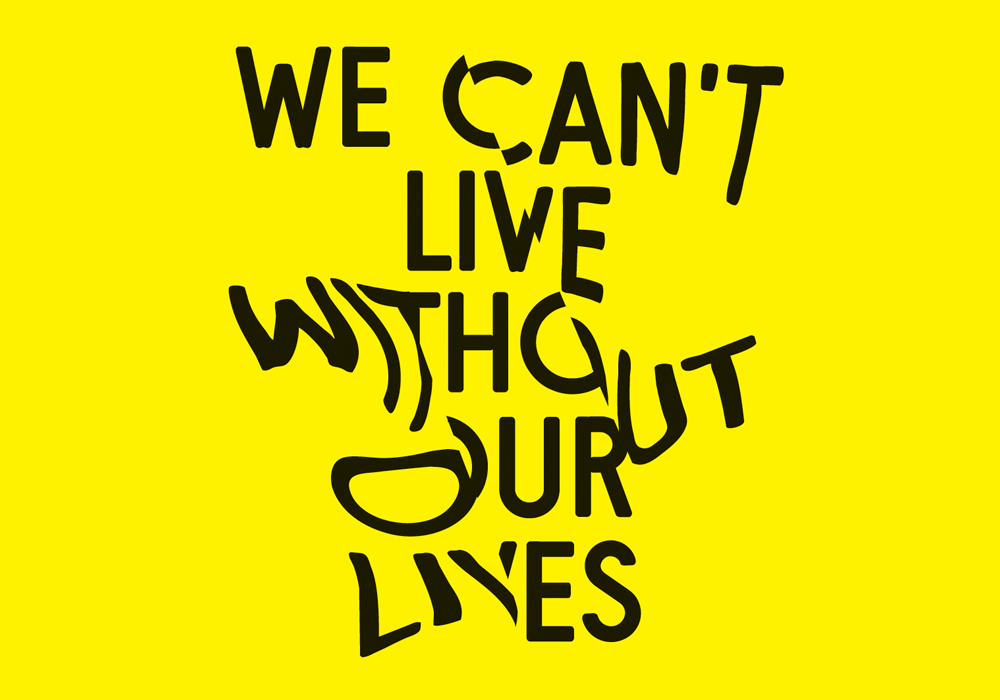
In a moment of social exhaustion, we want to ask how we might care for each other differently. We Can’t Live Without Our Lives is a 5-day exploration of care as a form of struggle and resistance, with communities who embody it.
Final workshop exploring work, care and class. Does the ‘care industry’ summon forth its own class? Can this ‘affective class’, in their ability to care for others, militate against the carelessness of self-interest?
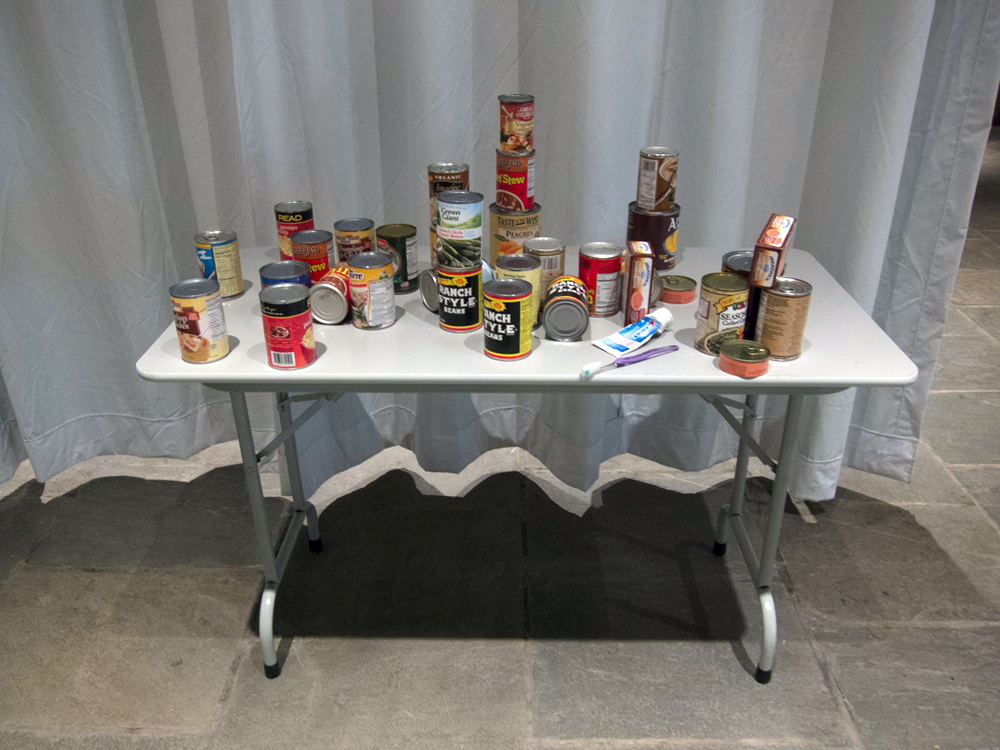
A testimony to poverty from Chris’s own experiences, and an invitation to engage with an all too typical situation and context through a kind of imaginary listening.
“Beginning where you and me ends, where we don’t so much come but are already here.” Join James and Nisha to talk about breath, erotics and flesh, about our social, poetic cosubstantiality.
A panel exploring how to dismantle the master’s house — its material edifices and ideological architecture — and the construction of abolitionist futures in the present.