


18 June 2026
Collective Art Workshop
Scotland for Decrim
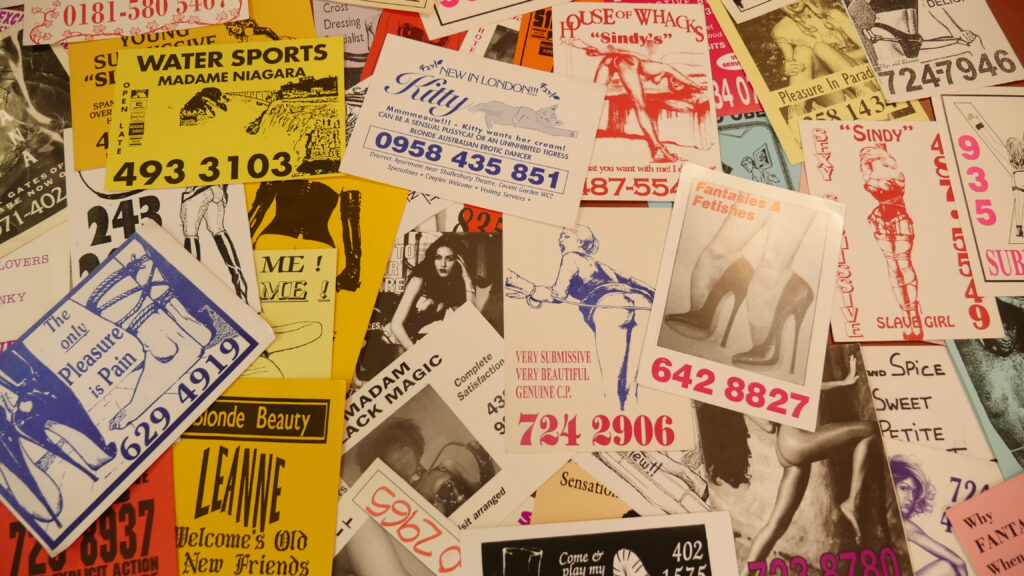
Sex worker only Collective Art Workshop led by the Hard Labour project from Scotland for Decrim.
Arika have been creating events since 2001. The Archive is space to share the documentation of our work, over 600 events from the past 20 years. Browse the archive by event, artists and collections, explore using theme pairs, or use the index for a comprehensive overview.
Sex worker only Collective Art Workshop led by the Hard Labour project from Scotland for Decrim.

Hartmut is going to talk a little about his work at large and the politics of how his films are constructed. And we’ll screen one of his best films: B-52.
Are artists powerless in the face of technology? These often whimsical and amusing films are minimal technological interventions and appropriations but maybe also rigorous takes on the role of popular media and culture in our hyper-technological world.
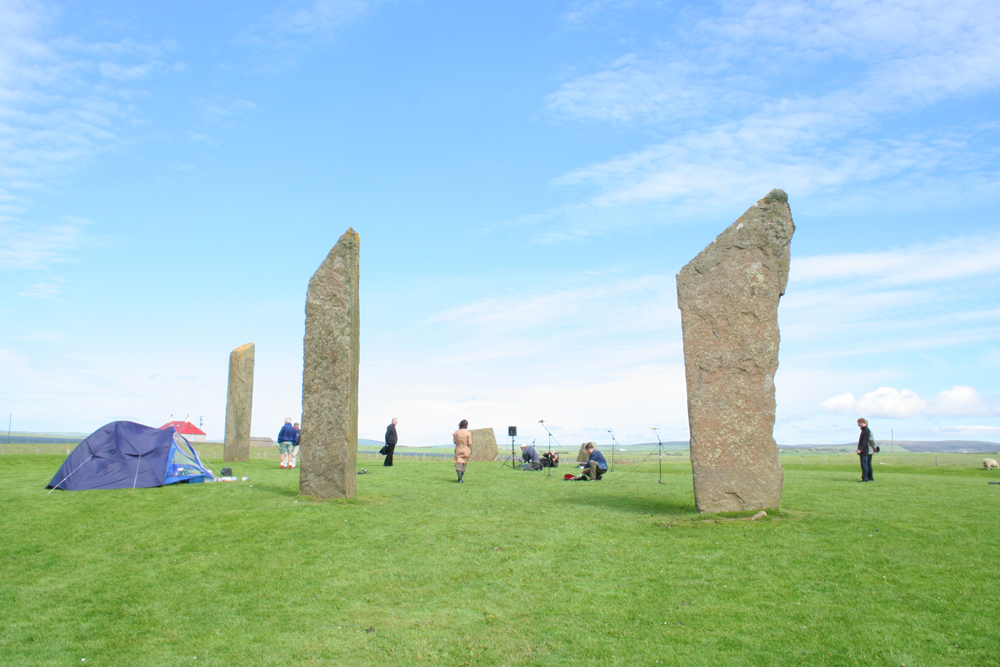
Akio Suzuki and John Butcher performing by the Stones of Stenness, instead of the Ring of Brodgar, because of bad weather.
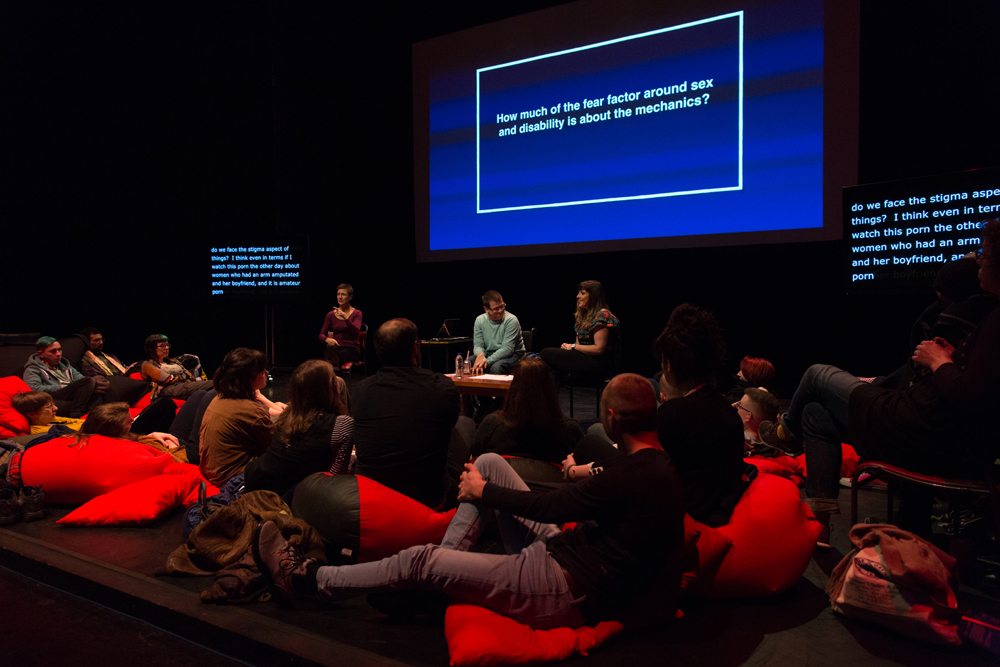
How do people living with disability see themselves in today’s sexualised culture? How do we imagine our crip sexual selves despite society wanting to reduce us to non-erotic bodies?
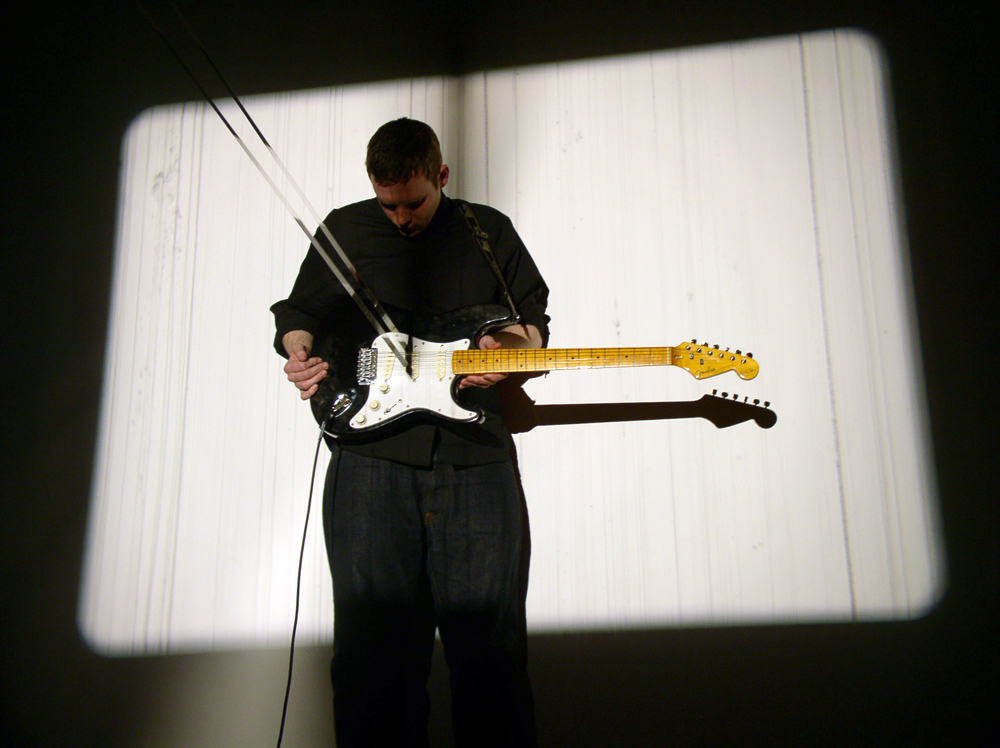
An original and beautifully simple performed installation forging a direct link between sound and image.
Ubuntu Women Shelter, National Ugly Mugs and the Sex Workers Union warmly invite you to a generative conversation (and Q&A) about the needs and rights of migrant sex workers in Scotland.
Arika is working in partnership with Decriminalised Futures on a multi year collaboration featuring multiple creative projects exploring sex worker lives, experiences and movement struggles.
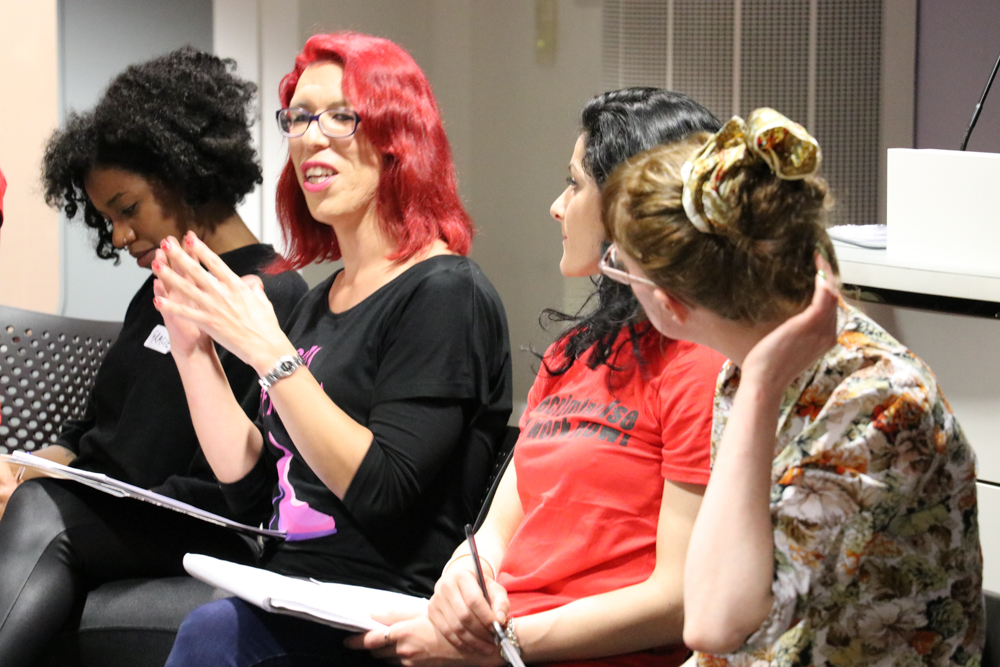
Three panels offering opportunities to discuss how to build stronger alliances between the sex workers’ rights, migrants rights and reproductive justice movements and how to face, together, an increasingly punitive and reactionary system.
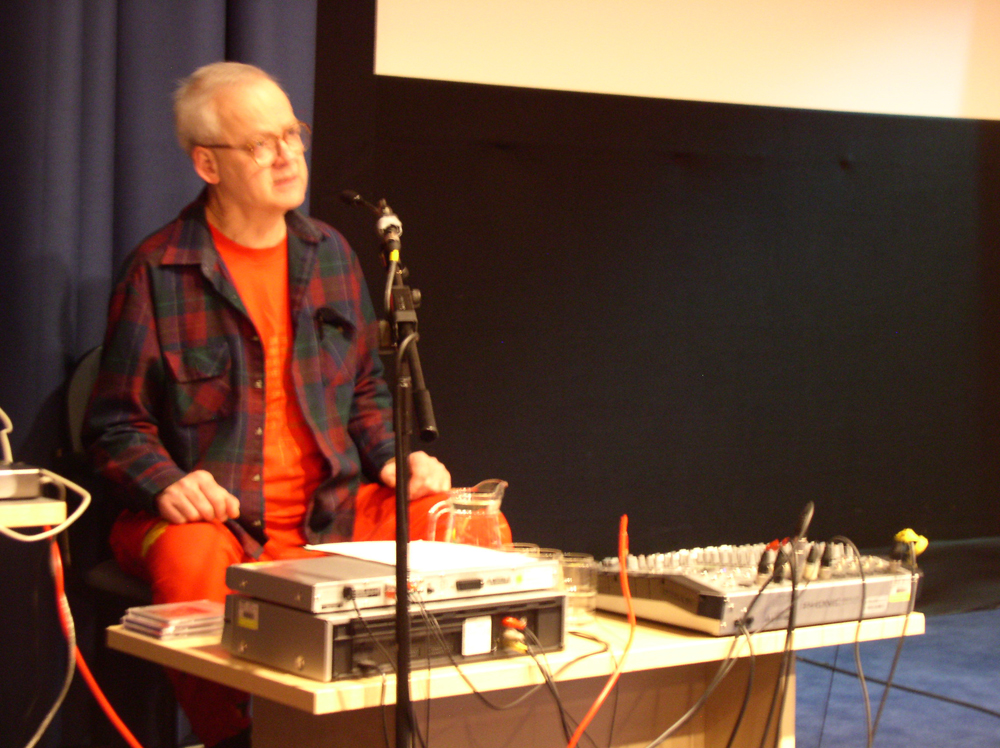
ACCESS: SOUND FILE A day-long salon accompanying KYTN focusing on sound art.
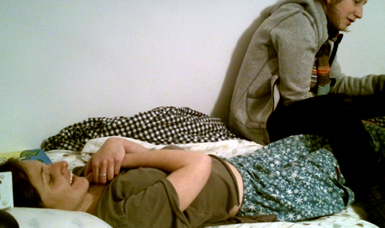
How can we imagine bodies not as an end in themselves, but as a medium through which we can become one another’s means?
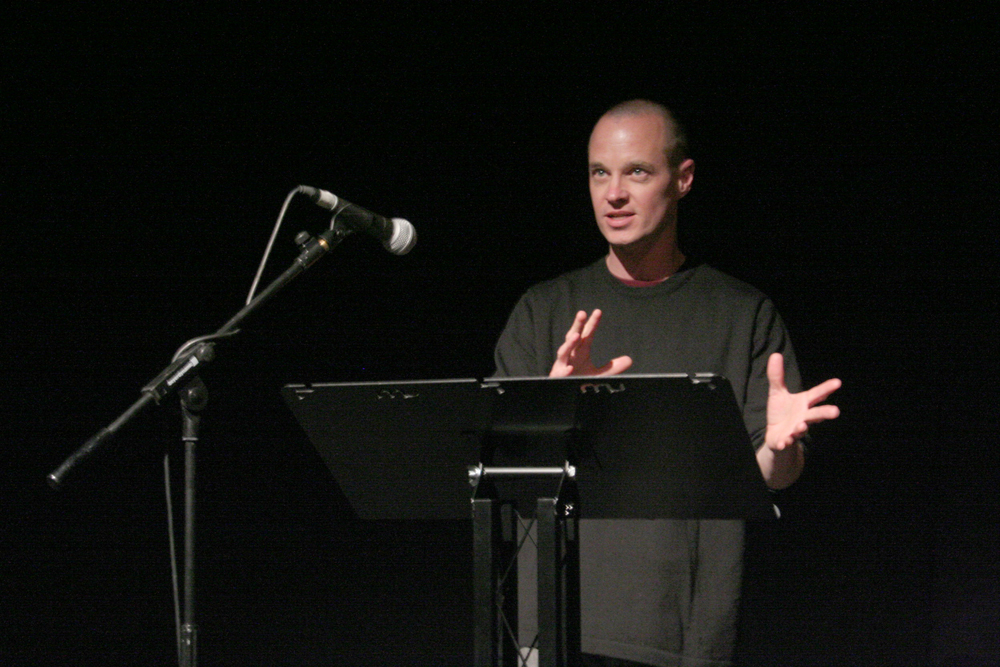
Dworkin asks: What would a non-expressive poetry look like? A poetry of intellect rather than emotion?