States of the Body Produced by Love
Nisha Ramayya
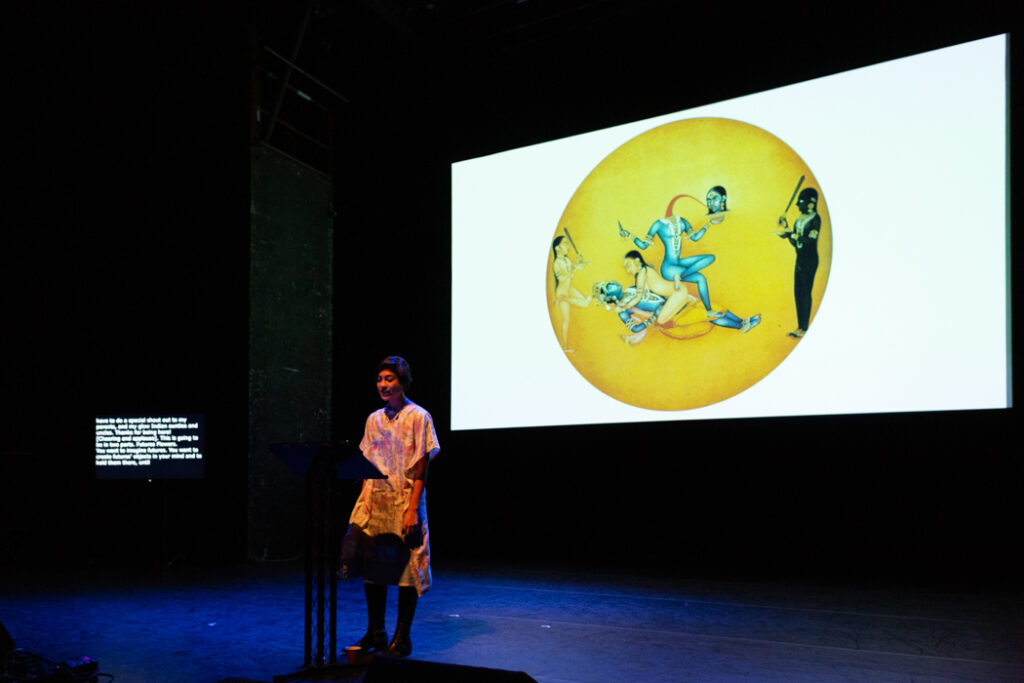
In Ramayya’s visionary poetry, the body assumes as many forms as love produces states: attraction and repulsion, excitement and exhaustion, selfishness and the dissolution of self.
Arika have been creating events since 2001. The Archive is space to share the documentation of our work, over 600 events from the past 20 years. Browse the archive by event, artists and collections, explore using theme pairs, or use the index for a comprehensive overview.
In Ramayya’s visionary poetry, the body assumes as many forms as love produces states: attraction and repulsion, excitement and exhaustion, selfishness and the dissolution of self.
A conversation and livestream considering a global feminist critique of capital with Silvia Federici, Hortense Spillers and Gayatri C. Spivak.
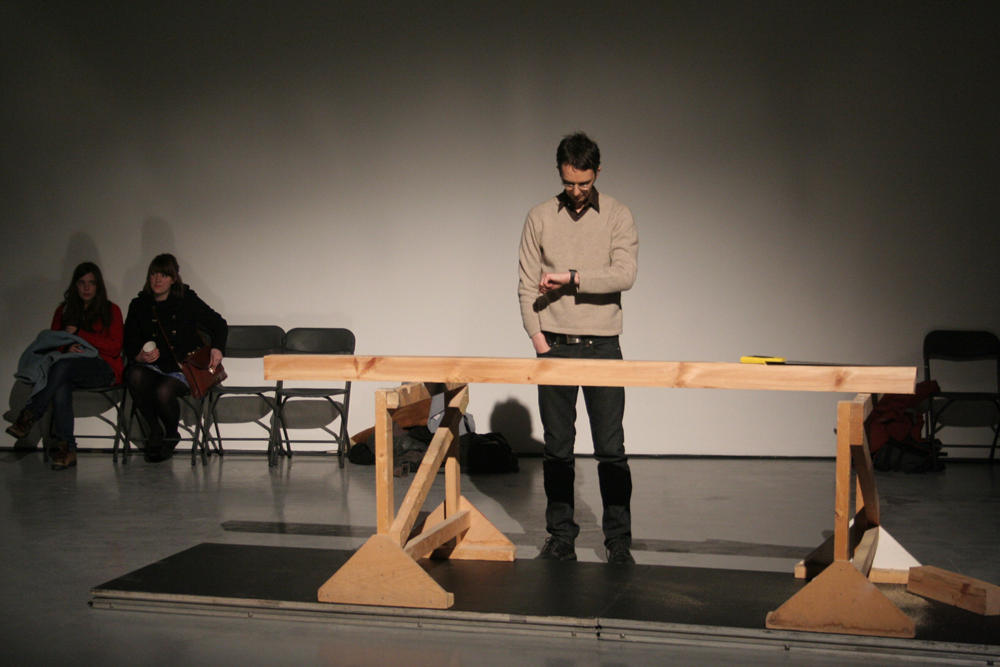
Can we use sound, repetition and difference to personally and collectively engage with space, time and labour?
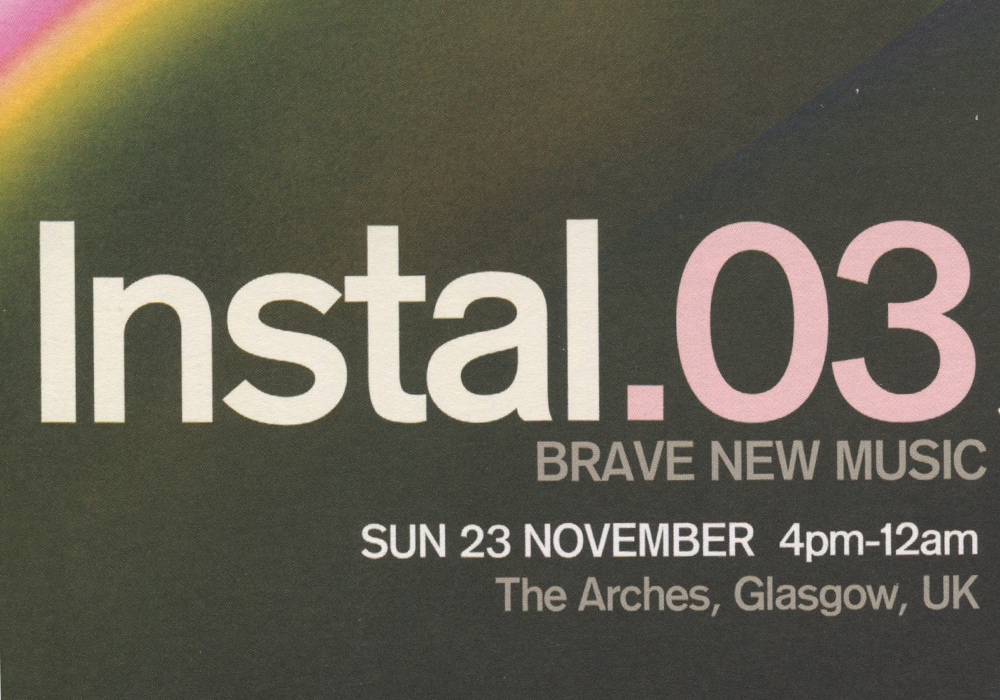
INSTAL’s third outing saw performances by AMM, Cosmos (Sachiko M & Ami Yoshida), Voreboms, Vibracathedral Orchestra with Matthew Bower and John Godbert, Paragon Ensemble, Merzbow and Ryoji Ikeda.
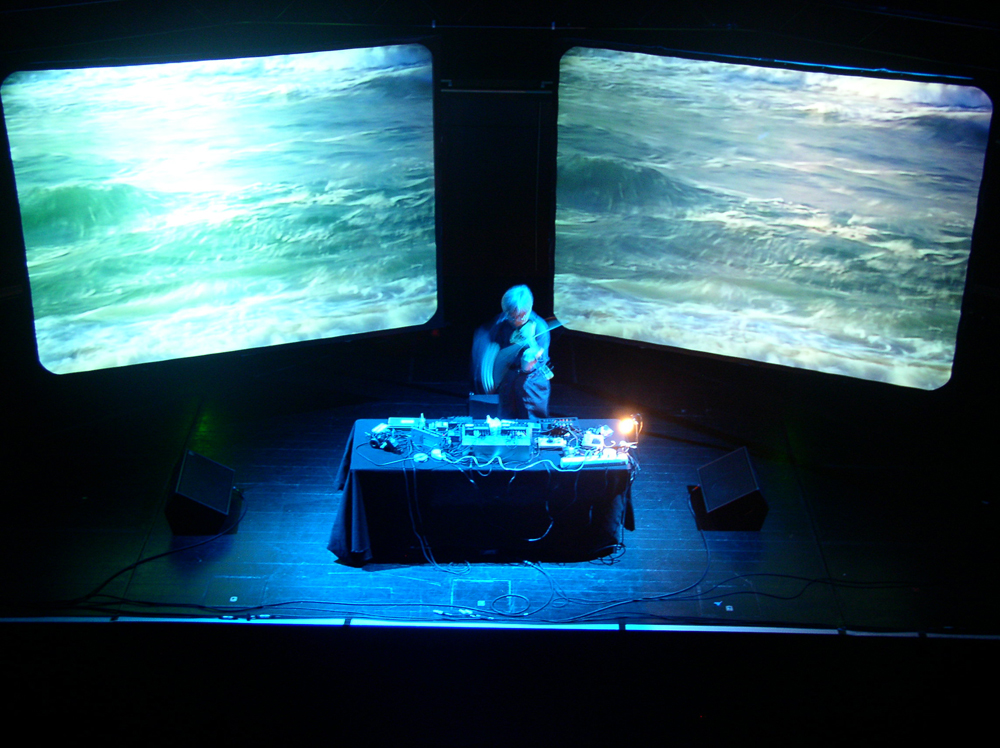
A new interpretation of Kosugi’s Catch-Wave, producing a cloud of fluctuating, hypnotic drones, in front of a backdrop of projected waves.
Inspired by the supernatural horror of H. P. Lovecraft, black metal and a sense of worry as to what constitutes an object, or a world.
Psychedelic and intense, and featuring some of the most visually stunning, mesmerizing and transcendent experiences you can imagine, batten down the hatches for some of the boldest, most immersive and abrasive works in experimental cinema.
Over 3 days Episode 8 celebrates all the unruly ways we escape attempts to constrain us, tear down the walls of normative culture and build joy in flight.
One of the most influential groups in improvised music, with the collective understanding that comes from listening keenly to each other for decades
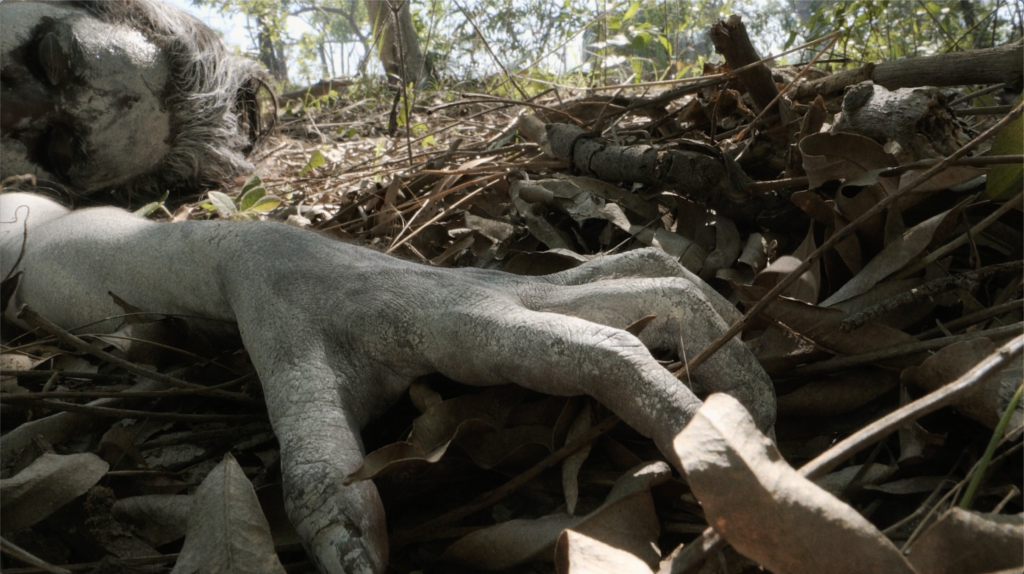
Watching films and chatting with Karrabing members about those films: as they attend to the memory and practice of the ancestral present and the ancestral catastrophe that Karrabing and their more-than-human world find themselves facing.
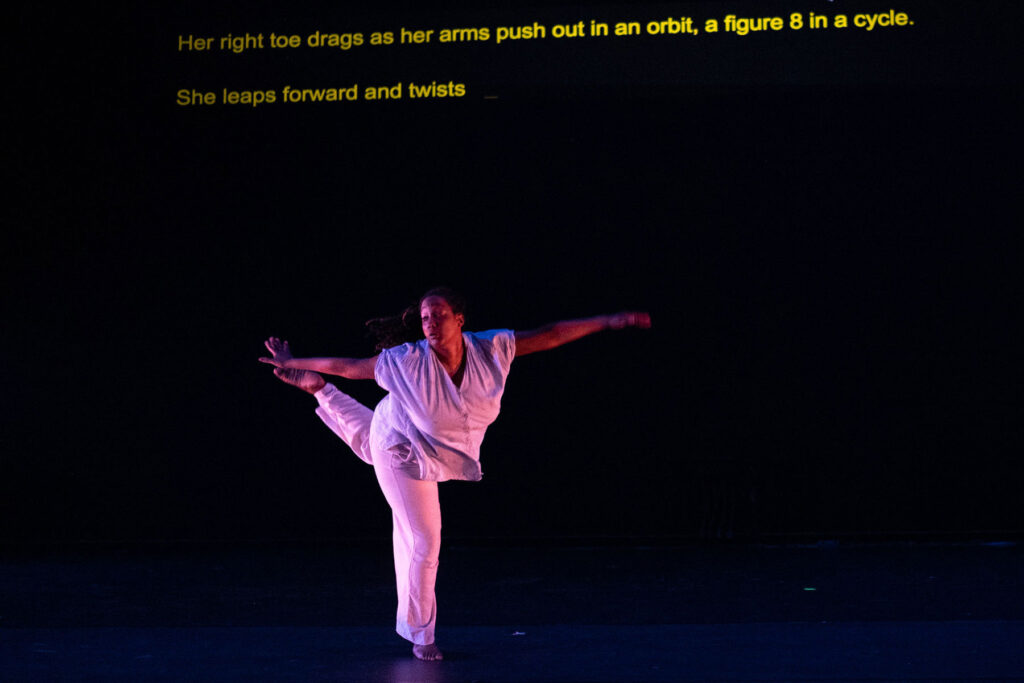
Beyond time, colorlines, ability, and sexuality, a movement exploration into what it means to see and be seen, how hearing contrast with what is actually being heard.
The first of two workshops that highlight correspondence as a way of working. Somewhere between song, speech, and logistical arrangement, these workshops invite participants to consider care as infrastructure.