The Echo Project
Brandon LaBelle
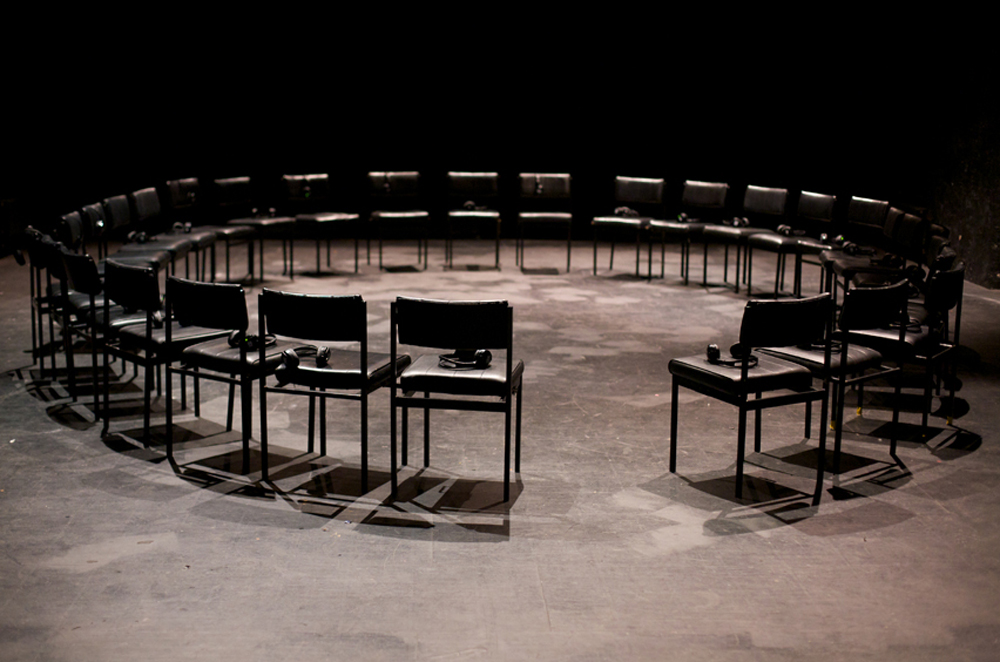
The Echo project is an installation as audio guide for a crowd. And at the same time it’s a private conversation: with you, as one of 20 people in a room, a sort of public intimacy.
Arika have been creating events since 2001. The Archive is space to share the documentation of our work, over 600 events from the past 20 years. Browse the archive by event, artists and collections, explore using theme pairs, or use the index for a comprehensive overview.
The Echo project is an installation as audio guide for a crowd. And at the same time it’s a private conversation: with you, as one of 20 people in a room, a sort of public intimacy.
Our Zooms are unmuted, our mics are open, and our hearts and bodyminds are receptive. We give the floor online and in person to you…
What does it mean to listen with the mind as well as the ears? A solo performance from the great avant-garde pianist.
A festival hewn from passions for experimental music, film and visual art and for a passion in figuring out how they can relate to, cross-fertilise and inspire and each other.
Slapstick comedy, monologue, and a kind of live sculpture transformed through video, props, musical instruments and make-up.
Three (thankfully short) chats wherein we try and get at what’s eating us with regards to experimental music, and what we think might be worth salvaging.
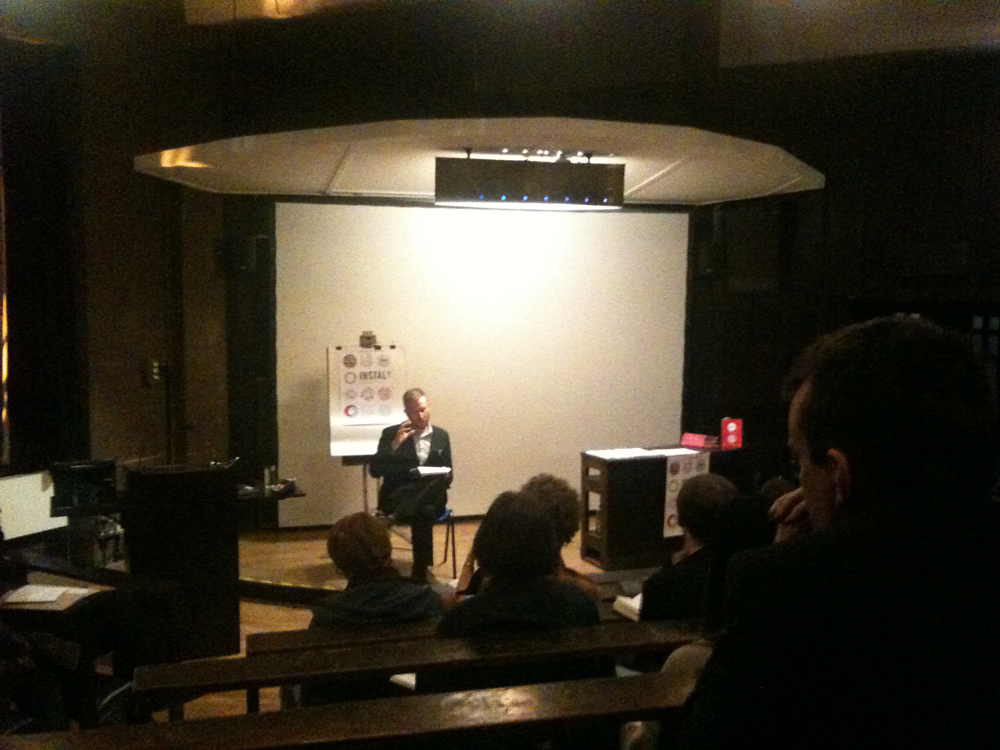
A kind of an informal overview of INSTAL.
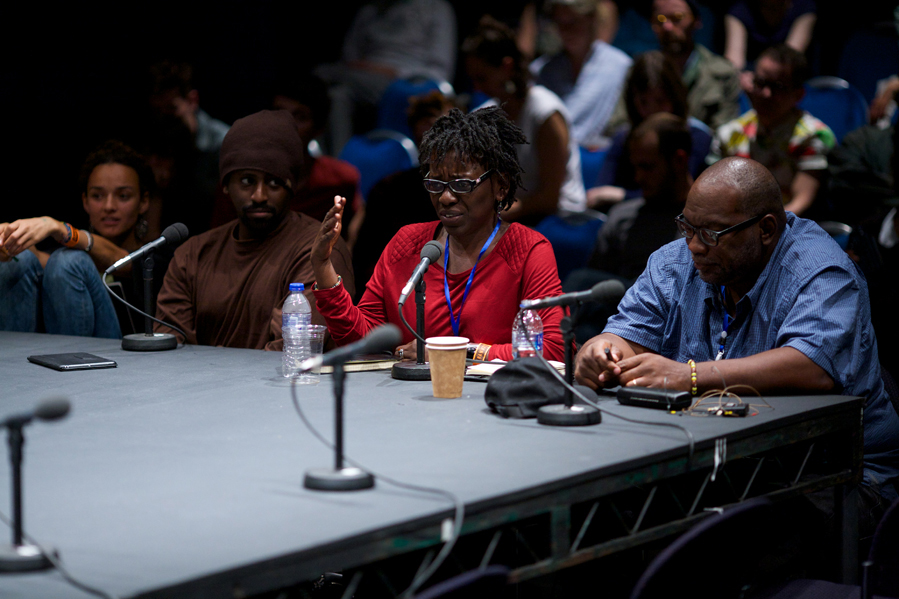
A discussion about what is at stake in the performance of realness and the practice of passing, and how they are both acts of survival and resistance.
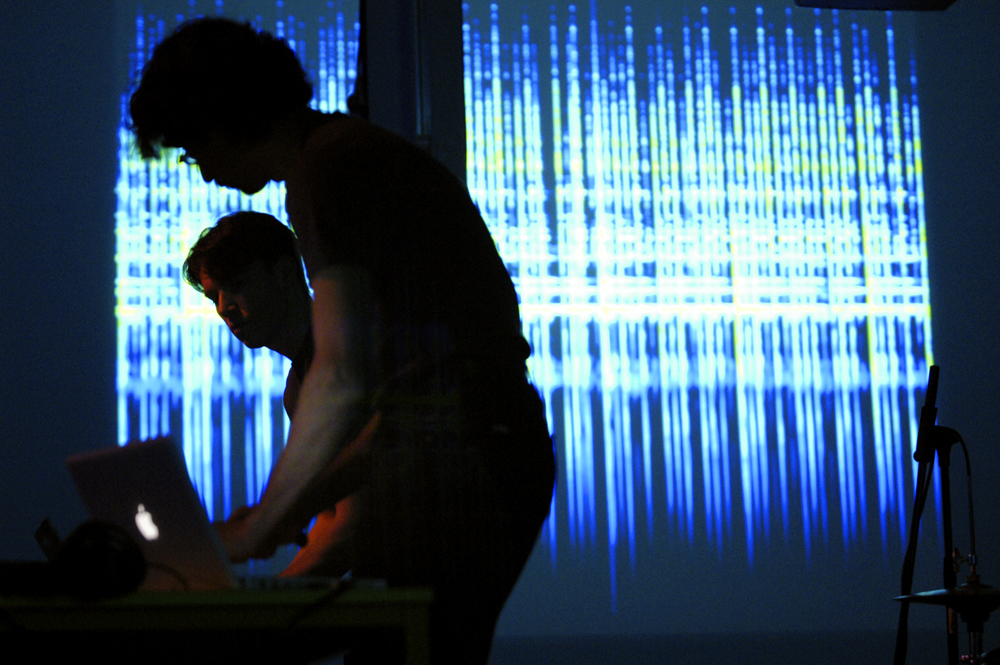
Live ISDN drone performance resonating between Dundee and an empty Montreal Grain Silo.
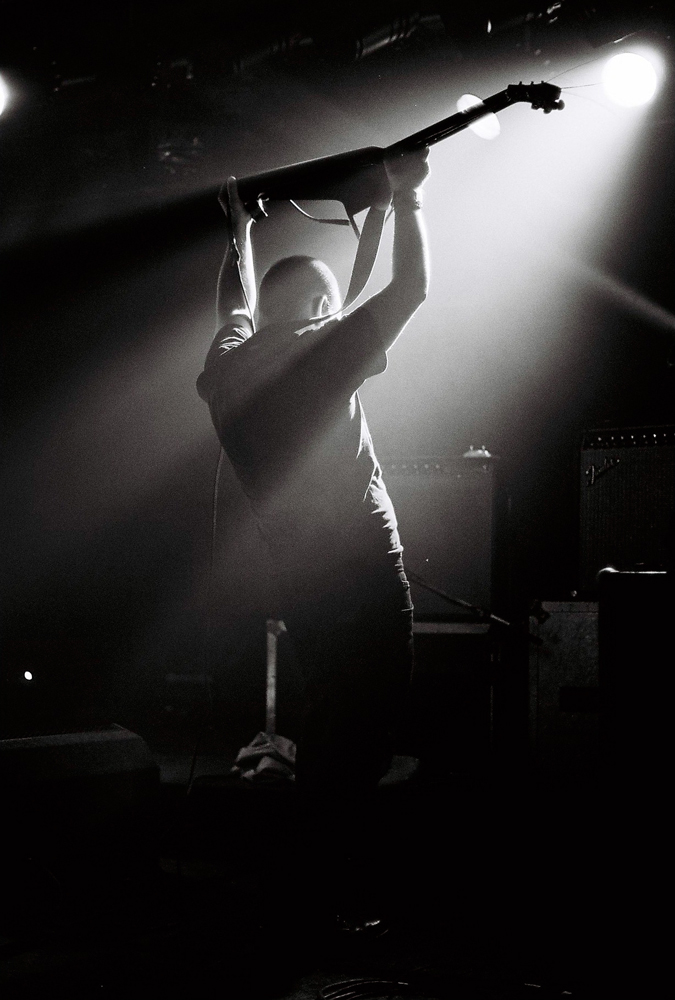
Black Boned Angel’s is a rock sound, stripped of all extraneous detail right down to its core, stretched out and nailed to the ceiling.
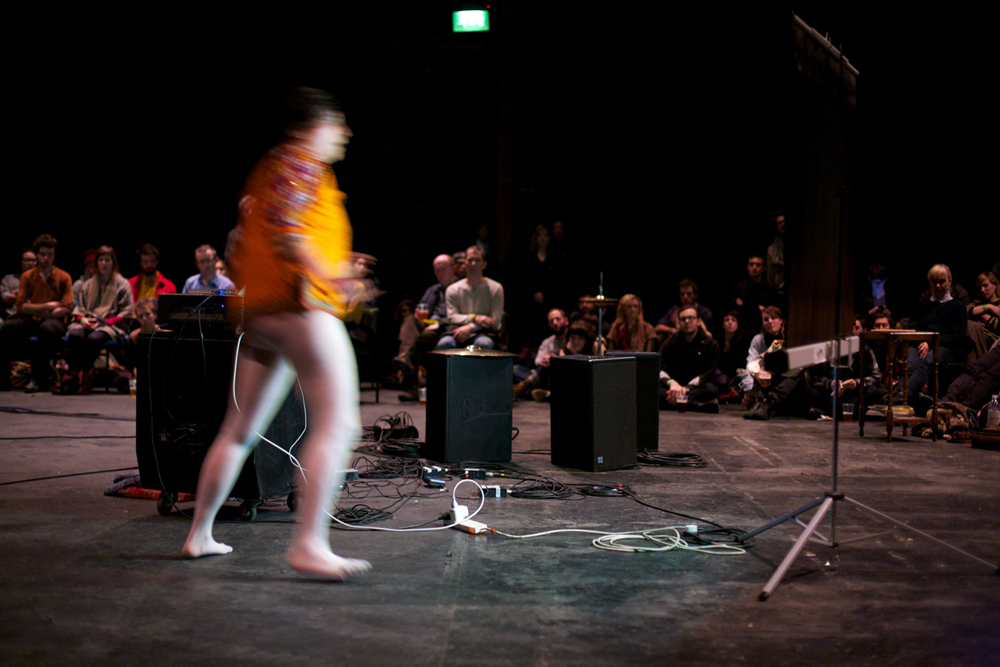
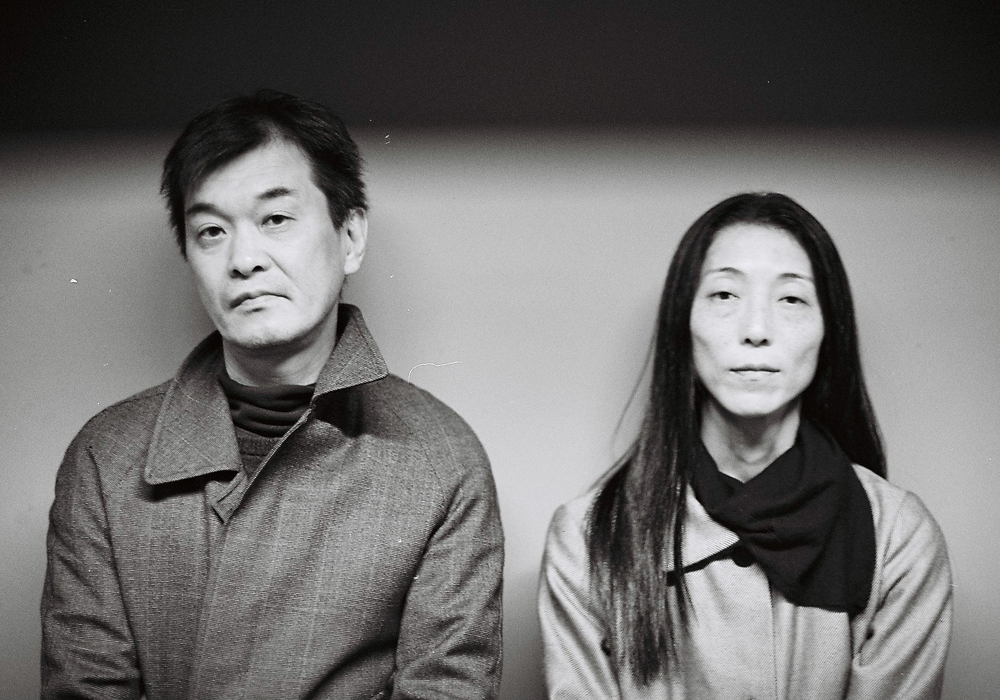
A collaborative duo performance, Anoyonodekigoto sets up a sort of negotiation between a musician, a dancer, the audience and the space we’re all sharing.
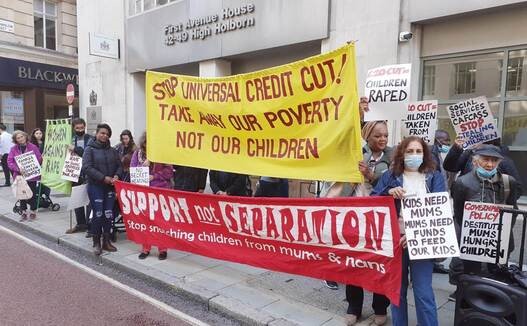
How do grassroots feminist organisations strategise relationships between mothers, parents, carers and their children based on respect and empowerment, in resistance to the practice of putting children in often the most uncaring of places – care.