In Passing
Brandon LaBelle
A silent performance of (musical) reverberation.
Arika have been creating events since 2001. The Archive is space to share the documentation of our work, over 600 events from the past 20 years. Browse the archive by event, artists and collections, explore using theme pairs, or use the index for a comprehensive overview.
A silent performance of (musical) reverberation.
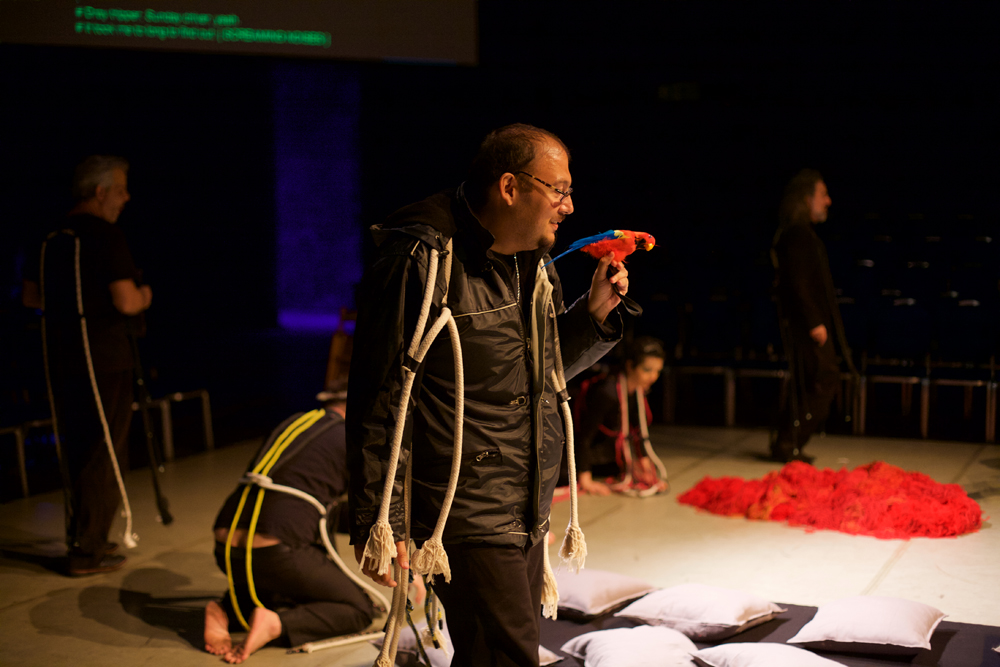
Inhabiting a different kind of energy, Ueinzz’s open rehearsals reveal a glimpse into their ongoing daily theatrical modes of caring – multiplying the ways in which their plays are meant to be felt, rather than understood.
Bringing together artists working with music, sound, film and the moving image, KYTN 2008 saw performances, improvisations, screenings and installations over three days at DCA.
Edinburgh. Sinewave manipulating Giant Tank-ette goes head-to-head with Decaer Pinga’s first lady of noise.
INSTAL’s third outing saw performances by AMM, Cosmos (Sachiko M & Ami Yoshida), Voreboms, Vibracathedral Orchestra with Matthew Bower and John Godbert, Paragon Ensemble, Merzbow and Ryoji Ikeda.
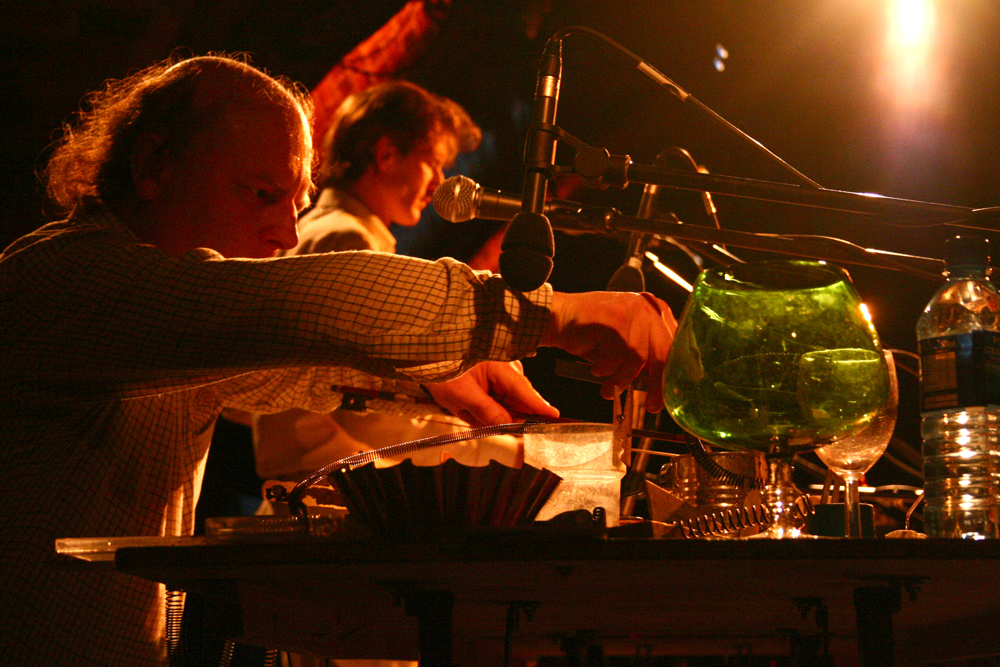
Quintessentially British, The Bohman Brothers’ music is a home-made and DIY conflux of some of the most virulent strains of experimental music.
For this day-long festival, sex workers and their allies from New York, the tri-state area, and Europe will gather at MoMA PS1 to debate, perform, dance, strategize & share knowledge.
From really simple, open instructions, An Unrhymed Chord creates a kind of half-way point between composition and improvisation.
Killer of Sheep is an undisputed masterpiece of African-American filmmaking and one of the most poetic, perceptive dramas ever made about family and community.
By focusing on the things that most people don’t notice or pass by uncaring – Steve Roden crafts gentle, sparse and metaphorically loaded compositions.
A workshop inviting participants to enact a series of scores that explore witnessing, testimony, grief and mourning, facilitated by Mezna and Sadia, and accompanied by Sakina Ali.
Dworkin asks: What would a non-expressive poetry look like? A poetry of intellect rather than emotion?