Merzbow
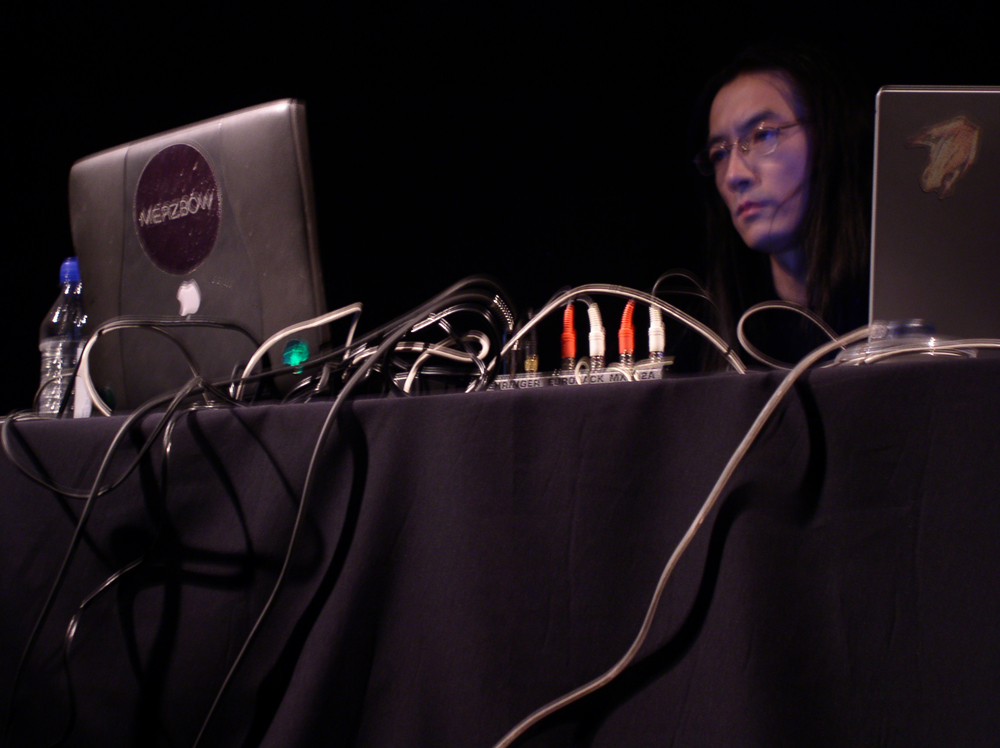
Merzbow takes the junk of sound and transforms it into blistering noise assaults with an incredible spectrum and impact.
Arika have been creating events since 2001. The Archive is space to share the documentation of our work, over 600 events from the past 20 years. Browse the archive by event, artists and collections, explore using theme pairs, or use the index for a comprehensive overview.
Merzbow takes the junk of sound and transforms it into blistering noise assaults with an incredible spectrum and impact.
With lo-fi dreams and high-def humor, Bande brings MC vibes to the day. Interluding music with spoken performance, the live extimacy of Bande’s presence reaches out via emo-techno-bridges.
A festival hewn from passions for experimental music, film and visual art and for a passion in figuring out how they can relate to, cross-fertilise and inspire and each other.
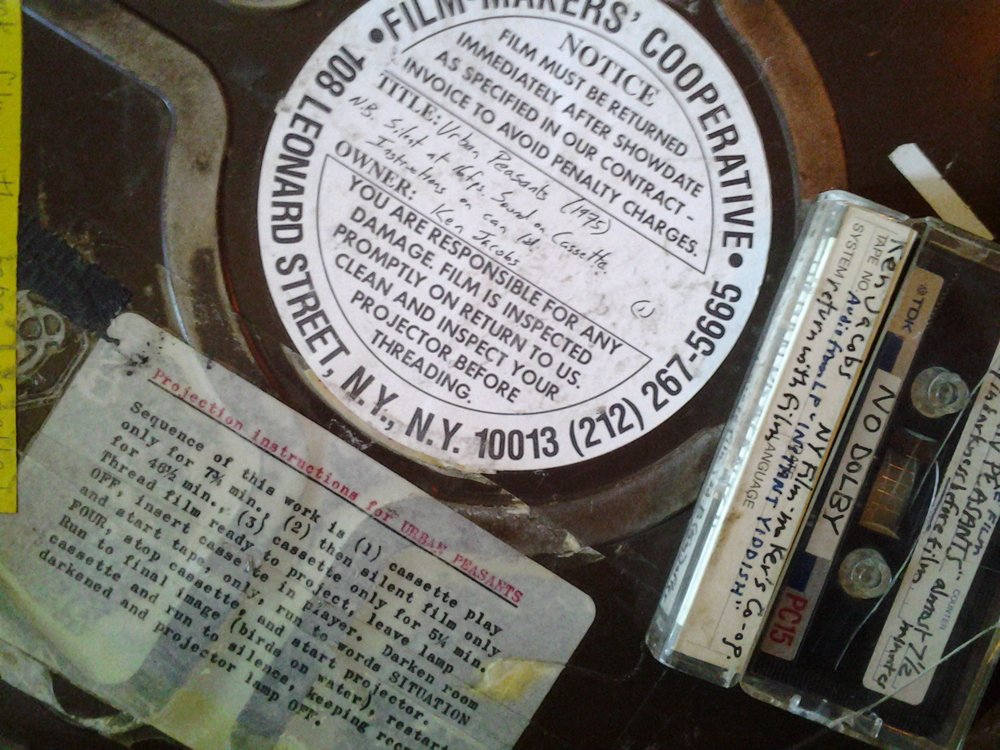
Do almost nothing: re-present (unaltered and arranged by chance) silent family home movies handed down to Flo, (Ken’s wife) and follow them with a “teach yourself Yiddish” cassette tape.
Are artists powerless in the face of technology? These often whimsical and amusing films are minimal technological interventions and appropriations but maybe also rigorous takes on the role of popular media and culture in our hyper-technological world.
Arika is proud to be one of several arts organisations in Scotland supporting the commissioning of a radical new manifesto, by and for disabled artists working in Scotland.
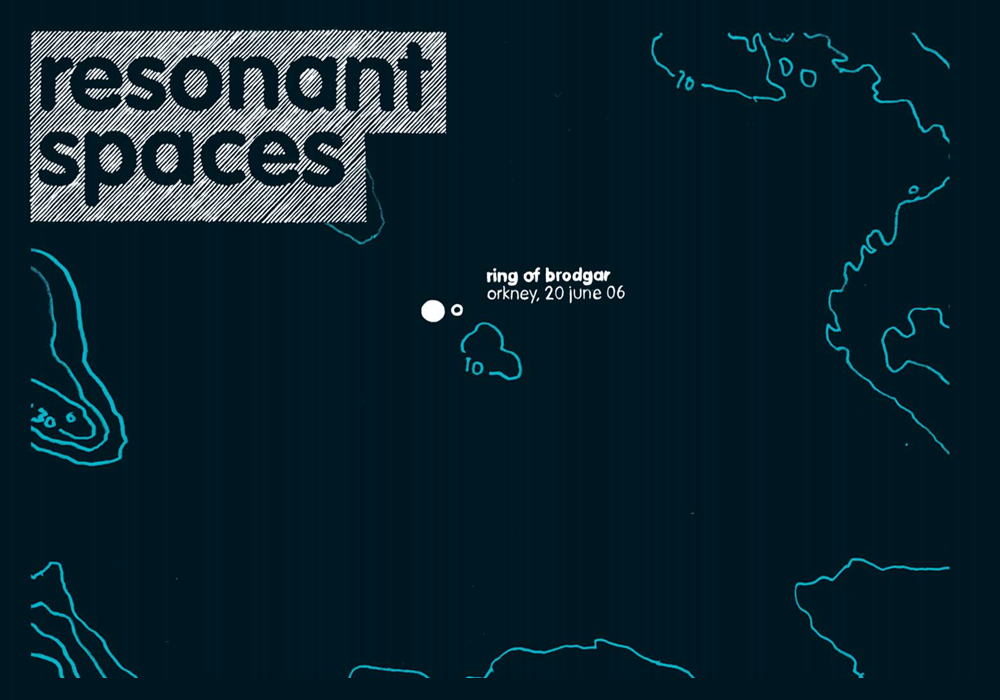
A tour with John Butcher and Akio Suzuki that set out to allow the audience to experience (and to listen to) the enviroment around them in different way.
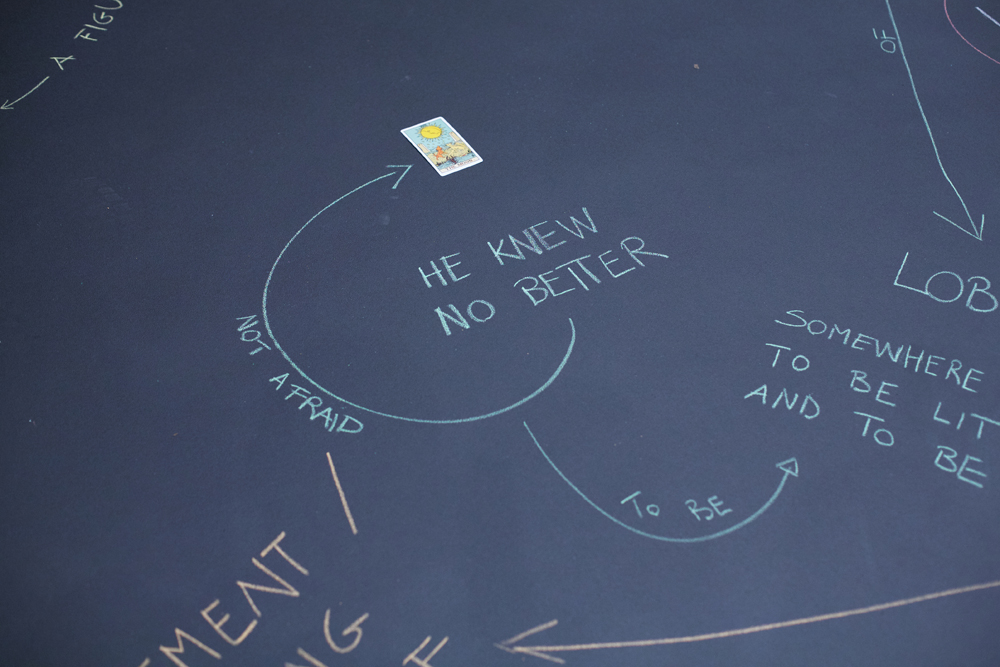
A performed, open, public conversation about how we might think politics from the position of intuition, in which Denise and Valentina use un-reasonable tools to map out a hybrid poetical/ ethical reading of their own situations.
A recording session for BBC Radio Scotland under the M74 ‘Ski Jump’ extension ramp, a secion of motorway that doesn’t go anywhere, one of several such structures that populate the motorway system in the centre of Glasgow.
What might Carter and Parker’s collaboration tell us about our own performances of responsibility and liberty, whether individual, social or musical?
Can our favourite Vegas-born poet of prophetic blackness and a South Central transmuter of social rage into beauty feel through each other?
How does this practice, that simultaneously resists and honours the distinctions between these genres, materials and senses, determine the inhabitation of another: a convergence of aesthetic and social experimentation?