


9 – 13 March 2022
Online
Mutual Aid
4 days of workshops, discussions and artists presentations exploring the radical act of caring for each other while working to change the world.
Arika have been creating events since 2001. The Archive is space to share the documentation of our work, over 600 events from the past 20 years. Browse the archive by event, artists and collections, explore using theme pairs, or use the index for a comprehensive overview.
4 days of workshops, discussions and artists presentations exploring the radical act of caring for each other while working to change the world.
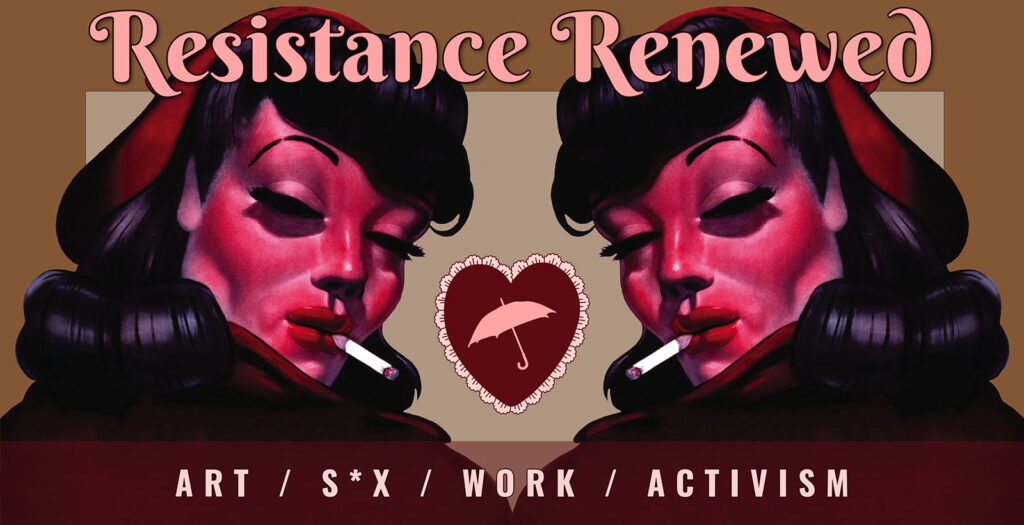
A whistle stop tour of visual and material culture that has anchored the sex workers rights movement through the decades until today.
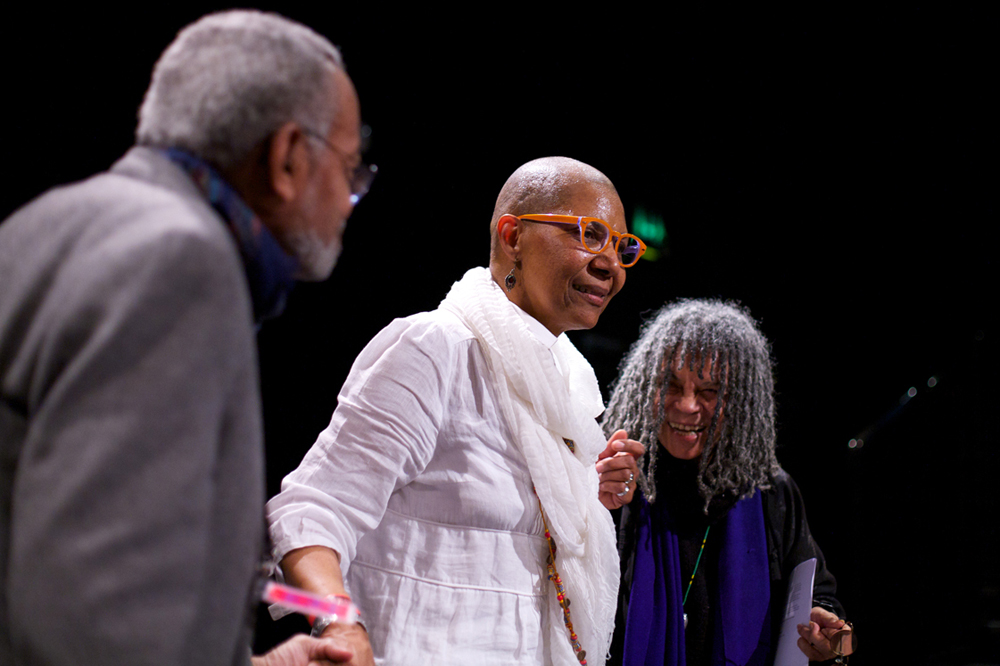
Can a collective performance of NourbeSe’s poem of black life as it exceeds containment enact alternative forms of selfhood that emerge in and out of African diasporic experience?
Cask-strength electrohypnol/ shroom damaged folk croonings by Lapsed Electronics empire builder responsible for recent Tremors blowouts.
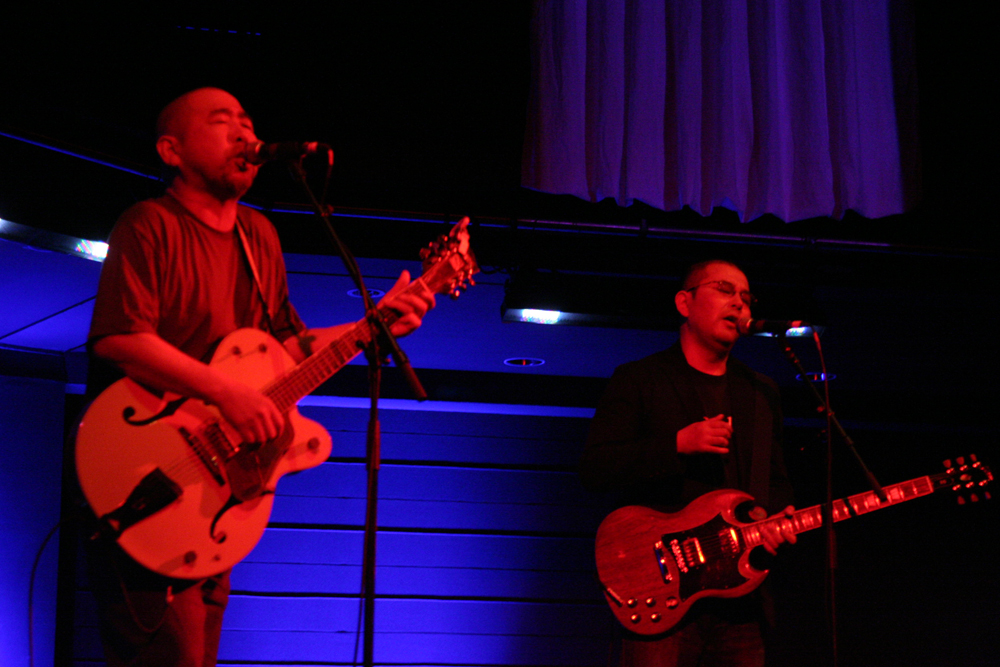
Folk poet, actor and bon viveur Kan Mikami in duo with Jojo Hiroshige, a founding member of Japanese Noise band Hijokaidan.
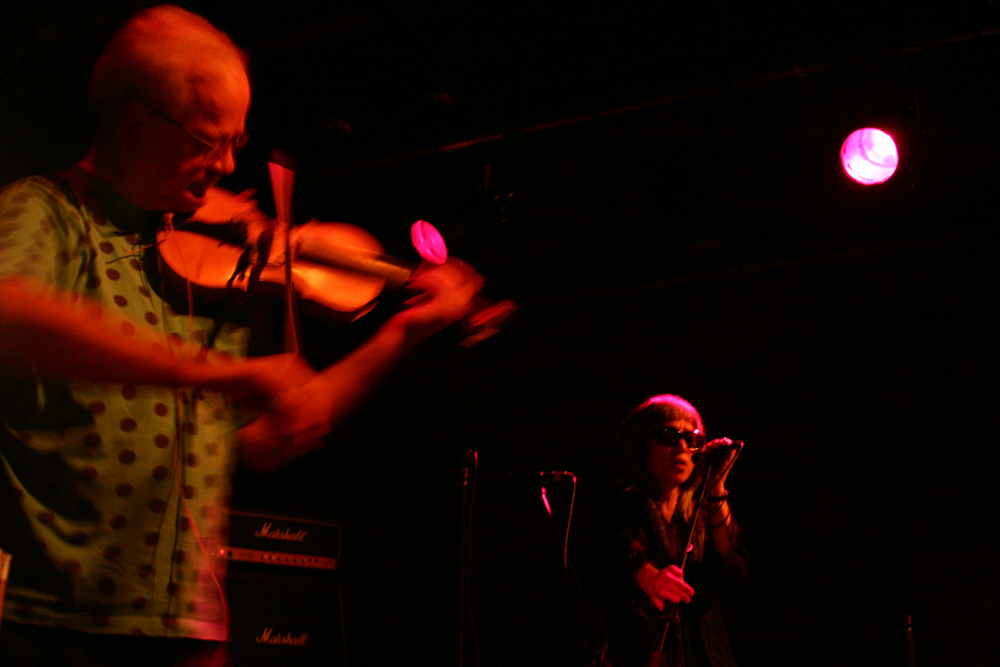
Although Tony had visited Haino in Japan, and they played together in private, this was the first time anyone other that Haino’s cat saw them perform together.
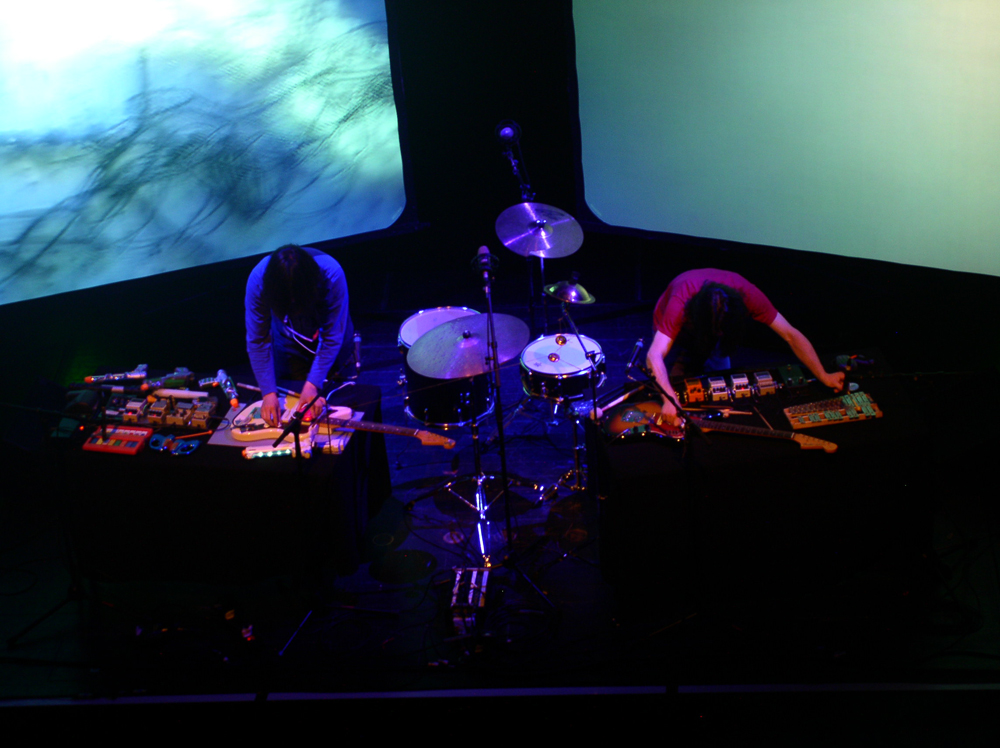
Italian duo of brothers Maurizio and Roberto Opalio utilising an array of acoustic and electric guitars, various toy-instruments and toy-microphones.
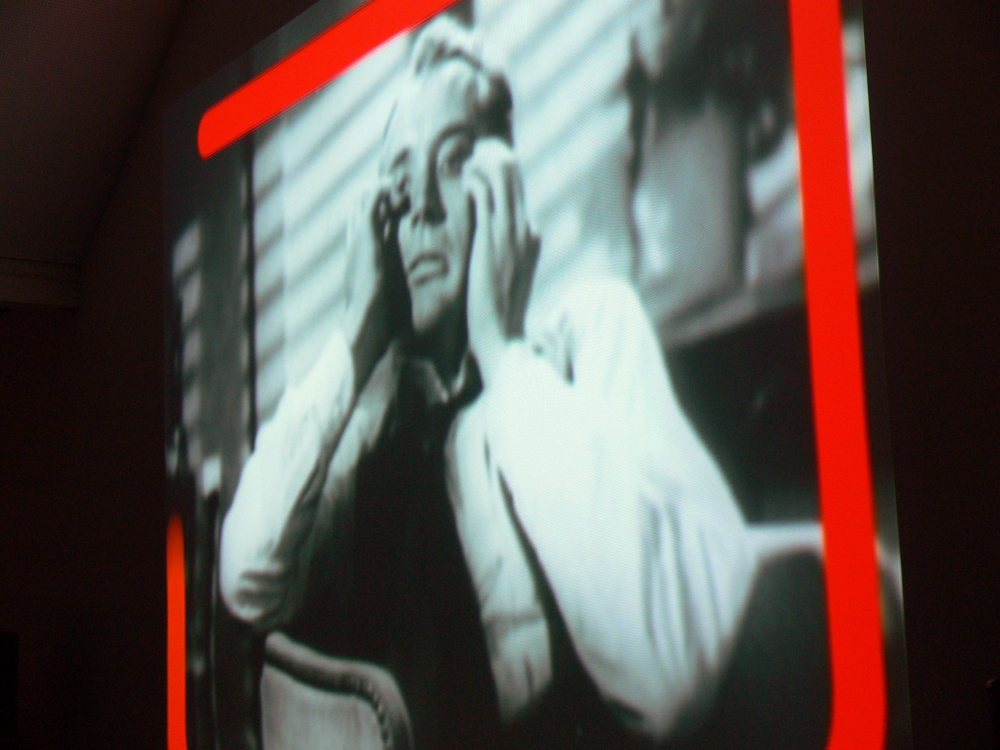
A silent collage of found film footage partially layered with computer graphics to provide a framework in which live music can develop.
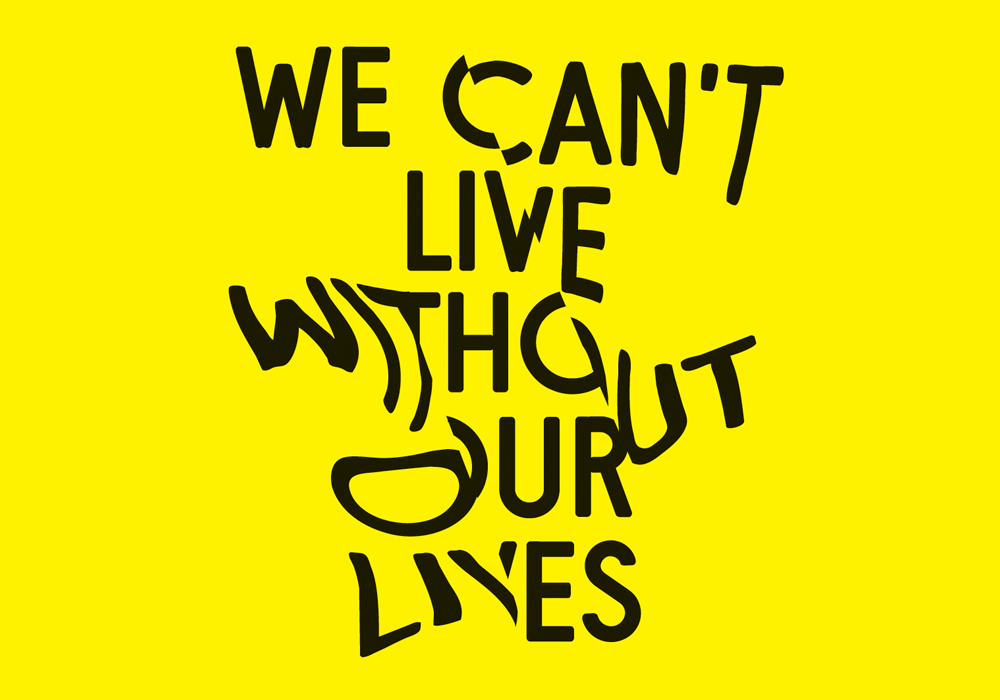
In a moment of social exhaustion, we want to ask how we might care for each other differently. We Can’t Live Without Our Lives is a 5-day exploration of care as a form of struggle and resistance, with communities who embody it.

The second in a series of workshops for workers and non-workers who care. What does the sharing of vulnerability entail? Can such a sharing inform progressive social relations?
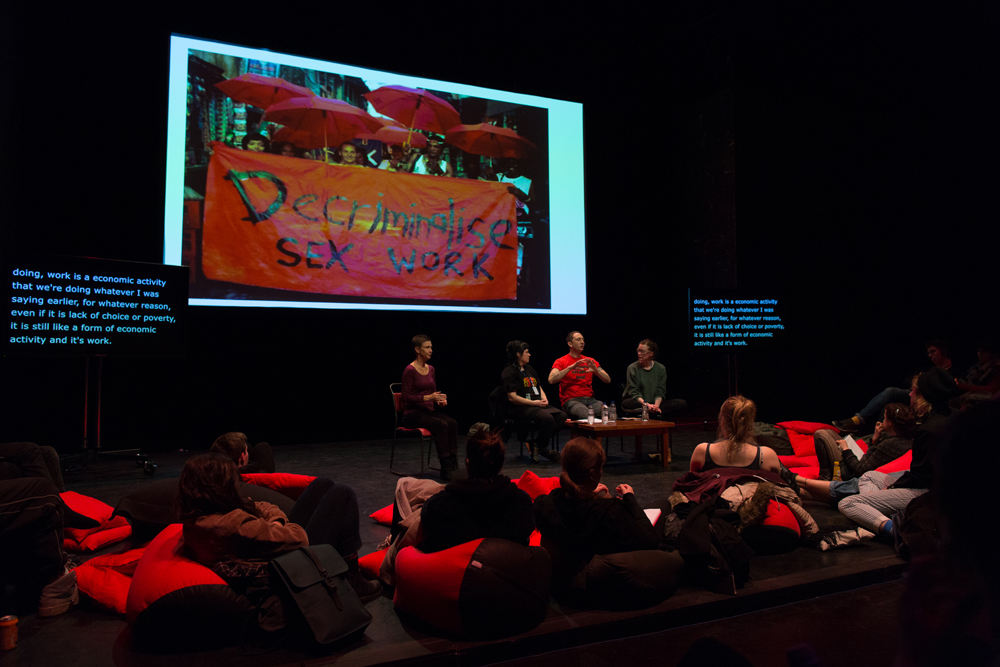
The struggle for sex workers’ rights and how we can understand it in the continuum of care work and other forms of invisibilised and precarious work.
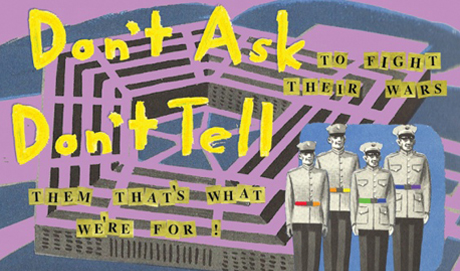
What does it mean to resist seeking assimilation or inclusion within, or let our demands be co-opted by the very systems we seek to dismantle?