Junko
Junko
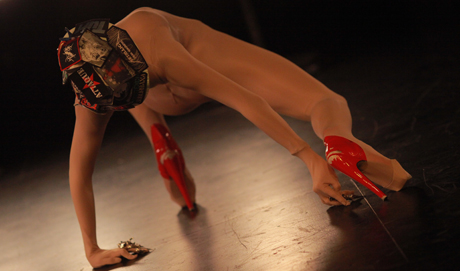
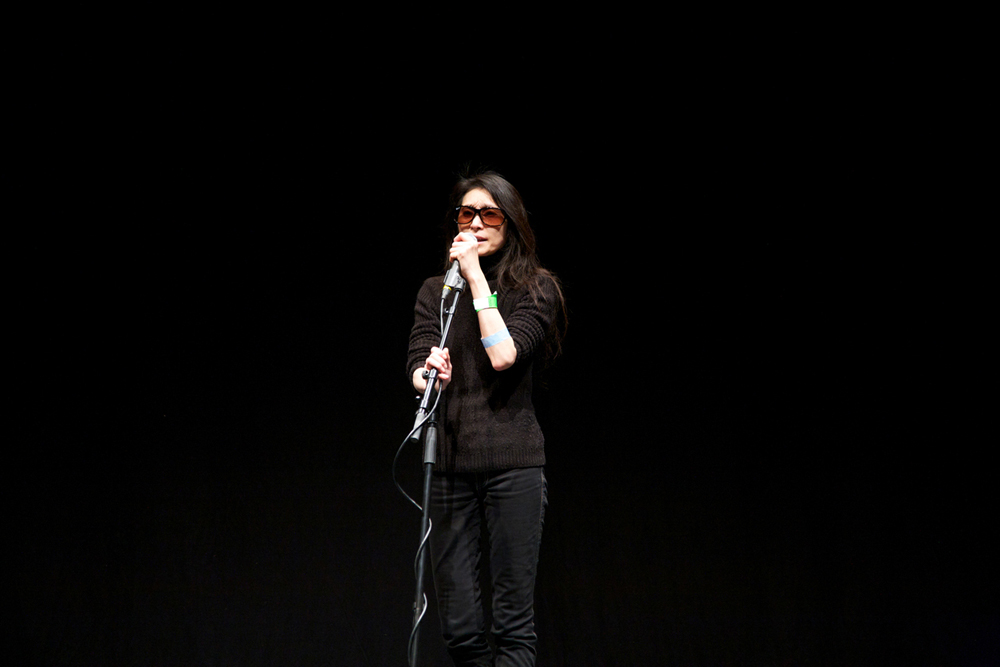
Harrowing but musical confrontations with the very real, physical and aural trauma of a woman screaming.
Arika have been creating events since 2001. The Archive is space to share the documentation of our work, over 600 events from the past 20 years. Browse the archive by event, artists and collections, explore using theme pairs, or use the index for a comprehensive overview.
Harrowing but musical confrontations with the very real, physical and aural trauma of a woman screaming.
What would have happened in 1963 if someone from the voguing ball scene going on in Harlem had travelled downtown to perform alongside the early postmoderns at Judson Church?
Ecstatic, intensely joyous experimental club music: like “the sound of our water ceremonies…40 bands playing their melodies at once to recreate the cacophony of the first aurora and the call of the morning star Venus”.
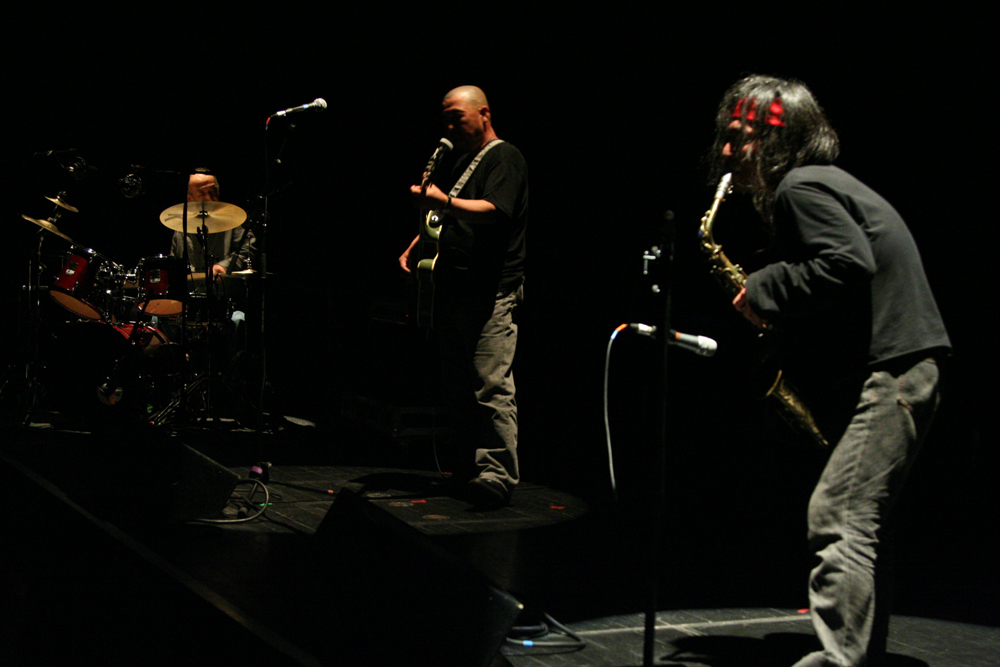
HEAVY Japanese super group, featuring the sundown delta blues of Kan Mikami, Toshi Ishizuka’s heavy, time folding drumming and Masayoshi Urabe on sax, harmonica and chains.
What’s the relationship between the eternal hum of the oceanic beloved and the persistence of vorticity in fluid dynamics? And how does Alice Coltrane’s harp help us stay there?
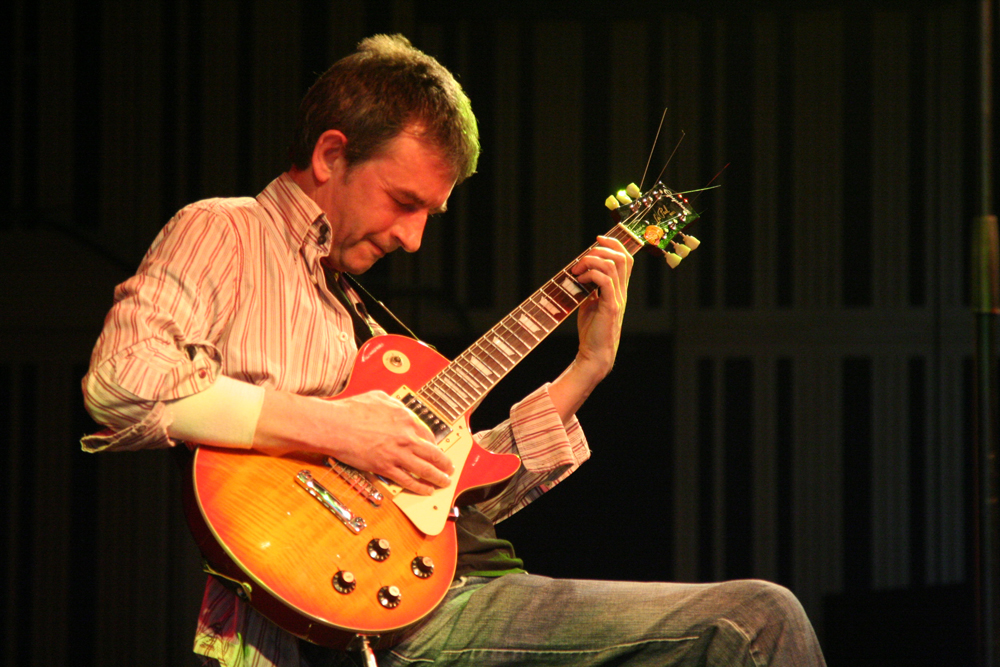
Guitar solo where inscrutable, minute electric sounds are excavated by palms that smother and strangle, that wring sound from the fretboard, from behind the bridge.
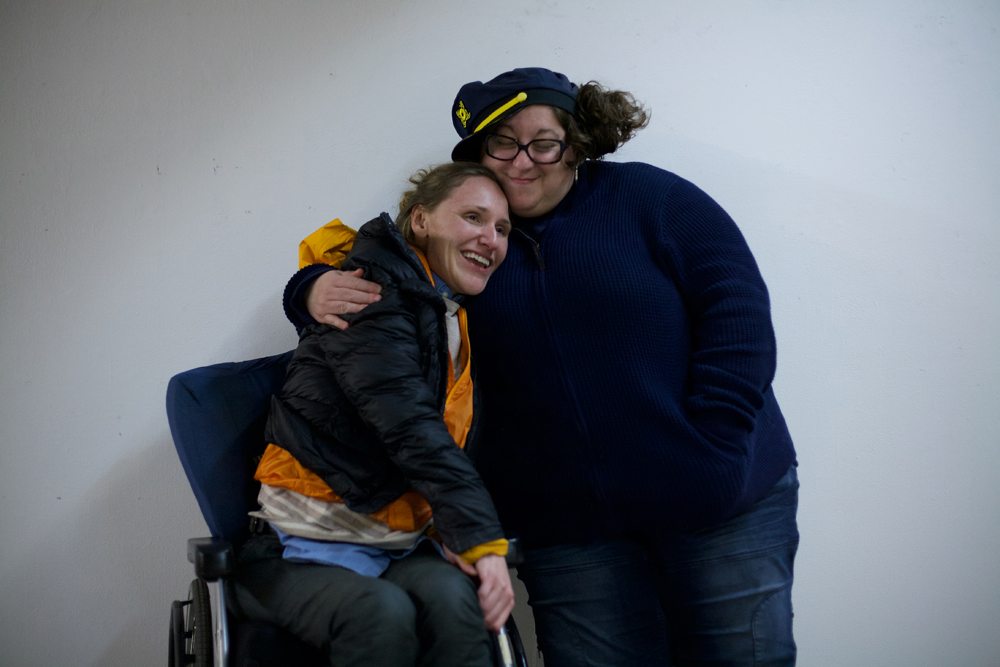
The first of two workshops that highlight correspondence as a way of working. Somewhere between song, speech, and logistical arrangement, these workshops invite participants to consider care as infrastructure.
Two bottomless brunch writing workshops—with readings—speculating the relationship between space, infrastructure, technologies and sex.
In the Foyer at the Tramway we will screen a documentary from the Sex Workers’ Festival of Resistance 2017 and La Llamada by Eduardo Restrepo Castaño.
Can we find ideas of queer anarchism, failure and low theory in popular culture?
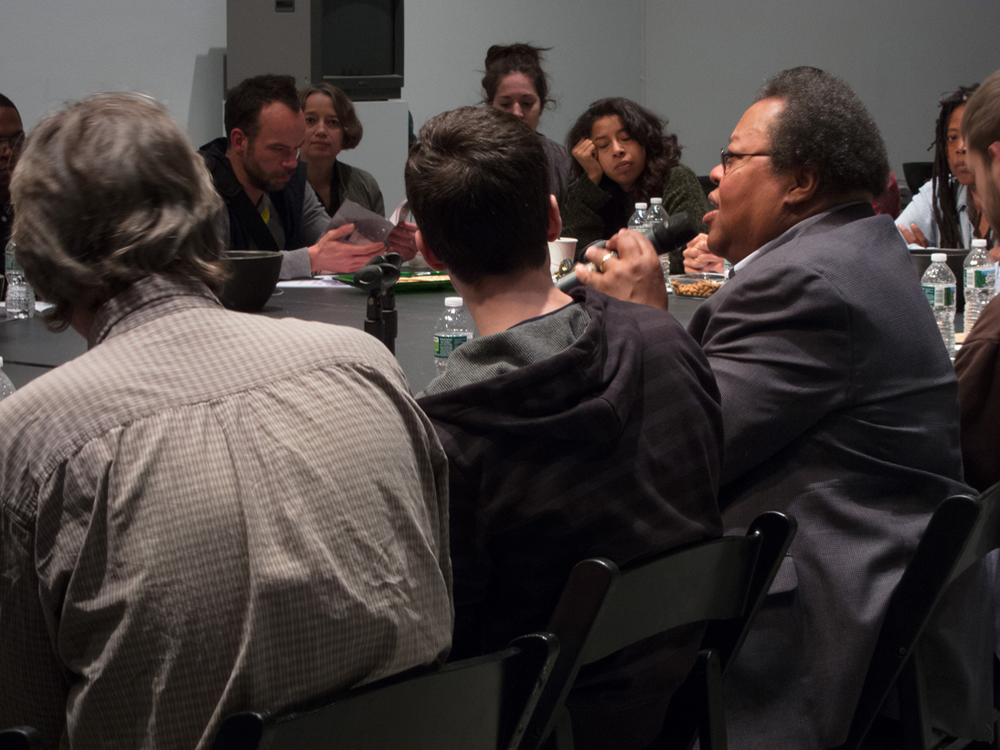
For day one of Ultra-red’s project, the investigation will take up protocols for listening to the sound of freedom composed and facilitated by George E. Lewis.
Haunted by the archive of the New Cross Fire, Jay Bernard presents a film and poetry reading that undertakes a queer exploration of black British history, reconstructed from archives and apparent debris.