What is the Sound of Freedom?
Nancy Nevárez Ultra-red
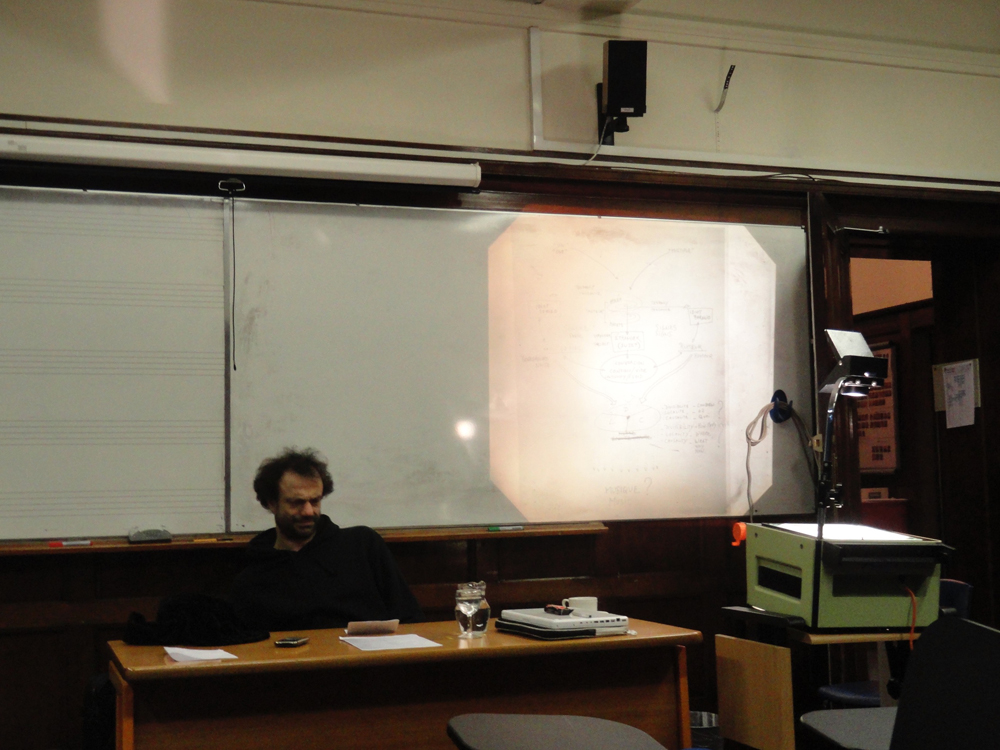
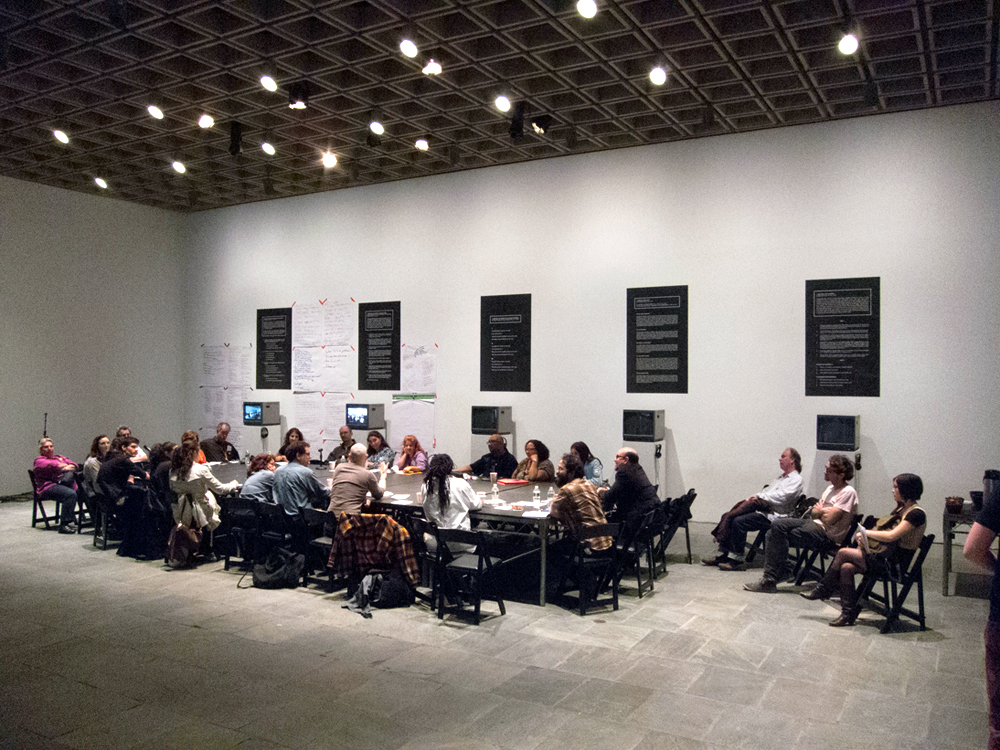
For day three of Ultra-red’s project, the investigation will take up protocols for listening to the sound of freedom composed and facilitated by Nancy Nevárez.
Arika have been creating events since 2001. The Archive is space to share the documentation of our work, over 600 events from the past 20 years. Browse the archive by event, artists and collections, explore using theme pairs, or use the index for a comprehensive overview.
For day three of Ultra-red’s project, the investigation will take up protocols for listening to the sound of freedom composed and facilitated by Nancy Nevárez.
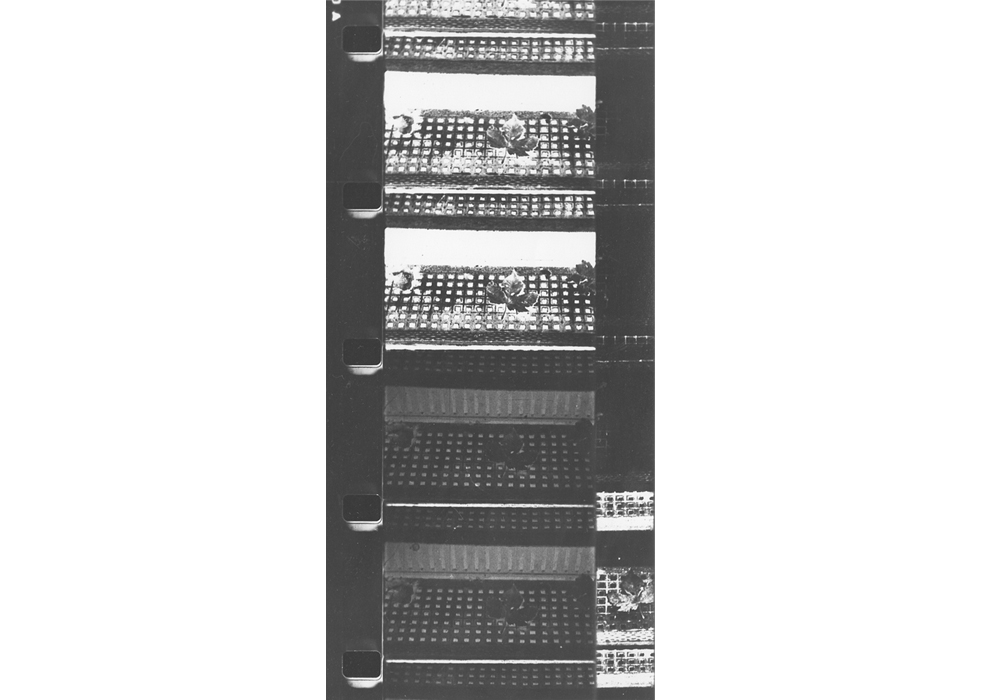
Whether drawing their own fractured, abstract narrative, or re-contextualising, chewing up and spitting out someone else’s, each of the films here take a dramatic arc as their starting point and throw it to the wind.
Jarringly beautiful and often maniacal expression of hallucinatory and very personal visions.
A programme looking at landscape, filmic or architectural spaces and at how the fixed stare of a camera frame only captures so much reality; here we focus on how filmmakers structure our relationship with that reality and at how they relate it to or interpret it through sound.
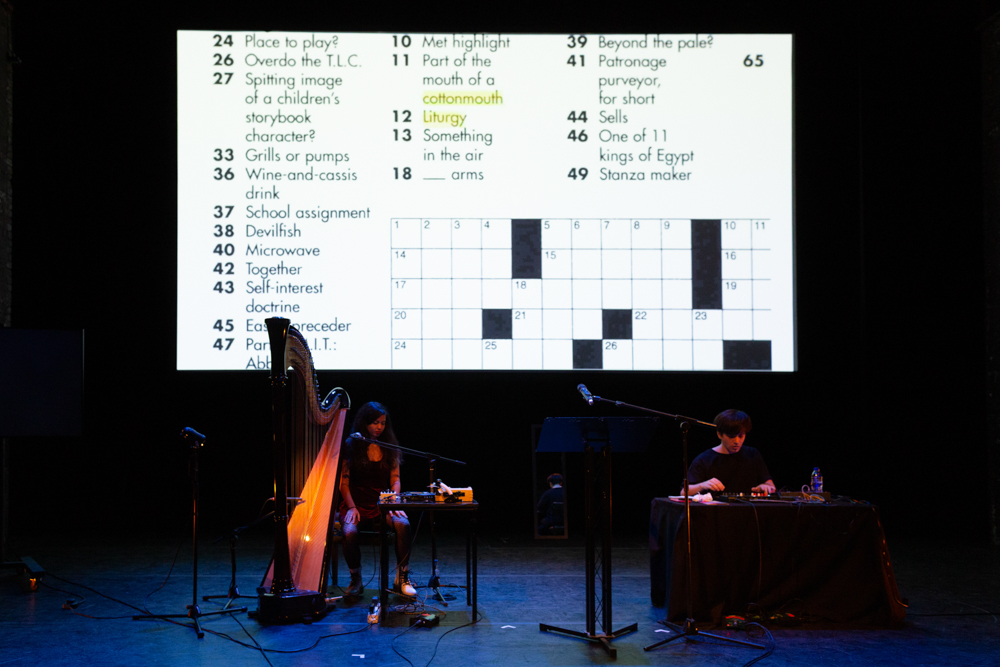
A multi-media harp and spoken word tribute to the incalculable, the in-deducible, the suspicious static noise that accompanies the voice of truth, and the attempted aberrations in the domain of emergence.
4 days of performances, discussions, workshops, screenings with mutant dancers, prison abolitionist poets, transfeminist revolutionaries, haunted noise, science fiction, sex worker resistance, crip erotics, radical pornography and militant fiction.
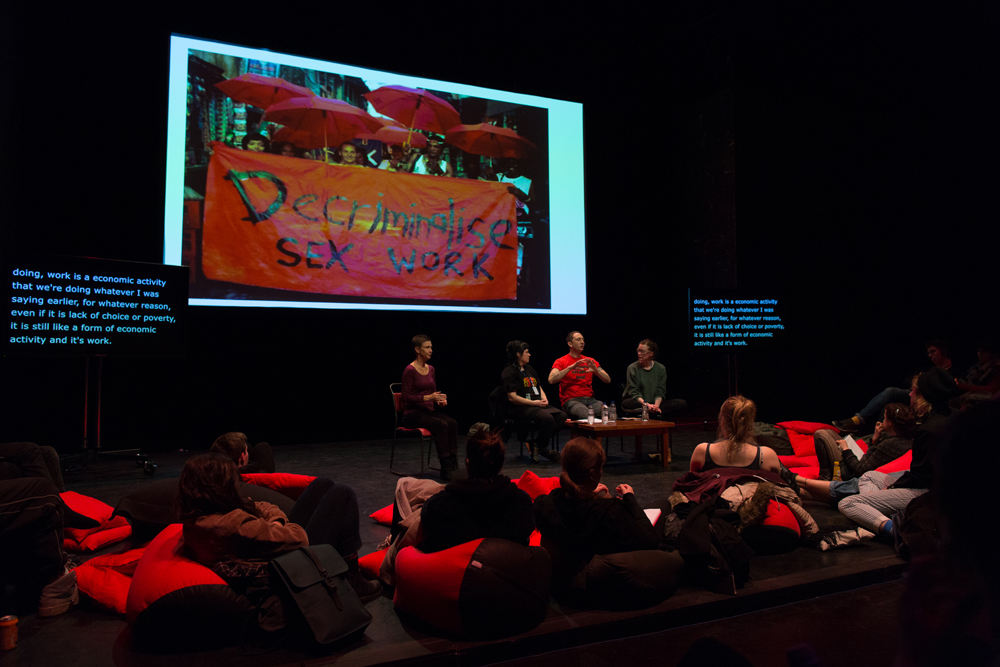
The struggle for sex workers’ rights and how we can understand it in the continuum of care work and other forms of invisibilised and precarious work.
A socio-poetic reading on wayward communities – The wayward create upheavals, incite tumult. They come and go as they please; they are fugitive; they are in open rebellion against society.
Koji Asano, Japanese composer and sound-artist performing slow groaning burbling tones, moaning echoes and drones.
How do you know what you want? Should freedom be doing what you ought, not doing what you want? How might a philosopher and artist turn this thinking into an enabling condition in the context of noise and improvisation?
Jean-Luc Guionnet will be giving a talk as part of the music department’s ongoing series of colloquia.
What kind of listening and acknowledging do we offer each other? What is it to listen to an ‘elsewhere’, and do we ever do anything else when we listen to music?