Fred Moten – Reading
Fred Moten
African American history, avant-garde jazz riffs and activism intertwine in experimental verse of extraordinary and affecting beauty that has to be heard.
Arika have been creating events since 2001. The Archive is space to share the documentation of our work, over 600 events from the past 20 years. Browse the archive by event, artists and collections, explore using theme pairs, or use the index for a comprehensive overview.
African American history, avant-garde jazz riffs and activism intertwine in experimental verse of extraordinary and affecting beauty that has to be heard.
Is there a link between the ways we’re caged and exiled by the prison-industrial complex and the ways people’s bodies are violently categorised and segregated by race, class, gender or ability?
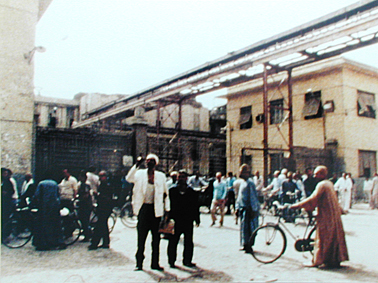
Opening with one of the most memorable shots ever filmed, and screened a year after the initial successes of the 2011 Egyptian revolution, Too Soon, Too Late is a search for the traces left on the landscape of past revolutions in France and Egypt.
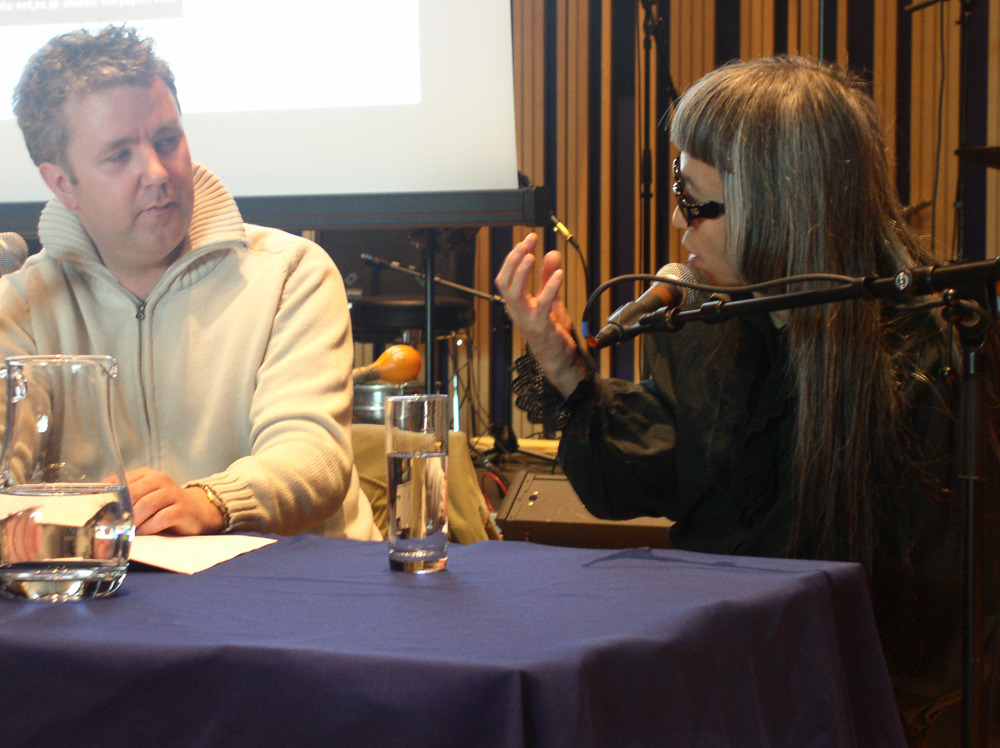
Journalist and underground music champion Alan Cummings talks to Keiji Haino about his career and his performance the previous evening.
MICRO 1 – Wrap a live microphone with a very large sheet of paper. Make a light bundle. Keep the microphone live for another 5 minutes. T. Kosugi – (1961)
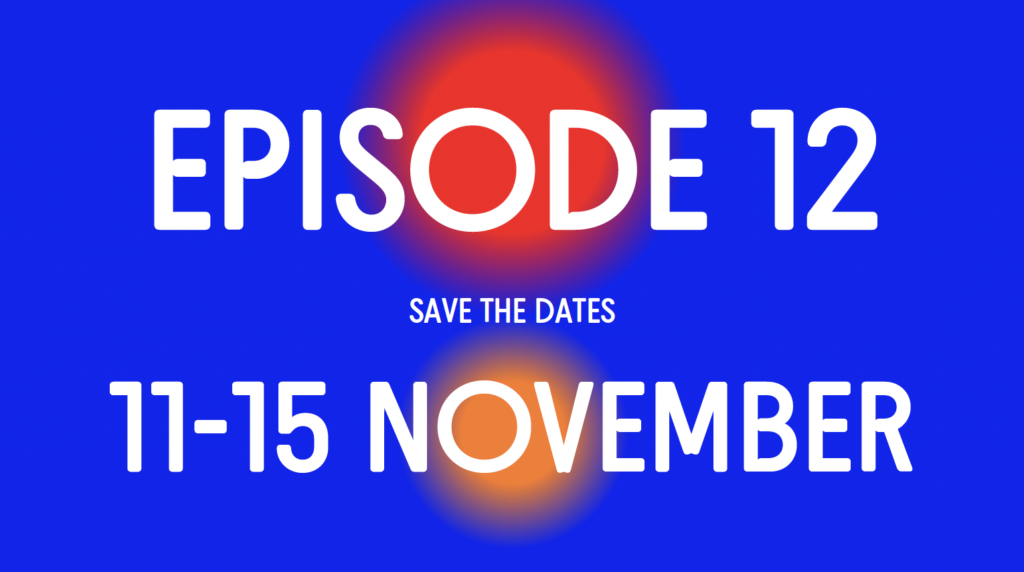
Save the dates for Episode 12.
Wednesday 11 – Sunday 15 November 2026
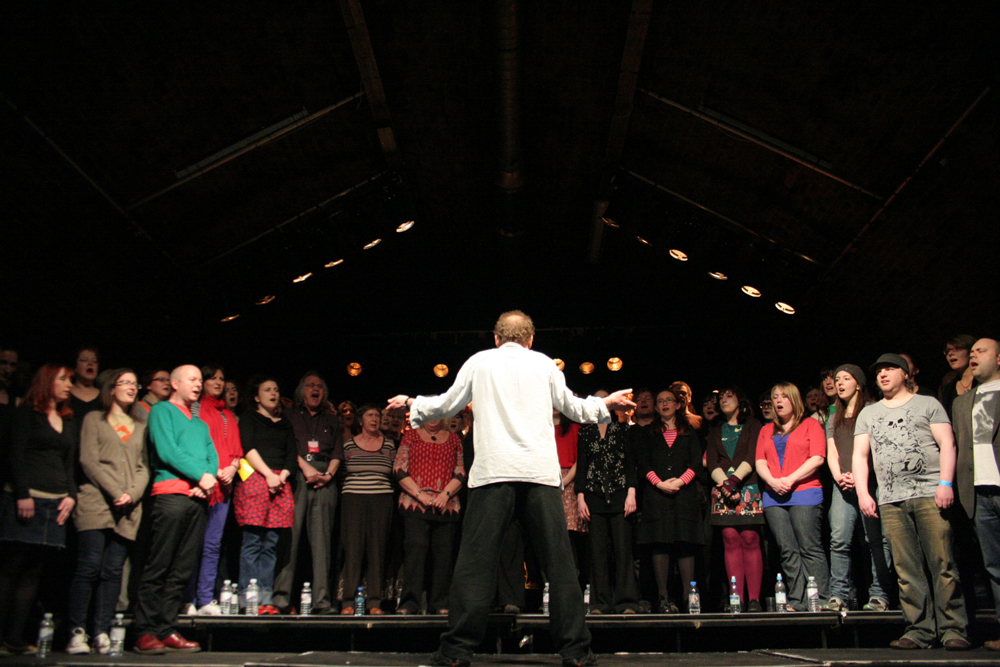
A 100 strong Feral Choir of people who’ve never improvised with their voices before, conducted by composer Phil Minton.
Can our favourite Vegas-born poet of prophetic blackness and a South Central transmuter of social rage into beauty feel through each other?
Relative patterns of occlusion and exposure occupy two screens. Each exposure fires a stroboscopic flash of colour: yellow for one screen; blue for the other, filling the centre of both screens with colour, haloed with after-images.
Are artists powerless in the face of technology? These often whimsical and amusing films are minimal technological interventions and appropriations but maybe also rigorous takes on the role of popular media and culture in our hyper-technological world.
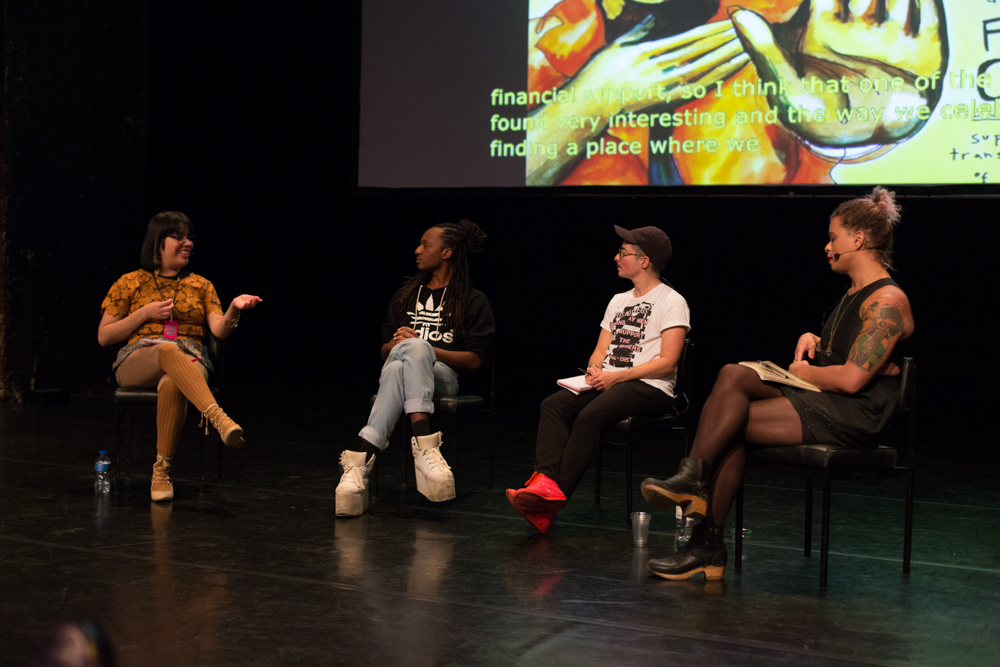
How do communities formed under the duress of violent othering and the joy of solidarity – such as ballroom culture, Black diasporas, Zapatistas – reform bonds of kinship?
First in a series of workshops for workers and non-workers who care. Does work that asks us to be attentive to the needs of others force us to sell our capacity for kindness?