Speculative Solution
Florian Hecker
A multi-speaker, electronic, spacious and spatial performance from Florian Hecker.
Arika have been creating events since 2001. The Archive is space to share the documentation of our work, over 600 events from the past 20 years. Browse the archive by event, artists and collections, explore using theme pairs, or use the index for a comprehensive overview.
A multi-speaker, electronic, spacious and spatial performance from Florian Hecker.
Exploring the interplay between punk sinewave aggression, high-speed video sequences and stroboscopic lighting
Using violin and cello the duo map out a twilight sonic world that seems to tread the faultlines between improvisation and composition.
Improvising violinist Angharad Davies performing with pianists Tisha Mukarji and Andrea Neumann.
A kind of performed installation of searing noise and silence, where we’re not sure who the performer is, when it starts or ends or even who it’s for.
Light Music is a dizzying celebration of the pivotal nature of sound in film; a direct and powerful transcription of film as sound.
Three days of discussions, performances, actions, dancing and food – continuing No Total’s ongoing contemplation of ways of being together and the ways Arika have been entangled in those, ever since Episode 4.
A double bill of A (imageless) film of nothing but a sound recording and its transcription and a found film of news interviews about Malcolm X’s assasination, where the filmmaker decided to add nothing to it, except our attention.
Edinburgh. Nigh-inaudible improv jams with disabled instruments from the makers of Giant Tank and Pizza Boy Delivery.
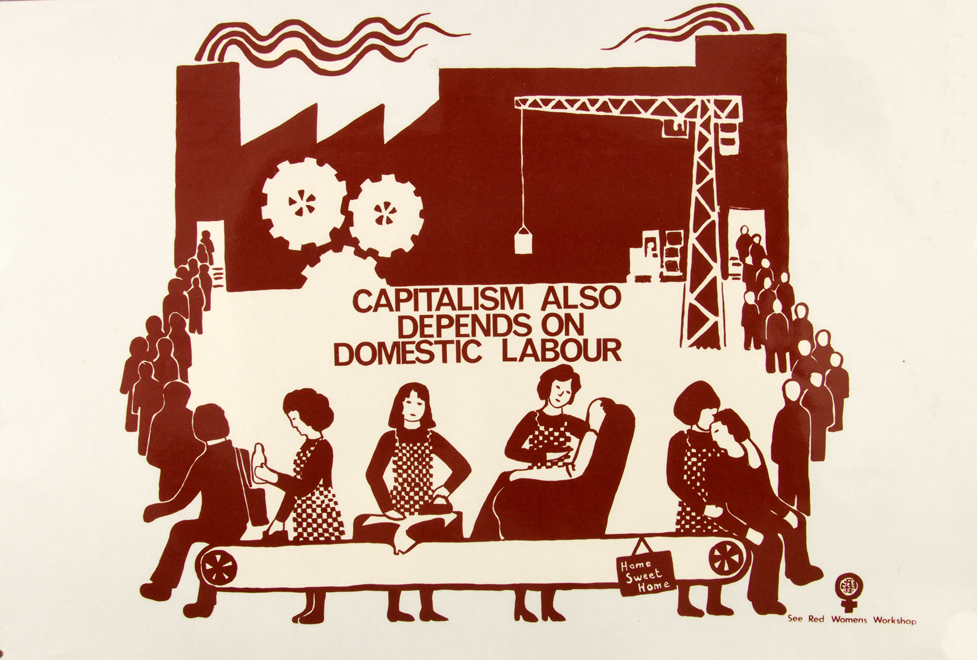
This session focuses in on the defiant mutual aid practices of early and DIY feminist movements in the UK, that attempted to shift and radicalise care and kinship away from the domain of the nuclear family.
Repetitive, mesmerizing rhythmic workouts, to pieces of stark and rigorous introspection, where notes picked and slid in isolation, scatter like mercury around the listener.
Rather than asking the state for services, what kinds of change are made possible when we prioritise people supporting each other?